Help
  • FAQ
    browse most common questions
  • Live Chat
    talk with our online service
  • Email
    contact your dedicated sales:
0

PCB Solution for Medical Devices

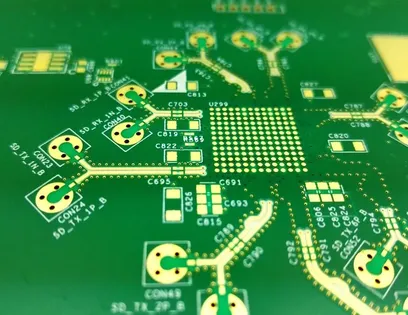
AIVON medical device PCBs are high-reliability boards designed for healthcare applications. Built with strict quality control, biocompatible materials, and precise manufacturing, they ensure safety and accuracy. Suitable for diagnostic equipment, patient monitoring, and wearable medical devices, AIVON PCBs meet ISO and IPC medical standards.

Get Online Quote

Demands for PCBs in Medical Devices
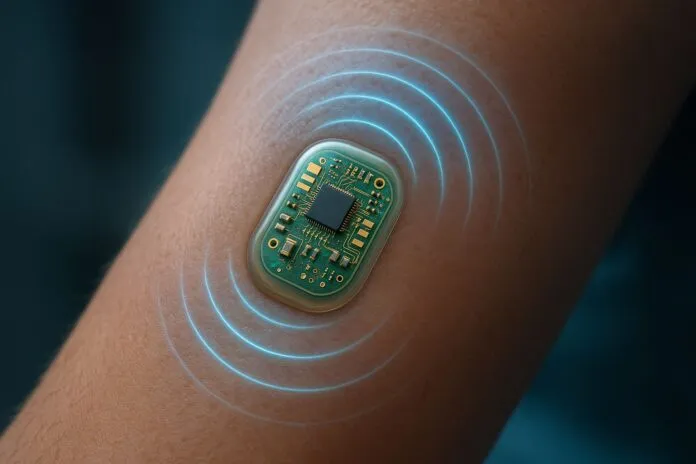
Miniaturization and Compact Design Needs

Miniaturization and Compact Design Needs

  • With the increasing popularity of portable, wearable, and implantable medical devices, PCBs must be designed to occupy minimal space while maintaining full functionality. High-density layouts, multi-layer designs, and efficient component placement are essential to achieve compact form factors. This miniaturization not only supports device portability but also enables innovative medical solutions, such as implantable sensors and handheld diagnostic tools.
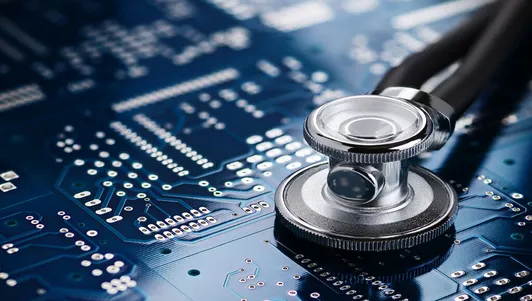
High Reliability and Safety Standards

High Reliability and Safety Standards

  • Demands for PCBs in medical devices are driven by the need for high reliability, safety, and precision. Medical PCBs must meet strict regulatory standards, including ISO and IPC requirements, to ensure consistent performance in critical applications. They often require biocompatible materials, compact designs, and high-density layouts to support advanced functionality. Additionally, medical devices demand long-term stability, low failure rates, and traceable manufacturing processes to guarantee patient safety and regulatory compliance.
Case Studies

Patient Monitoring System

Patient Monitoring System

AIVON supplied a 6-layer multilayer PCB for a portable patient monitoring device. The board integrated analog sensors, ADCs, and wireless modules while maintaining signal integrity and low noise, enabling accurate real-time vital signs measurement.

Diagnostic Imaging Equipment

Diagnostic Imaging Equipment

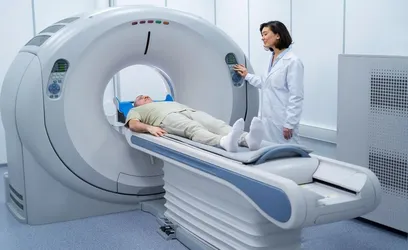
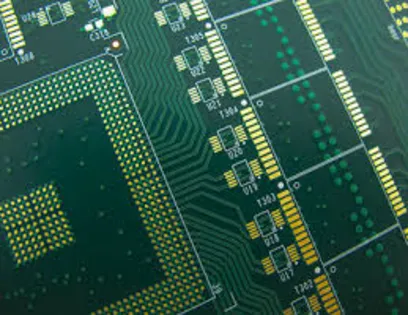
For a diagnostic ultrasound manufacturer, AIVON produced a high-density HDI PCB supporting high-frequency signal transmission and multiple processor connections. Advanced thermal management and precise layer stackup ensured stable performance during prolonged operation.

Infusion Pump Control

Infusion Pump Control

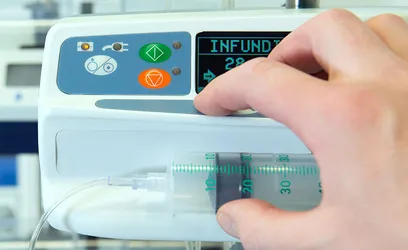
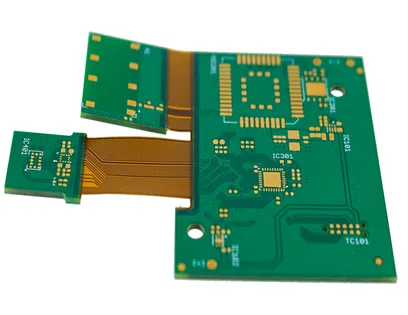
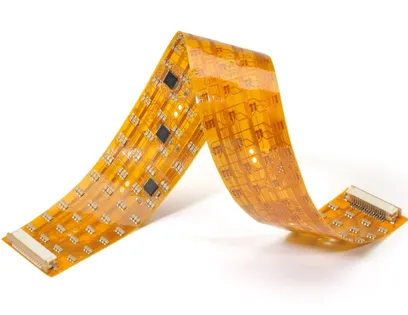
AIVON delivered rigid-flex PCBs for an infusion pump system, combining flexibility for mechanical integration with rigid areas for microcontroller and power circuitry. The boards met stringent IEC 60601 safety standards for medical electrical equipment.

Why Choose AIVON for Medical Devices PCBs

Cost-Efficient Manufacturing Without Compromising Quality

Cost-Efficient Manufacturing Without Compromising Quality

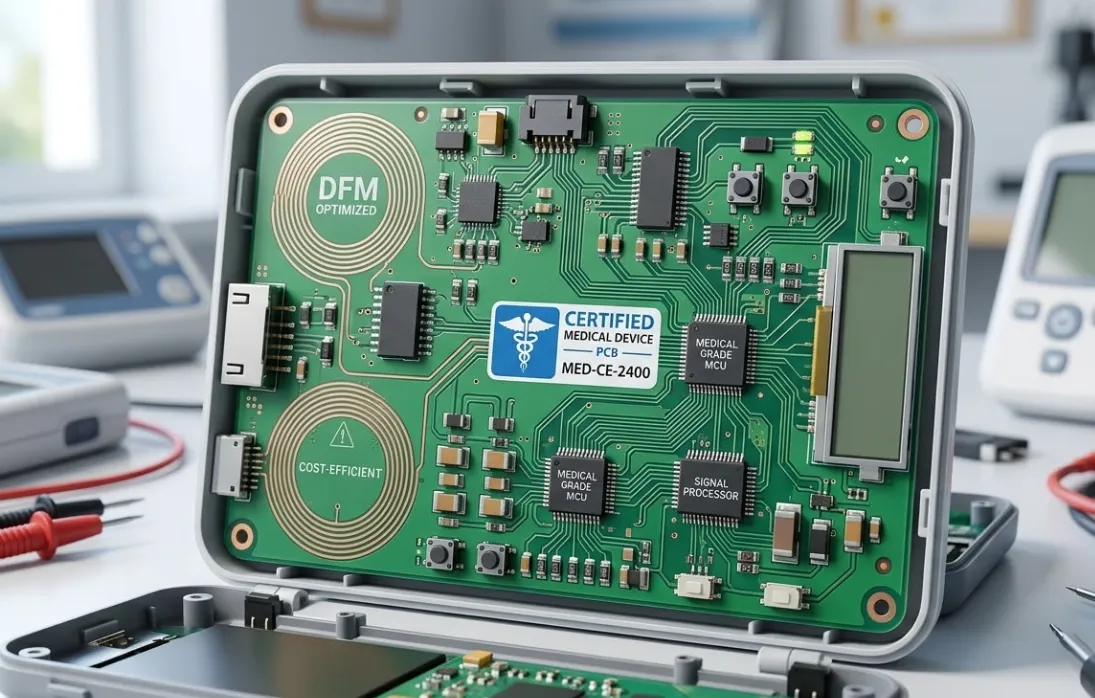
AIVON helps medical device manufacturers achieve cost efficiency without compromising reliability or compliance. By optimizing material sourcing, streamlining production processes, and leveraging advanced manufacturing technologies, AIVON reduces unnecessary costs throughout the PCB production cycle. Early design-for-manufacturability (DFM) evaluation also helps identify potential issues before fabrication, minimizing redesigns and delays. This efficient approach enables customers to control development budgets while maintaining the high quality and stability required for critical medical electronics.

Get Online Quote
Advanced PCB Design Support for Medical Applications

Advanced PCB Design Support for Medical Applications

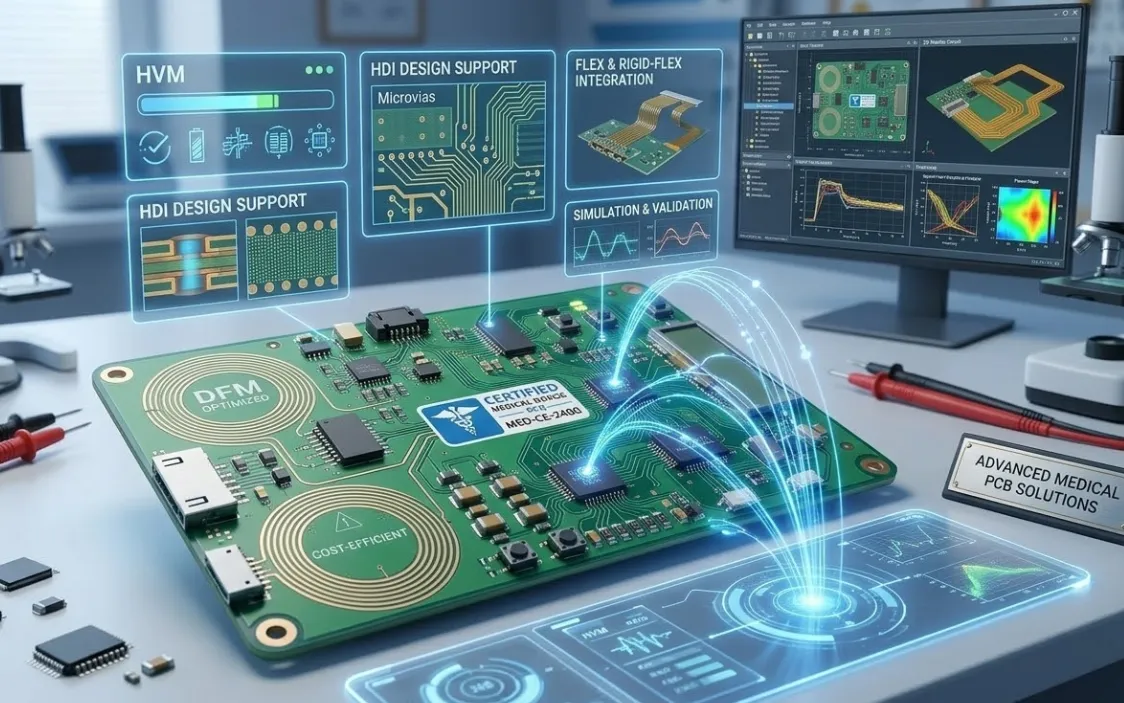
AIVON provides professional PCB design support tailored to the strict requirements of medical devices. From component selection and high-density layout planning to signal integrity and thermal management, the engineering team ensures every design supports reliable long-term performance. AIVON also considers regulatory and safety requirements during the design stage, helping customers develop PCBs that meet industry standards. With strong design collaboration, medical device developers can achieve compact, stable, and high-performance PCB solutions for demanding healthcare applications.

Know More about PCBA

Featured Products

FAQs of Medical Devices PCBs

Q1: Are AIVON medical PCBs compliant with industry standards?

  • A1: All boards are designed to meet IPC, ISO 13485, RoHS, and IEC 60601 requirements, ensuring regulatory compliance for medical applications.

Q2: What Technologies Are Used in Medical PCBs?

  • A2: Medical PCBs rely on advanced technologies like High-Density Interconnect (HDI) with micro-vias for essential miniaturization in devices like wearables and implants. Furthermore, Flexible (Flex) and Rigid-Flex circuits using materials like Polyimide are critical for devices needing to bend or conform to tight spaces, while specialized laminates and Metal Core PCBs are used for high-frequency performance and superior thermal management in imaging equipment. All manufacturing must adhere to the IPC Class 3 standard for the highest reliability in life-critical applications.

Q3: Do you support microelectronics assembly for implantable medical devices?

  • A3: Yes, AIVON supports microelectronics assembly for implantable medical devices with high precision and reliability. We utilize advanced SMT and wire bonding technologies in controlled cleanroom environments to ensure biocompatibility, miniaturization, and long-term stability. Each assembly process complies with stringent medical standards to guarantee safety and performance in critical applications.

Q4: What materials are commonly used in medical PCB manufacturing?

  • A4: Medical PCBs often use high-reliability materials such as FR-4, polyimide, Rogers laminates, and high-temperature substrates. The material selection depends on factors like thermal stability, signal performance, and device durability, especially for applications requiring long operating life or high-frequency signal transmission.

Q5: Why is reliability critical in medical device PCBs?

  • A5: Reliability is crucial because medical devices must operate continuously and accurately in sensitive healthcare environments. Any PCB failure could lead to device malfunction, incorrect readings, or system downtime. Therefore, medical PCBs require strict quality control, rigorous testing, and stable design practices to ensure long-term performance.

Medical Devices PCB Insights

Other Industries We Serve

Get in Touch

Send Message

2026 AIVON.COM All Rights Reserved
Intellectual Property Rights | Terms of Service | Privacy Policy | Refund Policy