










Excellent Mechanical Strength

Maintains strong mechanical stability even at high temperatures, resisting external stress effectively.
Superior Thermal Stability, Low Expansion, and Moisture Resistance for High-Performance Electronics


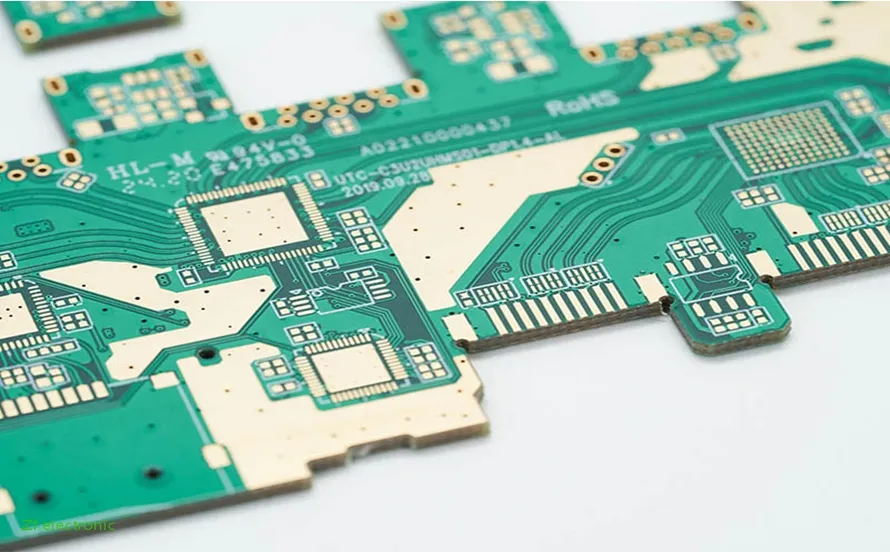
High TG PCBs feature a substrate Tg ≥170°C, offering excellent thermal stability, low Z-axis expansion, and superior moisture resistance. They withstand lead-free soldering at 260°C and perform reliably in high-temperature, high-pressure environments. Ideal for automotive ECUs, 5G base stations, and industrial inverters, these PCBs provide a robust foundation for high-performance and high-reliability electronic devices.
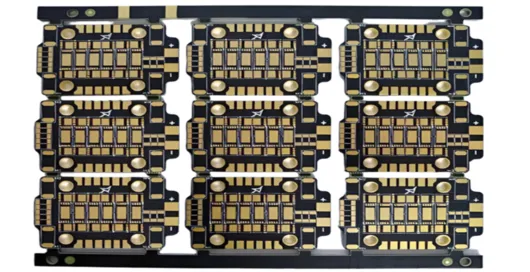
A technologically advanced multilayer printed circuit board designed for high-reliability and high-performance applications
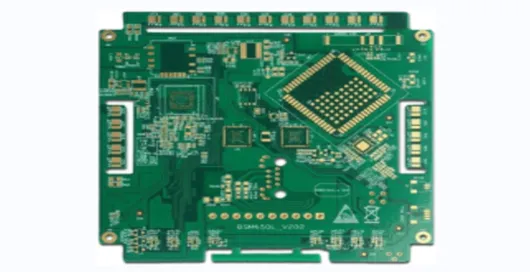
4-layer ENIG PCB for Renewable Energy Applications
Maintains strong mechanical stability even at high temperatures, resisting external stress effectively.
Low dielectric constant and low dissipation factor ensure minimal signal delay and high signal integrity in high-frequency transmission.
The high TG material minimizes thermal expansion differences between layers, supporting multilayer designs with fine traces and tight tolerances, crucial for aerospace, military, and high-power electronics.
Performs exceptionally under extreme temperature changes and humidity, suitable for demanding applications such as military and aerospace.
Meets RoHS and other environmental standards, helping to reduce ecological impact.
Advanced materials and precise fabrication reduce signal loss and crosstalk, supporting high-speed and high-frequency circuits with consistent performance in critical applications.
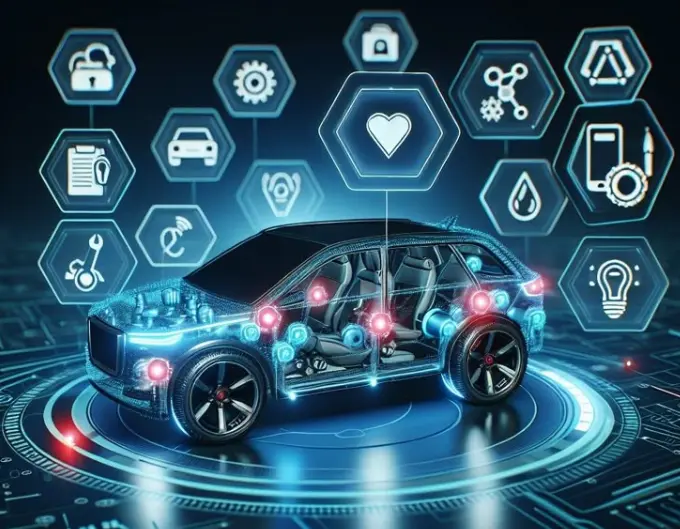
Used in critical components such as automotive ECUs, autonomous driving systems, and new energy battery management systems (BMS).
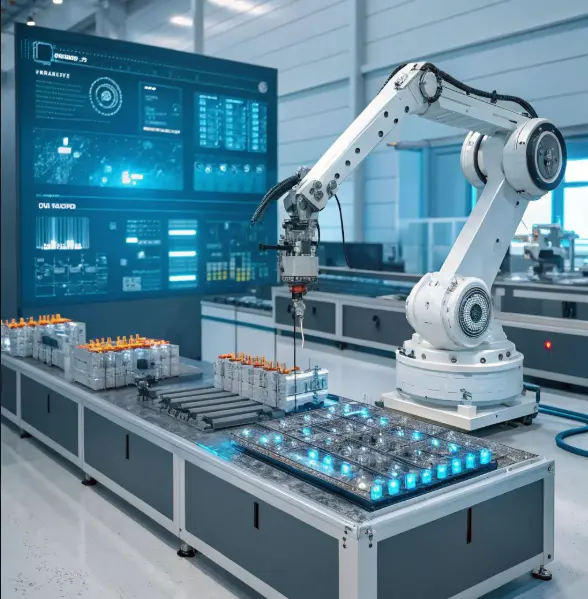
Applied in robot servo mainboards, power monitoring equipment, and automation control systems.

Used in 5G base station antennas, optical modules, and related devices.

Applied in ultrasound imaging machines, patient monitors, and other medical equipment.

Used in radar systems, avionics control units, satellite communication modules, and power converters.
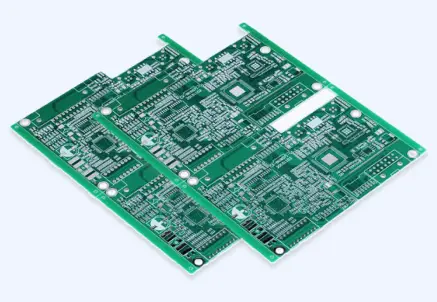
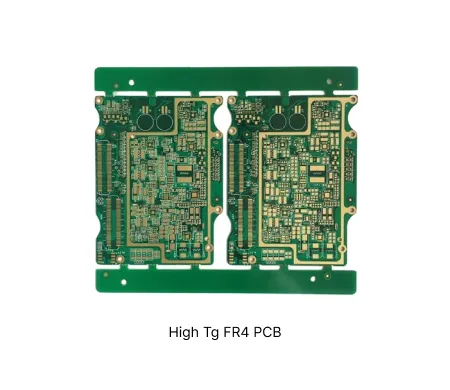
Discover how AIVON manufactures High Tg FR4 PCBs, including high-temperature material selection, thermal reliability requirements, fabrication processes, manufacturing challenges, and real production experience from customer orders.
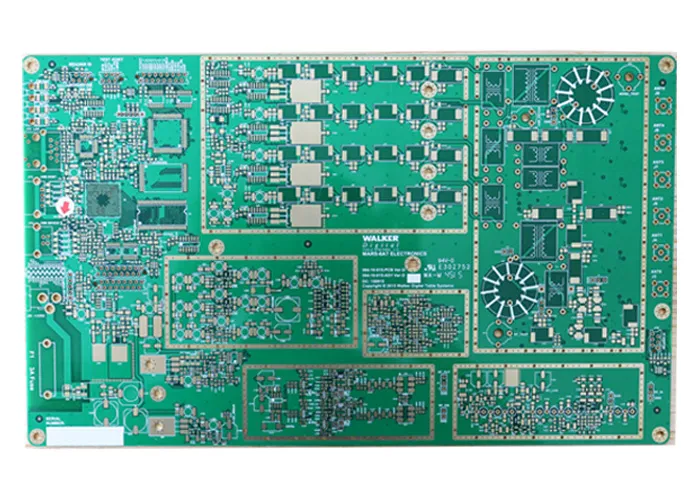
A guide to high-Tg PCBs for aerospace, automotive, and industrial applications. Learn about material selection, manufacturing, and thermal reliability per IPC standards.
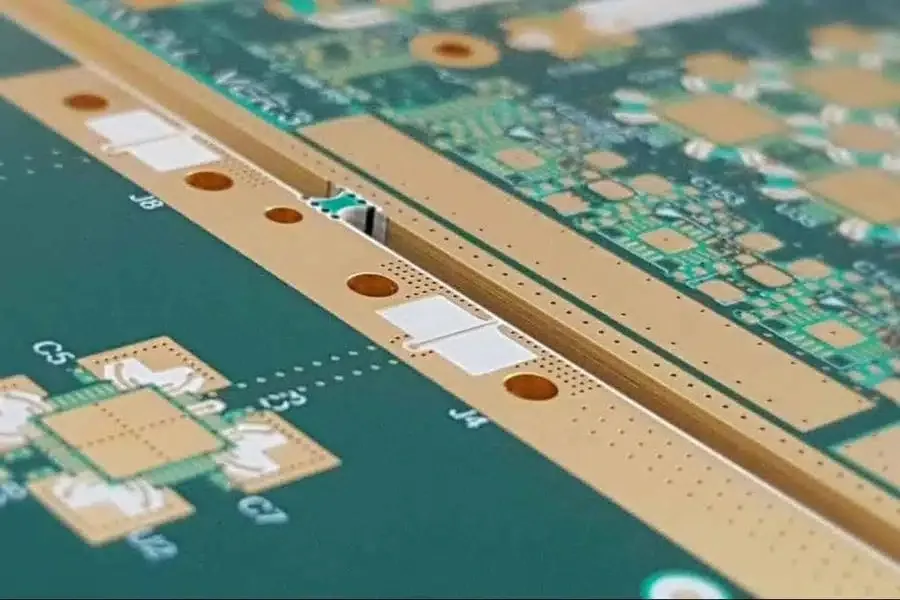
Achieve high-Tg PCB reliability for critical applications. This technical guide details material selection, processing controls, and verification methods for engineers.
Optimize High-Tg PCB costs without compromising reliability. This technical guide details material selection and process optimization strategies for engineers and purchasers.
A1: TG (Glass Transition Temperature) is the temperature at which a PCB’s base material changes from a rigid, glassy state to a soft, rubbery state. A higher TG value means the board can withstand higher operating and soldering temperatures, offering better thermal stability, mechanical strength, and reliability under stress.
A2: TG refers to the point where the material begins to soften. TD is the point where the material starts to chemically decompose and lose its structural integrity. TG affects thermal stability, while TD determines the upper thermal limit. For high-temperature or lead-free soldering environments, both TG and TD should be considered to ensure long-term reliability.
A3: We recommends High TG boards for devices operating above?130°C?to prevent?delamination?and ensure mechanical stability under continuous heat.


