










Outstanding Heat Dissipation

Aluminum alloy substrate rapidly conducts heat, effectively dissipating electronic component temperatures to prevent overheating damage.
We specialize in high-quality aluminum PCB manufacturing and turnkey assembly for various industrial.


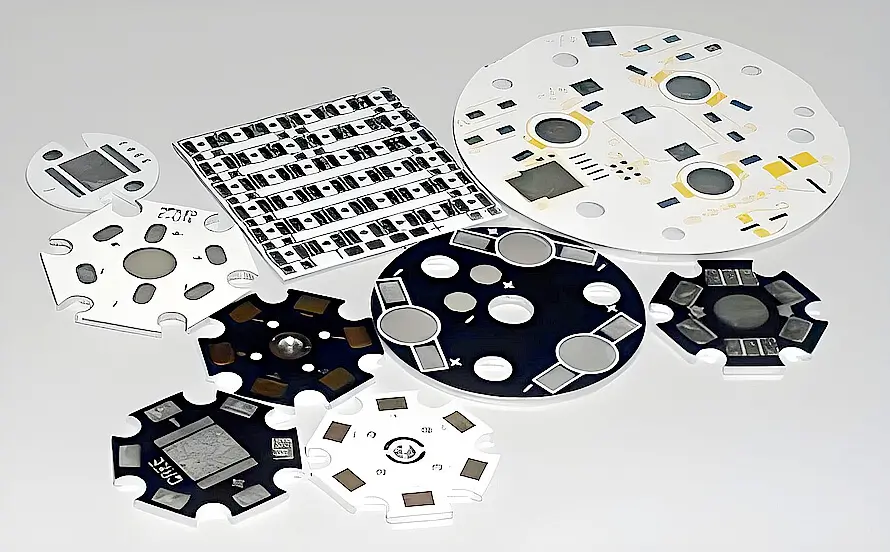
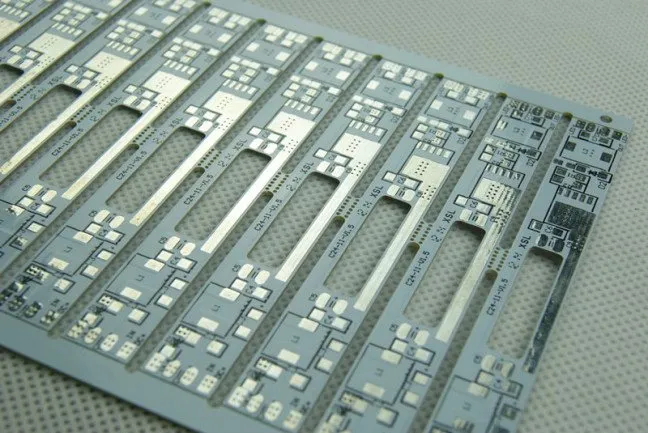
Aluminum PCB is a cost-effective heat dissipation circuit board constructed with high-purity aluminum (≥99.6%) as the thermal substrate, combined with low thermal resistance insulating media (thermal silicone gel, aluminum oxide ceramics, or modified epoxy resin) and conductive copper foil. Through an integrated design featuring rapid heat conduction via the aluminum core layer and electrical isolation via the insulating layer, it effectively addresses heat dissipation challenges for medium-power devices. It serves as the mainstream thermal substrate in fields such as LED lighting, power electronics, and automotive electronics.
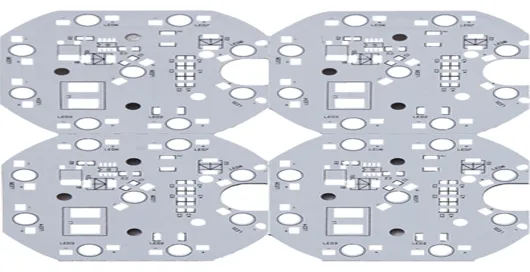
MLT-002: Aluminum base, copper foil, FR4 glass cloth (Tg 130-170)
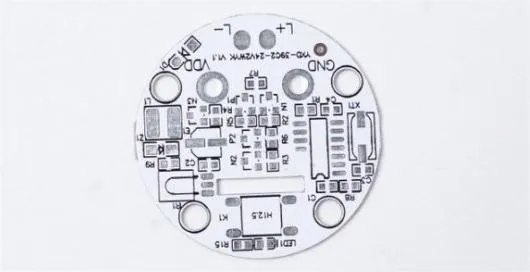
MLT-007: Thick copper foil (40z-100z) laminate, high current. High-power circuits.
Aluminum alloy substrate rapidly conducts heat, effectively dissipating electronic component temperatures to prevent overheating damage.
Reduces heat buildup, delays component aging, extends circuit lifespan, and lowers failure rates.
Aluminum substrate provides superior durability and resistance to mechanical stress compared with standard FR4 boards.
Aluminum offers low weight and high strength, ideal for compact installations that save space.
Simplifies additional cooling designs, reducing production and assembly costs.
The dielectric layer ensures strong insulation between the circuit and the metal base, improving overall circuit safety.
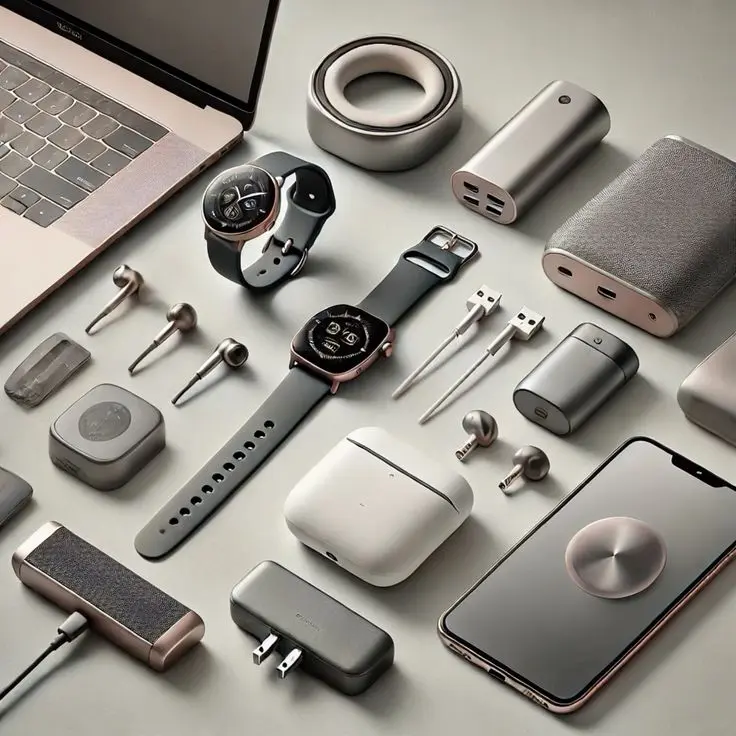
Used in fast-charging adapters, laptop power adapters, backlight driver boards for LCD TVs, and light source control boards for projectors.

Used in driver boards for automotive LED headlights (low beam, high beam) and control boards for interior ambient lighting.
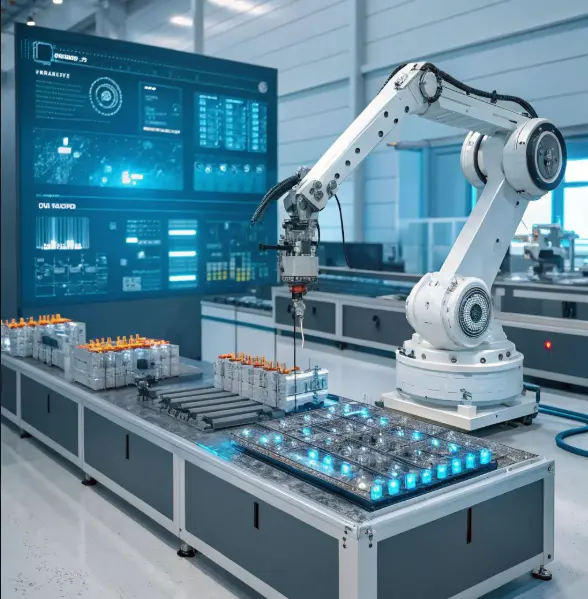
Used in low-voltage control circuits for frequency converters, signal amplification boards for sensors, small-to-medium switch-mode power supplies, and auxiliary circuit boards for uninterruptible power supplies (UPS).
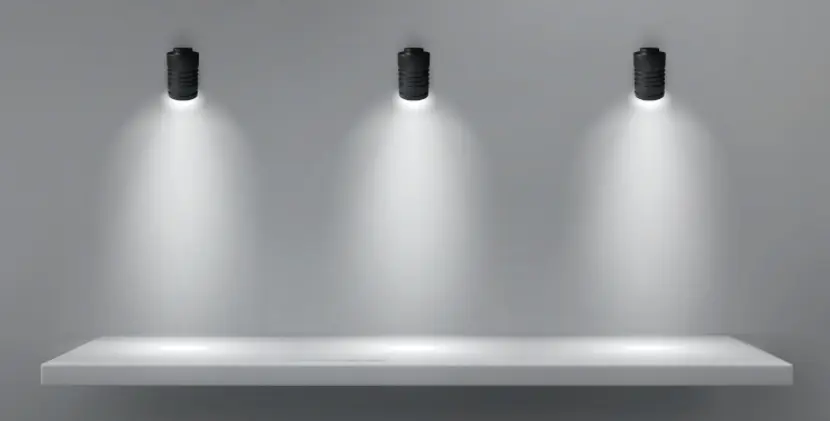
Used in LED ceiling lights, downlights, spotlights, LED street lights, tunnel lights, and garden lights.
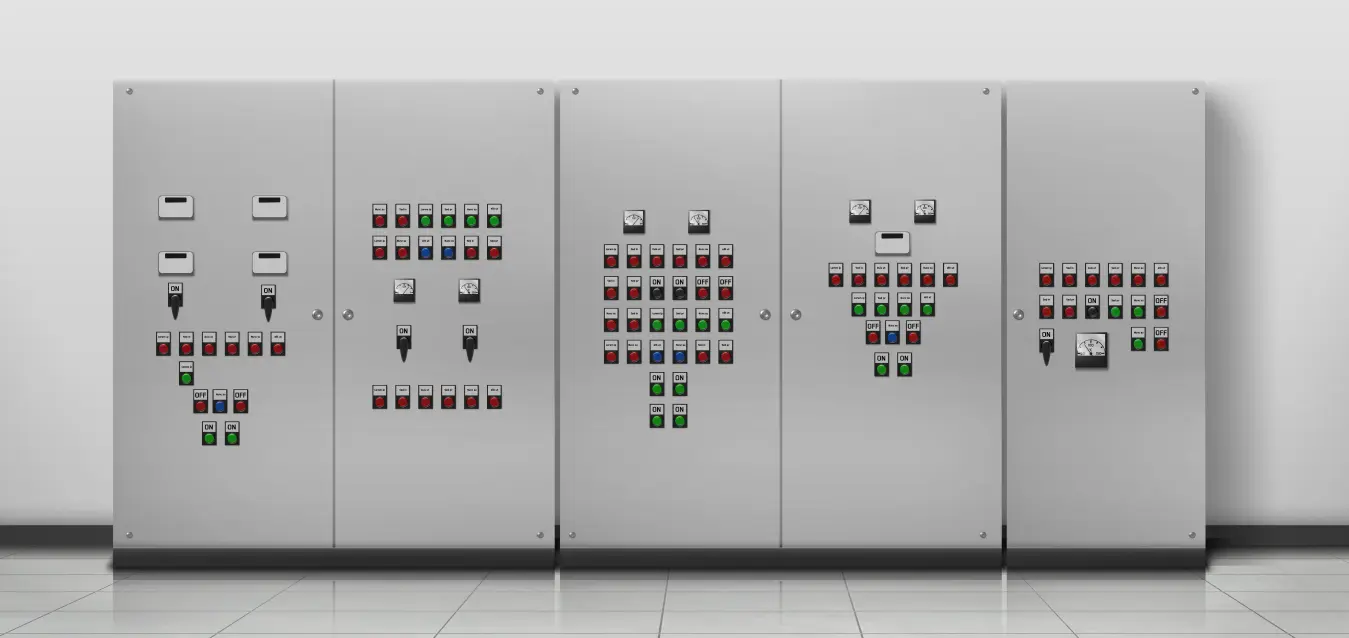
Used in power converters, voltage regulators, and industrial control systems to ensure efficient thermal management and long service life.

Used in base stations, signal transmitters, and network equipment to enhance performance and reliability.
.webp)
The circuit layer serves the same function as that on a conventional PCB. It is made of high-quality copper foil with a thickness typically ranging from 1 oz to 10 oz, ensuring reliable conductivity and superior current-carrying capability.
The dielectric layer is a thermally conductive insulation material with low thermal resistance, which plays a key role in transferring heat from electronic components to the base. It is usually made from a polymer filled with special ceramics, offering excellent viscoelasticity, strong resistance to thermal aging, and the ability to withstand high thermal stress.
The base layer consists of aluminum, providing a solid mechanical foundation and exceptional heat dissipation performance. This structure allows components to maintain stable operation under high-power or high-temperature conditions, significantly improving product reliability and extending service life.
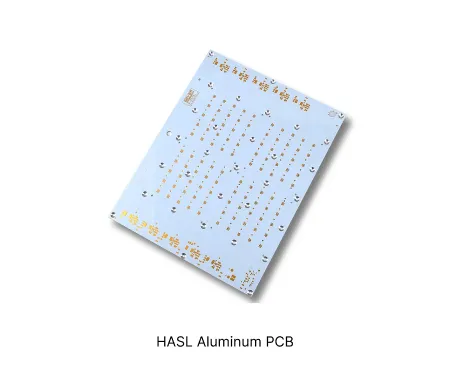
Discover how AIVON manufactures HASL Aluminum PCBs, including aluminum substrate fabrication with HASL surface finishing, thermal performance requirements, manufacturing challenges, and real production experience from customer orders.
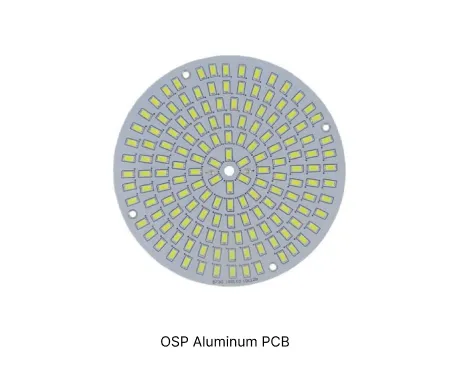
Discover how AIVON manufactures OSP Aluminum PCBs, including aluminum substrate structures, copper surface protection, thermal management considerations, manufacturing challenges, and real production experience from customer orders.
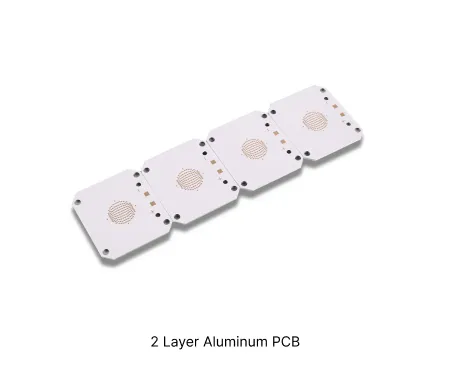
Discover how AIVON manufactures 2 Layer Aluminum PCBs, including metal core structures, thermal management requirements, dielectric layer control, manufacturing challenges, and real production experience from customer orders.
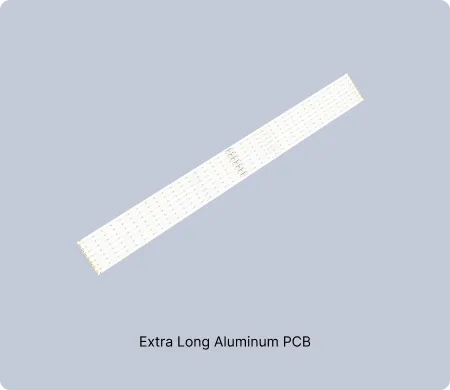
Discover how AIVON manufactures Extra Long Aluminum PCBs, including large-format metal core structures, dimensional control requirements, thermal performance optimization, manufacturing challenges, and real production experience from customer orders.
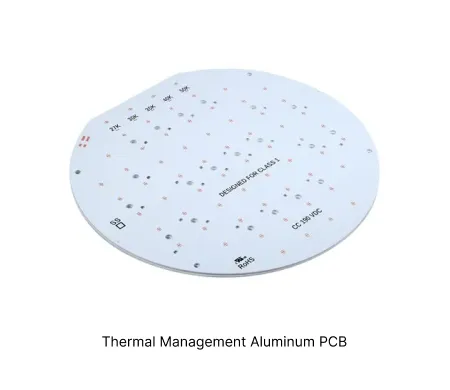
Discover how AIVON manufactures Thermal Management Aluminum PCBs, including heat dissipation optimization, thermal design requirements, material selection, manufacturing challenges, and real production experience from customer orders.
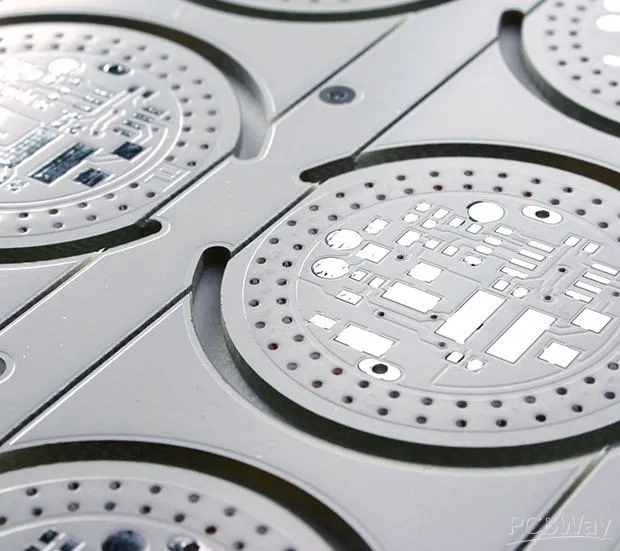
Learn the principles of aluminum PCB design for high power electronics. This guide covers thermal management, design rules for metal core boards, and power supply efficiency.
Master the technical specifications of aluminum PCB materials. This guide compares metal core substrates with FR4 and copper to optimize heat dissipation in high power electronics.
Explore the industrial applications of aluminum PCBs. This guide covers essential thermal management solutions for high performance electronics and design for high frequency systems.
A1: Aluminum PCBs are often white because the solder mask or surface finish applied to the board is white. The white layer helps reflect heat away from components, improves light reflection in LED applications, and provides a clean surface for printing and assembly. This color does not affect the board’s performance but enhances its thermal management and aesthetic appeal, especially in LED lighting applications.
A2: When selecting an aluminum core PCB, consider the copper thickness, dielectric thermal conductivity, board size, and application requirements. Thicker copper ensures better current capacity, while high-performance dielectric layers provide low thermal resistance and efficient heat transfer. Additionally, check the aluminum base quality and compatibility with your components to ensure durability and stable performance for high-power or heat-sensitive applications.
A3: With years of experience in LED lighting, power supply, and electronics industries, AIVON ensures reliable thermal management, strict quality control, and fast production turnaround. Choosing AIVON means getting trusted performance, extended component lifespan, and professional support for all your aluminum PCB projects.


