Medical Devices
PCBs for medical devices require high reliability, stable signal performance, and strong resistance to environmental stress. These boards support equipment such as monitoring systems, diagnostic tools, imaging units, and portable medical instruments. The design focus is consistent operation, precise data transmission, and dependable performance during long clinical use.

Consumer Electronics
PCBs used in consumer electronics focus on stable performance, compact layouts, and long service life. These boards support everyday products such as smartphones, wearables, household devices, and entertainment equipment. The design goal is to ensure consistent function in high frequency usage while keeping power consumption under control.
Automotive Electronics
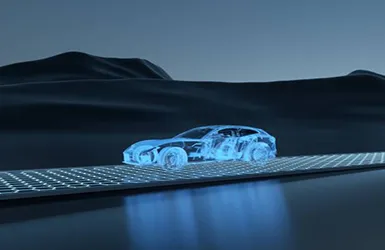
PCBs for automotive electronics must deliver stable performance under heat, vibration, and long operating cycles. These boards support systems such as engine control units, safety modules, infotainment units, lighting systems, and battery management. The design focus is durability, accurate signal communication, and reliable function in continuous on road use.
Telecommunication
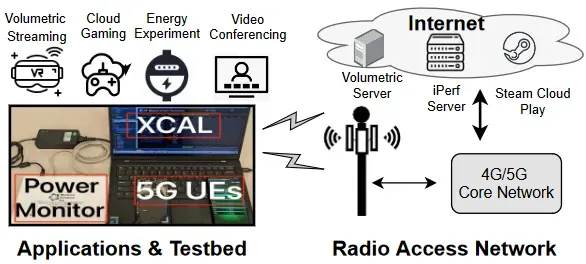
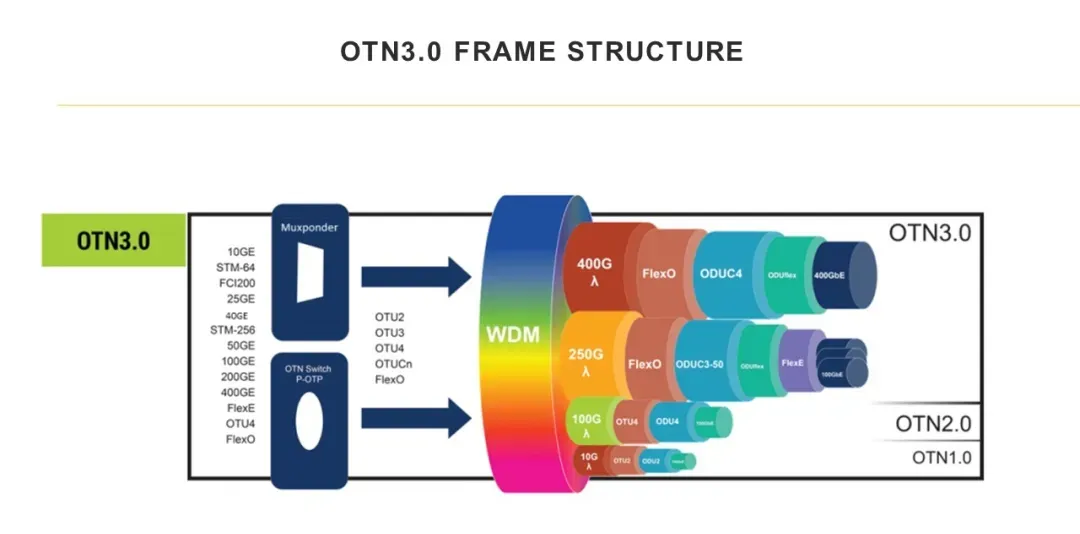
PCBs used in telecommunication equipment require steady signal integrity, low loss materials, and strong resistance to heat and humidity. These boards support base stations, network routers, data transmission units, and wireless communication devices. The design focus is stable long distance data flow and dependable operation in high load network environments.

Military and Aerospace
PCBs for military and aerospace systems must maintain stable performance under extreme temperatures, strong vibration, and high altitude conditions. These boards support navigation units, radar systems, communication modules, control equipment, and mission critical electronics. The design focus is long term reliability, precise signal flow, and consistent operation in demanding environments.
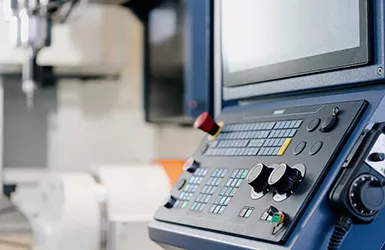
Industrial Control
PCBs for industrial control systems require strong durability, steady signal performance, and resistance to heat, dust, and continuous vibration. These boards support automation equipment, power management units, monitoring systems, sensors, and factory machinery. The design focus is stable long term operation, accurate data handling, and dependable performance in high duty production environments.
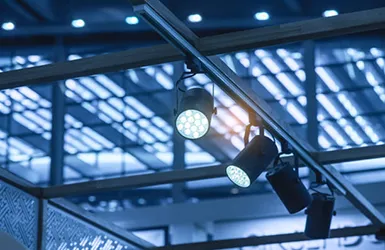
LED Lighting
PCBs used in LED lighting systems require good heat dissipation, stable electrical performance, and long service life. These boards support indoor lighting, outdoor fixtures, display panels, automotive lamps, and high power illumination units. The design focus is steady light output, efficient thermal control, and reliable performance during continuous operation.
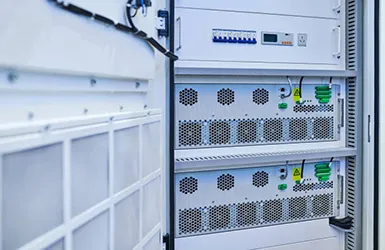
Power Supply
PCBs for power supply systems require stable current handling, strong heat resistance, and safe insulation performance. These boards support chargers, adapters, converters, power modules, renewable energy equipment, and industrial power units. The design focus is steady output, efficient energy transfer, and reliable operation under continuous load.
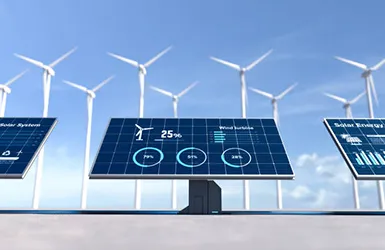
New Energy
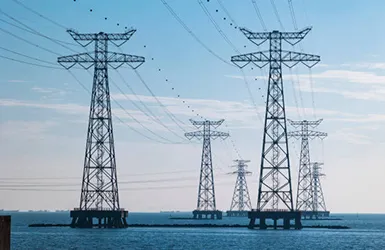
PCBs for new energy applications require high efficiency, robust thermal management, and long-term reliability. These boards support solar inverters, wind power controllers, energy storage systems, and electric vehicle charging equipment. The design focus is stable power conversion, consistent performance under variable conditions, and durable operation for sustainable energy solutions.
Transportation
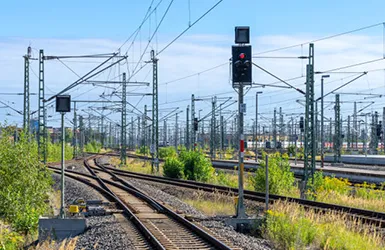
PCBs for transportation systems require high reliability, vibration resistance, and stable performance under varying environmental conditions. These boards support rail control systems, traffic management equipment, vehicle monitoring units, and public transport electronics. The design focus is safe operation, precise signal processing, and long-term durability in demanding transit environments.