Help
  • FAQ
    browse most common questions
  • Live Chat
    talk with our online service
  • Email
    contact your dedicated sales:
0

PCB Solution for Automotive Electronics

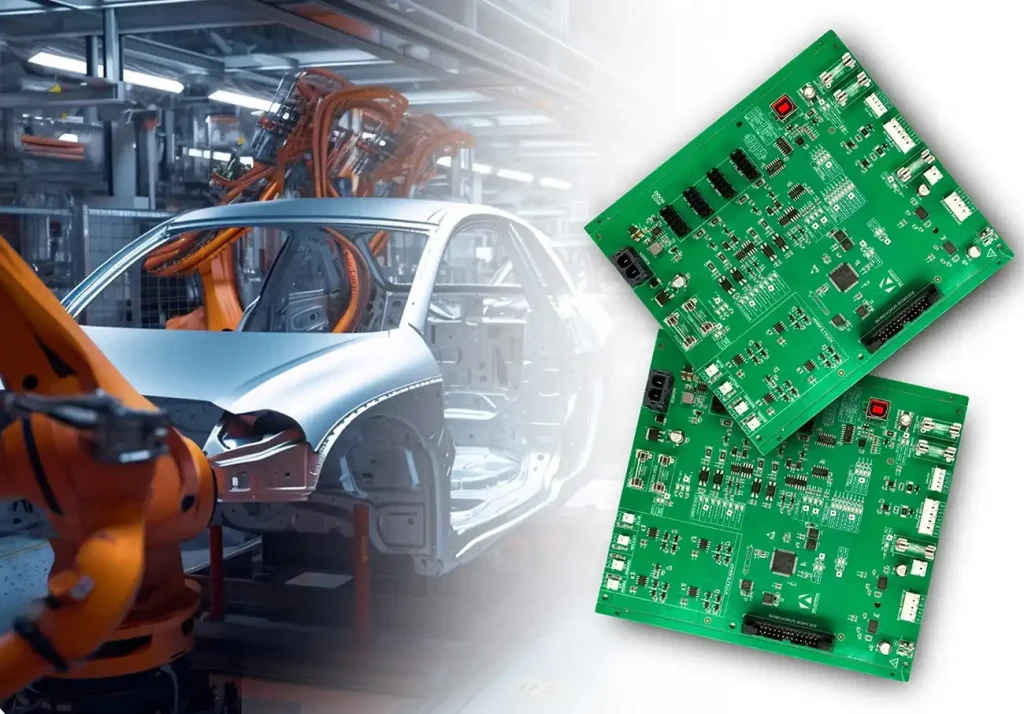
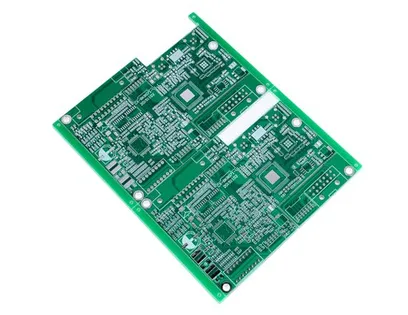
AIVON automotive electronics PCBs are designed for demanding vehicle environments. They withstand extreme temperatures, vibration, and harsh conditions, supporting ECUs, ADAS, infotainment, and EV modules. Featuring multilayer, rigid-flex, and high-frequency designs, AIVON PCBs meet IATF 16949 standards for safe and reliable automotive performance.

Get Online Quote

Demands for PCBs in Automotive Electronics
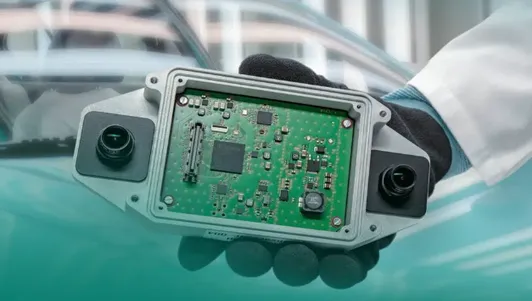
High Reliability under Harsh Conditions

High Reliability under Harsh Conditions

  • Automotive PCBs must perform reliably under extreme temperatures, vibrations, and humidity. From engine control units (ECUs) to advanced driver-assistance systems (ADAS), these boards are exposed to continuous mechanical and environmental stress. Designers must use robust materials, reinforced solder joints, and protective coatings to prevent failure. Ensuring long-term stability is essential to maintain vehicle safety, system accuracy, and overall durability throughout the product lifecycle.
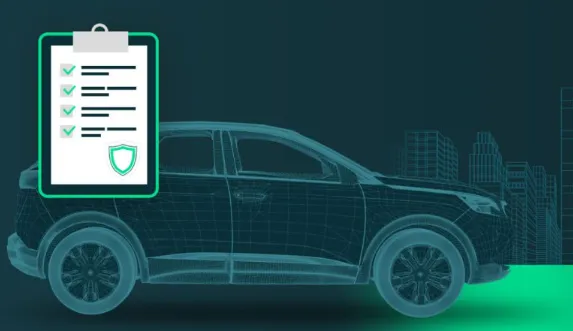
Compliance with Automotive Standards

Compliance with Automotive Standards

  • Automotive PCBs must meet stringent industry standards such as ISO 26262 for functional safety and AEC-Q100 for component reliability. These standards define strict requirements for design, testing, and manufacturing processes. Compliance ensures that PCBs can operate safely in critical automotive systems. It also helps manufacturers achieve regulatory approval, improve product consistency, and build trust in high-performance automotive electronics applications.
Case Studies

Advanced Driver Assistance System (ADAS)

Advanced Driver Assistance System (ADAS)

For an ADAS module, AIVON developed HDI PCBs with controlled impedance and high-speed signal routing to support radar and camera data processing. The design achieved excellent EMI shielding and consistent signal transmission in safety-critical environments.

Infotainment and Dashboard Display

Infotainment and Dashboard Display

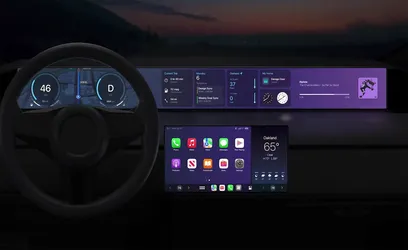
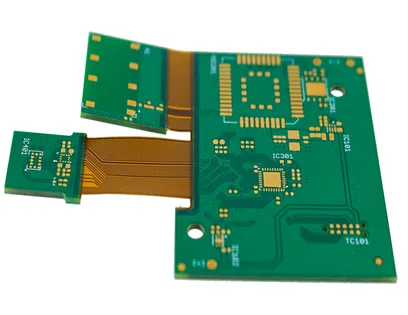
AIVON provided rigid-flex PCBs for infotainment systems and digital dashboards. The flexible sections reduced interconnect space, while the rigid areas maintained structural stability for processors, touch panels, and display drivers.

Electric Vehicle (EV) Battery Management

Electric Vehicle (EV) Battery Management

AIVON delivered multilayer and high-current PCBs for battery management systems (BMS). These boards ensured precise voltage monitoring, temperature control, and communication between cells for enhanced battery safety and efficiency.

Why Choose AIVON for Automotive Electronics PCBs

Cost-Efficient Production for Automotive Scale

Cost-Efficient Production for Automotive Scale

Producing automotive PCBs at scale demands efficiency without compromising quality. AIVON optimizes production workflows, material sourcing, and design-for-manufacturability (DFM) processes to control costs while maintaining high reliability. This allows automotive manufacturers to meet budget targets, reduce redesign cycles, and accelerate time-to-market for new vehicle electronics.

Get Online Quote
End-to-End Support from Prototype to Mass Production

End-to-End Support from Prototype to Mass Production

From prototyping and small-batch production to large-scale manufacturing, AIVON provides full-service PCB solutions for automotive electronics. Our integrated approach streamlines development, reduces risk, and ensures that every PCB meets the reliability and performance expectations of today’s automotive industry.

Know More about PCBA

Featured Products

FAQs of Automotive Electronics PCBs

Q1: Are AIVON automotive PCBs compliant with industry standards?

  • A1: Yes. AIVON manufactures PCBs under IATF 16949, ISO 9001, RoHS, and UL certifications to ensure full compliance with global automotive quality requirements.

Q2: What materials are used for automotive-grade PCBs?

  • A2: AIVON uses high-TG FR4, polyimide, and aluminum substrates for superior heat resistance, along with Rogers or other high-frequency laminates for radar and ADAS systems.

Q3: Can AIVON manufacture PCBs for high-current applications like EVs?

  • A4:Proper PCB layout, thermal management, and component placement ensure reliable signal transmission, reduce electrical interference, and prevent overheating. These factors directly impact the performance of critical automotive systems such as braking, steering, and driver assistance technologies.

Q4: How does PCB design affect automotive safety and performance?

  • A4: AIVON uses high-TG FR4, polyimide, and aluminum substrates for superior heat resistance, along with Rogers or other high-frequency laminates for radar and ADAS systems.

Q5: How long is the typical lifespan of an automotive PCB?

  • A5: High-quality automotive PCBs can last 10–15 years or more, depending on operating conditions and usage. Proper material selection, thermal management, and compliance with automotive standards ensure long-term reliability throughout a vehicle’s life.

Automotive Electronics PCB Insights

Other Industries We Serve

Get in Touch

Send Message

2026 AIVON.COM All Rights Reserved
Intellectual Property Rights | Terms of Service | Privacy Policy | Refund Policy