
Help
  • FAQ
    browse most common questions
  • Live Chat
    talk with our online service
  • Email
    contact your dedicated sales:
0

PCB Solution for Consumer Electronics

AIVON's consumer electronics PCBs are precision-engineered for smartphones, tablets, laptops, and smart home devices. Using HDI design, fine-line etching, and multilayer fabrication, they deliver compact layouts, high-speed signal transmission, and strong reliability while meeting international quality and environmental standards.

Get Online Quote

Demands for PCBs in Consumer Electronics
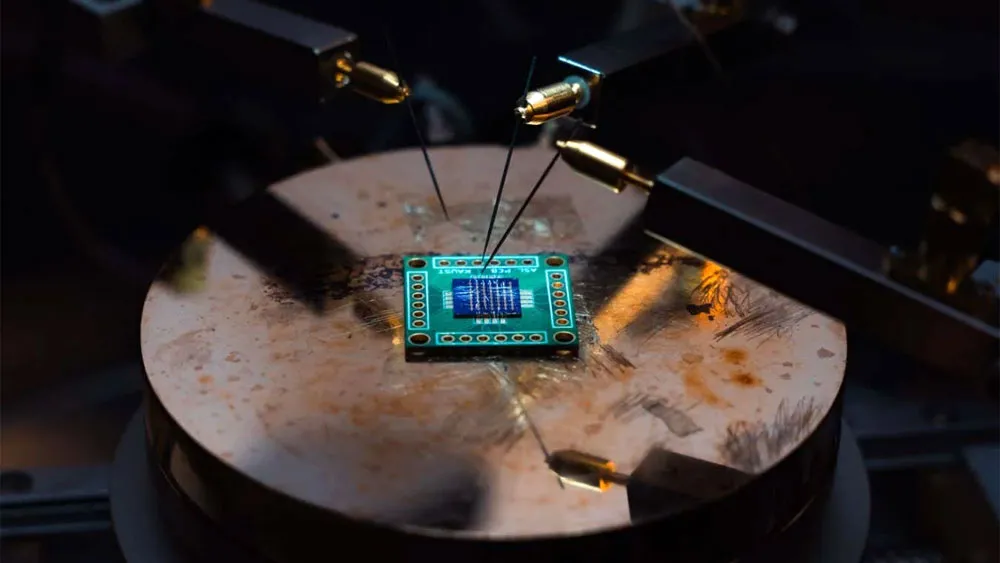
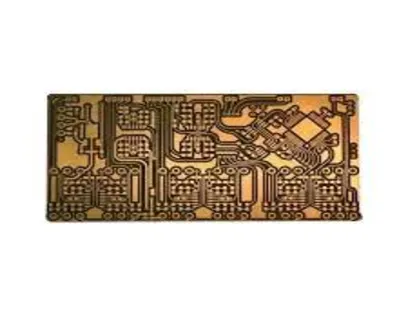
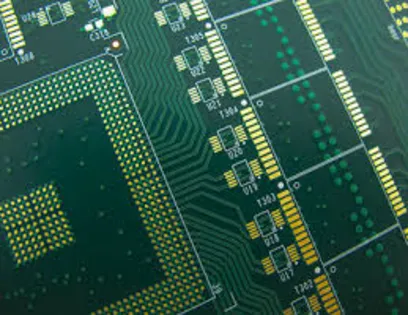
High-Density and Compact Designs

High-Density and Compact Designs

  • Modern devices like smartphones, wearables, tablets, and smart home gadgets need PCBs that pack more functionality into smaller spaces. Multi-layer boards, fine-pitch components, and optimized routing allow for compact yet high-performance designs. Miniaturization also enables innovative form factors and lightweight devices that consumers prefer.
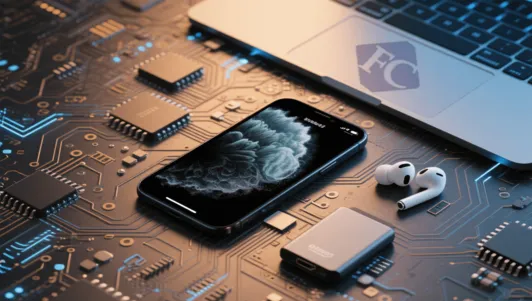
Cost-Effective Manufacturing and Reliability

Cost-Effective Manufacturing and Reliability

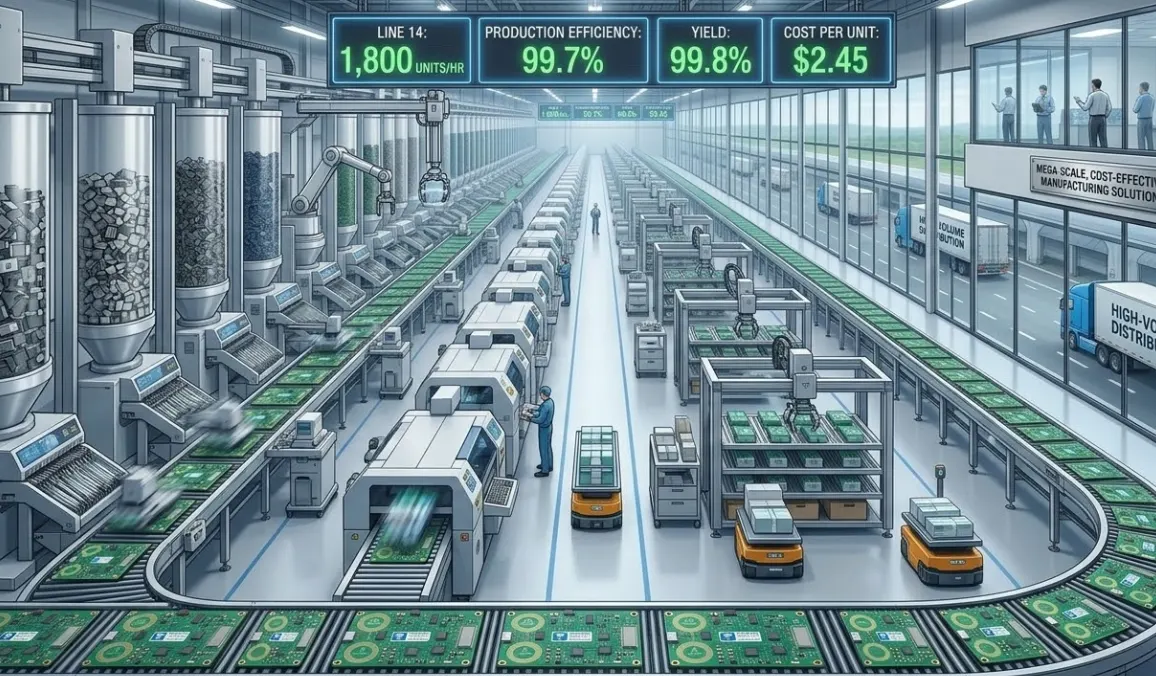
  • Consumer electronics are produced at scale, making cost-efficiency essential. PCBs must balance affordability with reliability. Manufacturers use automated assembly, standardized materials, and rigorous testing to ensure consistent performance and reduce the risk of defects across millions of units.
Case Studies

Smartphone

Smartphone

AIVON provided a 10-layer HDI PCB for a global smartphone brand, featuring fine-line circuitry, blind and buried vias, and high-speed signal routing. The board was optimized for compact design and thermal management, ensuring stable performance even under heavy processing loads.

Smartwatch

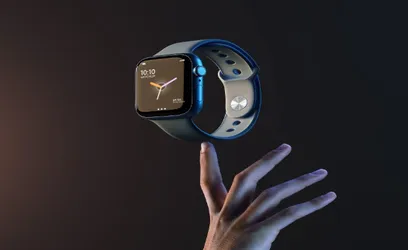
Smartwatch

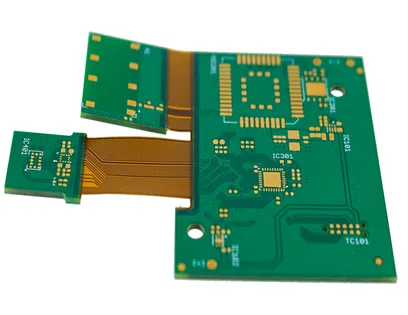
For a leading wearable device manufacturer, AIVON designed ultra-thin flexible PCBs made from high-quality polyimide film. The boards offered excellent bending endurance and lightweight construction, allowing integration into curved smartwatch housings without signal loss or mechanical stress.

Gaming Console

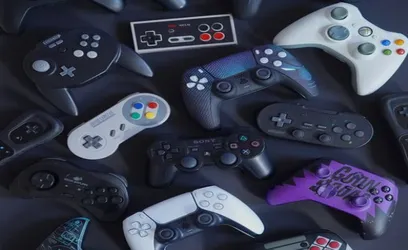
Gaming Console

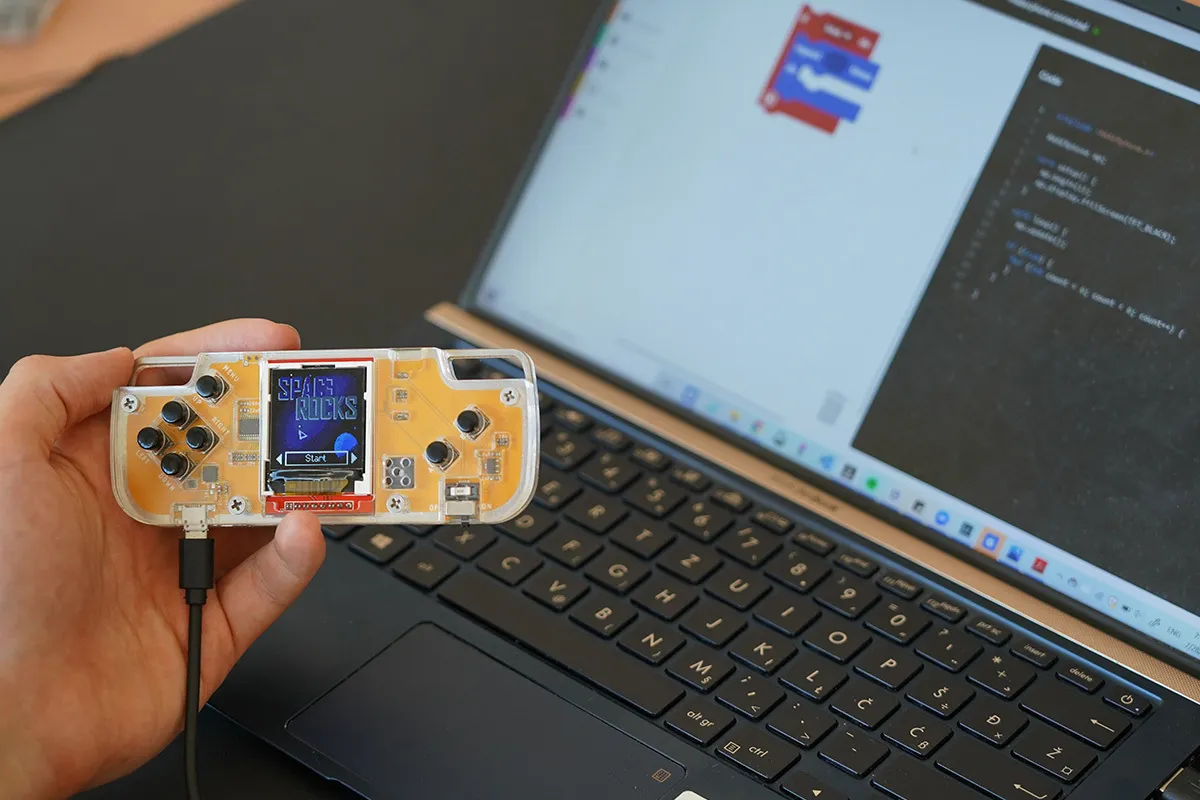
AIVON engineered an advanced 12-layer HDI PCB for a next-generation gaming console, integrating high-speed GPU, CPU, and memory interfaces. The design featured precise impedance control, optimized signal integrity, and enhanced thermal management to support stable performance during intensive gaming sessions.

Why Choose AIVON for Consumer Electronics PCBs

Cost-Effective Production for High-Volume Markets

Cost-Effective Production for High-Volume Markets

Consumer electronics products often require large production volumes while maintaining strict cost targets. AIVON helps manufacturers achieve competitive pricing through efficient supply chain management, optimized production processes, and scalable manufacturing capabilities. By combining automation with careful cost control at every stage—from prototyping to mass production—AIVON enables brands to launch products faster while keeping overall PCB costs manageable.

Get Online Quote
Reliable Quality for Fast-Moving Consumer Products

Reliable Quality for Fast-Moving Consumer Products

Although consumer electronics move quickly from design to market, reliability and consistent quality remain essential. AIVON follows strict quality control procedures and industry manufacturing standards to ensure stable PCB performance across high-volume production runs. Comprehensive inspection and testing processes help reduce defects, ensuring that every PCB meets the reliability expectations of global consumer electronics brands.

Know More about PCBA

Featured Products

FAQs of Consumer Electronics PCBs

Q1: What materials are suitable for consumer electronics PCBs?

  • A1: FR4 is the most widely used base material due to its balance of cost, strength, and electrical insulation. For high-frequency or heat-sensitive applications, AIVON also offers advanced materials such as Rogers, polyimide, and aluminum substrates.

Q2: What are the common manufacturing challenges for consumer electronics PCBs?

  • A2: The main manufacturing challenges for consumer electronics PCBs stem from the demand for miniaturization and high-volume production. This requires reliable handling of High-Density Interconnect (HDI) features like fine traces and micro-vias, alongside precise assembly of tightly packed Surface Mount Technology (SMT) components, which are highly susceptible to solder defects and warpage. Overall success depends on rigorous Design for Manufacturability (DFM) and careful control of the material properties to maintain signal integrity and manage heat dissipation.

Q3: Why are HDI PCBs necessary for modern consumer electronics?

  • A3: HDI PCBs are necessary because they allow designers to fit a high level of complexity and functionality into extremely small form factors (like a smartphone or smartwatch) without sacrificing performance. The use of micro-vias and finer traces effectively replaces the function of many layers on a standard PCB, leading to a lighter, smaller, and more powerful product with shorter signal paths for better high-speed performance.

Q4: What design factors affect consumer electronics PCB performance?

  • A4: Key design factors include signal integrity, power distribution, thermal management, component placement, and electromagnetic interference (EMI) control. Careful attention to these factors helps ensure stable performance, especially in devices that handle high-speed data or operate continuously.

Q5: What trends are shaping consumer electronics PCB design?

  • A5: Current trends include miniaturization, flexible and rigid-flex PCBs, HDI boards, IoT-enabled devices, and high-speed signaling for 5G and AI applications. Manufacturers increasingly rely on advanced PCB design to meet consumer demands for compact, reliable, and high-performance products.

Consumer Electronics PCB Insights

Other Industries We Serve

Get in Touch

Send Message

2026 AIVON.COM All Rights Reserved
Intellectual Property Rights | Terms of Service | Privacy Policy | Refund Policy