


Help
  • FAQ
    browse most common questions
  • Live Chat
    talk with our online service
  • Email
    contact your dedicated sales:
0

PCB Solution for Telecommunication

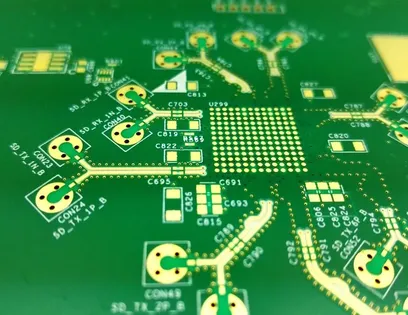
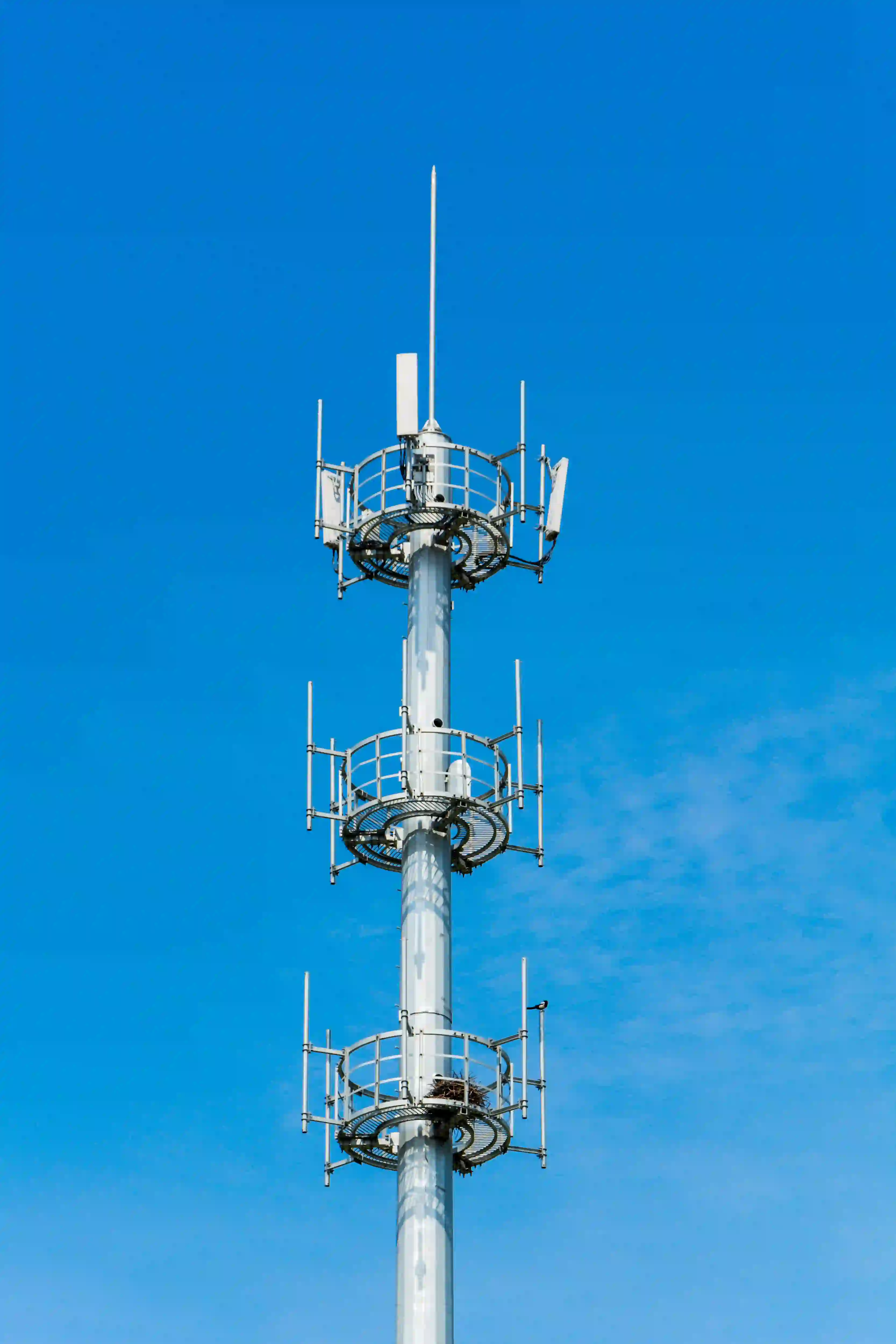
AIVON telecommunication PCBs are high-performance boards designed for fast and stable signal transmission. Used in base stations, routers, satellite systems, and 5G infrastructure, they feature advanced materials and precision manufacturing to ensure low signal loss, accurate impedance control, and reliable high-frequency performance.

Get Online Quote

Demands for PCBs in Telecommunication
High-Speed Signal Transmission

High-Speed Signal Transmission

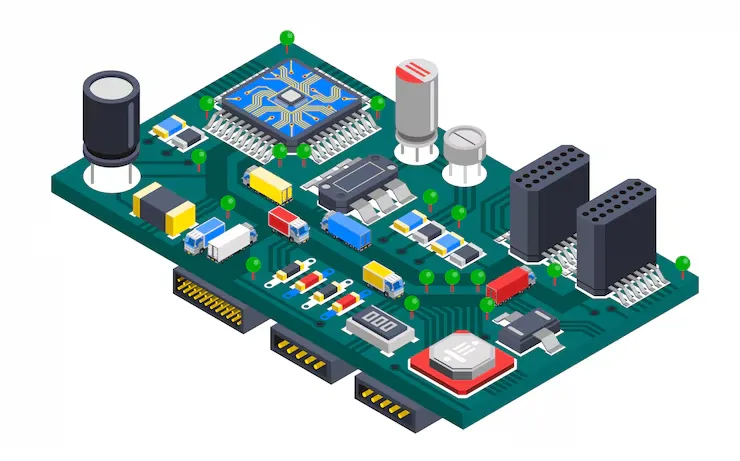
  • Telecom PCBs must support high-frequency signals with minimal loss or distortion. As modern communication systems handle large volumes of data, maintaining signal integrity becomes critical. Designers rely on controlled impedance, low-loss dielectric materials, and precise trace routing to reduce attenuation and crosstalk. These practices ensure stable and efficient data transmission across routers, switches, and base stations, especially in high-speed and 5G network environments.
Scalability and Modular Design

Scalability and Modular Design

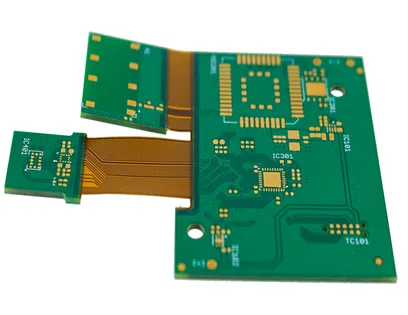
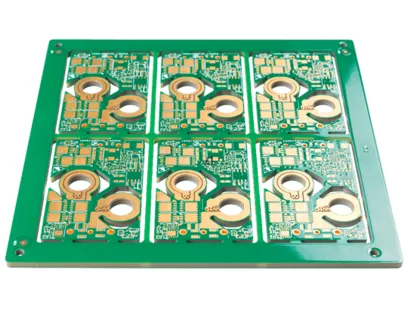
  • Telecom systems evolve rapidly, requiring PCBs that can be easily upgraded or expanded. Modular PCB design enables flexible system architecture, allowing engineers to integrate new technologies such as 5G, IoT, or future communication modules without major redesigns. This approach reduces development time, lowers costs, and ensures that telecom infrastructure can adapt quickly to changing performance demands and technological advancements.
Case Studies

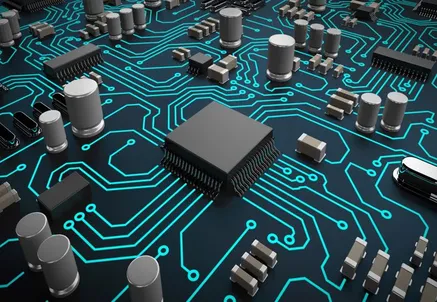
5G Base Station Control Board

5G Base Station Control Board

AIVON supplied a 10-layer high-frequency PCB using Rogers + FR4 hybrid material, designed for low signal loss and stable impedance in 5G base station systems. The optimized layer stackup and precise drilling ensured superior RF performance under high data transmission rates.

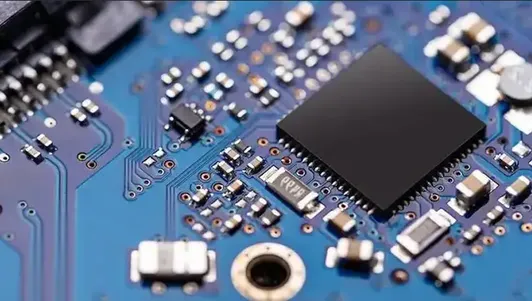
Network Router

Network Router

AIVON delivered turnkey PCB assembly for network routers. With fine-pitch BGA mounting, automated optical inspection (AOI), and X-ray verification, the final boards achieved exceptional reliability and signal integrity for 24/7 operation.

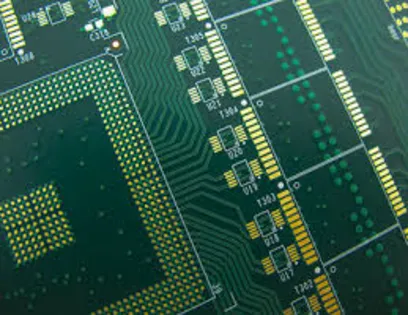
Optical Fiber Communication Module

Optical Fiber Communication Module

AIVON produced high-density interconnect (HDI) PCBs for optical modules, integrating microvia technology and ENIG surface finish. This solution minimized insertion loss and enhanced conductivity, enabling faster and more stable data transmission across long-distance networks.

Why Choose AIVON for Telecommunication PCBs

Cost-Efficient Manufacturing for Large-Scale Deployment

Cost-Efficient Manufacturing for Large-Scale Deployment

Telecommunication projects often involve high-volume production with tight cost constraints. AIVON combines efficient material sourcing, automated workflows, and design-for-manufacturability (DFM) reviews to optimize production costs without compromising quality, helping telecom manufacturers deploy infrastructure efficiently.

Get Online Quote
High-Performance PCBs for Reliable Communication

High-Performance PCBs for Reliable Communication

Telecommunication PCBs demand high-speed signal transmission, minimal interference, and stable operation under continuous use. AIVON specializes in producing PCBs that maintain signal integrity and low noise levels for applications such as 5G infrastructure, network switches, routers, and base stations, ensuring reliable and uninterrupted communication performance.

Know More about PCBA

Featured Products

FAQs of Telecommunication PCBs

Q1: What materials are commonly used for telecommunication PCBs?

  • A1: Telecommunication PCBs often use high-frequency materials such as Rogers, Taconic, or PTFE combined with FR4. These materials provide low dielectric loss and stable signal transmission for high-speed communication systems.

Q2: What types of telecommunication devices use PCBs?

  • A2: Common applications include 5G base stations, network routers, switches, optical transceivers, RF amplifiers, and satellite communication equipment.

Q3: What surface finishes are suitable for telecommunication PCBs?

  • A3: ENIG, immersion silver, and OSP finishes are commonly recommended for telecom boards due to their excellent conductivity and oxidation resistance.

Q4: Why is signal integrity important in telecommunication PCBs?

  • A4: Signal integrity ensures that high-frequency data is transmitted accurately without distortion or loss. Poor PCB design can cause reflections, crosstalk, and EMI, leading to network errors and performance degradation. Proper layout, impedance control, and shielding are critical for reliable telecom operation.

Q5: What design factors affect thermal performance in telecom PCBs?

  • A5: High-speed telecom devices generate heat, which can affect performance and reliability. Proper copper planes, thermal vias, heat sinks, and component placement help manage thermal loads, ensuring stable operation in base stations, routers, and other telecom equipment.

Telecommunication PCB Insights

Other Industries We Serve

Get in Touch

Send Message

2026 AIVON.COM All Rights Reserved
Intellectual Property Rights | Terms of Service | Privacy Policy | Refund Policy