What Exactly Are Bio-Based Flexible PCBs?
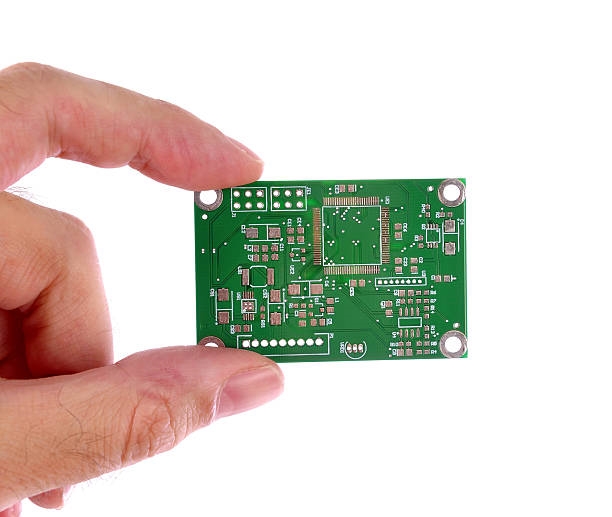
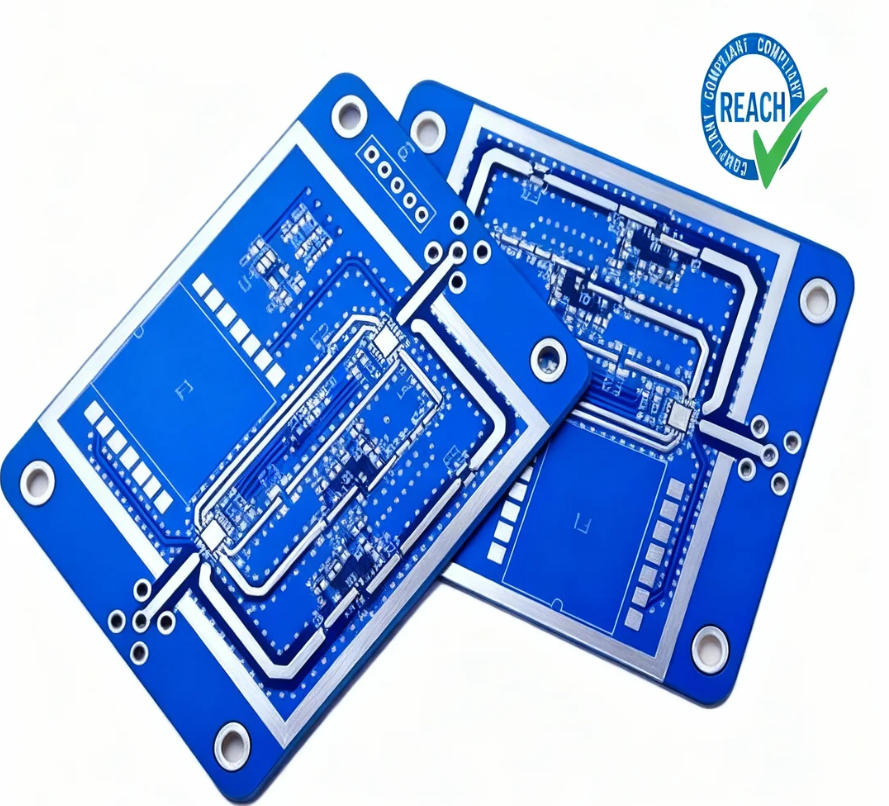
Bio-based flexible printed circuit boards represent a significant leap towards environmentally conscious electronics. Unlike traditional PCBs, which often rely on petroleum-derived plastics, these innovative circuits are crafted from natural, renewable resources. Their core design principle centers on biodegradability or compostability, ensuring that they naturally break down over time without leaving behind harmful pollutants. This approach directly contrasts with conventional materials such as polyimide or polyester, major contributors to electronic waste.
These cutting-edge materials encompass a variety of plant-sourced substances, including specialized bio-polymers and cellulose composites. They are meticulously engineered to offer the essential flexibility and durability demanded by modern electronic devices, all while upholding eco-friendly standards. For product developers and engineers, opting for bio-based flexible PCBs provides a pathway to developing sustainable products without compromising vital performance characteristics.
Why Are Sustainable Electronics Increasingly Important?
Addressing the Global E-Waste Crisis
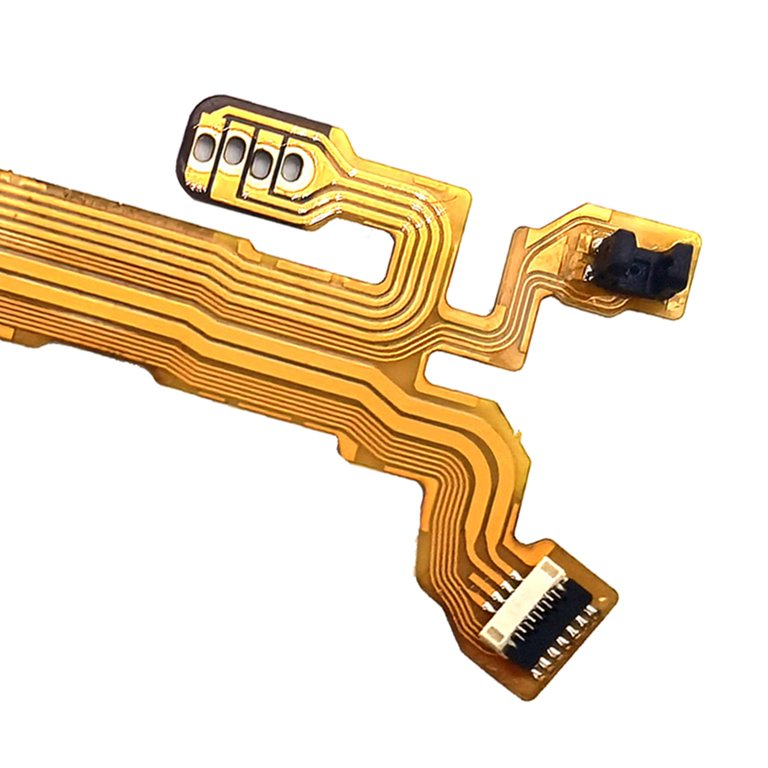
The electronics sector is a major generator of electronic waste, or e-waste, with millions of tons accumulated annually. A 2020 United Nations report highlighted a staggering 53.6 million metric tons of e-waste globally, with a dishearteningly low 17.4% being properly recycled. Flexible PCBs, commonly found in a wide array of products from wearables to medical devices and consumer electronics, contribute significantly to this issue due to their non-biodegradable components.
Cultivating a Greener Future
Bio-based flexible PCB materials offer a crucial remedy by providing substrates that naturally decompose. By integrating these sustainable options into circuit board manufacturing, companies can drastically reduce landfill volumes, shrink their carbon footprint, and align with the growing consumer demand for environmentally responsible goods. This shift transcends mere trendiness; it is a fundamental requirement for the planet's ecological well-being and the future of technology.
What Advantages Do Bio-Based Flexible PCBs Offer?
Transitioning to bio-based materials for flexible circuit boards brings forth a multitude of advantages, positioning them as a transformative development within the industry.
Minimizing Environmental Footprint
Materials used in bio-based flexible PCBs are typically compostable or biodegradable, meaning they disintegrate into innocuous components once their operational life concludes. For example, substrates derived from polylactic acid (PLA), a bio-polymer sourced from corn starch, can decompose within industrial composting facilities in mere months. This dramatically lessens the long-term ecological burden compared to conventional materials that persist for centuries.
Performance in Advanced Applications
A common query regarding eco-friendly flex PCB alternatives revolves around their capacity to match the performance of traditional materials. Recent advancements confirm that bio-based substrates can indeed achieve comparable mechanical and electrical properties. Certain bio-based composites, for instance, demonstrate tensile strength and thermal stability suitable for demanding applications like wearable sensors, where both flexibility and resilience are paramount. While precise impedance and signal speeds can vary by material, many bio-based options effectively support high-frequency signals, typically in the 1-5 GHz range, making them viable for contemporary devices.
Regulatory Compliance and Market Appeal
Around the globe, governments and organizations are enacting more stringent regulations concerning e-waste and sustainability. By embracing sustainable materials for flexible circuit boards, companies can proactively meet compliance standards and attract environmentally conscious consumers. This forward-thinking approach can also significantly bolster brand reputation and unlock novel market avenues.
Which Types of Bio-Based Materials Are Used in Flexible PCBs?
A range of bio-based materials are currently being researched and refined for use as biodegradable flexible PCB substrates. Here’s an overview of some of the most promising options influencing the current landscape.
Polylactic Acid (PLA) Composites
PLA, a widely adopted bio-polymer, is derived from renewable sources like corn or sugarcane. When combined with natural fibers such as flax, PLA composites can serve as effective flexible PCB substrates, offering respectable mechanical strength. Research indicates these materials can endure between 10,000 to 50,000 bending cycles without significant degradation, making them suitable for applications involving low-to-medium stress.
Cellulose-Based Options
Cellulose, sourced from wood pulp or cotton, presents another compelling material for compostable flexible PCBs. Its inherent flexibility and biodegradability position it as an excellent choice for sustainable electronics. Certain cellulose-based substrates have exhibited dielectric constants ranging from approximately 2.5 to 3.5, which aligns with values found in traditional flexible circuit materials.
Bio-Epoxy Resins
Crafted from plant-based oils, bio-epoxy resins provide a more robust alternative for eco-friendly flex PCB solutions. These materials boast superior thermal resistance, with glass transition temperatures (Tg) typically falling between 80°C and 120°C, enabling them to withstand moderate heat during operation or soldering processes.
While these materials are still evolving, they signify substantial progress toward sustainable electronics. Ongoing research is dedicated to refining their electrical characteristics, such as minimizing signal loss at higher frequencies, to satisfy the demands of cutting-edge applications.
What Are the Challenges in Adopting Bio-Based Flexible PCBs?
Despite their considerable potential, bio-based flexible PCB materials encounter several hurdles that must be overcome for widespread integration. Acknowledging these obstacles assists engineers and manufacturers in making well-informed choices.
Overcoming Performance Limitations
Though bio-based substrates have advanced considerably, they sometimes fall short in high-performance contexts. For example, their moisture absorption rates can be higher than conventional materials, potentially impacting electrical reliability. Signal integrity at frequencies above 10 GHz might also be a concern for certain specialized applications, although continuous advancements are steadily narrowing this performance gap.
Navigating Cost and Scalability
The production of bio-based materials at scale can often be more costly than traditional substrates, primarily due to developing supply chains and complex processing techniques. However, as demand grows and manufacturing processes become more refined, the overall cost of these PCBs is expected to decrease, making them more widely accessible.
Balancing Durability with Lifespan
Biodegradable flexible PCB substrates are designed to decompose over time, which naturally raises questions about their long-term durability. For applications demanding extended operational lifespans, such as industrial equipment, manufacturers must carefully weigh the balance between biodegradability and consistent operational reliability.
What Are the Latest Innovations in Sustainable Materials for Flex Circuit Boards?
The realm of sustainable electronics is progressing rapidly, with continuous developments making bio-based flexible PCBs increasingly practical for everyday use. Here are some notable innovations reflecting recent industry trends and ongoing research.
Flame-Retardant Bio-Composites
One exciting advancement involves the creation of flame-retarded bio-based composites for PCB substrates. These materials combine environmental advantages with enhanced safety features, directly addressing concerns about flammability in electronic devices. Studies have demonstrated that such composites can achieve UL-94 V-0 ratings, a crucial standard for flame resistance, all while maintaining their compostable properties.
Enhancing Performance with Natural Fibers
Another significant breakthrough is the integration of natural fibers, such as flax, into bio-based polymers. This method not only boosts mechanical strength but also contributes to a lower overall carbon footprint during production. Some of these materials have been successfully tested in flexible circuits for consumer electronics, showing impressive bending radii as low as 5 mm without cracking.
Harnessing Bio-Waste for Substrates
Additionally, researchers are actively exploring the use of bio-waste as a source for PCB substrates. For instance, agricultural byproducts are being transformed into viable materials for electronics, which further minimizes waste and supports the principles of a circular economy.
How Are Bio-Based Flexible PCBs Shaping the Future of Electronics?
The embrace of bio-based flexible PCBs is fundamentally transforming the electronics industry toward greater sustainability. As technology evolves, these materials are anticipated to play an increasingly central role across diverse sectors, from healthcare to automotive. Here’s how they are contributing to this future trajectory.
Powering Green Wearables and IoT Devices
Wearable technology and Internet of Things (IoT) devices frequently rely on flexible PCBs due to their compact and lightweight designs. Bio-based substrates are exceptionally well-suited for these applications, providing an eco-conscious option for products with shorter lifecycles that are often replaced.
Advancing Medical Technologies
In the medical sector, single-use electronics such as biosensors and diagnostic patches are becoming more prevalent. Compostable flexible PCBs made from bio-based materials ensure that these disposable devices do not contribute to long-term waste accumulation, aligning perfectly with healthcare sustainability objectives.
Lowering Manufacturing's Carbon Footprint
The production of bio-based materials generally requires less energy and results in fewer greenhouse gas emissions compared to petroleum-based alternatives. This reduction in carbon footprint represents a crucial stride toward achieving net-zero targets within electronics manufacturing.

What Are Practical Steps for Implementing Bio-Based Flexible PCBs?
For engineers and manufacturers considering the integration of bio-based flexible PCBs into their designs, here are actionable steps to initiate the process.
Begin by thoroughly evaluating the specific demands of your application, including operational temperature ranges, required frequency performance, and expected product lifespan. Match these requirements with the characteristics of available bio-based materials to ensure optimal compatibility.
Next, establish collaborations with material suppliers to secure high-quality biodegradable flexible PCB substrates. Request comprehensive datasheets to gain a full understanding of critical electrical properties, such as dielectric constant (typically 2.5-4.0 for bio-based options) and loss tangent, which directly influence signal integrity.
Finally, conduct rigorous testing under conditions that simulate real-world usage. This includes simulating bending cycles, thermal stress, and exposure to humidity to confirm that your chosen material consistently meets all performance benchmarks. It is advisable to commence with small-scale prototypes before scaling up to full production.
Embracing a Sustainable Future in Electronics
Bio-based flexible PCBs represent a groundbreaking development in sustainable electronics, offering a powerful pathway to diminish e-waste and champion environmental responsibility. Thanks to continuous advancements in biodegradable flexible PCB substrates, along with other eco-friendly alternatives and sustainable materials for flex circuit boards, the industry is unequivocally moving toward a greener tomorrow. While hurdles such as performance optimization and cost considerations persist, ongoing innovation is making these materials increasingly viable for a broad spectrum of applications.
AIVON is dedicated to supporting this critical transformation. By actively exploring and integrating bio-based flexible PCB materials, we can empower engineers and manufacturers to develop products that are both technologically advanced and environmentally conscious. Together, we can construct a sustainable future, one circuit board at a time.