What Is Edge Plating? The PCB Trick You’ve Probably Seen
WHAT THIS VIDEO COVERS
This video provides a clear explanation of PCB edge plating — a specialized technique where copper is plated along the edges of the board to electrically and mechanically connect the top and bottom layers. Often visible as a shiny metal “armor” around the perimeter, edge plating serves multiple critical functions beyond aesthetics.
It improves ground continuity, reduces electromagnetic interference (EMI), and prevents signal leakage near the board edges. Additionally, it enhances mechanical strength and aids in heat dissipation along the perimeter. The video highlights proper design considerations, routing rules, and the added manufacturing complexity involved.
Edge plating is particularly valuable in high-frequency PCB designs, RF antennas, connector-heavy boards, and applications requiring high reliability such as medical devices, aerospace, and industrial control systems.
The content emphasizes the importance of early discussion with your manufacturer, as edge plating affects PCB fabrication processes, plating specifications, and overall cost. Understanding this technique helps engineers make better decisions when balancing performance, reliability, and manufacturability.
KEY HIGHLIGHTS
- Edge Plating Function: Copper plating along board edges that electrically connects top and bottom layers while creating a continuous ground shield.
- Performance Benefits: Significantly reduces EMI, improves signal integrity near edges, and strengthens power/ground planes.
- Additional Advantages: Enhances mechanical durability and thermal dissipation, making it valuable for RF and high-reliability applications.
FAQ
Q1: When should you use edge plating on a PCB?
A1: Edge plating is recommended for RF and high-frequency designs, boards with connectors near edges, or applications sensitive to EMI. It’s also useful when extra mechanical strength or improved heat spreading is required.
Q2: Does edge plating increase PCB manufacturing cost?
A2: Yes. Edge plating adds process steps and requires precise control during fabrication and plating, increasing both cost and lead time. Always confirm capabilities with your manufacturer early in the design phase.
Q3: What are the main design challenges with PCB edge plating?
A3: Designers must carefully manage keep-out zones, routing clearance, and plating specifications. Poor implementation can cause plating voids, uneven coverage, or issues during lamination and drilling.
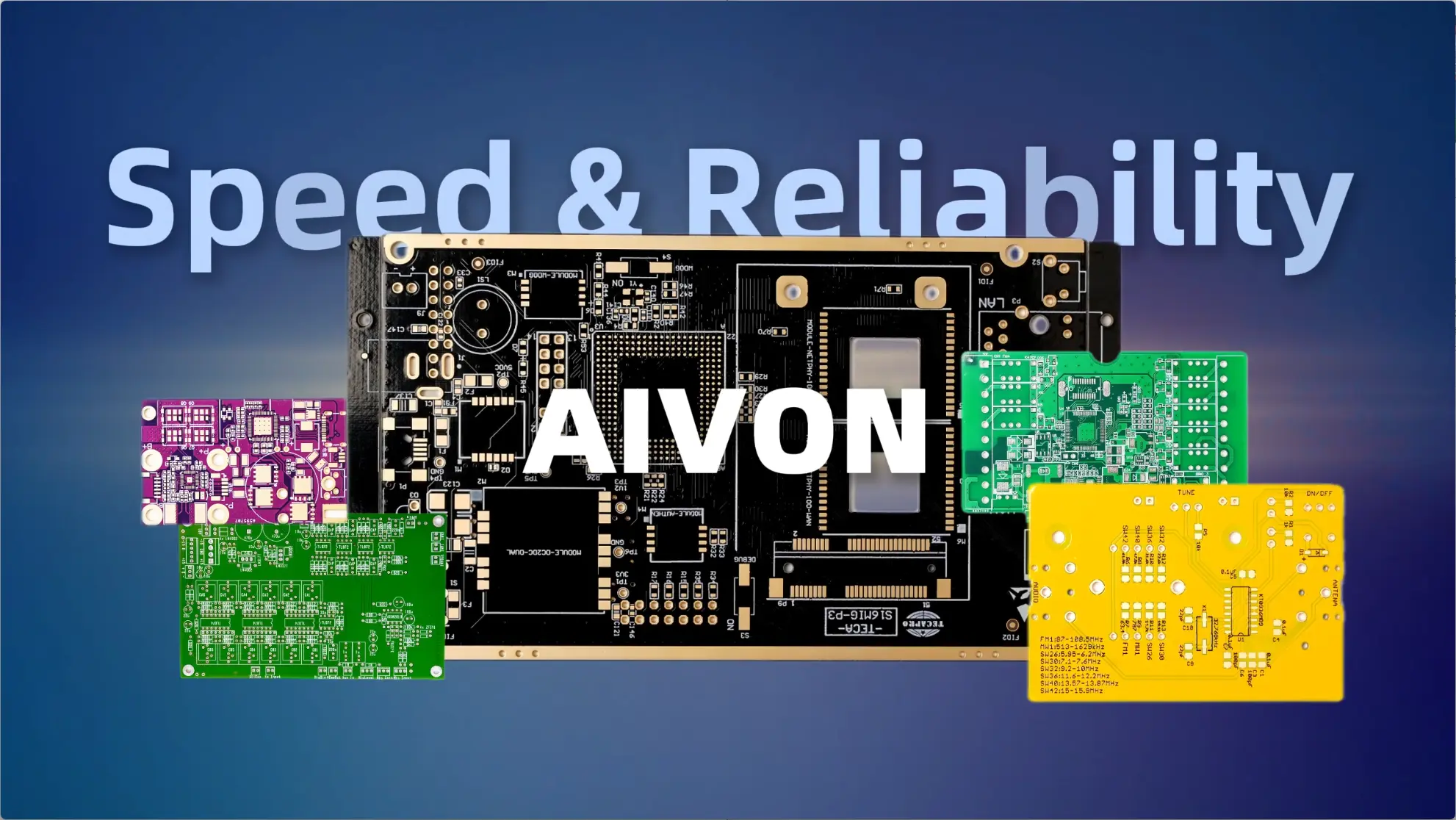
Ever seen a PCB with shiny metal wrapping around its edges?
That's not decoration — it's a clever design trick called edge plating.
Edge plating means copper is plated along the sides of the board,connecting the top and bottom layers — like giving your PCB a metal armor.
Without it, signals near the edge can leak noise,and the ground may lose continuity — causing EMI or instability.
With edge plating, the board gains more than just protection.
It helps block EMI, keeps signals clean, and strengthens the ground.
The metal frame also boosts mechanical strength and even improves heat dissipation along the edges.
Designers use it in RF boards, antennas, or connector zones,but it needs careful routing and plating precision.
Edge plating usually means a more complex process —so always confirm the requirements with your manufacturer first.
This is aivon, making pcb learning easier,hope this help,Comment below — and follow for more PCB tips!