Introduction
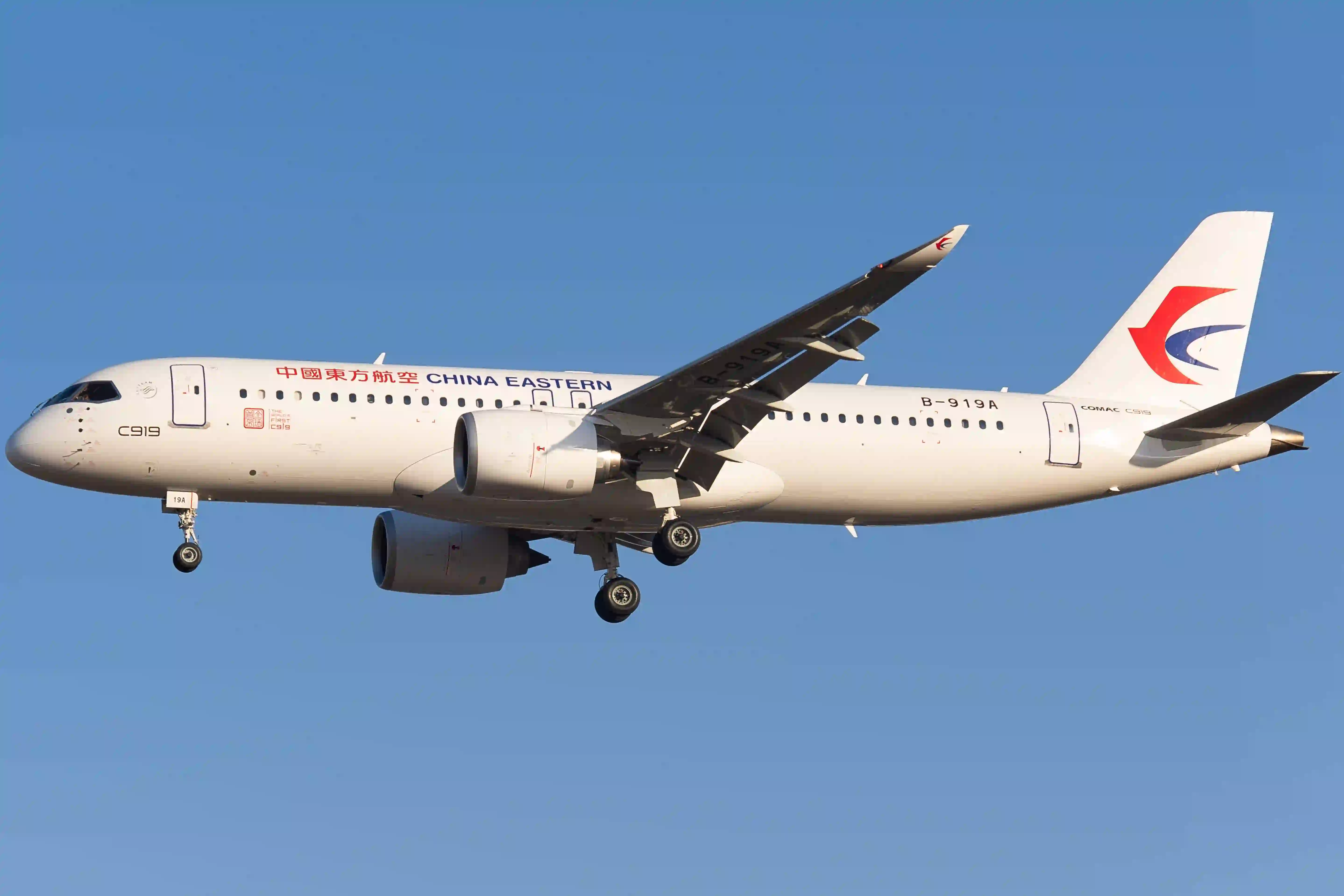
The COMAC C919 narrow-body airliner represents a major milestone in China's aerospace industry. On May 28, 2023, it entered commercial service on the Shanghai-Beijing route, offering a domestically developed alternative to established competitors like the Airbus A320neo and Boeing 737 MAX. For avionics engineers and PCB manufacturers, the C919 program highlights the complexities of systems integration, high-reliability electronics, and certification in large commercial aircraft.
Development Challenges of the C919 Program
Developing a large passenger aircraft is a complex systems engineering endeavor that tests a nation's technological, manufacturing, and management capabilities.
Talent and Workforce
The program required tens of thousands of specialists across design, manufacturing, flight testing, and support. COMAC grew from approximately 3,800 employees to nearly 10,000, recruiting extensively from aviation universities while addressing experience gaps in complex integration and flight testing.
Project Management
Launched in 2007 with COMAC formally established in 2008, the program demanded rigorous cost, schedule, and risk control. Over 600 integrated product development teams were established to manage the multidisciplinary effort effectively.
Technical and Manufacturing Challenges
The C919 comprises tens of thousands of precision parts. Key difficulties include airframe assembly with millions of drilled holes across diverse materials, deformation control of large thin-skinned structures, and extensive testing (static, fatigue, stall, icing, bird strike, lightning, etc.). Advanced materials such as third-generation aluminum-lithium alloys and composites (approximately 8.8% and 12% of structural weight) were adopted to reduce weight and improve efficiency.
Certification
Airworthiness certification is paramount. The C919 received Chinese CAAC type certification, with ongoing efforts toward broader international recognition (EASA/FAA). This process required robust airworthiness management systems and extensive validation.
C919 Technical Route and Systems Integration
The C919 adopts the internationally proven prime integrator + supplier model. COMAC retains overall design authority and systems integration responsibility while leveraging global and domestic suppliers.
Airframe Manufacturing
Major sections (nose, fuselage segments, wings, empennage) are designed by COMAC and manufactured by AVIC subsidiaries, with final assembly in Shanghai. This approach builds domestic manufacturing capability while ensuring quality.
Supplier Collaboration and Localization
Core systems - including engines (CFM LEAP-1C), avionics, flight controls, hydraulics, and landing gear - often involve international partners through joint ventures. This strategy accelerates technology transfer and increases localization over time, with parallel domestic developments (e.g., CJ-1000 engine) serving as future alternatives.
Technological Innovations in the C919
The program incorporates advancements in multiple domains:
Design and Aerodynamics
Slightly wider cabin, larger windows, electro-hydraulic actuation for improved redundancy, and optimized aerodynamics (e.g., four-panel windshield) enhance passenger comfort and fuel efficiency.
Materials and Manufacturing
Extensive use of composites and aluminum-lithium alloys, automated drilling/riveting, additive manufacturing for interiors, and lean production lines improve weight savings and assembly precision.
Avionics and Electronics
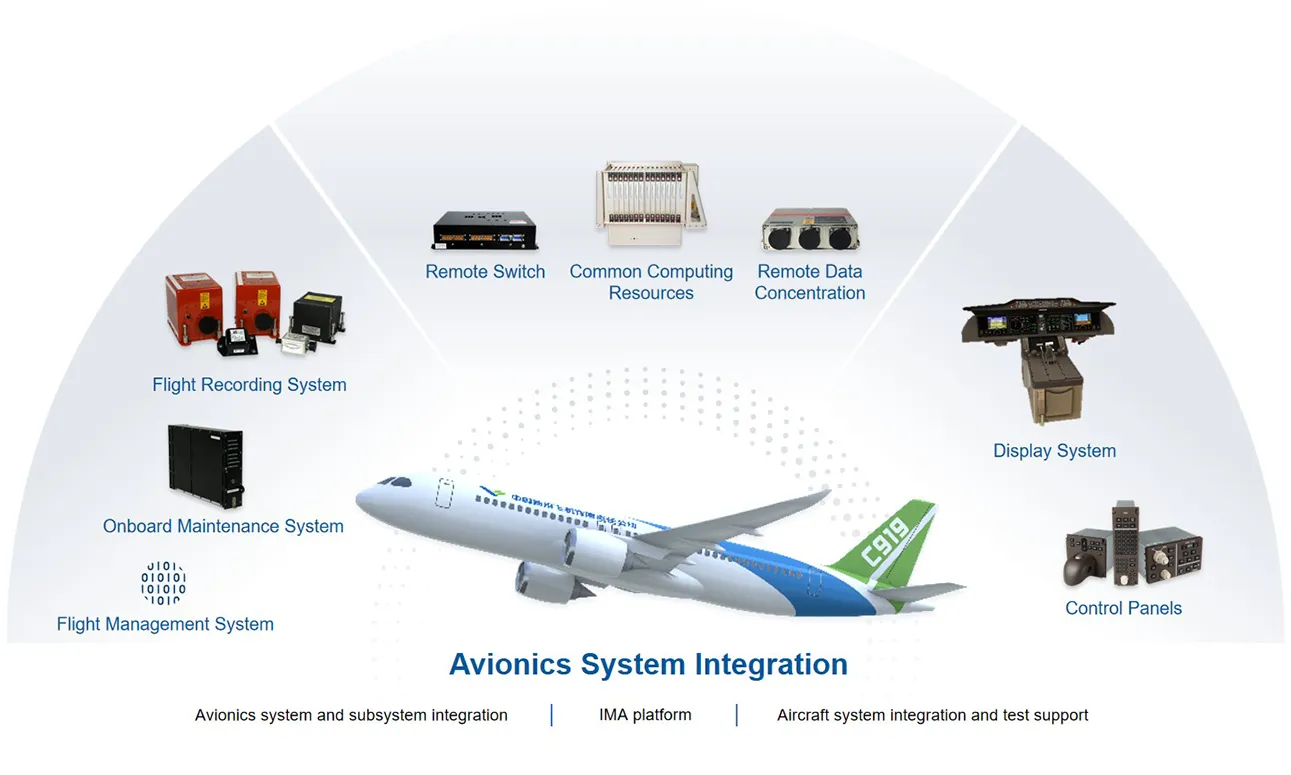
The aircraft features modern integrated modular avionics with Ethernet-based architecture, fly-by-wire controls, advanced displays, and comprehensive sensor suites. These systems demand high-reliability electronics capable of meeting stringent safety and certification requirements.
Testing and Validation
Extensive ground and flight test campaigns, including "iron bird," "electric bird," and integrated rigs, ensured system maturity before commercial service.
PCB Design and Electronics Manufacturing Considerations for Commercial Aircraft
Programs like the C919 place demanding requirements on avionics and electronics hardware:
- High-Reliability Avionics PCBs: Flight control, navigation, communication, and monitoring systems require multilayer boards with controlled impedance, redundant pathways, and robust thermal management to ensure continuous operation in harsh aerospace environments.
- Signal Integrity and EMI/EMC: High-speed data buses, Ethernet networks, and sensor interfaces necessitate careful layout, shielding, and grounding to maintain performance amid vibration, lightning, and electromagnetic interference.
- Materials and Environmental Protection: High-Tg laminates, conformal coatings, and corrosion-resistant finishes protect against temperature extremes, humidity, and vibration. Rigid-flex and flexible circuits support complex wiring in movable control surfaces and cabin systems.
- Power Distribution and Safety: Redundant power systems and electro-hydraulic actuation demand reliable power electronics, heavy copper layers, and precise thermal design.
- Supply Chain and Manufacturing: Collaboration between prime integrators and global/domestic suppliers requires consistent quality standards, traceability, and scalability from prototyping to series production.
- Testing and Certification: Rigorous environmental, vibration, and functional testing during PCB assembly is critical for airworthiness compliance.
Industry Trends and Future Outlook
The C919 strengthens China's position in the narrow-body market, with potential variants and contribution to wider programs like the C929. Continued localization of engines, avionics, and systems will reduce supply chain risks and enhance competitiveness. Future aircraft will demand even more advanced electronics, including greater connectivity, AI-assisted systems, and enhanced safety features.
Supporting Aerospace Electronics Through Advanced PCB Manufacturing
High-performance commercial aircraft like the C919 rely on sophisticated avionics and control systems. Expertise in high-reliability PCB fabrication, rigid-flex solutions, signal integrity, power electronics, and environmental protection enables manufacturers to meet the stringent demands of modern aerospace programs.
From integrated modular avionics to flight control and sensor networks, precision electronics manufacturing underpins the safety, efficiency, and reliability of next-generation airliners.
FAQs
Q1: What engine powers the C919?
A1: The C919 is powered by CFM International LEAP-1C turbofan engines, with the domestically developed CJ-1000 as a future alternative.
Q2: How does the C919 compare to the A320neo and 737 MAX?
A2: It offers a slightly wider cabin, modern aerodynamics, and competitive efficiency while following a similar narrow-body configuration for short- to medium-haul routes.
Q3: Why are avionics and PCB technologies critical in the C919 program?
A3: They ensure flight safety, systems redundancy, signal integrity, and compliance with rigorous airworthiness standards in a complex, high-vibration environment.