










Wearable Devices
Wearable devices represent a dynamic intersection of electronics engineering and everyday innovation, transforming how we interact with technology on a personal level. This category delves into the intricate world of designing, building, and optimizing PCBs tailored for wearables, from fitness trackers and smartwatches to advanced medical sensors. By focusing on compact, flexible, and power-efficient circuits, these devices enable seamless integration into clothing, accessories, and even skin-contact applications, pushing the boundaries of portability and functionality. Engineers and hobbyists alike will find valuable resources here, including detailed guides on selecting materials for flexible PCBs, tutorials on embedding sensors for real-time data collection, and insights into emerging trends like bio-compatible electronics. Best practices emphasize durability against environmental factors such as sweat, motion, and temperature variations, ensuring reliable performance in demanding scenarios. The practical value lies in empowering creators to develop solutions that enhance health monitoring, improve athletic performance, and facilitate IoT connectivity, all while adhering to stringent safety and efficiency standards. Real-world applications abound, ranging from consumer gadgets that track daily activity to professional tools in healthcare that monitor vital signs remotely. Articles in this category address technical challenges like miniaturization and battery life optimization, providing actionable knowledge for prototyping and scaling production. Readers can benefit from a comprehensive exploration of these topics, gaining the expertise needed to innovate in this rapidly evolving field and apply cutting-edge electronics to solve tangible problems.
Latest Blogs
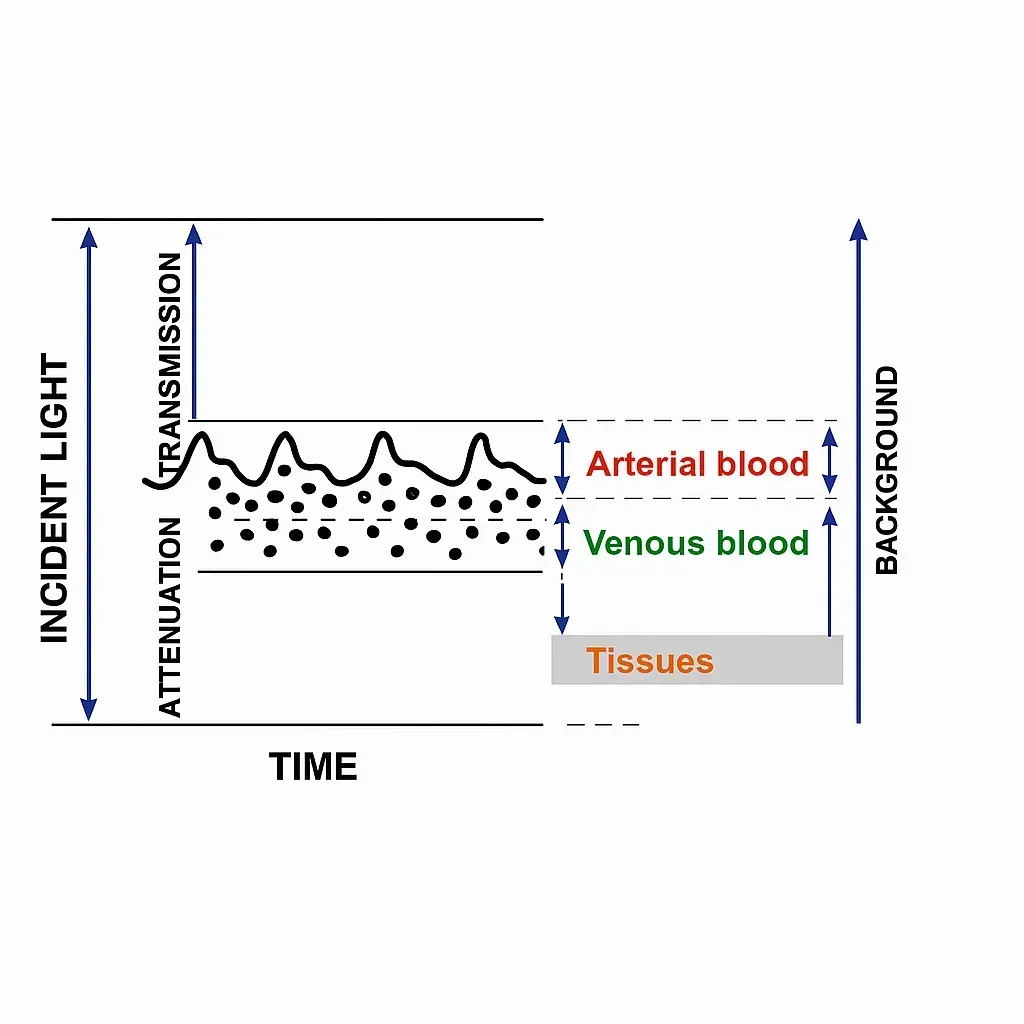
Smartwatch Heart Rate Methods and Trade-offs
Overview of pulse oximetry for heart rate recognition: dual-wavelength red/infrared photoplethysmography, finger/ear sensing sites, pulsatile signal extraction and LED noise
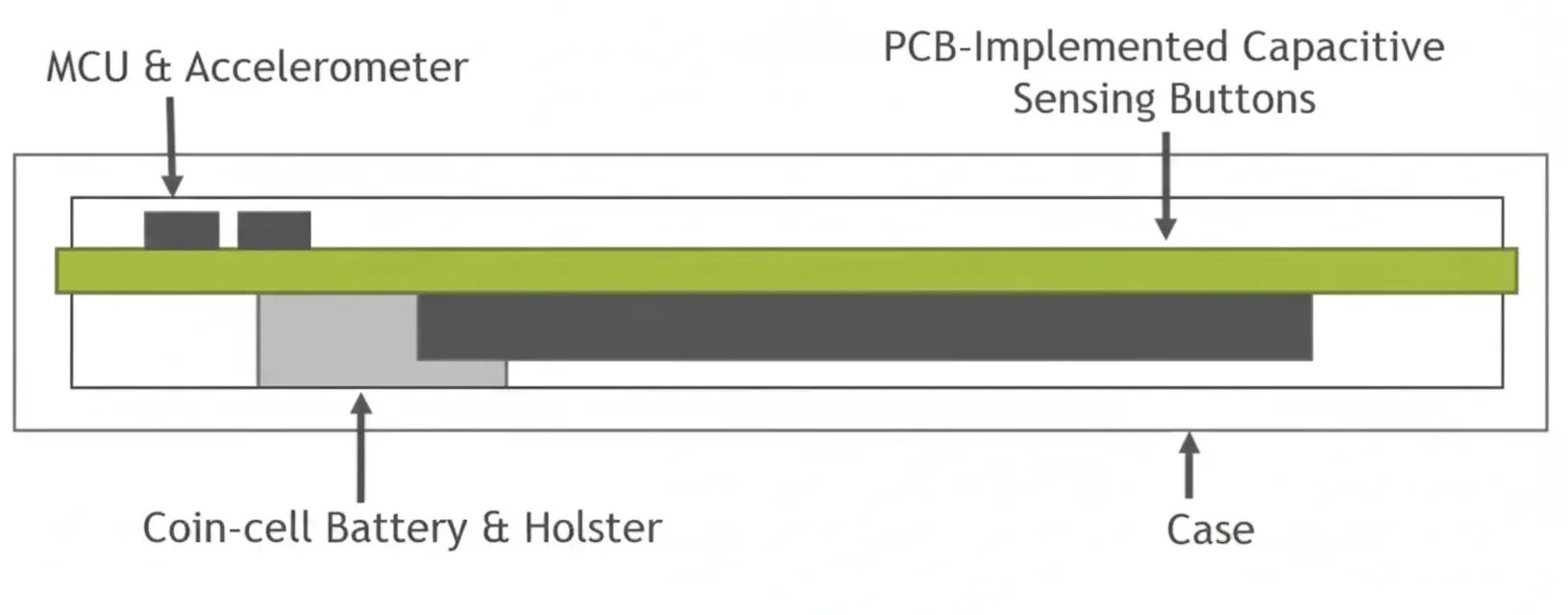
How chip-scale MCUs meet wearable size constraints
Designing a coin-cell wearable pedometer using WLCSP chip-scale packages: PCB layout, capacitive touch, accelerometer integration, EFM8SB1 MCU, and low-power strategies.
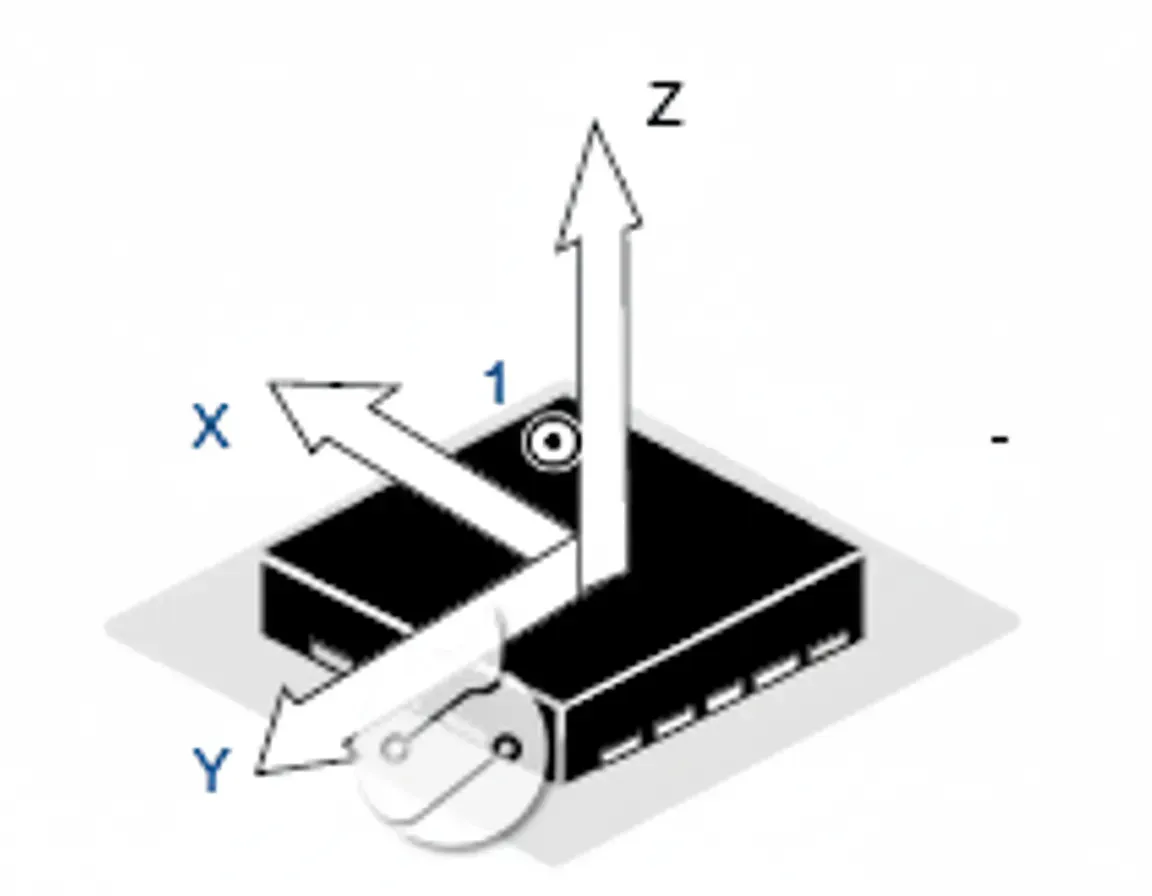
Accelerometer Principles and Applications
Technical analysis of three-axis accelerometer operation and applications, including ADC resolution, step counting, orientation recognition and free-fall detection.
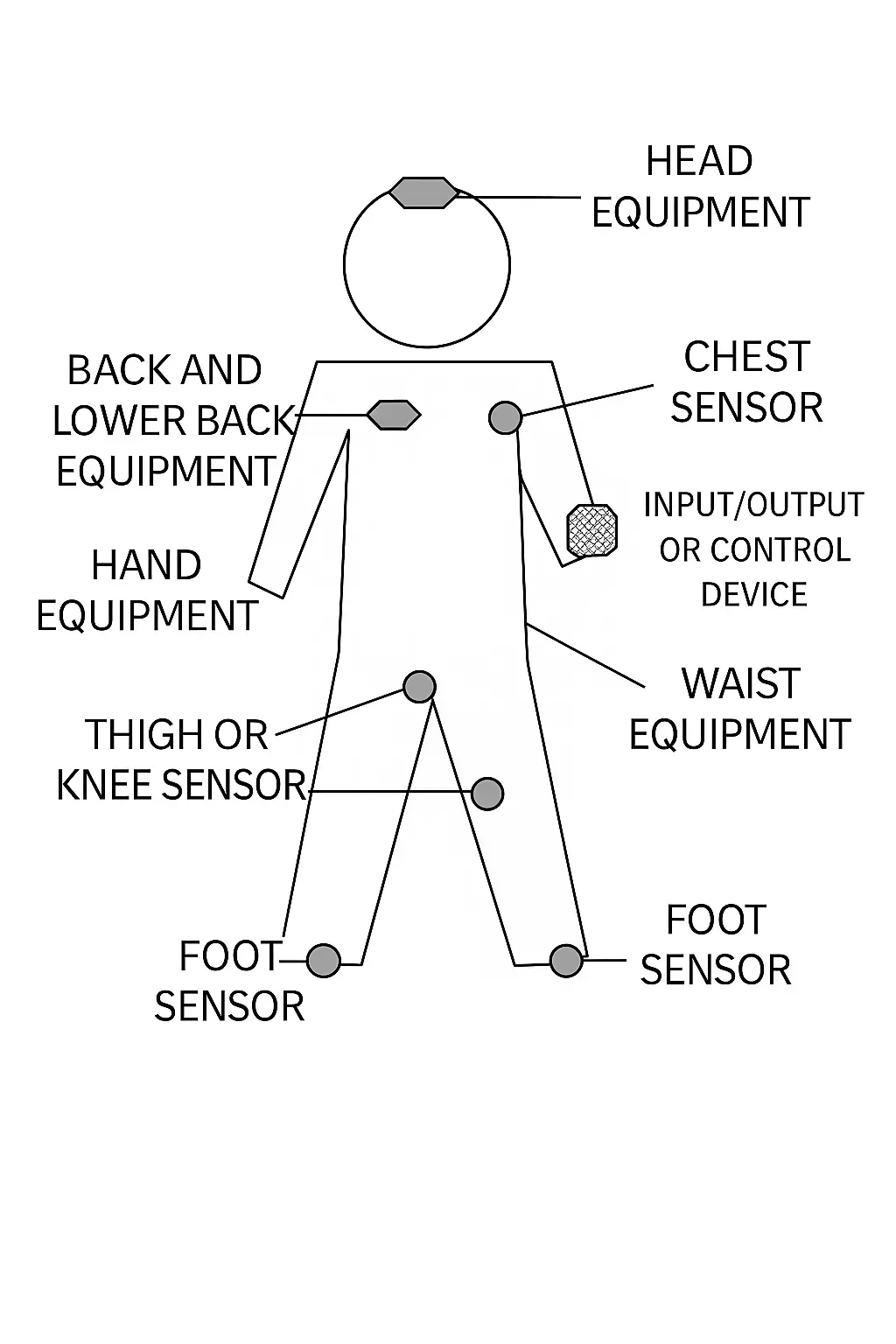
Wearable Wireless Network Technical Overview
Overview of wearable wireless networks: architecture, Bluetooth and ZigBee-based piconet models, device roles, core technologies (power, security, QoS) and application domains.
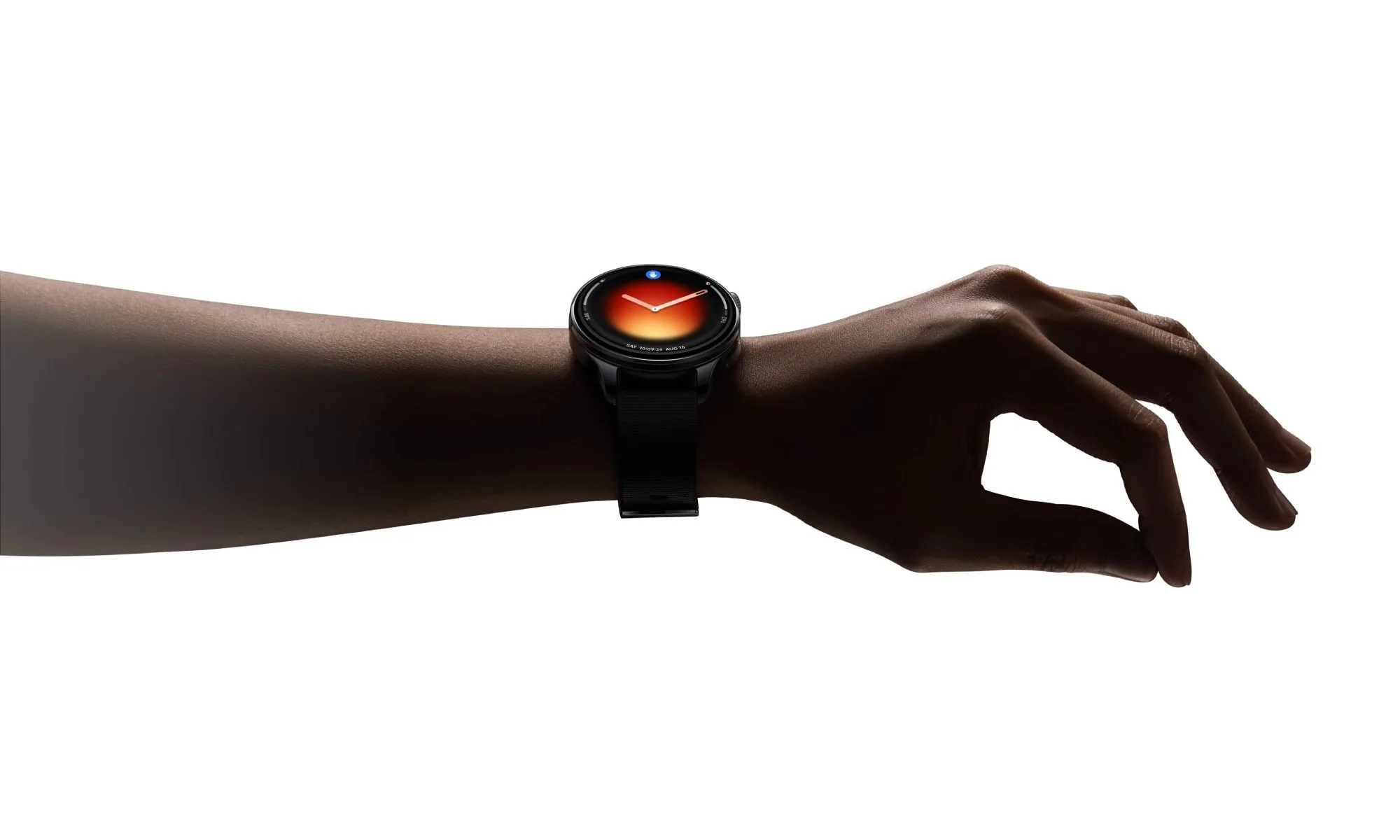
Inside Gesture-Controlled Smartwatches
Project Soli's integration of miniature radar into a smartwatch: chip miniaturization, power reduction, and machine-learning signal processing for gesture recognition.

Electronic Tattoos: Flexible Electronics and PCB Technologies for Next-Gen Wearables
Explore wearable electronic tattoos (e-tattoos) and their reliance on flexible circuits, advanced materials, and precision manufacturing. Learn about design challenges, biocompatibility, and how FPC and PCB technologies enable scalable production for medical, fitness, and industrial applications.
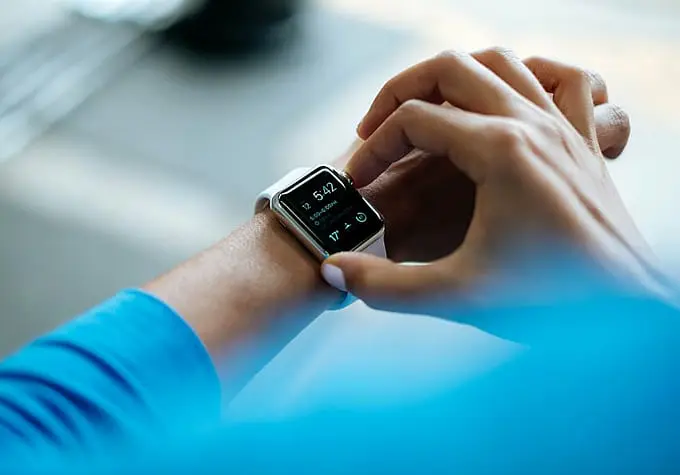
Smartwatch PCB Design: Engineering Considerations for Heart-Rate Sensing, Gesture Control, and Form-Factor Optimization
Learn how to choose the right smartwatch based on battery life, sensors, connectivity, and compatibility. Explore how wearable PCB design, HDI layouts, high-frequency PCB routing, RF performance, and power management influence smartwatch reliability and functionality.
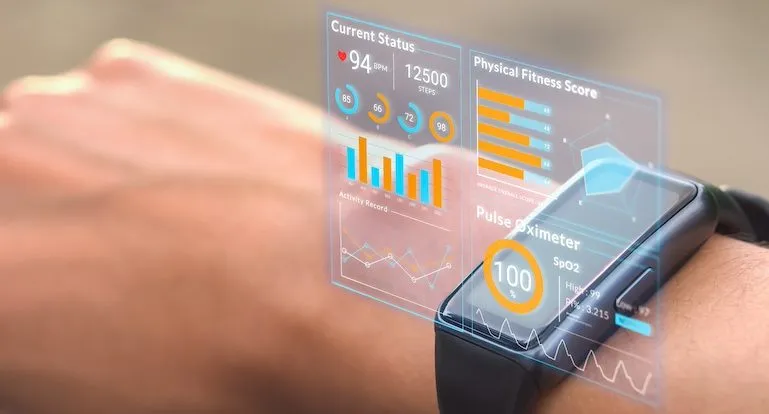
Wearable Medical Device Architectures and Design Challenges
Overview of wearable medical devices with focus on ultra-low-power design, size and ergonomics, sensor technology and connectivity for reliable, compact health monitoring.
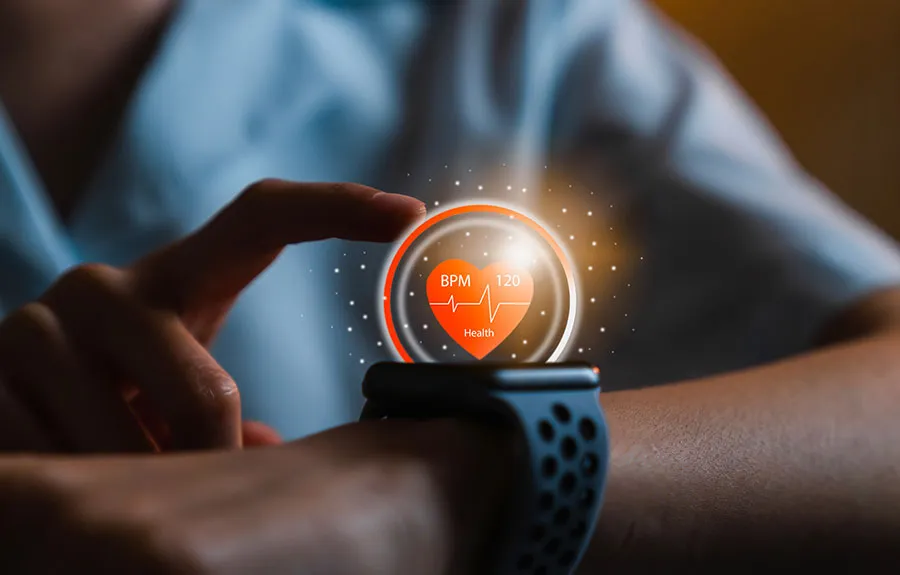
Heart Rate Sensor Technologies for Wearables
Technical overview of PPG heart rate sensing in smart bands, covering PPG principles, green LED rationale, accuracy trade-offs and motion artifact limitations.
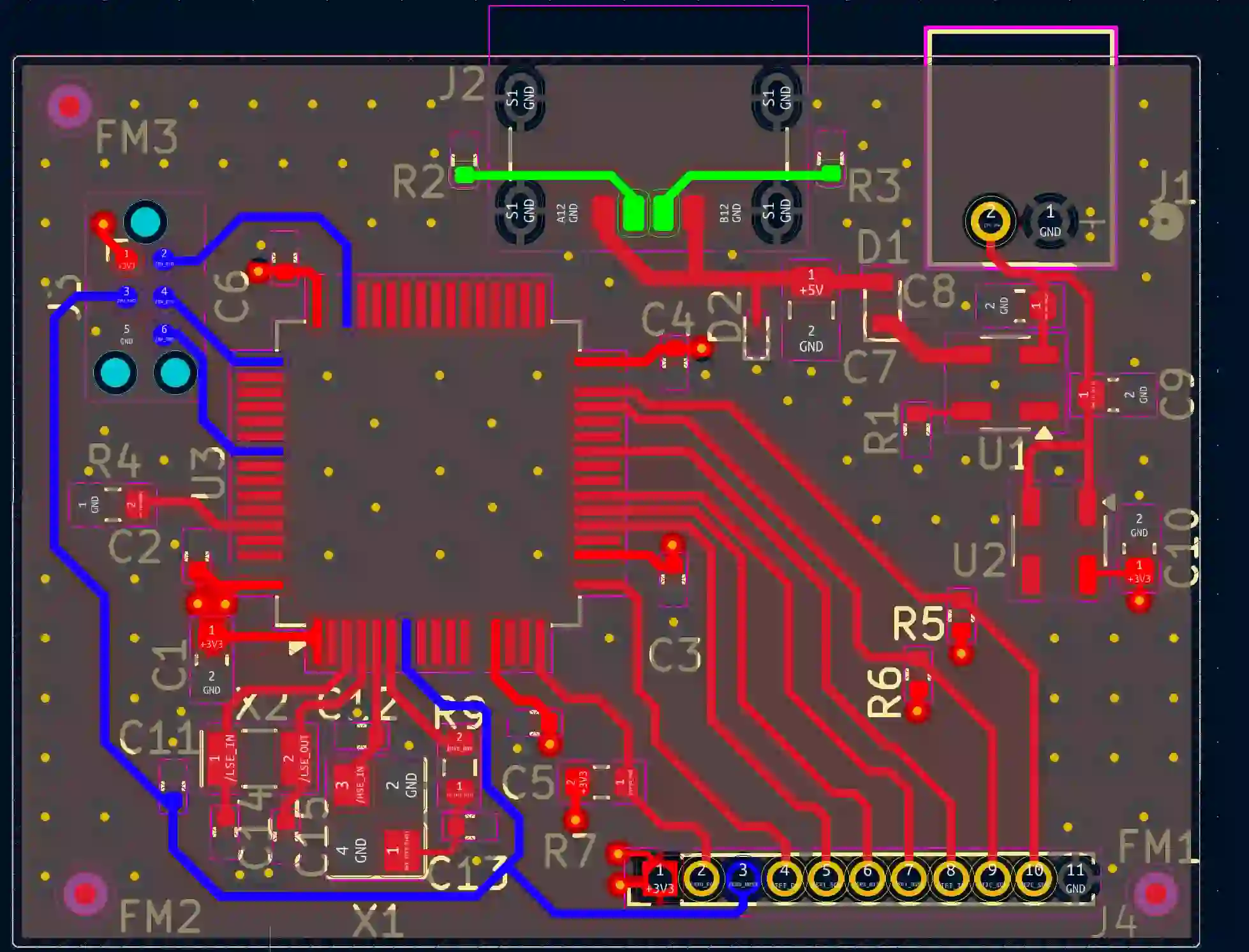
Smart Wristband PCB Layout and Routing Guidelines
Smart wristband PCB design guidance covering partitioning and trace protection, RF/BLE antenna handling, ESD protection, and USB/OTA upgrade interfaces.
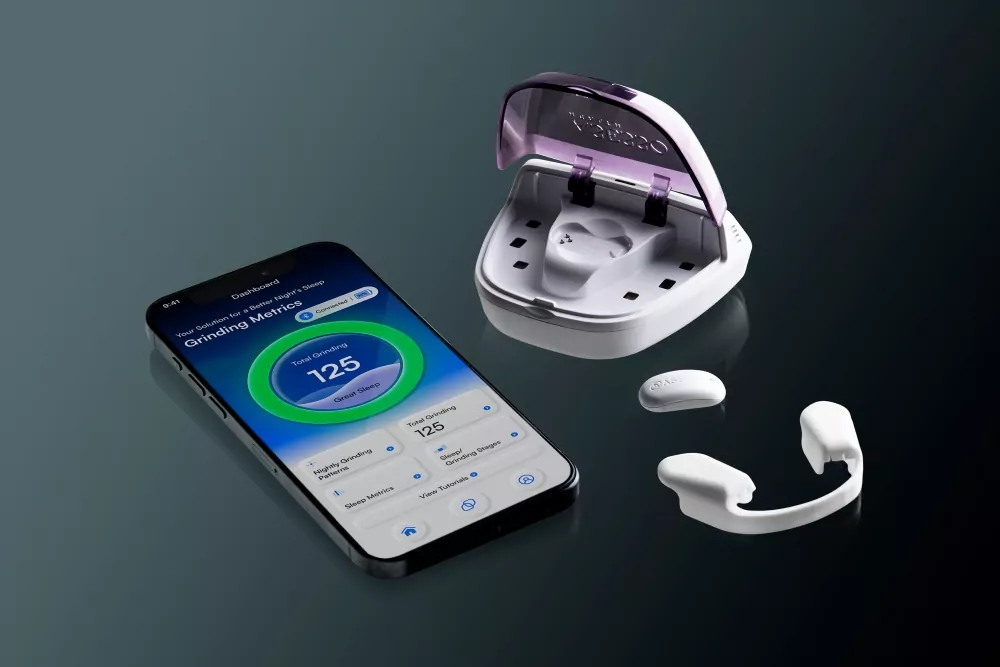
7 Interaction Technologies for More Practical Wearable Devices
Overview of seven wearable interaction methods—bone conduction, eye-tracking, AR/MR, voice, motion-sensing, haptics, and brainwave—explaining technologies and use cases.
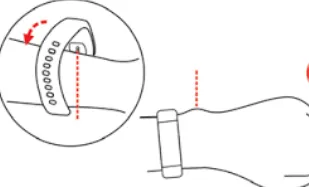
Smart Wristband Functions and Uses
Overview of smart wristband functions, features, and use cases, covering activity monitoring, sleep tracking, heart rate measurement, battery life, and synchronization.


