










Sheet Metal Materials
Sheet metal materials form the foundation of reliable and efficient fabrication projects across multiple industries. Understanding their distinct properties allows engineers and manufacturers to select the optimal alloy or grade for strength, weight, corrosion resistance, conductivity, and cost requirements. This category explores the most common and advanced sheet metal materials, including cold-rolled steel, galvanized steel, stainless steel, aluminum alloys, copper, and specialty metals designed for demanding environments. Articles in this section provide detailed guides on material characteristics, comparing performance in real-world conditions such as electronics enclosures, automotive components, medical equipment, and architectural elements. Readers will find practical tutorials on working with different thicknesses, tempers, and surface finishes, along with insights into how material choice influences formability, weldability, and long-term durability. Best practices for material selection, sourcing, testing, and finishing help professionals reduce failures, control expenses, and meet regulatory or performance standards. The content also addresses emerging materials and coatings that improve sustainability, thermal management, and electromagnetic compatibility—critical factors in modern electronics and industrial applications. This collection serves as a comprehensive reference for making informed decisions throughout the design and production lifecycle. Each article delivers focused technical knowledge that builds deeper expertise in sheet metal materials and supports successful project outcomes.
Latest Blogs
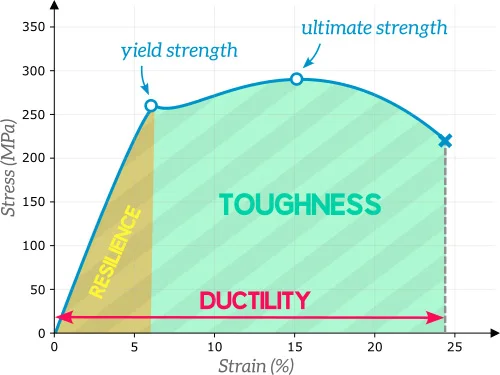
Strength vs Formability in Sheet Metal: How to Balance Material Performance
Compare sheet metal strength vs formability in real production. See how tensile/yield strength, elongation, bending and stamping performance affect cost, yield, tooling and which grade to choose.
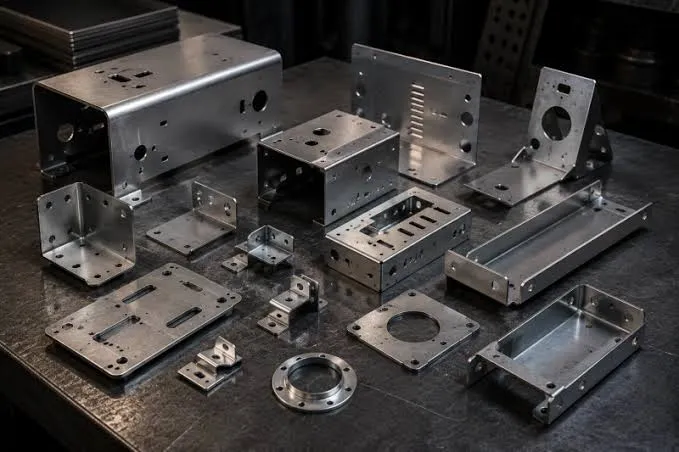
7 Common Sheet Metal Material Selection Mistakes Engineers Should Avoid
Common sheet metal material selection mistakes—cost-only choices, ignored formability, wrong strength grades, missed corrosion and finish needs—create scrap, tool wear, and field failures. Practical checks to avoid them.
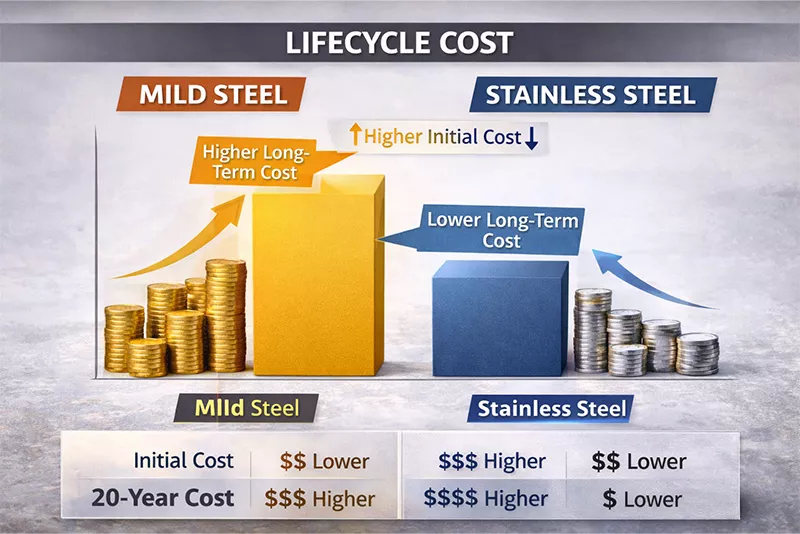
Mild Steel vs Stainless Steel Sheet Metal: Which Is Better?
Compare mild steel vs stainless steel sheet metal for fabrication. Learn key differences in cost, strength, welding, corrosion protection, surface treatment, and industrial applications to choose the better material for your production needs.
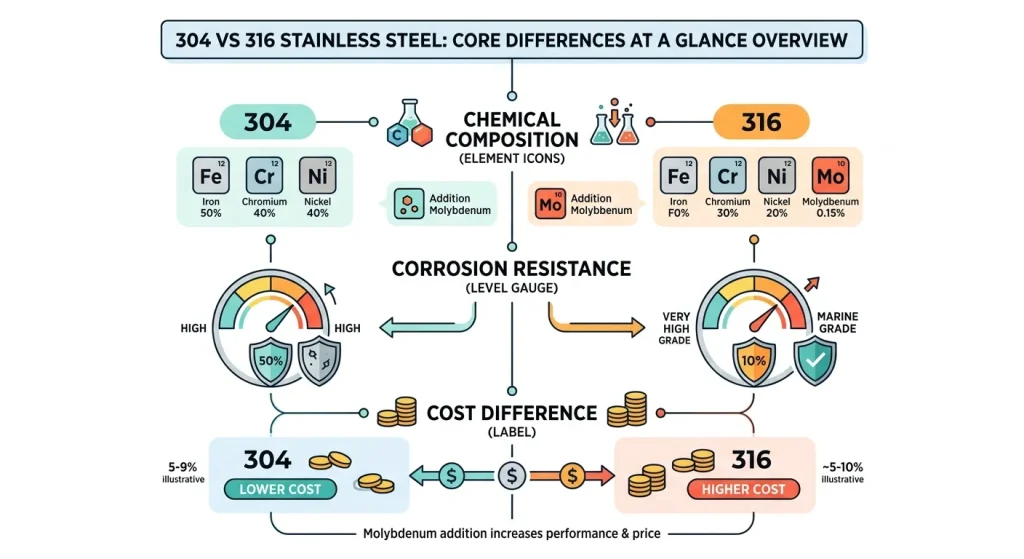
304 vs 316 Stainless Steel for Sheet Metal Fabrication: Key Differences
Compare 304 vs 316 stainless steel sheet metal for fabrication. Discover key differences in corrosion resistance, chemical adaptability, cost, and strength to choose the better grade for medical, outdoor, marine, or general sheet metal applications.
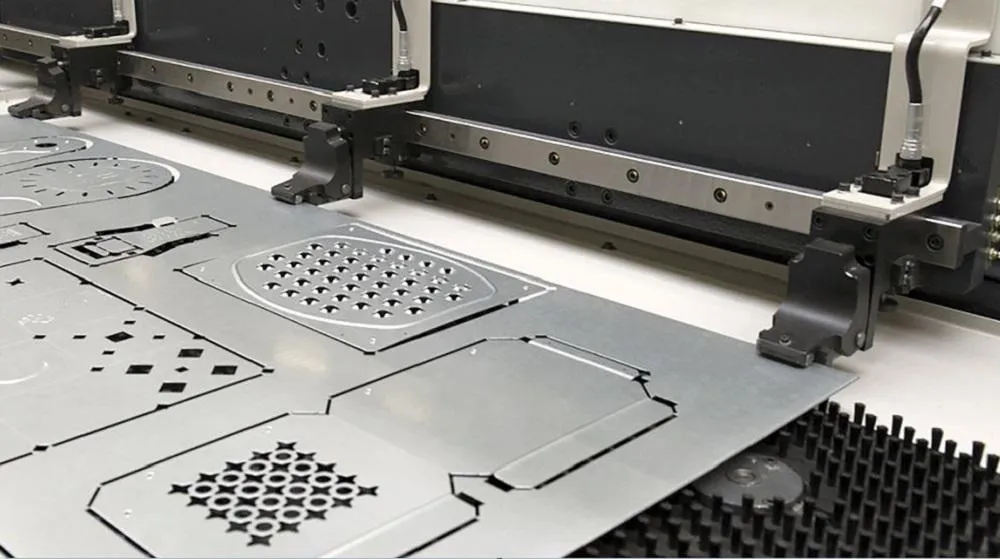
How Material Properties Affect Sheet Metal Fabrication
Learn how sheet metal material properties—strength, ductility, hardness, and thermal conductivity—impact cutting, bending, welding, and finishing. Practical factory guidance for better process control.
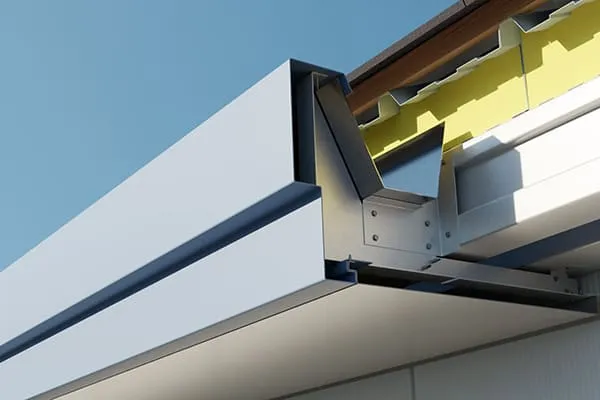
Best Sheet Metal Materials for Outdoor Applications: Aluminum, Stainless Steel & More
Compare the best sheet metal materials for outdoor applications—aluminum, stainless steel, and galvanized steel. Learn corrosion resistance, lifespan, cost, and practical choices for outdoor enclosures and equipment.
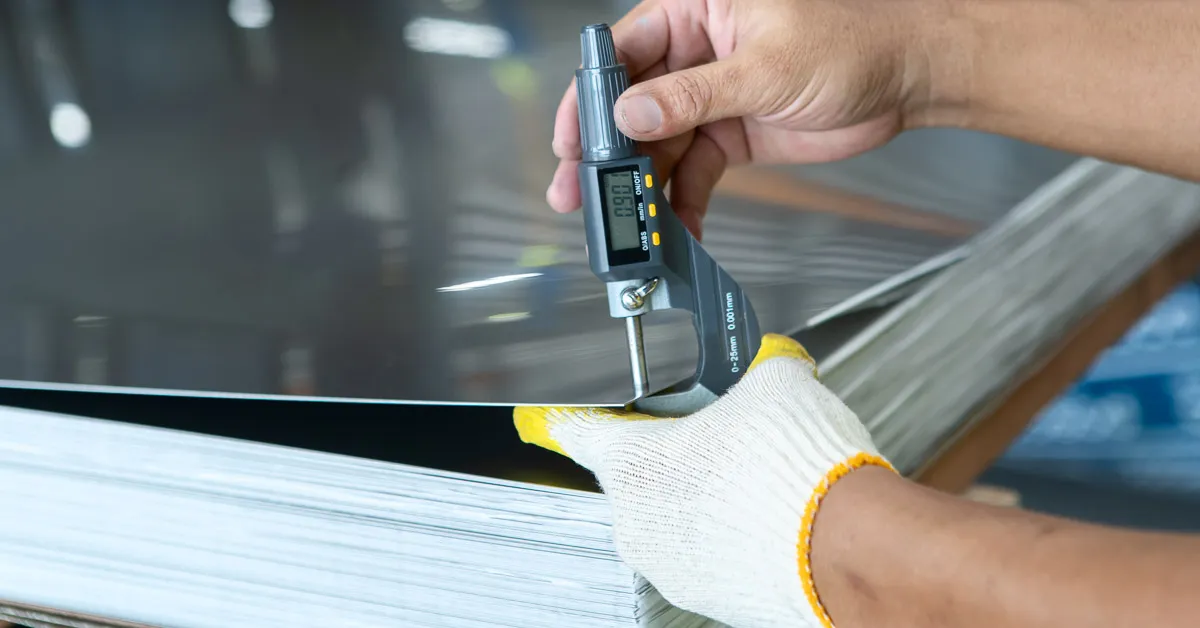
How to Choose the Right Sheet Metal Thickness for Your Project
Practical sheet metal thickness selection guide from the fab shop. Learn how thickness affects strength, weight, bending, and cost, plus recommended gauges for enclosures, chassis, and brackets.
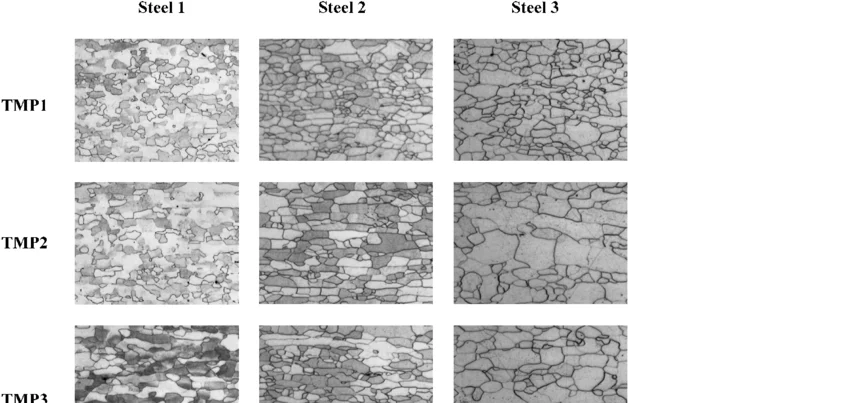
Cold Rolled Steel vs Hot Rolled Steel for Sheet Metal Fabrication: What’s the Difference?
Compare cold rolled steel vs hot rolled steel sheet metal for fabrication. Discover key differences in surface quality, dimensional accuracy, strength, ductility, cost, weldability, and processability to choose the better option for yield, tolerance, and production needs.
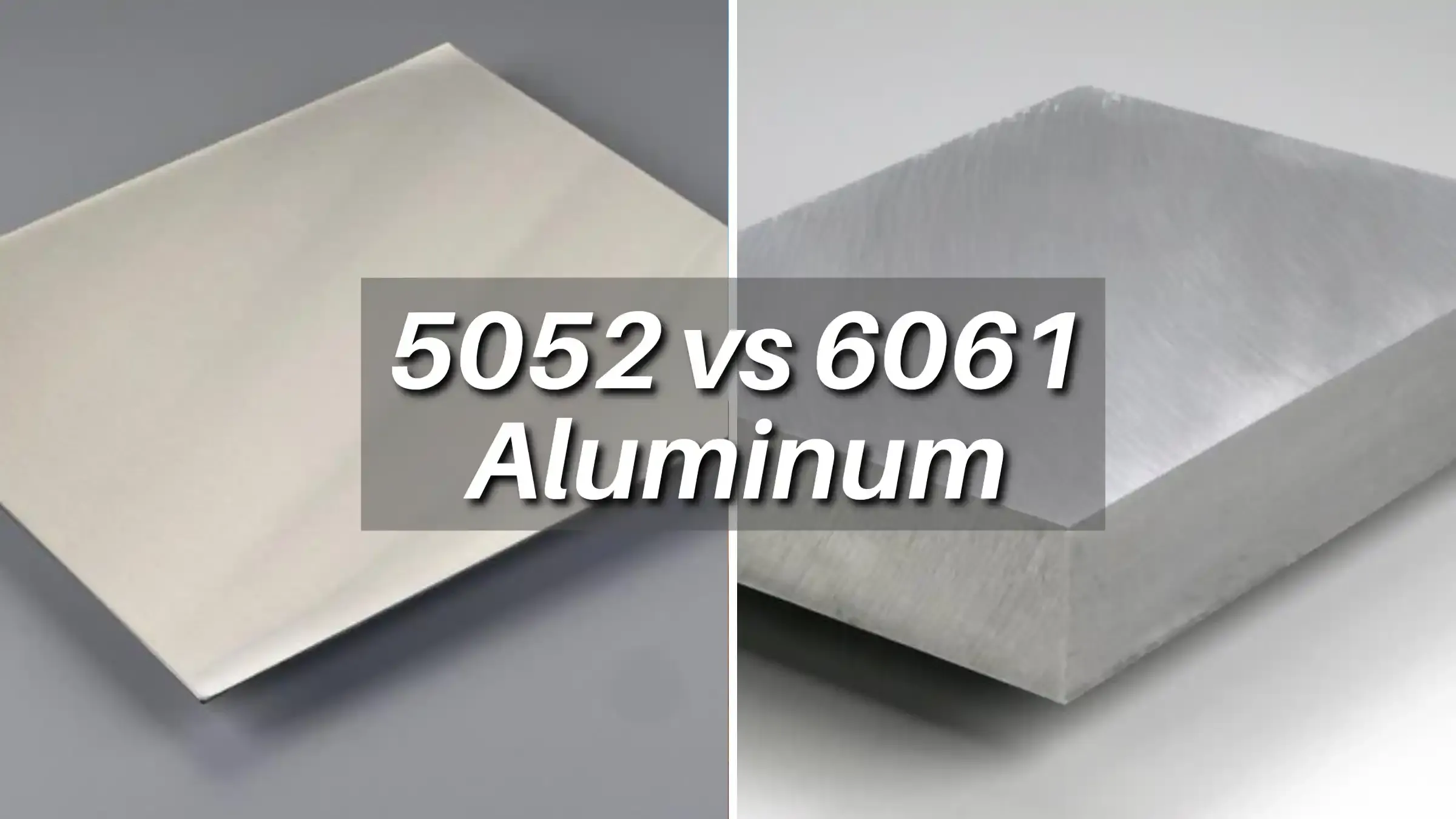
Aluminum 5052 vs 6061 for Sheet Metal Fabrication: Which Alloy Is Better?
Compare aluminum 5052 vs 6061 sheet metal for fabrication. Discover differences in strength, formability, weldability, corrosion resistance, and machining to choose the better alloy for electronic enclosures, formed parts, or structural applications.
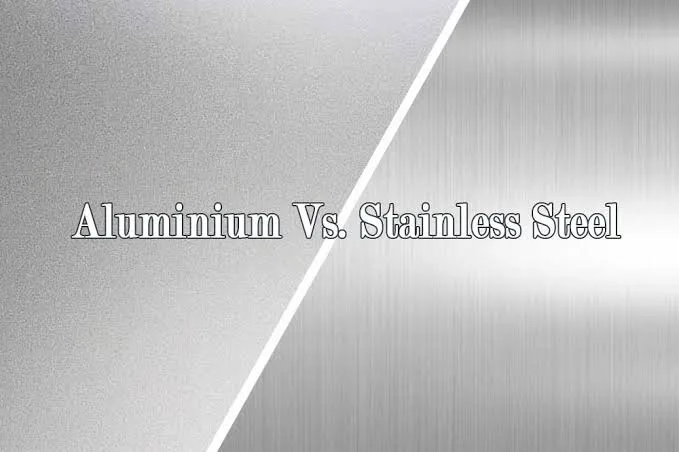
Aluminum vs Stainless Steel Sheet Metal Fabrication
Aluminum vs stainless steel sheet metal fabrication: Detailed comparison of weight, corrosion resistance, processing difficulty, cost, and real manufacturing applications. Factory insights on which material to choose for your project.


