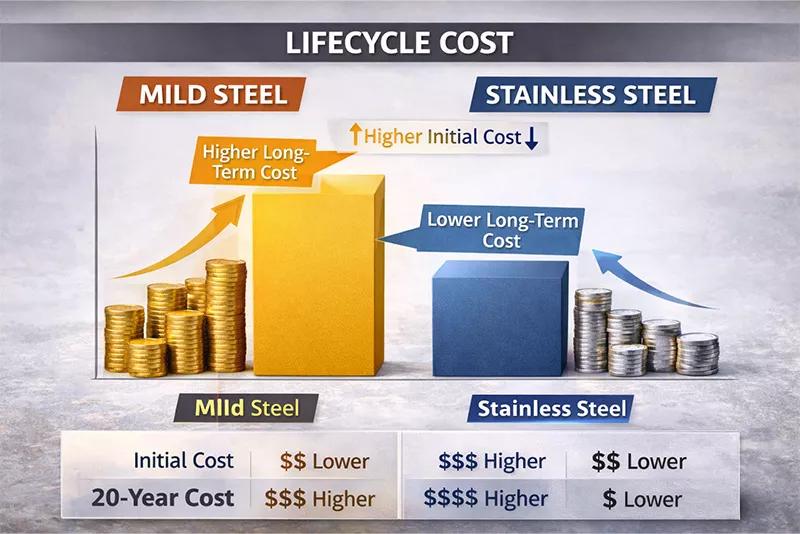
In sheet metal fabrication the choice between mild steel vs stainless steel sheet metal is rarely about absolute strength or weldability. Both materials form, cut, and weld well on the shop floor. The real decision turns on corrosion risk, surface-finishing cost, and total life-cycle expense. When the part will stay indoors, can be painted or powder-coated, and cost must stay low, mild steel is the practical production choice. When corrosion resistance without coating is required—food equipment, outdoor exposure, medical or chemical environments—stainless steel becomes the better manufacturing decision despite its higher material price.
Where Each Material Fits Production Conditions
Mild steel dominates cost-driven industrial frames, indoor enclosures, brackets, and any part that will receive paint, powder coat, or plating. Stainless steel is selected for applications where coating is undesirable or impractical and long-term corrosion resistance is mandatory. Fabrication behavior is similar enough that most shops can run both on the same equipment; the difference appears in material cost, finishing steps, and field performance.
Key Fabrication Attributes Compared
| Attribute | Mild Steel | Stainless Steel |
|---|---|---|
| Strength | Good, work-hardens moderately | Comparable or slightly lower in annealed condition; work-hardens more |
| Cost | Significantly lower | Higher (often 3–5× material cost) |
| Weldability | Excellent, simple procedures | Excellent with proper filler and technique |
| Corrosion resistance | Poor; requires coating | Inherent, no coating needed in many environments |
| Surface treatment needs | Painting, powder coating, or plating required | Optional; often used for appearance only |
| Formability | Excellent | Good to excellent, more springback |
| Typical industrial applications | Frames, indoor enclosures, painted structures | Food, medical, outdoor, chemical equipment |
Decision Matrix for Shop-Floor Priorities
| If your priority is… | Better Choice | Why |
|---|---|---|
| Lowest material and finished cost | Mild steel | Much lower base price; coating cost is still usually lower than stainless premium |
| Inherent corrosion resistance | Stainless steel | No reliance on coating integrity for long-term protection |
| Simple welding and high deposition rates | Mild steel | More forgiving procedures and lower skill barrier |
| Hygienic or food-contact surfaces | Stainless steel | Cleanable, non-reactive surface without coating risk |
| Outdoor or chemical exposure without coating | Stainless steel | Avoids coating failure and maintenance cycles |
| High-volume painted industrial parts | Mild steel | Cost advantage remains decisive after coating |
Strength and Mechanical Behavior Under Forming Loads
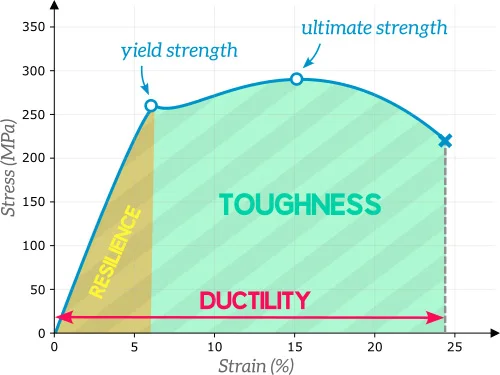
Mild steel and common austenitic stainless grades (304/316) deliver comparable tensile strength in the annealed condition. Mild steel typically shows a clearer yield point and less aggressive work hardening, which makes press-brake tonnage predictions more straightforward. Stainless work-hardens more rapidly, producing higher springback and requiring greater force for the same bend. From a fabrication standpoint both materials are fully formable in sheet gauges; the difference shows up in tool wear rates and the need for tighter process control when running stainless.
In progressive dies and high-volume stamping, mild steel generally yields longer tool life and lower scrap from cracking or excessive springback variation. Stainless remains entirely practical but demands more attention to bend radii, lubrication, and grain direction.
Cost Differences That Appear on Every Quotation
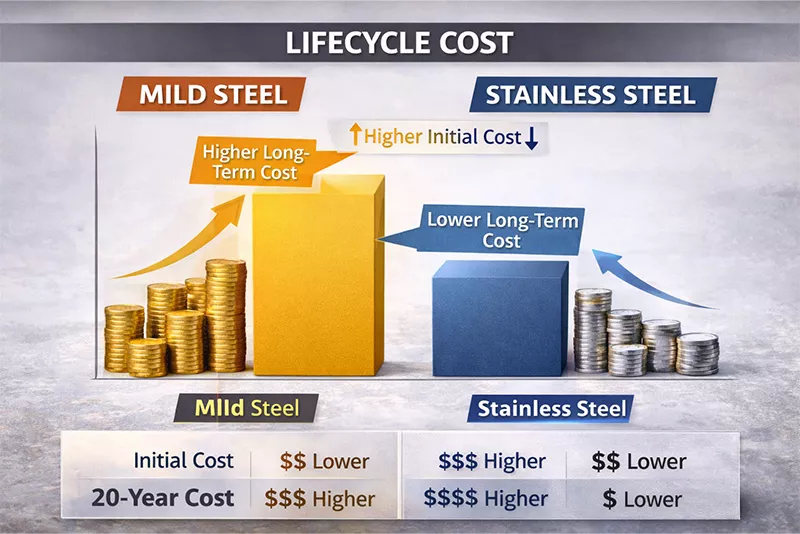
Material cost is the largest single gap. Mild steel sheet is substantially cheaper—often one-third to one-fifth the price of stainless depending on grade and market conditions. Even after adding powder coating or plating, the finished mild-steel part is usually less expensive than an uncoated stainless equivalent. The crossover occurs only when the coating system itself becomes complex or when field maintenance and replacement costs of a coated mild-steel part exceed the stainless premium.
Availability reinforces the cost advantage of mild steel. Common gauges are stocked everywhere with short lead times. Stainless is also widely available but can carry longer procurement times for non-standard thicknesses or finishes, adding inventory or schedule cost.
Welding Performance and Process Stability
Both materials weld readily with MIG, TIG, and resistance methods. Mild steel is more forgiving: broader parameter windows, lower sensitivity to contamination, and simpler filler selection. Stainless requires cleaner joint preparation, proper shielding, and matching or compatible fillers to avoid corrosion issues in the weld zone. Heat input control is also more critical with stainless to limit distortion and preserve corrosion resistance.
In high-volume production the simpler welding of mild steel translates into higher deposition rates and lower operator skill requirements. Stainless welds successfully at scale but typically runs slower and with tighter process controls. From a CAM and production-planning view, mild steel reduces risk of weld defects and rework on mixed-skill teams.
Corrosion Protection Needs and Surface Treatment Reality
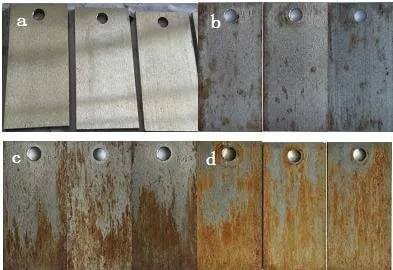
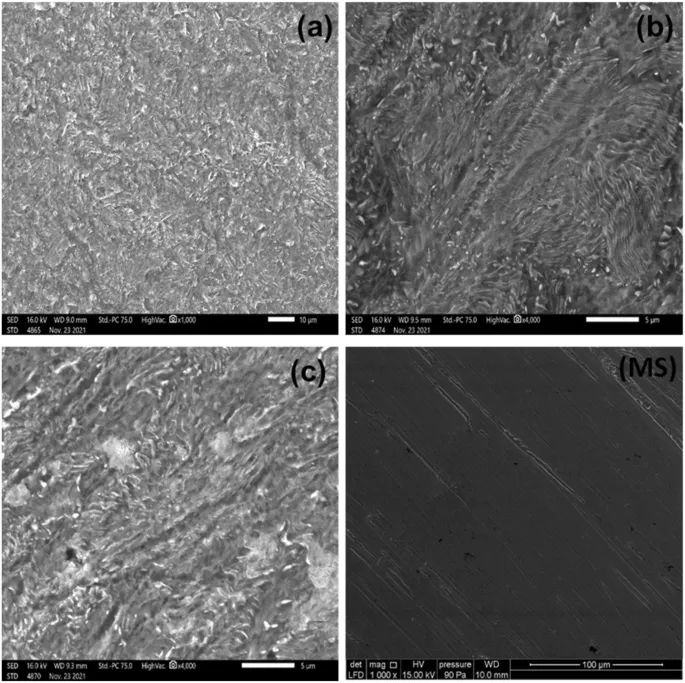
Mild steel will rust if left unprotected. Every mild-steel sheet-metal part destined for service therefore requires some form of surface treatment—powder coating, wet paint, zinc plating, or other barriers. That extra process step adds cost, cycle time, and a potential failure mode if the coating is damaged or incomplete. Stainless steel forms a passive chromium-oxide layer that provides inherent corrosion resistance in a wide range of environments, eliminating the need for protective coatings in many applications.
When appearance or additional chemical resistance is desired, stainless can still be polished, brushed, or coated, but these steps are optional rather than mandatory. In environments where coating integrity cannot be guaranteed—abrasion, frequent cleaning, outdoor exposure, or hygienic surfaces—stainless removes a major long-term risk that mild steel cannot avoid.
Industrial Application Drivers
Mild steel is the workhorse for industrial frames, machine bases, indoor electrical enclosures, and any painted structural sheet-metal work where cost and strength dominate. Stainless steel is preferred for food-processing equipment, pharmaceutical and medical housings, outdoor cabinets, marine components, and chemical-handling enclosures where corrosion or hygiene requirements rule out coated mild steel. In mixed environments shops often run both materials, routing cost-sensitive painted parts to mild steel and corrosion-critical parts to stainless.
How Fabricators Evaluate the Choice During DFM and Production
During DFM review the first questions are corrosion exposure and coating feasibility. If the part will be painted or plated and the environment is controlled, mild steel is selected to protect margin. If coating is undesirable, hygiene is critical, or the service environment is aggressive, stainless is written into the process plan. Strength and basic formability rarely decide the issue because both materials perform adequately.
CAM and nesting show mild steel as slightly more forgiving on tool life and springback consistency. Stainless increases the need for attention to work hardening and surface contamination during cutting and forming. Welding procedures diverge more noticeably: mild steel supports simpler, higher-speed processes while stainless demands cleaner practices. Surface-treatment routing is the largest process difference—mild steel always carries an extra finishing sequence that stainless can often skip.
Yield and process risk favor mild steel on high-volume painted work and stainless on corrosion-critical low-to-medium volume work. Most manufacturers therefore keep both materials in regular production, choosing according to the corrosion and finishing profile of each job rather than declaring one universally superior.
Which Material Should You Choose?
Choose mild steel if you:
- Need the lowest material and finished-part cost for indoor or coated applications
- Can apply reliable paint, powder coat, or plating for corrosion protection
- Are producing high-volume industrial frames, brackets, or enclosures
- Want simpler welding procedures and longer tool life in forming
Choose stainless steel if you:
- Require inherent corrosion resistance without dependence on coatings
- Are building food, medical, outdoor, marine, or chemical equipment
- Need a cleanable, hygienic surface that will not rust if the coating is damaged
- Accept higher material cost in exchange for lower long-term maintenance and failure risk
Neither material is universally better. The correct choice is the one that matches corrosion requirements, finishing strategy, and total cost for the specific production conditions of the part.
Frequently Asked Questions
Q1: Can mild steel replace stainless steel if it is properly coated?
A1: Only when the coating system is reliable for the full service life and environment. If the coating can be damaged, abraded, or compromised, stainless remains the safer choice for corrosion-critical applications.
Q2: Is stainless steel always stronger than mild steel in sheet form?
A2: No. Annealed strength values are comparable. Stainless work-hardens more during forming, which can raise local strength, but base mechanical properties do not make stainless universally stronger.
Q3: Which material is easier to weld in high-volume production?
A3: Mild steel. It tolerates wider parameter ranges and less stringent cleanliness, supporting higher deposition rates and lower rework risk on typical shop teams.
Q4: Does stainless steel eliminate all surface treatment costs?
A4: Not always. Aesthetic finishes such as brushing, polishing, or decorative coating may still be required. However, protective coatings needed solely for corrosion resistance can often be omitted.
Q5: When does the higher cost of stainless become justified?
A5: When coating maintenance, field failures, or hygiene requirements would otherwise add significant life-cycle cost, or when the service environment simply does not allow coated mild steel.
Q6: Can both materials be used in the same welded assembly?
A6: Yes, with attention to galvanic corrosion risk and appropriate filler selection. Dissimilar joints require careful design and are generally avoided unless necessary.