










CNC Surface Finishes
Surface finishing plays a critical role in CNC machining because it affects not only the appearance of a part but also its corrosion resistance, wear performance, durability, and functional properties. The CNC Surface Finishes category features articles that explain the most common finishing processes used for CNC machined metal and plastic parts, helping engineers, product designers, and sourcing professionals understand how different finishes influence product performance, manufacturing cost, and end use requirements. On this page, you will find articles covering anodizing, bead blasting, powder coating, electropolishing, passivation, plating, polishing, painting, and other widely used finishing methods. In addition to explaining how each process works, these articles compare surface finishes based on factors such as material compatibility, surface roughness, dimensional impact, corrosion protection, hardness, appearance, and production cost. They also provide practical recommendations for selecting the right finish according to application requirements, industry standards, and manufacturing objectives. Whether you are evaluating finishing options for a prototype, preparing parts for mass production, or comparing different treatments for specific materials, the articles in this category are designed to answer common engineering and manufacturing questions. As new finishing technologies, material specific guides, and comparison articles are added, this category will continue to provide practical insights that support better design, sourcing, and production decisions.
Latest Blogs
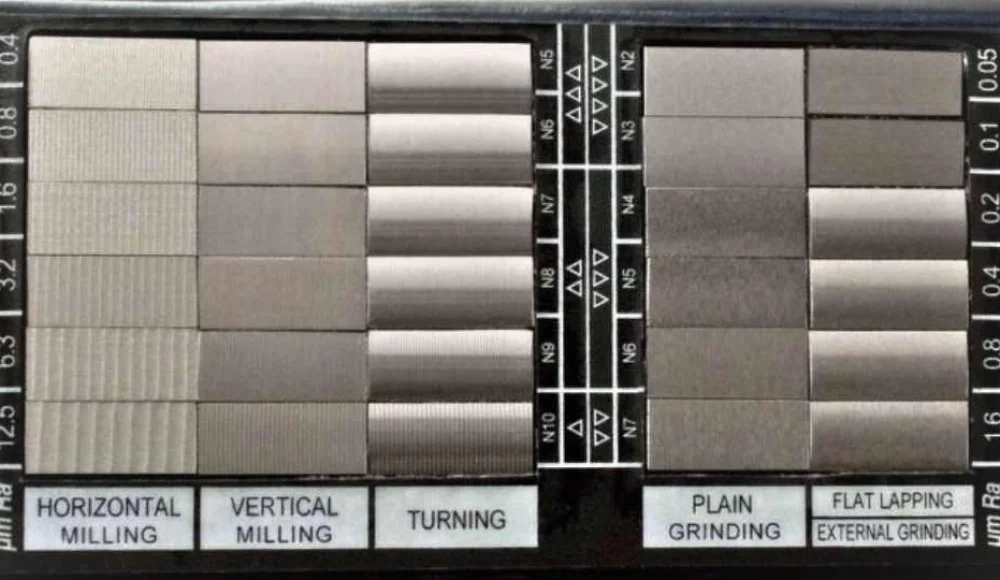
7 Common Surface Finish Mistakes in CNC Machining
Avoid costly CNC surface finish mistakes. Learn how over-specifying surface roughness, ignoring materials, and tolerance stack impact DFM and manufacturing.
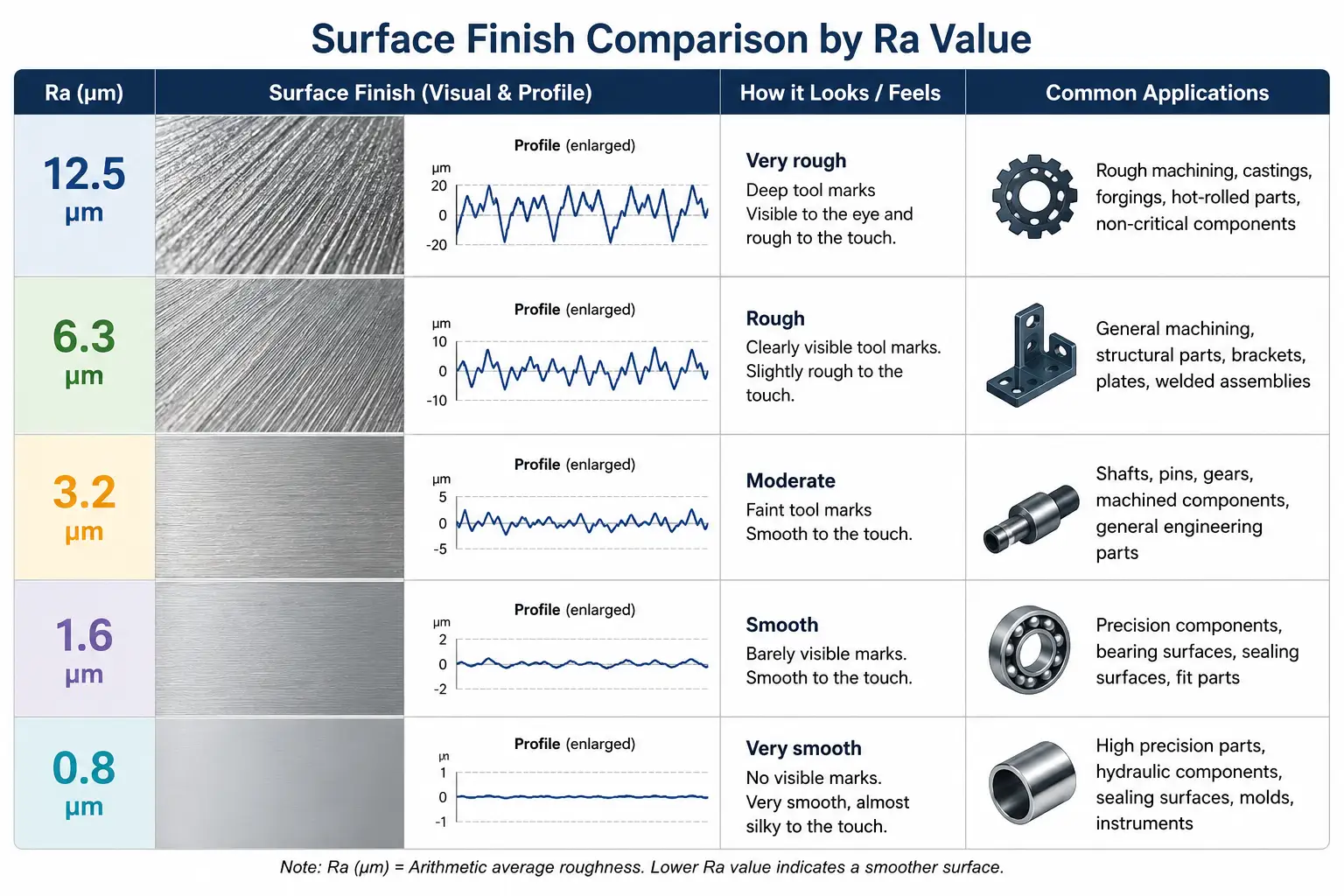
CNC Surface Roughness (Ra) Explained
CNC surface roughness Ra explained for manufacturing. Learn common Ra grades, typical CNC ranges by process, how treatments affect Ra, drawing callouts, and how to choose realistic requirements to avoid extra cost and scrap.
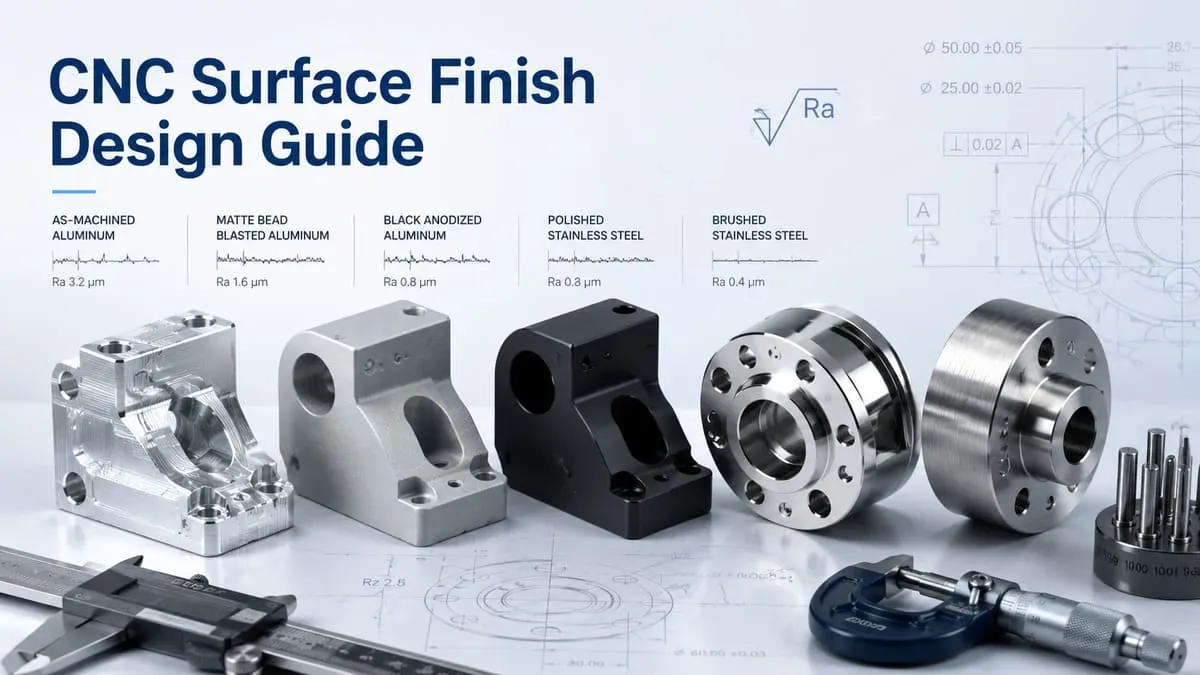
How to Choose the Right Surface Finish for CNC Parts
CNC surface finish selection guide for real production. Choose finishes by function—corrosion, wear, appearance or conductivity—while balancing dimensions, material, cost and DFM to avoid scrap and delays.
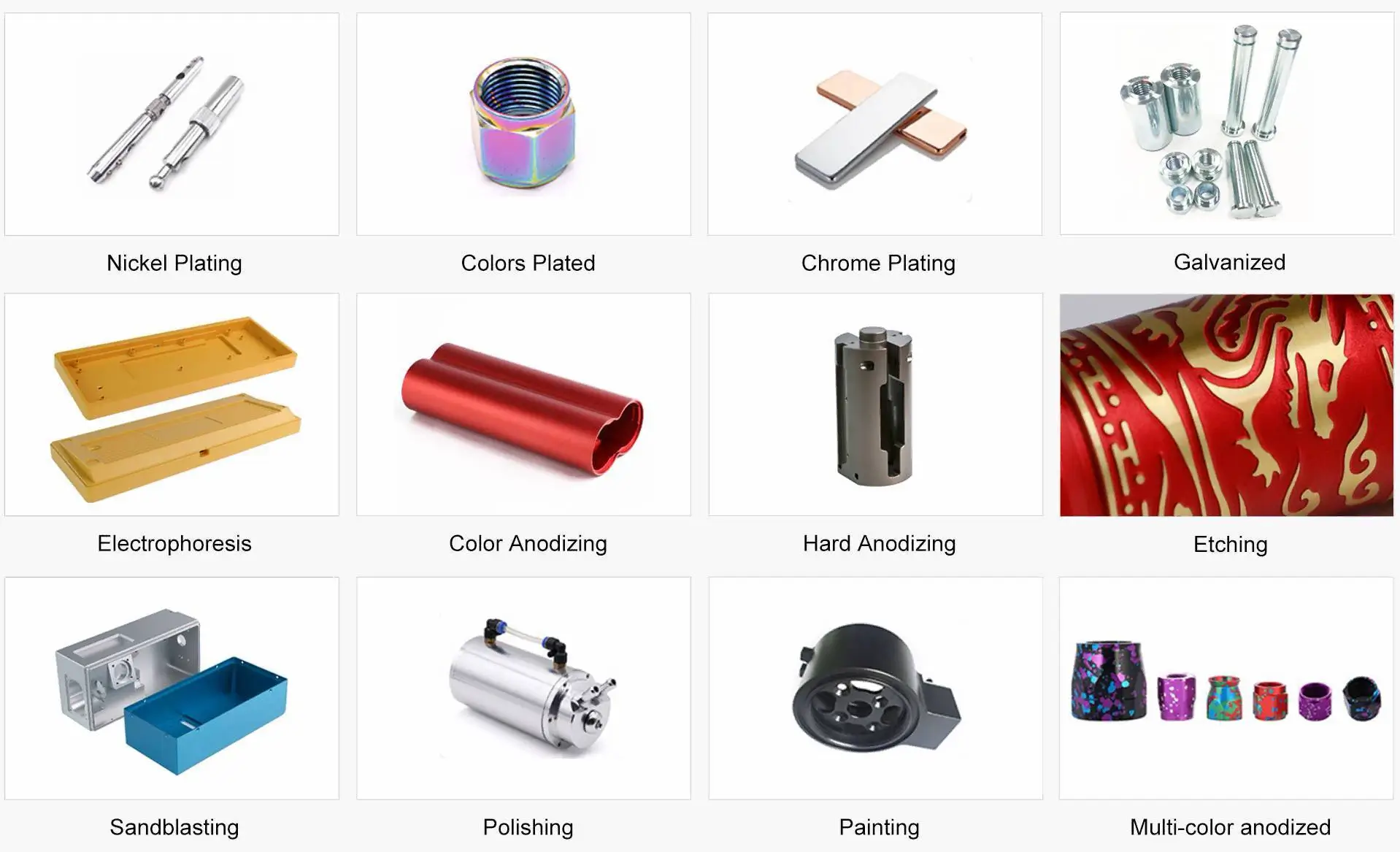
Decorative vs Functional Surface Finishes for CNC Parts
Decorative vs functional surface finish CNC comparison: appearance, corrosion & wear resistance, conductivity, heat dissipation, EMI shielding, typical applications, and selection process. Factory guidance to choose the right finish for your CNC parts performance and visual needs.
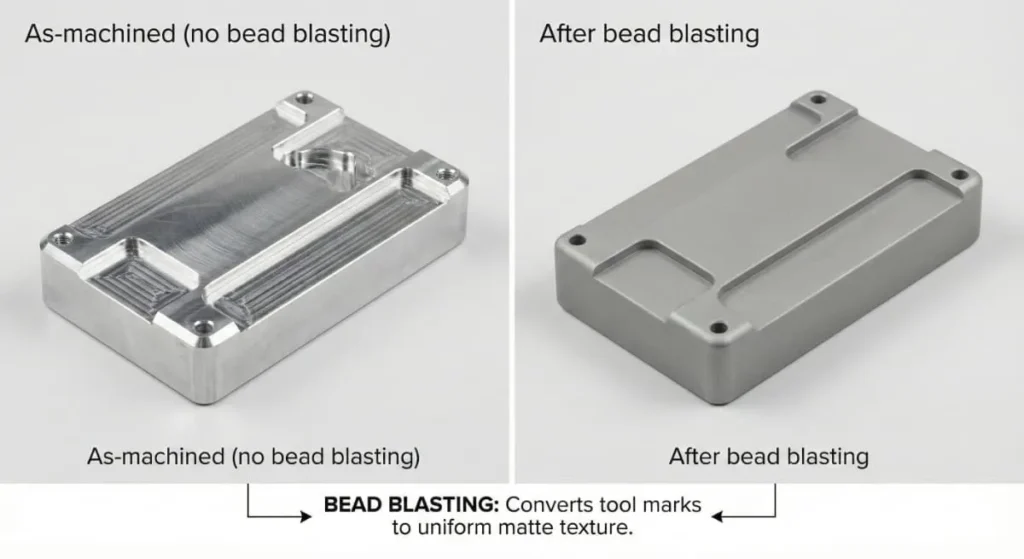
Bead Blasting vs Brushed Finish for CNC Parts
Bead blasting vs brushed finish for CNC parts: compare texture effects, surface roughness, ability to hide machining marks, cost, maintenance, and applications in consumer electronics and industrial products. Practical manufacturing advice to select the right surface treatment.
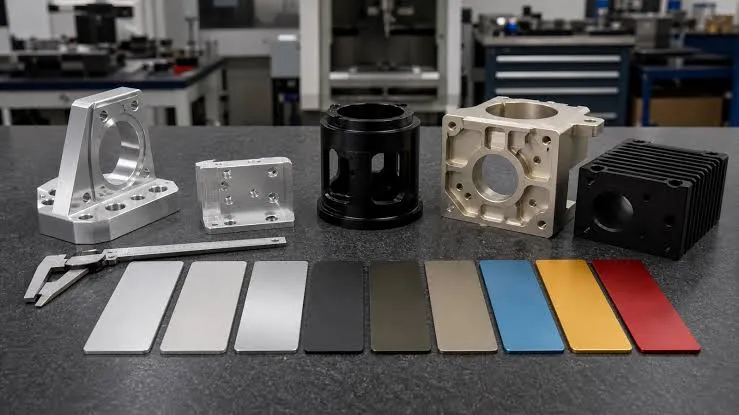
Type II vs Type III Anodizing: What's the Difference?
Type II vs Type III anodizing comparison: oxide thickness, hardness, wear resistance, corrosion protection, dimensional impact, cost, and applications. Factory insights to choose the right anodizing process for your aluminum CNC parts and electronic enclosures.
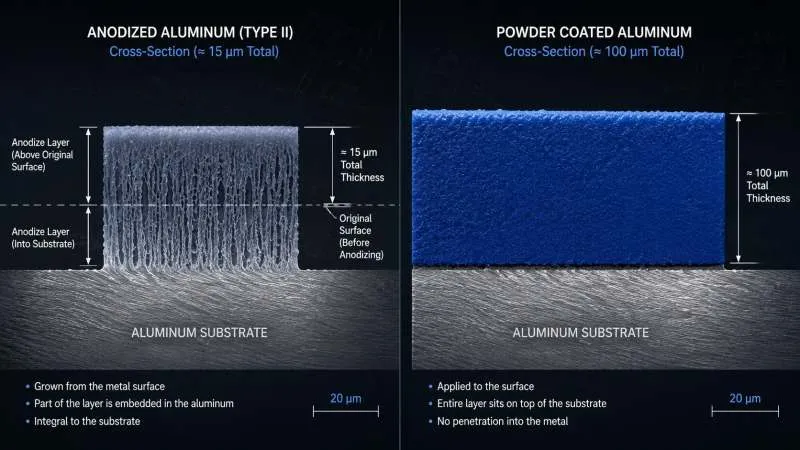
Anodizing vs Powder Coating for CNC Parts: Which Finish Should You Choose?
Anodizing vs powder coating for CNC parts: compare process differences, hardness, wear & corrosion resistance, color options, thickness & tolerance impact, cost, and suitability for electronic enclosures. Factory insights to select the best surface finish for your aluminum CNC components.
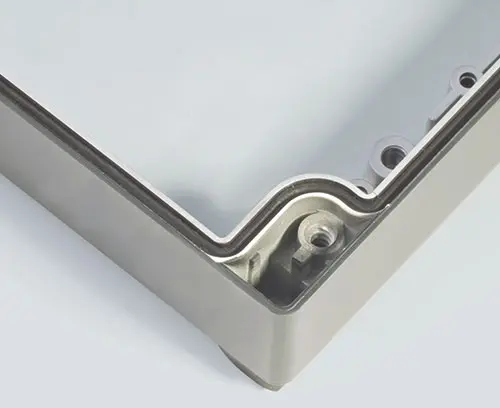
Conductive Coating vs Aluminum Enclosure for EMI Shielding
Conductive coating vs aluminum enclosure for PCB EMI shielding enclosure: factory perspective on cost, shielding performance, manufacturability, thermal management, and when to choose each for your production run. Real trade-offs explained.
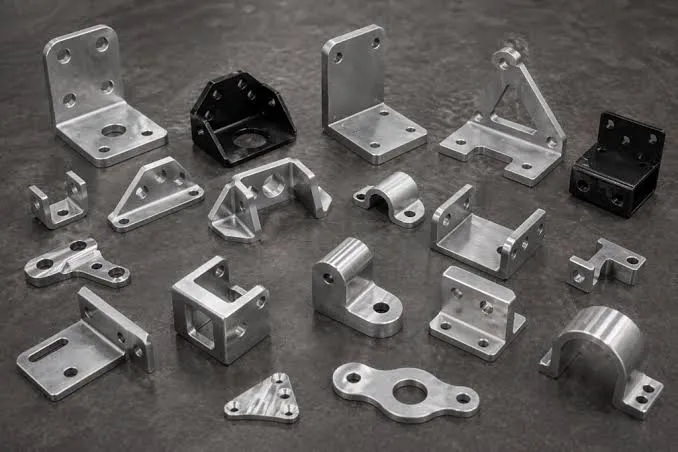
CNC Surface Finish Options Guide: Anodizing, Brushing, Sand Blasting and More
Discover how factories handle CNC surface finish options in real production. Learn practical differences between as-machined, anodizing, bead blasting, brushing, painting, and laser marking, including process controls, dimensional impacts, and DFM recommendations to avoid yield issues and delays.


