










Wide Variety Of Materials

More than 50 types of plastic and metal block with different specifications for CNC machining.
Precision CNC machining for prototypes and production. A wide variety of materials, premium quality, and custom manufacturing tailored to your exact specifications.


CNC machining (Computer Numerical Control) is a subtractive manufacturing process where pre-programmed computer software dictates the movement of factory tools and machinery. It transforms digital designs into precise physical parts by removing material from a solid block (the workpiece) using cutting tools such as mills, lathes, or routers.

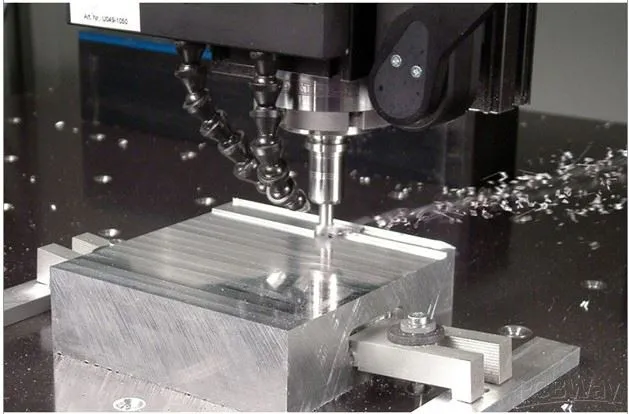
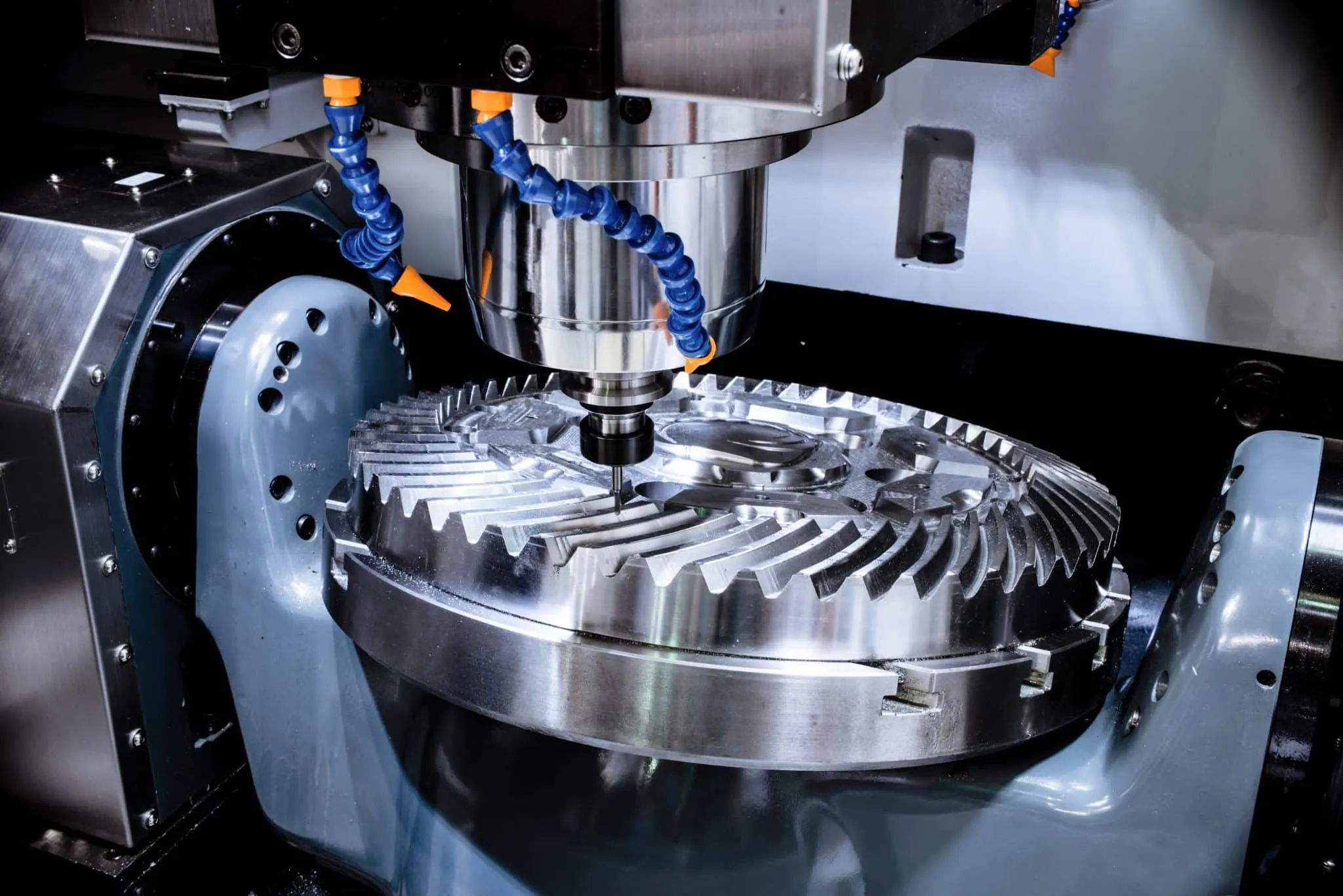
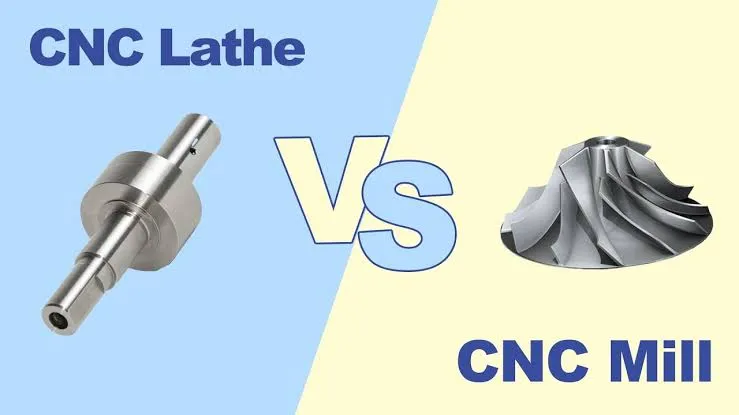
CNC Milling is a subtractive precision manufacturing process using 3-axis, 4-axis, or 5-axis machines. A 3D CAD model is converted into G-code, and the workpiece is securely clamped while the milling cutter automatically removes material along multiple axes. Through roughing and finishing operations, CNC milling produces flat surfaces, slots, profiles, and complex 3D geometries with high precision. 4-axis and 5-axis machining can complete intricate parts in a single setup, reducing repositioning and improving machining efficiency. CNC milling supports a wide range of materials, including aluminum, brass, steel, POM, acrylic, and many other metals and plastics. Its automated, program-controlled process ensures consistent quality, minimizes human error, delivers excellent surface finishes, and is ideal for both prototypes and production.
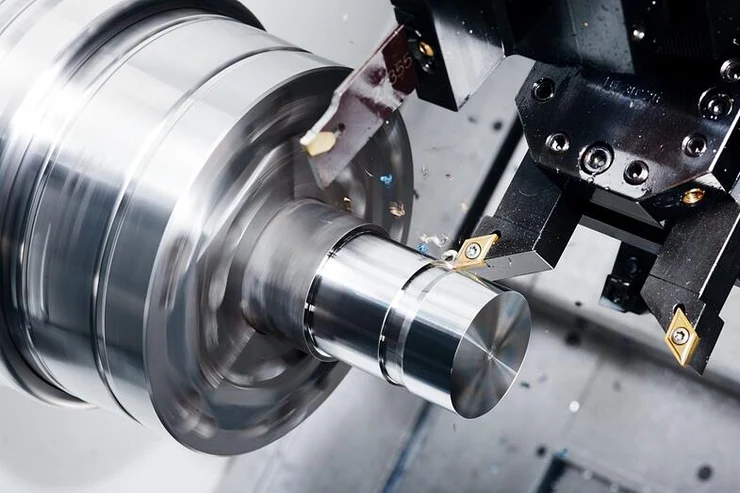
CNC Turning is a machining process for rotational parts. The workpiece is held by a chuck and rotated at high speed. Controlled by CNC program, cutting tools feed horizontally and vertically, cutting off extra material step by step. It can produce cylinders, holes, threads, shoulders and arcs through rough turning and finish turning. Excellent precision with good concentricity and roundness. Extremely high efficiency for shafts, sleeves, bolts and other rotary components, perfect for mass production. Compatible with steel, aluminum, brass, POM and various metals & engineering plastics. Fully automatic operation reduces manual error, consistent quality for prototypes and bulk orders. Smooth machined surface, no extra polishing required in most cases.
More than 50 types of plastic and metal block with different specifications for CNC machining.
Provide various surface finish options, including anodizing, electroplating, powder coating, and more, to enhance the appearance and performance of your parts.
Efficient production processes and advanced equipment help reduce costs.
It easily transforms a prototype into mass production without the need for expensive tooling, making it ideal for customized services and rapid iteration.
Precision tolerances vary, due to size and material types, from +/-0.001″ to +/-0.005″.
One sample can be delivered in as little as 3 days.
Restricted internal right angles during machining.
Complex cavities and curved surfaces are difficult to manufacture.
Thin walls are difficult to process.
Other materials not listed can be quoted manually, please contact cnc@aivon.com
The size ranges from 2mm to 1000mm, and the restriction can be relaxed depending on the specific design drawings.
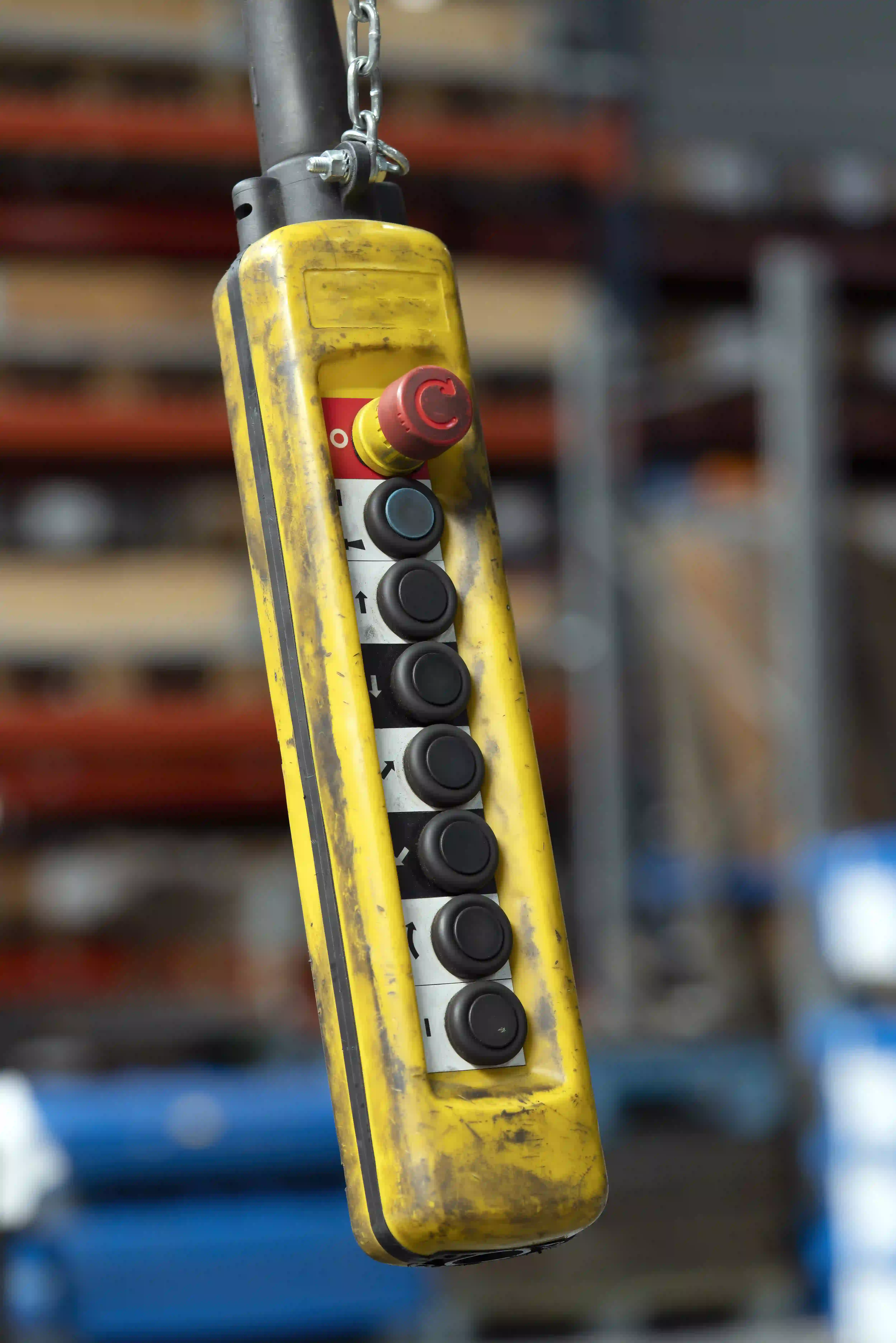
AIVON provides production support for physics laboratories, agricultural tools, industrial fixtures, chemical industry and industrial inspection.

AIVON provides manufacturing support for consumer electronics such as PCs, mobile phones, wearable devices, smart home products, and lighting equipment.
.webp)
AIVON provides a wide range of support to automotive manufacturing companies, covering electric vehicles, e-bikes, battery parts, and replacement parts.

AIVON provides support to aerospace companies, ranging from prototyping to mass production, it utilizes 3D printing to validate design feasibility and employs a variety of suitable materials for mass production.
A1: The order quotation process is not yet complete, you will be able to check out once the status changes to "OfferComplete."
A2: Prices update within two hours of adding items to the cart, for orders placed after 18:00 (GMT+8), the price update after eight hours.
A3: 1 unit
A4: Please contact cnc@aivon.com.
 PCB Materials
Learn how CNC machining services actually work in real production. From milling, turning and drilling to tolerances, materials, surface finishes and prototype-to-production differences — direct factory perspective on what matters for your parts.
 Signal Integrity
CNC milling vs CNC turning explained by a manufacturing engineer. Learn key differences in geometry, cost, precision, cycle time, and when to choose each process for optimal production efficiency and lowest cost per part. Practical factory advice for rotational vs prismatic parts.
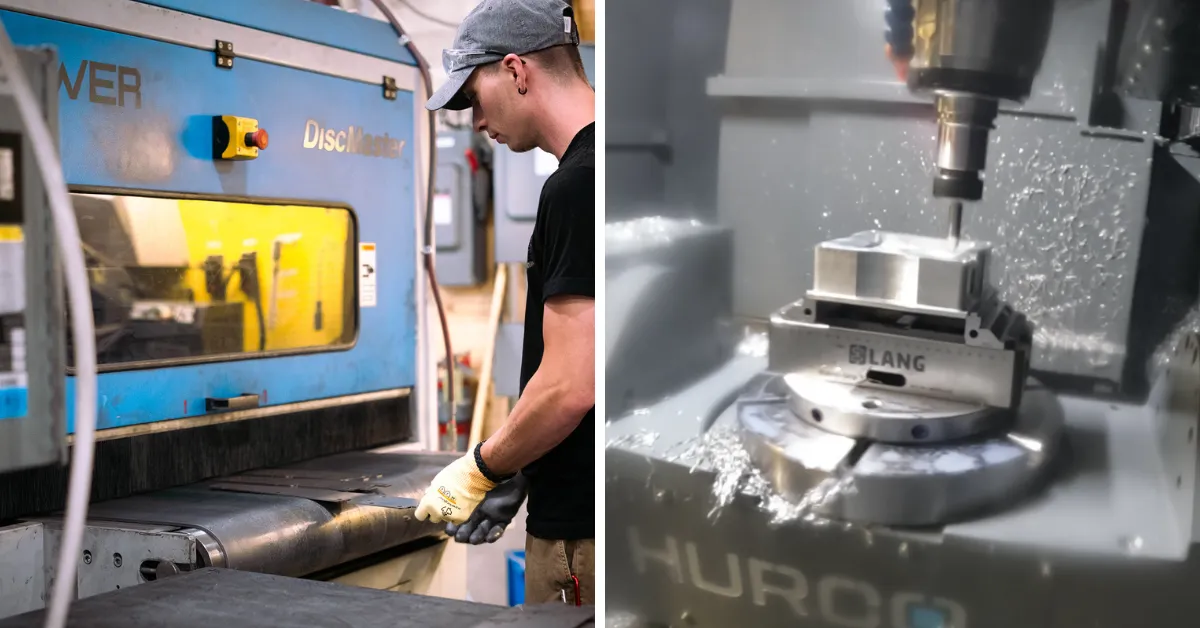
CNC machining vs sheet metal fabrication cost, tolerance, volume, and geometry comparison from a real fabrication shop. Learn when each process wins for prototypes and production.


