










-
 03:18
03:18
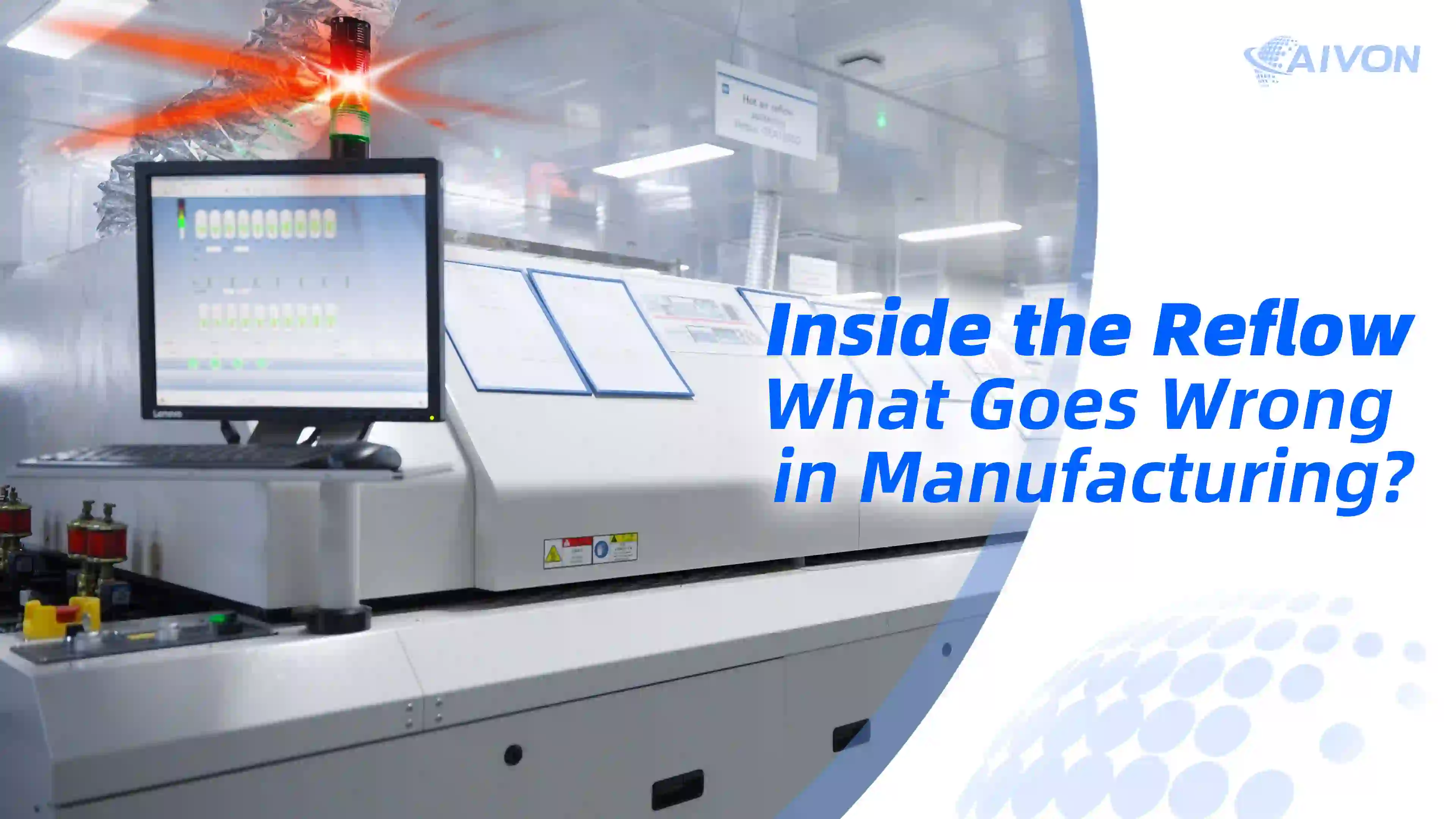
Inside the Reflow Oven: What Really Goes Wrong in PCBA Manufacturing
This video takes engineers inside a multi-zone reflow oven to explain how thermal processing affects SMT assembly quality and long-term PCB reliability. It begins with component-level risks such as tombstoning, where uneven solder melting and surface tension can lift one side of a chip passive, then moves to board-level effects including CTE mismatch between FR4 resin, copper, and prepreg that can cause warpage and mechanical stress. The video also examines defects that may escape AOI, including BGA voiding and head-in-pillow caused by package warpage and incomplete solder contact. These mechanisms are particularly important for turnkey PCB assembly involving HDI and multilayer FR4 PCB designs with mixed thermal mass, especially in automotive, medical, and industrial applications. Understanding reflow behavior helps engineers make better DFM decisions and specify appropriate thermal profiles before production.
-
 02:33
02:33
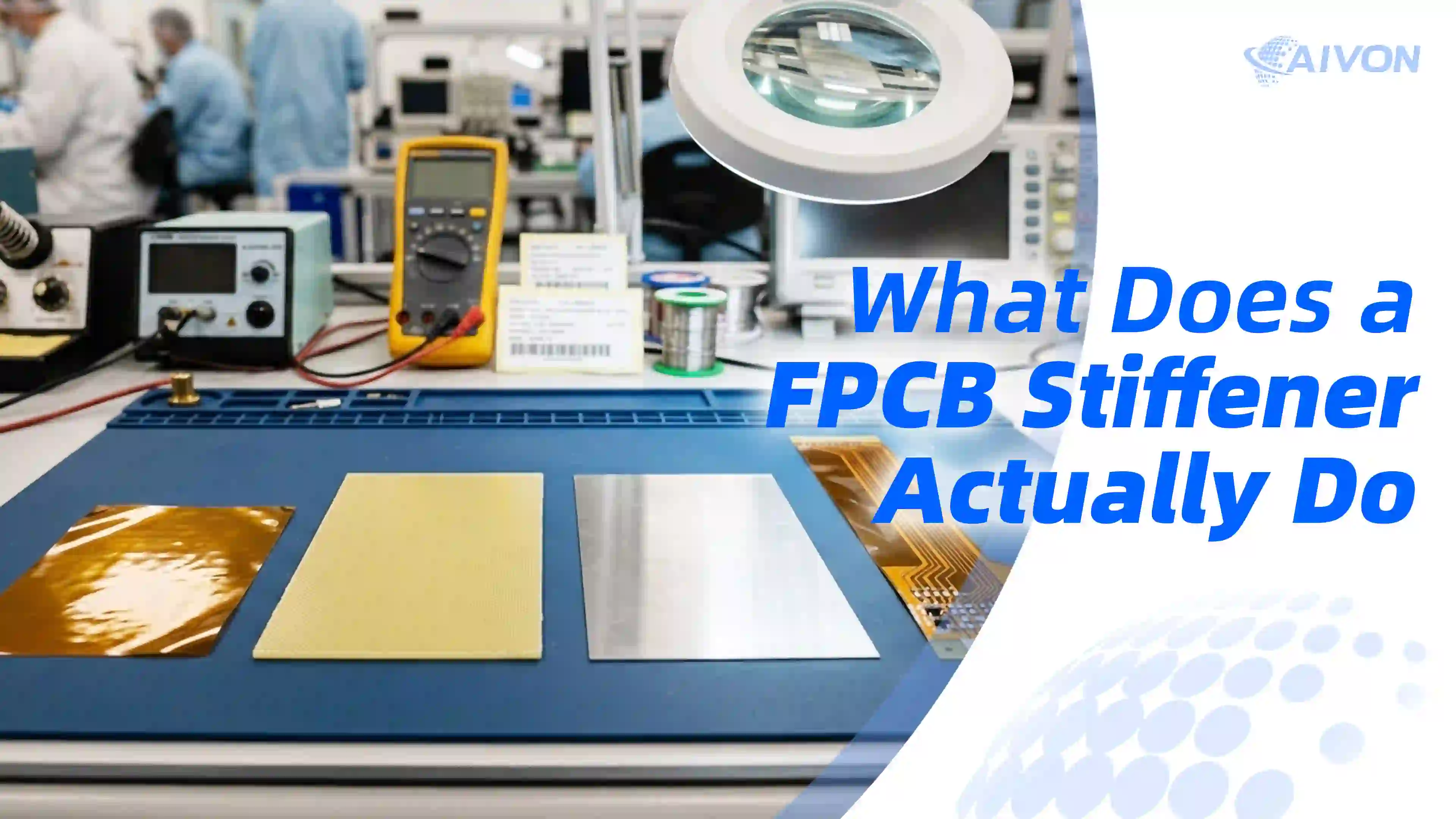
Why Flexible PCBs Need Stiffeners: Factory Guide to Controlled Rigidity
Stiffeners are essential features in flexible PCB design, providing localized mechanical support while preserving the board's ability to bend where required. This video explains why stiffeners are used to reinforce connector areas, stabilize flexible circuits during SMT assembly, and protect high-stress regions such as push buttons, battery contacts, and mounting points from mechanical fatigue. It also compares the most common stiffener materials—including polyimide (PI), FR4, and stainless steel—and discusses how each balances rigidity, thickness, thermal performance, and cost. By understanding proper stiffener selection and placement, engineers can improve manufacturability, assembly reliability, and long-term durability in flexible PCB applications for medical, automotive, industrial, and consumer electronic products.
-
 04:31
04:31
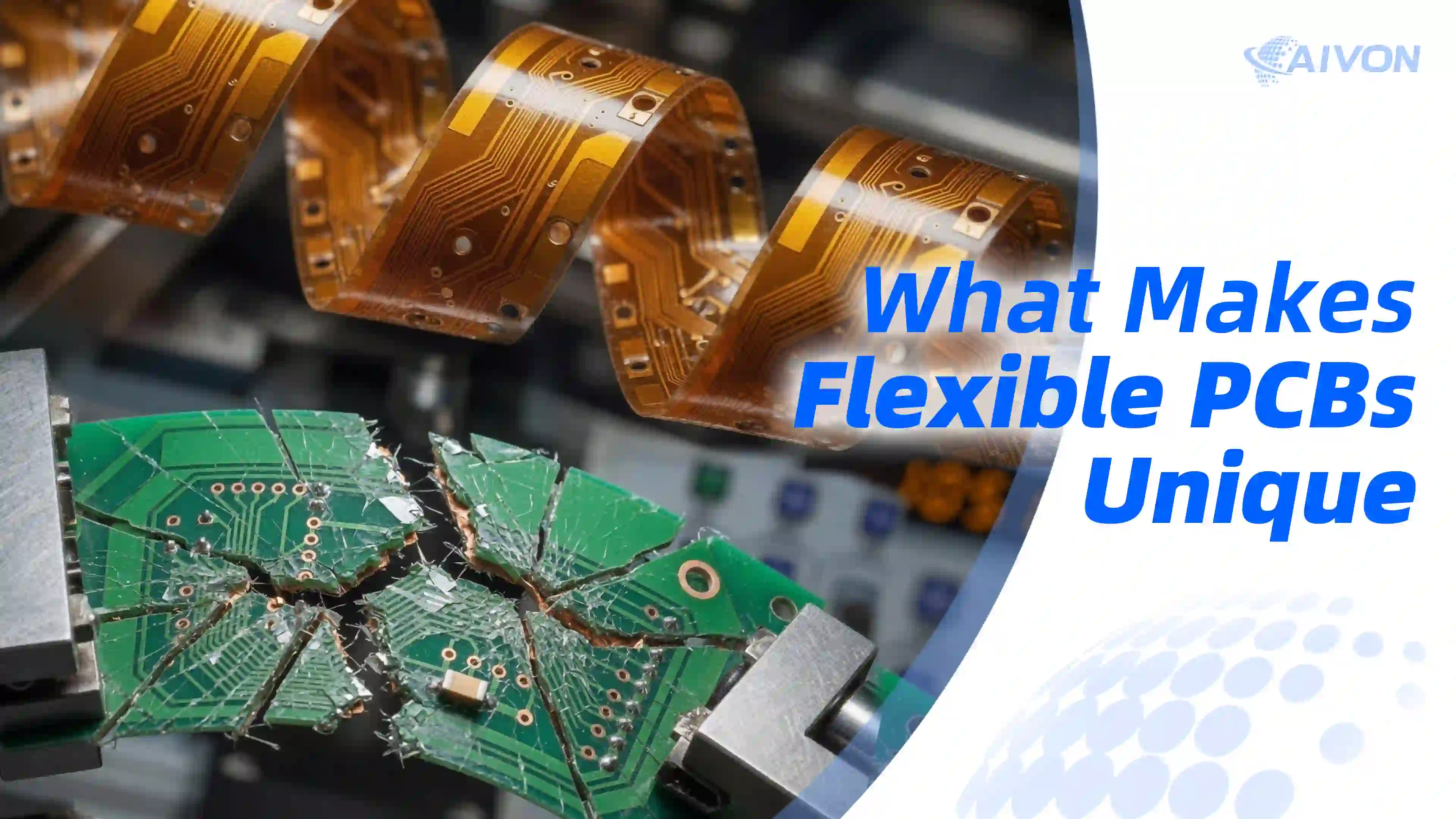
Flexible PCB Manufacturing: What Makes FPCB Unique from Rigid Boards
Flexible PCBs are engineered to withstand repeated bending and movement, making them ideal for compact, space-constrained, and high-reliability electronic products. This video explains how flexible PCBs differ from rigid boards by exploring the specialized manufacturing processes that enhance mechanical durability, including the use of polyimide substrates, coverlay instead of solder mask, selective stiffener bonding, and precision laser or die cutting. It also highlights how stiffeners provide localized rigidity for connectors and components while preserving flexibility elsewhere, allowing each design to be optimized for bend life, signal integrity, and packaging requirements. By understanding these Design for Manufacturability (DFM) principles, engineers and procurement teams can make informed decisions when developing flexible PCB solutions for smartphones, wearables, medical devices, consumer electronics, and other demanding applications.
-
 04:29
04:29
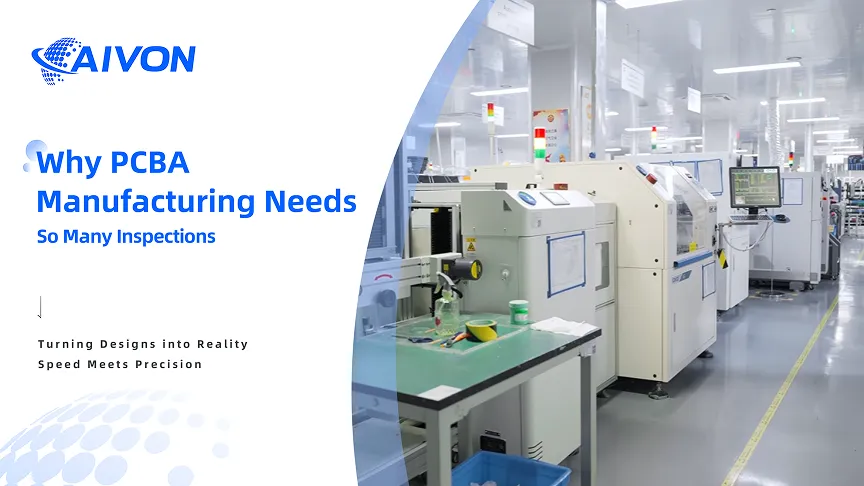
Why PCBA Manufacturing Needs So Many Inspections
Modern PCBA manufacturing relies on multiple layered inspection stages rather than a single final quality check, ensuring defects are detected early and overall production risk is minimized. This video explains how quality gates are integrated throughout the assembly process, starting with Incoming Quality Control (IQC) and material verification, followed by First Article Inspection to validate setup accuracy. During SMT production, Solder Paste Inspection (SPI) ensures correct paste volume, while post-reflow AOI detects placement and soldering defects. For hidden joints in BGAs and QFNs, X-ray inspection provides internal verification, and final functional testing confirms performance before shipment. These combined inspection steps are critical for maintaining high reliability and yield in medical, automotive, and industrial control PCB applications, where failure is not an option.
-
 07:47
07:47
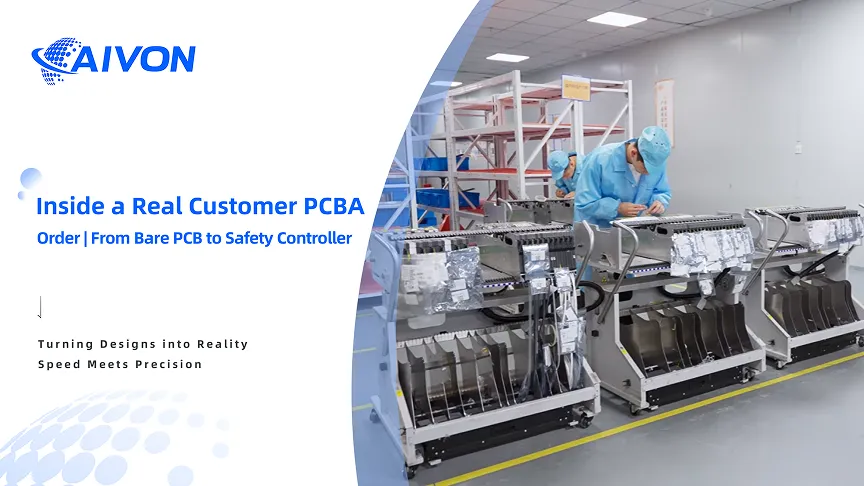
Real PCBA Order: Bare PCB to Industrial Robot Safety Controller Assembly
This video offers a real factory-floor walkthrough of a complete PCBA production process for an industrial robot safety controller, showing how a customer design moves from bare PCB intake to finished, shipment-ready assembly. It covers each key stage of manufacturing, including DFM verification, SMT stencil printing, SPI inspection, high-speed pick-and-place, multi-zone reflow soldering, AOI inspection, manual THT soldering with ESD protection, cleaning, de-paneling, and final quality control. The video highlights critical engineering checkpoints such as solder paste accuracy, thermal profiling, component placement precision, and footprint validation that directly influence yield and long-term reliability. This case study demonstrates how complex design data is transformed into production-ready, safety-critical hardware for industrial control applications where quality, traceability, and reliability are essential.


