










CNC Design
Good CNC design is essential for producing parts that are cost effective, easy to manufacture, and capable of meeting functional and quality requirements. The CNC Design category features articles that help engineers, product designers, and hardware developers apply design for manufacturing principles throughout the product development process. From creating machinable geometries to preparing production ready CAD files, these articles focus on practical design decisions that improve manufacturability while reducing machining time, production cost, and the risk of manufacturing issues. On this page, you will find articles covering CNC design guidelines, tolerances, wall thickness, corner radii, hole design, thread specifications, deep pockets, undercuts, fillets, chamfers, and other critical design considerations. The content also explains how different materials, machining processes, and surface finishes influence design choices, helping you balance performance, precision, lead time, and budget. In addition to best practices, many articles analyze common design mistakes and provide recommendations for avoiding costly revisions during prototyping and production. Whether you are designing a new component, optimizing an existing part for machining, or reviewing a model before requesting a quotation, the articles in this category provide practical guidance based on real manufacturing requirements. As additional design guides, comparison articles, and engineering tips are published, this category will continue to help you create CNC machined parts that are easier to manufacture, more reliable, and better suited for efficient production.
Latest Blogs
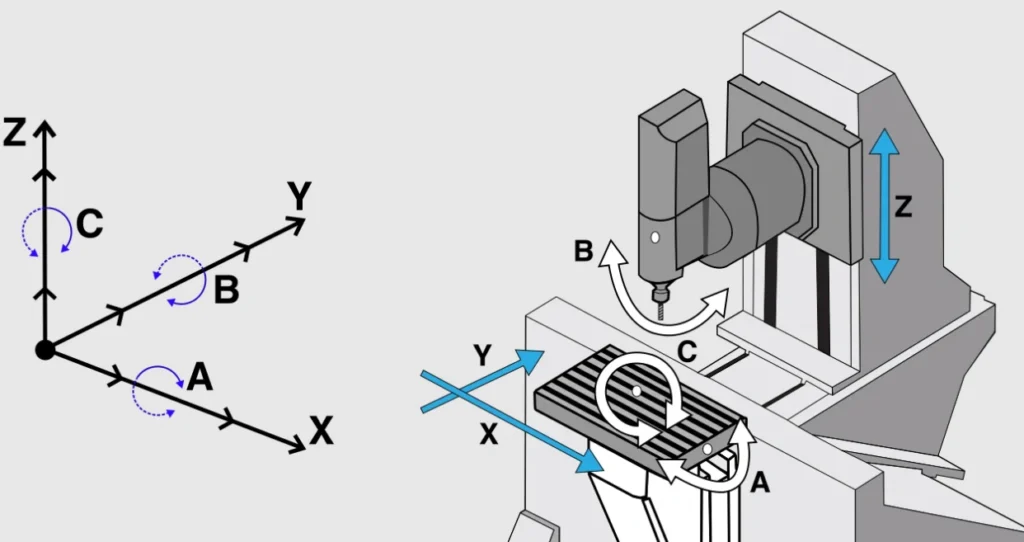
How to Design CNC Parts for Low Volume Production
Master CNC low volume production design with practical factory tips. Learn how to avoid complex fixtures, use standard tools, and optimize machining cycles to reduce costs and lead times for small batch CNC parts. Real manufacturing advice from the shop floor.
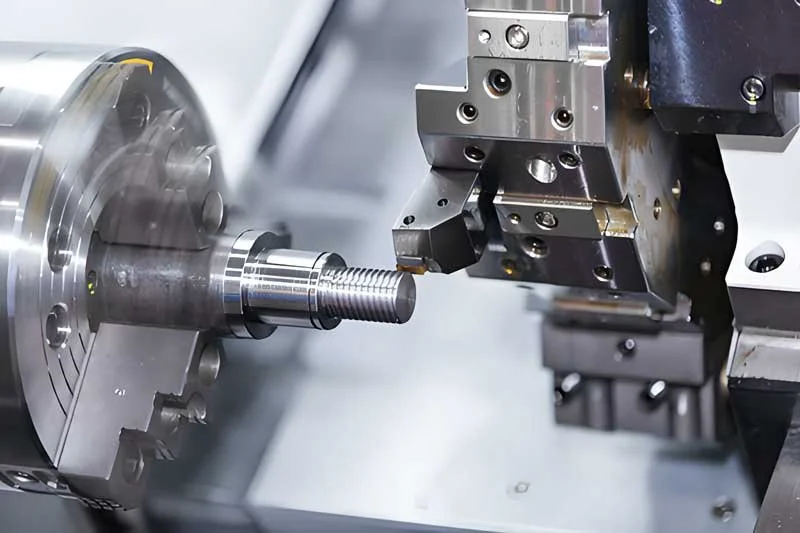
Why Deep Pockets Increase CNC Machining Costs
Understand why deep pocket CNC machining drives up costs due to high tool length-to-diameter ratios, increased machining time, vibration risks, and reduced dimensional accuracy. Get practical DFM optimization suggestions to control expenses while maintaining part functionality.
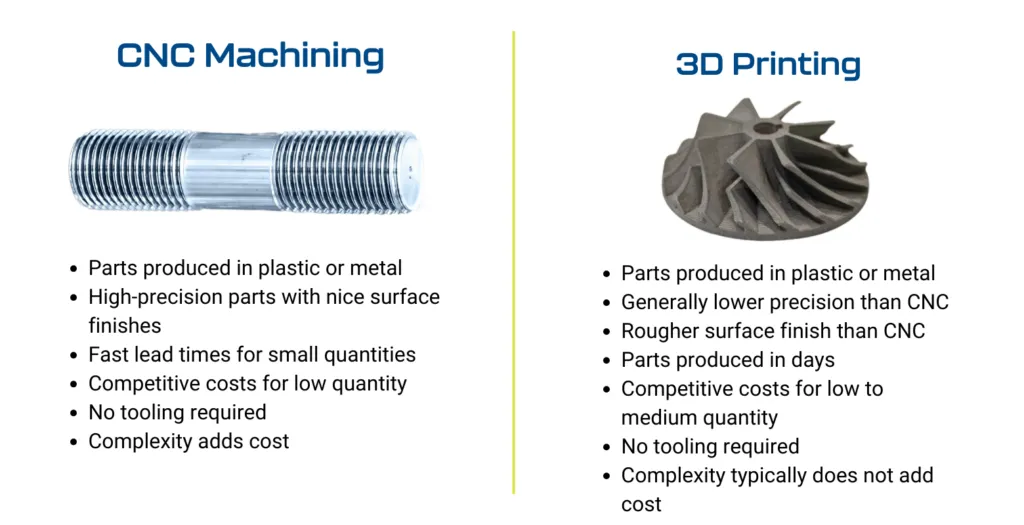
CNC Machining vs 3D Printing Design Rules: What Engineers Should Know
Compare CNC machining and 3D printing for your projects. Learn about tolerances, material strength, and surface finish to choose the best manufacturing process for your prototypes and parts.
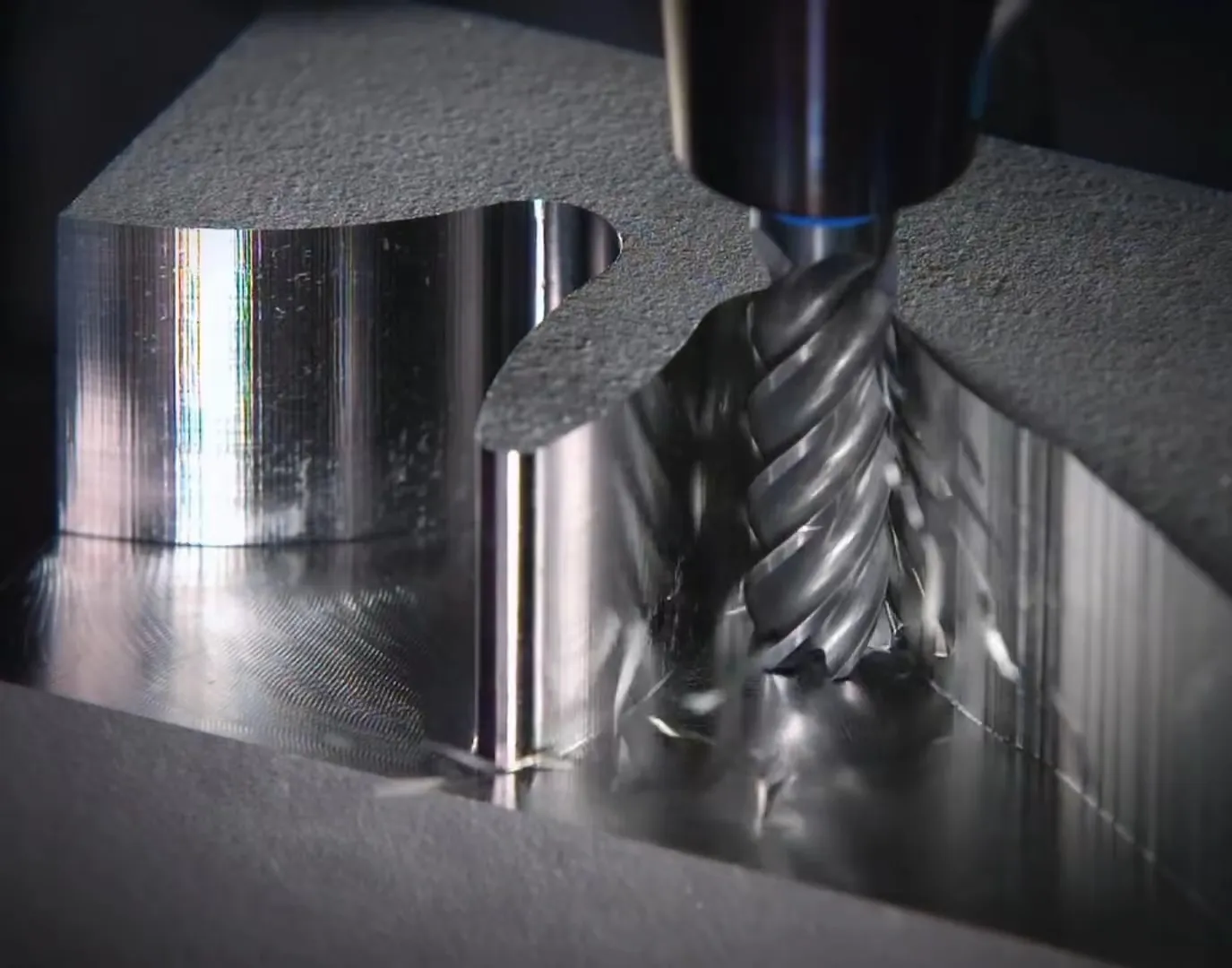
Internal Corner Radius Design Guidelines for CNC Parts
Learn essential CNC internal corner radius design guidelines from a production perspective. Discover minimum radius recommendations, tool selection strategies, why sharp corners cause problems, and how proper fillet design improves machining efficiency, reduces tool wear, and lowers overall manufacturing costs for CNC parts. Practical DFM tips for designers.
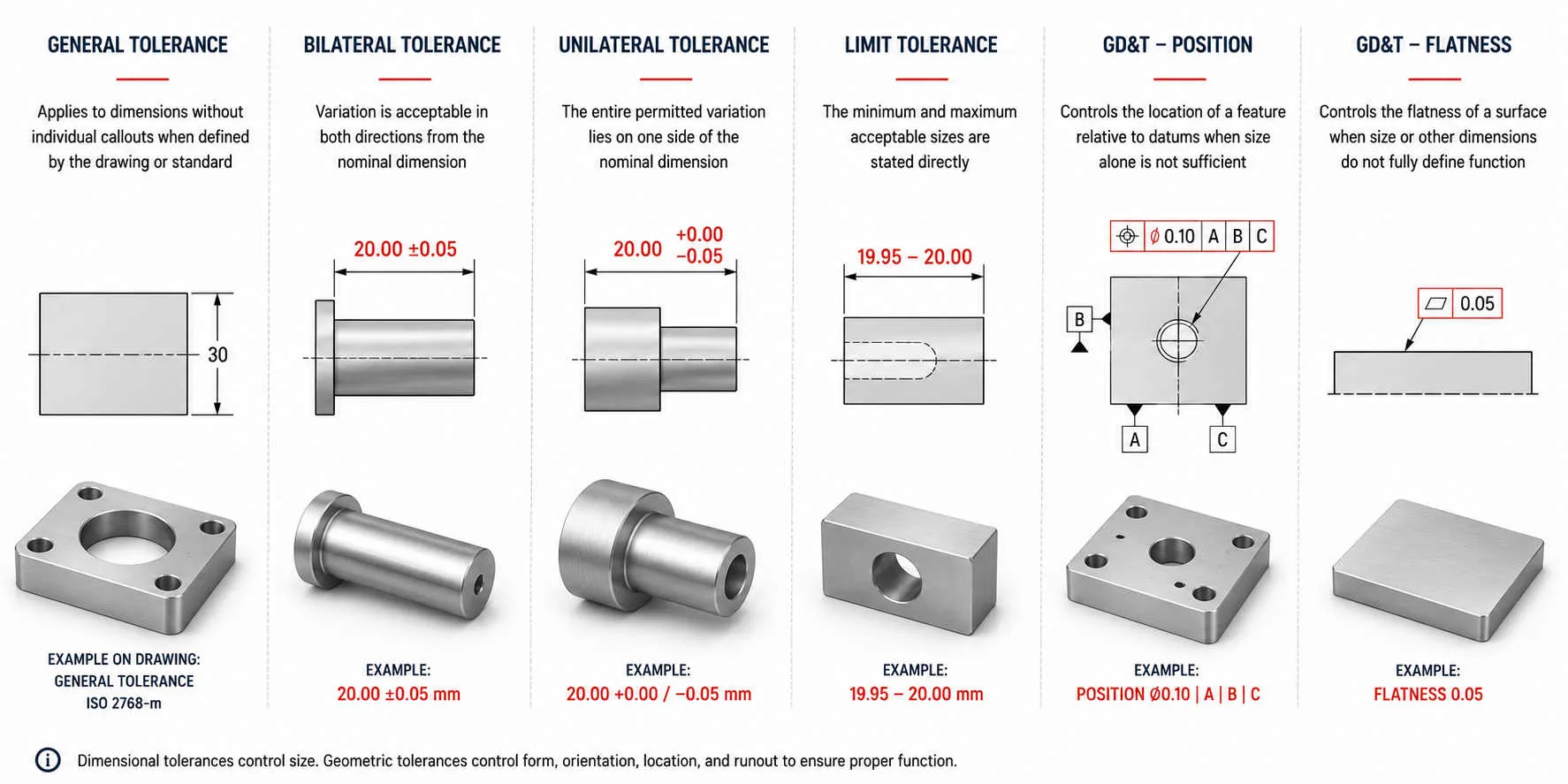
Hole Design Guidelines for CNC Machining
Follow practical CNC hole design guidelines covering depth-to-diameter ratios, minimum hole sizes, spacing, edge distance, threaded holes, and tolerances. Learn how to use standard drill sizes, avoid common production issues, and improve manufacturability for better accuracy, lower costs, and faster CNC machining cycles from a factory perspective.

CNC Machining Wall Thickness Guidelines: How Thin Can You Machine?
Practical CNC machining wall thickness guidelines for aluminum, steel, and plastics. Learn real minimums (0.8 mm aluminum, 1.5 mm plastics), why thin walls deform, and how we handle ribs, fixturing, and CAM adjustments to hit tolerances without scrap. Factory DFM realities for designers.
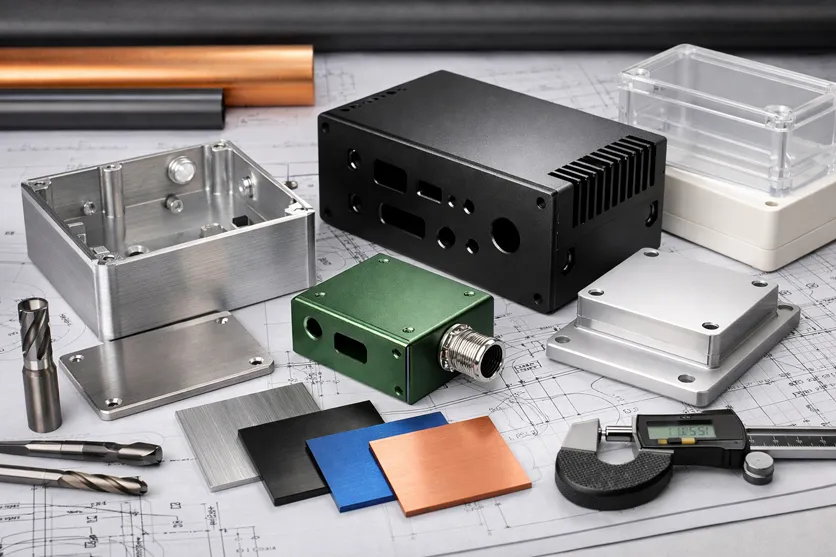
CNC Machined PCB Enclosure Design Guidelines
Discover CNC machined PCB enclosure design guidelines straight from a production PCB factory. This guide covers critical DFM realities including minimum wall thickness for aluminum enclosures, recommended internal corner radii and fillets, optimal machining direction to reduce setups, and precise mounting structure placement for reliable PCB integration.
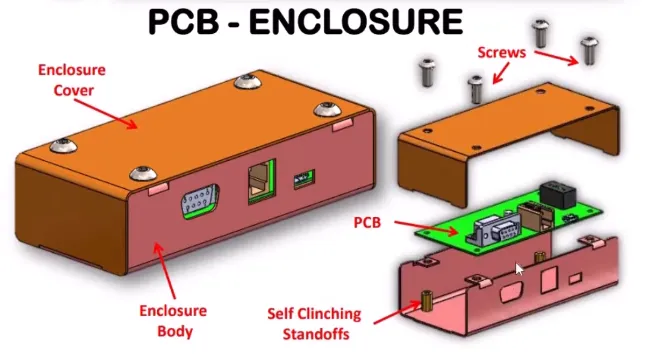
How to Design a CNC Enclosure for PCB Assembly
PCB CNC enclosure design tips straight from the factory CAM team. How we manage board outline tolerances, mounting hole registration, connector clearances, and assembly constraints to guarantee smooth fit into CNC-machined housings. Real-world production rules and recommended clearances.
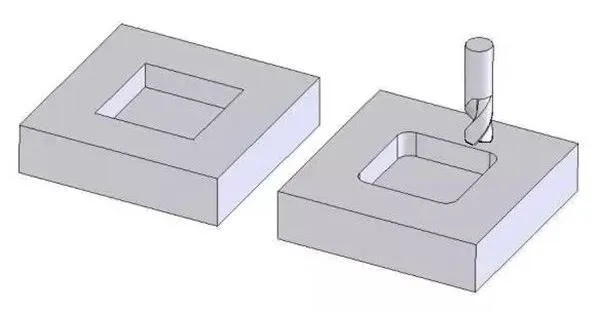
Why Sharp Internal Corners Cause Problems in CNC PCB Enclosures
Understand how CNC enclosure corner radius limitations from tooling affect PCB fit, component clearance, and assembly. Practical design adjustments for sharp corner specifications, tolerances, and layout keep-outs to prevent interference and mechanical stress.
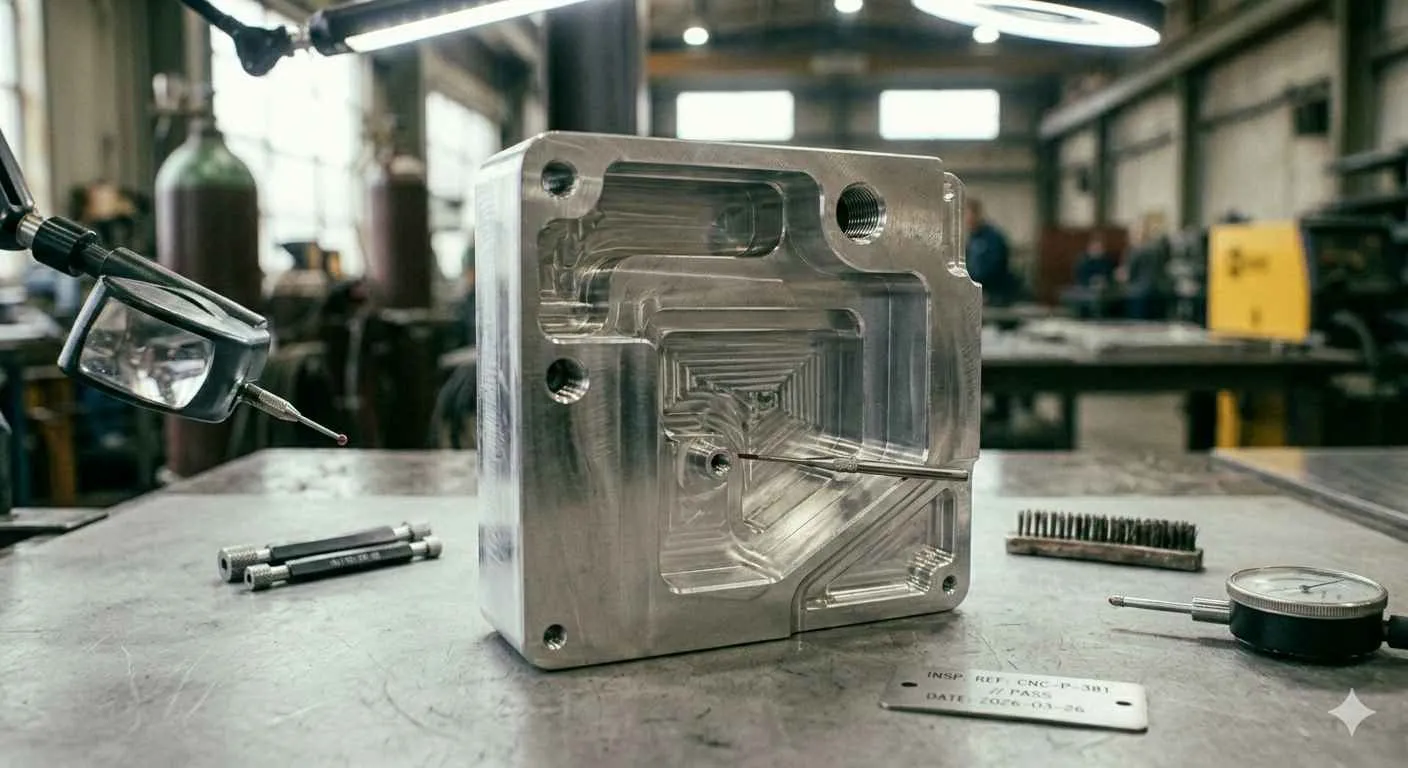
Incorrect PCB Mounting Hole Design in CNC Enclosures
Learn common PCB mounting hole design problems with CNC enclosures including hole position tolerance, screw clearance, misalignment risks, and practical layout rules to prevent assembly failures and long-term reliability issues. Real engineering guidance.
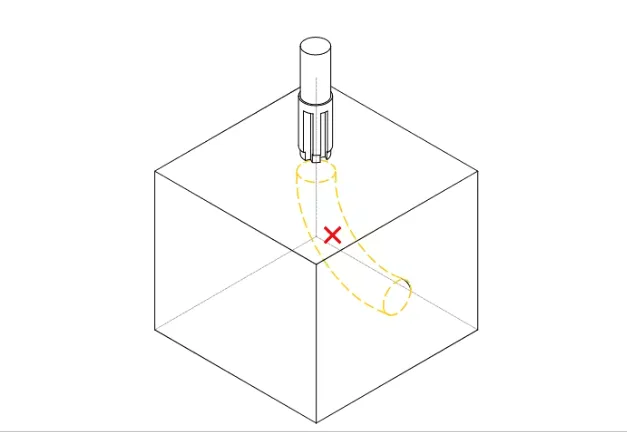
10 Common CNC Machining Design Mistakes That Increase Your Part Cost
Discover the top CNC machining design mistakes like deep cavities, thin walls, sharp corners, tight tolerances, and complex structures that drive up costs. Practical DFM tips for better manufacturability and lower quotes.
CNC Machining Design Guidelines: How to Prepare Your CAD File for Manufacturing
Learn practical CNC machining design guidelines from a real production shop. Discover exact CAD file requirements, STEP/STP best practices, tolerances, material specs, surface treatments, and pre-quote preparation to avoid delays and scrap.


