Deep pockets drive up CNC machining costs faster than most designers expect. The limitations appear in tool selection, cycle times, and quality. In DFM reviews these features consistently trigger cost adders or redesign requests.
Deep Cavity Machining Limitations in Practice
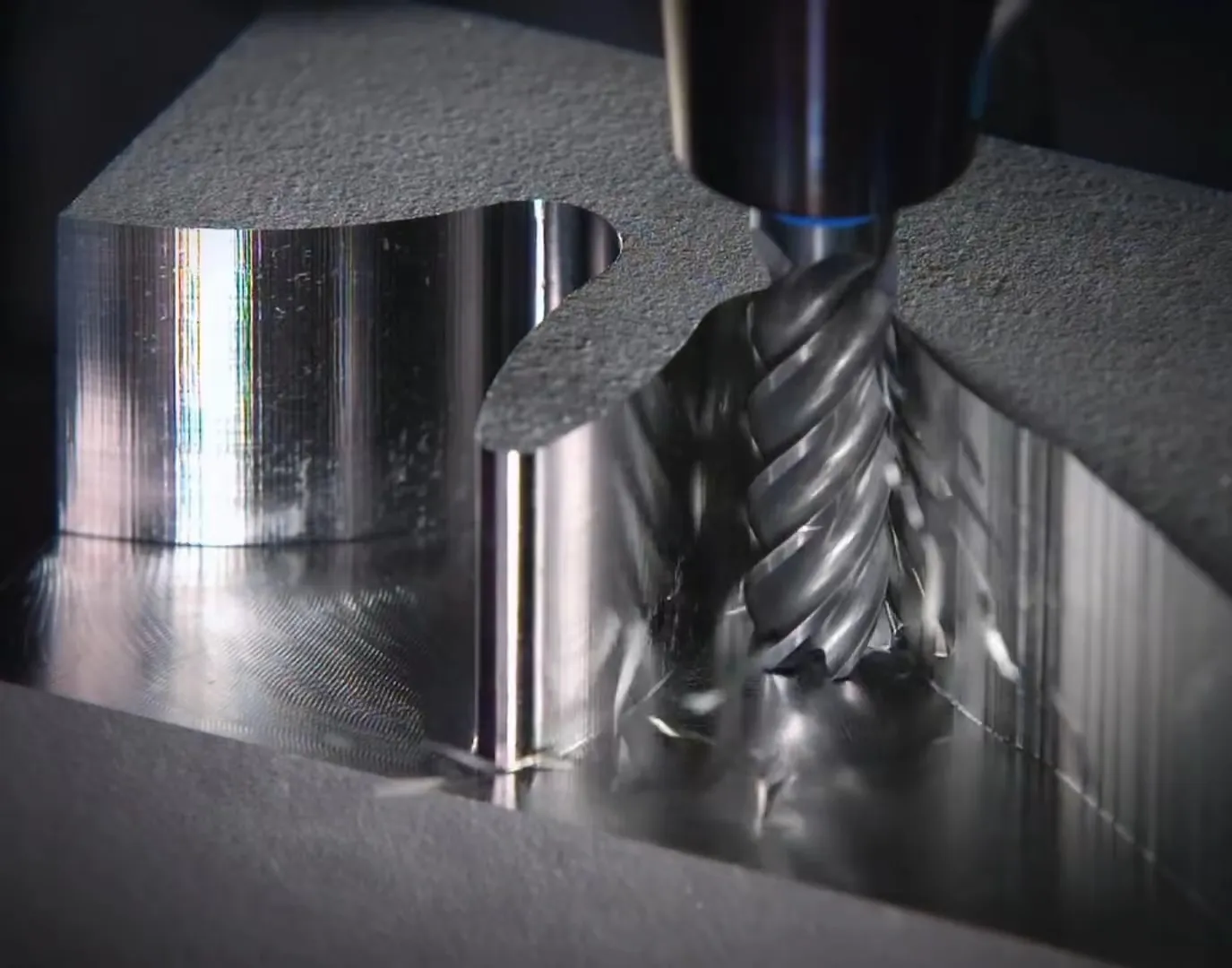
Standard end mills work well for shallow features. Once depth exceeds 3-4 times the tool diameter, everything changes. Deep pocket CNC machining requires longer tools that deflect more easily and remove material slower.
Many layouts push pocket depths to save weight or fit components. The trade-off appears on the quote.
Tool Length-to-Diameter Ratio Challenges
The length-to-diameter ratio is the biggest constraint. Tools with L/D over 5:1 become unstable. For deep pockets you often need 8:1 or higher. These special tools cost more and break more easily.
Carbide is preferred but still flexes under cutting forces. Smaller diameters needed for detail make the problem worse. Shops charge extra for these tools and the reduced feeds and speeds they require.

Increased Machining Time and Multiple Passes
Deep pockets demand conservative parameters. Lower feed rates, shallower depths of cut, and more passes add significant cycle time. What might take minutes on a shallow feature can take hours in deep pockets.
Roughing, semi-finishing, and finishing operations each need separate toolpaths. Tool changes and slower spindle speeds compound the cost. Machine time is one of the largest factors in any CNC quote.
Chip Evacuation Problems in Deep Features
Chips pack in deep pockets. Poor evacuation leads to recutting, higher tool wear, and surface defects. This forces even slower parameters or special coolant strategies that increase cost.
Tool Vibration Risk and Surface Quality
Vibration (chatter) becomes common in deep pocket CNC machining. It leaves poor surface finish and can damage the part or tool. Shops often reduce parameters further to stay safe, adding more time.
In electronics enclosures or heatsinks, this vibration can create dimensions out of tolerance or require secondary operations like hand finishing.

Dimensional Accuracy Decline with Depth
Tolerance holding gets harder as depth increases. Tool deflection causes tapered walls or out-of-square bottoms. Positional accuracy suffers too. What starts as ±0.05mm on paper often becomes ±0.15mm or worse in deep features.
This forces designers to loosen tolerances or add costly post-machining steps. Both impact the final price.
DFM Optimization Suggestions for Deep Pockets
Design with machining reality in mind. Limit pocket depth to 4-5 times the minimum feature width when possible. Use drafted walls instead of straight. Larger corner radii allow bigger, stiffer tools.
Consider splitting deep features into stepped pockets. Through pockets are better than blind ones when geometry allows. Talk to the machine shop early — they can suggest practical changes that cut cost without hurting function.

When Deep Pockets Are Unavoidable
Sometimes depth is required. In those cases, specify the most important dimensions and allow generous tolerances on others. Choose materials that machine well. 6061 aluminum behaves better than harder alloys in deep features.
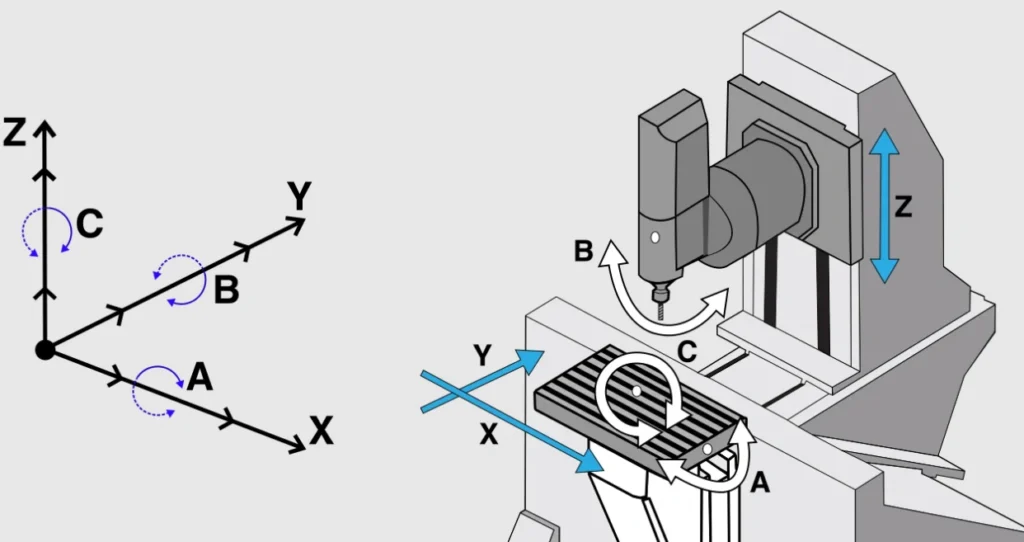
Review the complete part for access. If multiple deep pockets face different directions, consider multi-setup costs or 5-axis capability. All of it adds to the final CNC machining price.
A good HDI-related enclosure or heatsink design balances electrical and mechanical needs. Catching deep pocket issues during layout prevents expensive surprises later.