When CNC Machining Outperforms 3D Printing in Production-Ready Designs
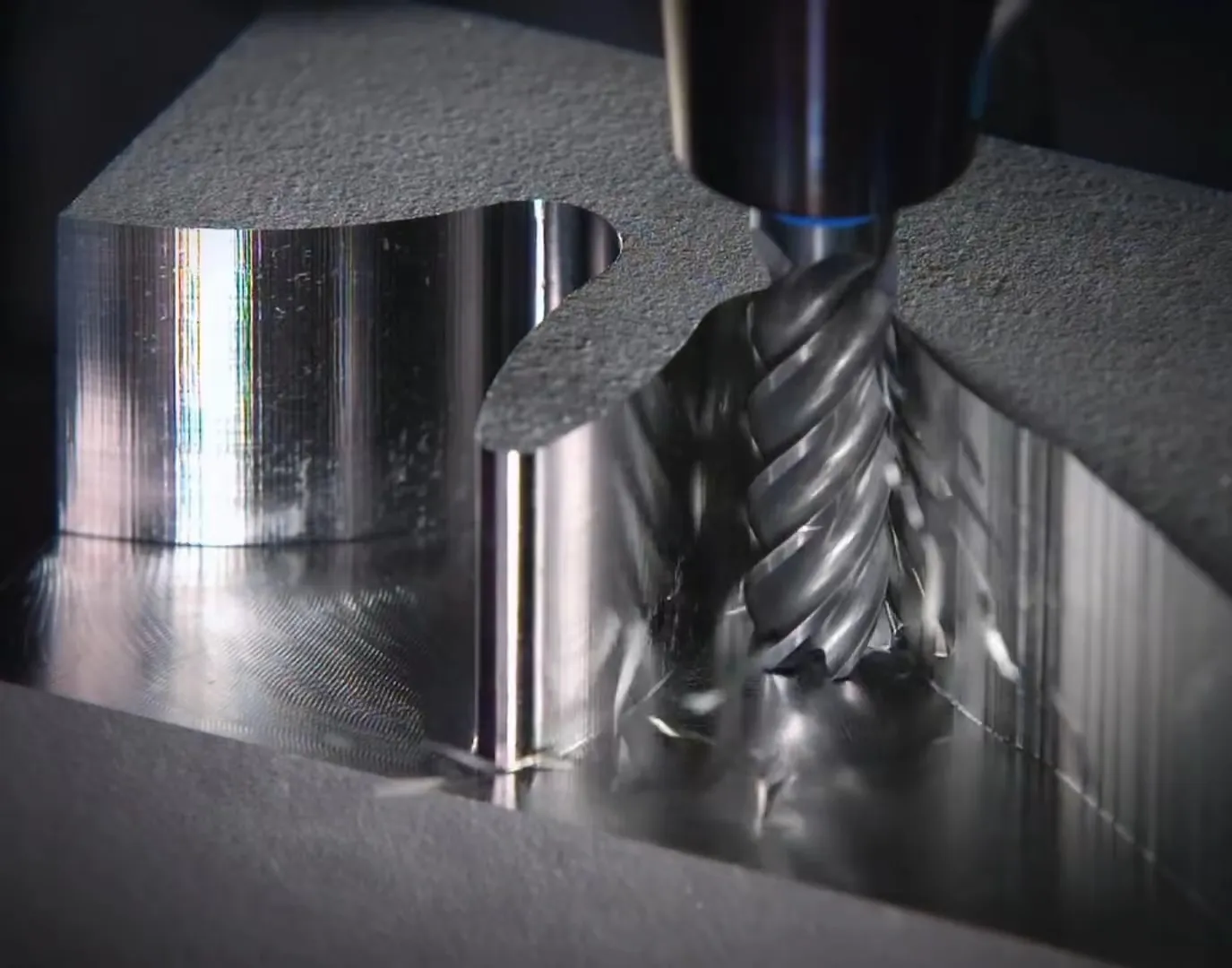
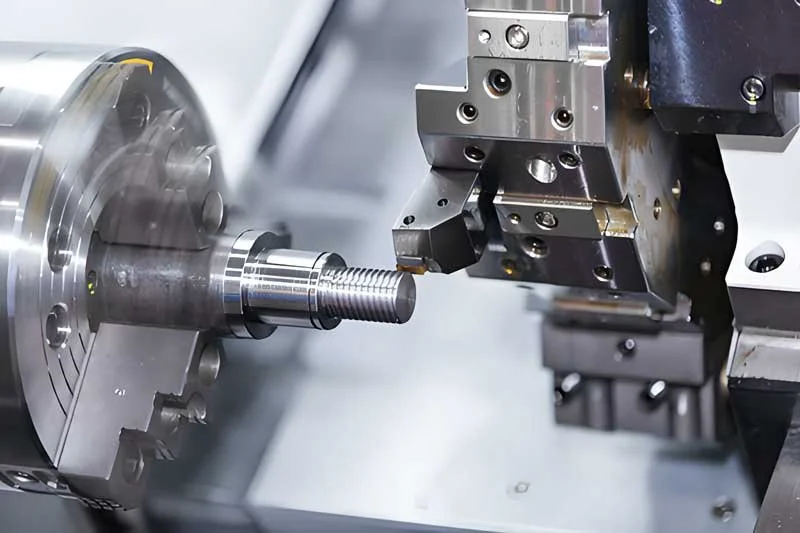
From the shop floor, CNC machining delivers tighter tolerances, better surface finish, and stronger parts for most functional prototypes and low-volume production. 3D printing shines for complex geometries and rapid early-stage concepts where speed trumps precision. Choose CNC when your design needs mechanical performance and accuracy; go with 3D printing when internal features or quick iterations matter more than final tolerances.

CNC Machining vs 3D Printing Design Rules at a Glance
| Aspect | CNC Machining | 3D Printing |
|---|---|---|
| Design Restrictions | Tool access, no deep undercuts without multi-setup | Support structures, overhang limits (typically 45°) |
| Minimum Wall Thickness | 0.5–1 mm depending on material | 0.8–2 mm, varies by process and orientation |
| Accuracy / Tolerances | ±0.025–0.125 mm typical | ±0.1–0.3 mm, layer-dependent |
| Material Options | Metals, engineering plastics, broad selection | Limited by filament/resin/powder, anisotropic properties |
| Post-Processing | Minimal for functional parts | Support removal, sanding, curing often required |
| Lead Time for Prototypes | Days, setup-dependent | Hours for simple parts |
Decision Matrix: CNC vs 3D Printing for Your Design Needs
| If your priority is... | Better Choice | Why |
|---|---|---|
| Fastest early concepts | 3D Printing | No tooling, quick iteration from digital file |
| Tight tolerances and strength | CNC Machining | Superior accuracy and isotropic mechanical properties |
| Complex internal geometries | 3D Printing | Builds features impossible or costly with CNC |
| Functional end-use parts | CNC Machining | Better surface finish and material performance |
| Low-volume production | CNC Machining | Consistent quality without extensive post-processing |
Design Restrictions: Tool Access vs Layer-by-Layer Freedom
During DFM review, CNC machining forces us to consider tool reach and fixturing. Deep pockets, sharp internal corners, and undercuts increase setups and cost. 3D printing removes many of these constraints but introduces support requirements for overhangs and orientation dependencies that affect strength.
In production, we see CNC struggling with highly organic shapes while 3D printing handles them easily but often needs design adjustments for printability. The trade-off becomes noticeable when balancing complexity against mechanical requirements.

Wall Thickness and Feature Size Considerations
Wall thickness rules differ significantly. CNC can reliably produce thinner walls in rigid materials but risks vibration or deflection on very thin features. 3D printing minimums are higher to ensure successful layer bonding and often require extra thickness in the build direction for durability. We normally recommend checking orientation early for 3D to avoid weak thin walls.
Accuracy, Tolerances, and Material Performance
CNC machining consistently achieves tighter tolerances across metals and plastics, delivering parts that perform closer to final production intent. 3D printing accuracy varies by technology and can suffer from shrinkage or anisotropy, making it less ideal when mating parts or precise fits are critical. Material choices in CNC are broader and more production-representative.
Post-Processing Requirements and Lead Time Impacts
Post-processing is where 3D printing often adds hidden time. Support removal, surface smoothing, and heat treatment are common, while CNC parts frequently ship with excellent as-machined finish. This affects overall prototype turnaround when comparing the two options side by side.

Factory Perspective on CNC Machining vs 3D Printing Design Reviews
In the shop, we evaluate designs based on DFM for both processes. CNC requires consideration of fixturing and tool access during CAM preparation, impacting yield on complex parts. 3D printing allows faster setup but demands print orientation optimization and support strategy. We typically recommend CNC for parts that need functional testing under load and 3D printing for form-fit studies or highly intricate internal channels. Panel utilization doesn't apply here, but machine time and material waste do influence recommendations based on quantity.
Which Manufacturing Method Should You Choose?
Choose CNC Machining if you:
- Need high accuracy, tight tolerances, and strong isotropic parts
- Are designing for functional prototypes or low-volume end-use
- Require production-like materials and surface finish
- Have designs with straightforward external features
Choose 3D Printing if you:
- Need rapid iterations and complex internal geometries
- Are in early conceptual or visual prototype stages
- Want to avoid tooling costs for one-off parts
- Can accommodate design adjustments for printability
Frequently Asked Questions
Q1: Can 3D printing achieve the same tolerances as CNC machining?
A1: Generally no. CNC offers superior precision for critical dimensions, while 3D printing is better suited for non-critical features or when post-machining is added.
Q2: Which is cheaper for small batch production: CNC or 3D printing?
A2: CNC often becomes more economical beyond a few parts due to lower per-part post-processing and better material utilization.
Q3: How do material properties compare between the two processes?
A3: CNC parts are stronger and more isotropic. 3D printed parts can be anisotropic depending on build direction, affecting load-bearing applications.
Q4: What design changes are most common when switching from CNC to 3D printing?
A4: Adding fillets, adjusting overhangs, and thickening walls to meet print requirements while maintaining functionality.
Q5: Is post-processing more intensive for 3D printing?
A5: Yes, support removal and surface finishing often add significant time compared to as-machined CNC parts.