










Sheet Metal Applications
Sheet metal applications demonstrate the versatility and critical role of fabricated metal components in modern engineering and everyday products. From precision electronics housings to large-scale industrial equipment, sheet metal delivers lightweight strength, excellent thermal and electrical performance, and scalable production capabilities across countless sectors. This category explores diverse real-world uses, including consumer electronics enclosures, automotive body panels and structural parts, aerospace components, HVAC systems, medical device frames, renewable energy infrastructure, and custom industrial machinery. Articles highlight how engineers adapt sheet metal solutions to meet specific demands for durability, electromagnetic shielding, heat dissipation, corrosion resistance, and aesthetic appeal. Readers will discover practical case studies, industry-specific design considerations, and innovative implementations that solve common challenges such as weight reduction, assembly efficiency, and environmental resilience. Guides and tutorials provide insights into material-process combinations that deliver optimal performance while controlling costs and maintaining high quality standards. The content serves as a valuable reference for understanding how sheet metal applications continue to evolve with advancing technologies and market needs. Professionals can draw from these examples to inspire new projects, refine existing designs, and identify opportunities for improved functionality and manufacturing efficiency.
Latest Blogs
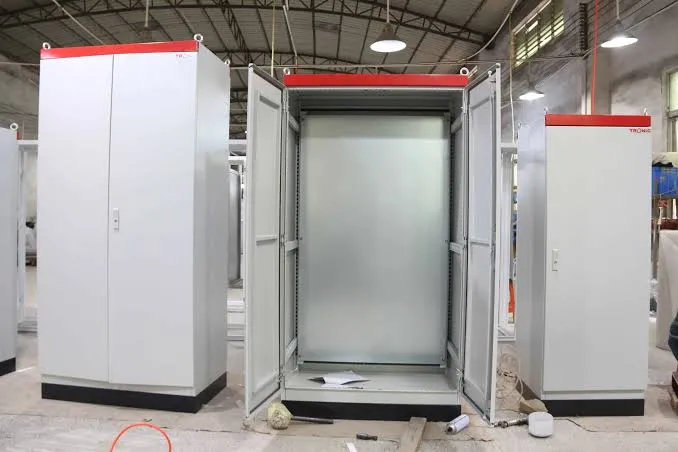
Outdoor vs Indoor Sheet Metal Enclosures: How to Choose the Right Design
Compare outdoor vs indoor sheet metal enclosure options. See differences in IP ratings, waterproofing, corrosion resistance, materials, coatings, UV & temperature performance. Practical factory guide to select the right design.
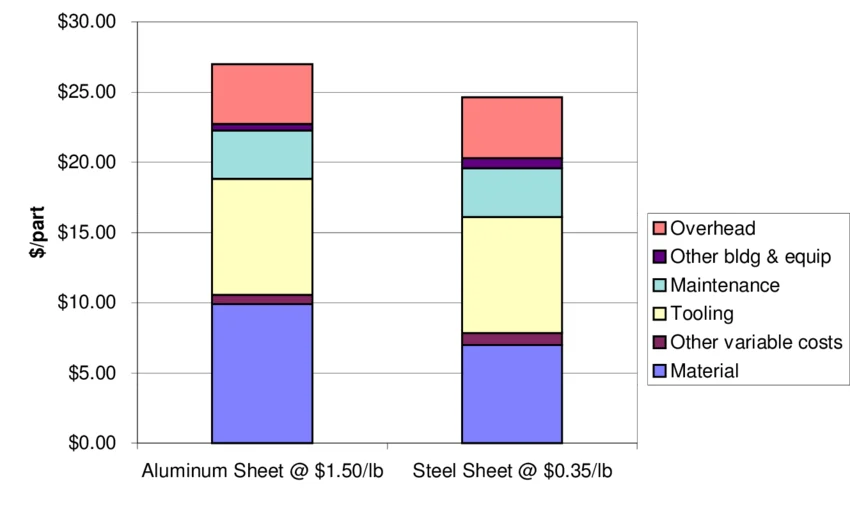
Aluminum vs Steel Server Chassis: Which Material Is Better?
Aluminum vs steel server chassis comparison for high-density servers. Evaluate weight, strength, thermal performance, EMI shielding, processing cost, and shipping to select the better manufacturing option.
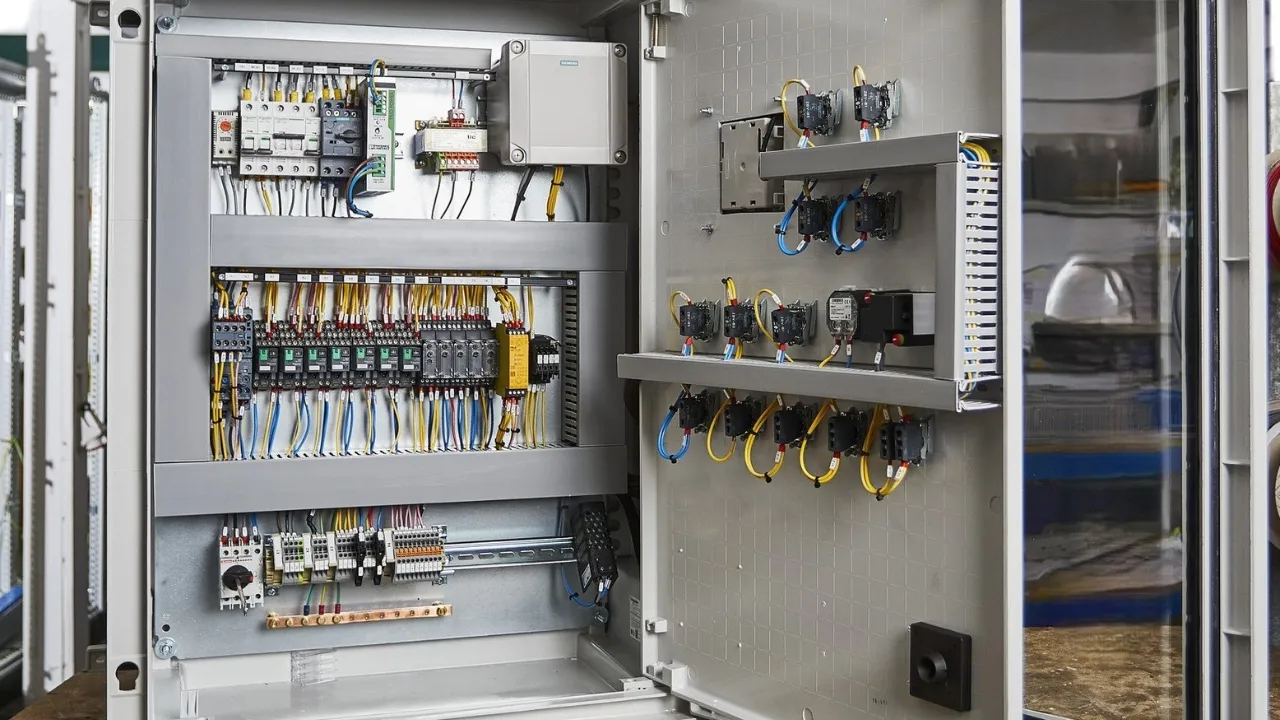
Sheet Metal vs Plastic Enclosures for Electronics: Which One Should You Choose?
Sheet metal vs plastic enclosure comparison for electronics. Learn factory trade-offs on cost, strength, EMI shielding, thermal performance, volume, and when each is the better manufacturing choice.
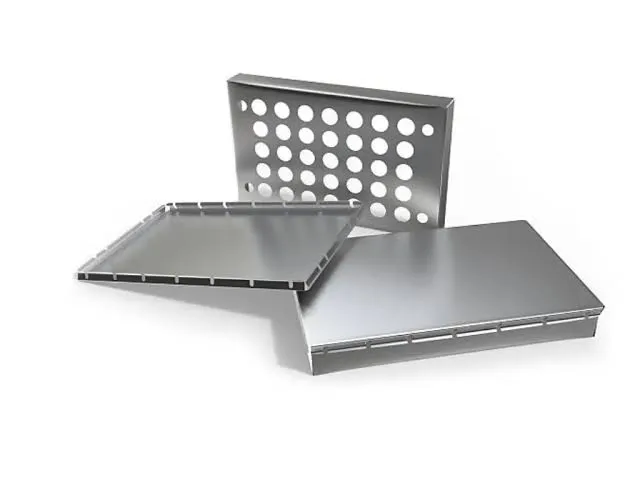
EMI Shielding Design Guide for Sheet Metal Enclosures
Practical sheet metal enclosure EMI shielding advice from production engineers: edge copper contact, via stitching, gasket landing, seam control, and real yield impact.
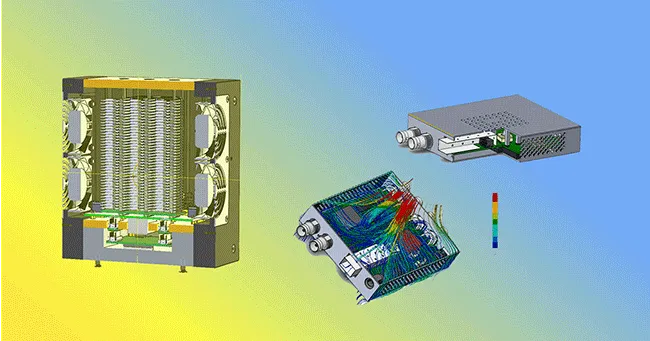
Thermal Management Design for Sheet Metal Electronic Enclosures
Practical sheet metal enclosure thermal management from a PCB fab perspective—heat paths, copper planes, vents, materials, and real production fixes that prevent overheating and field failures.
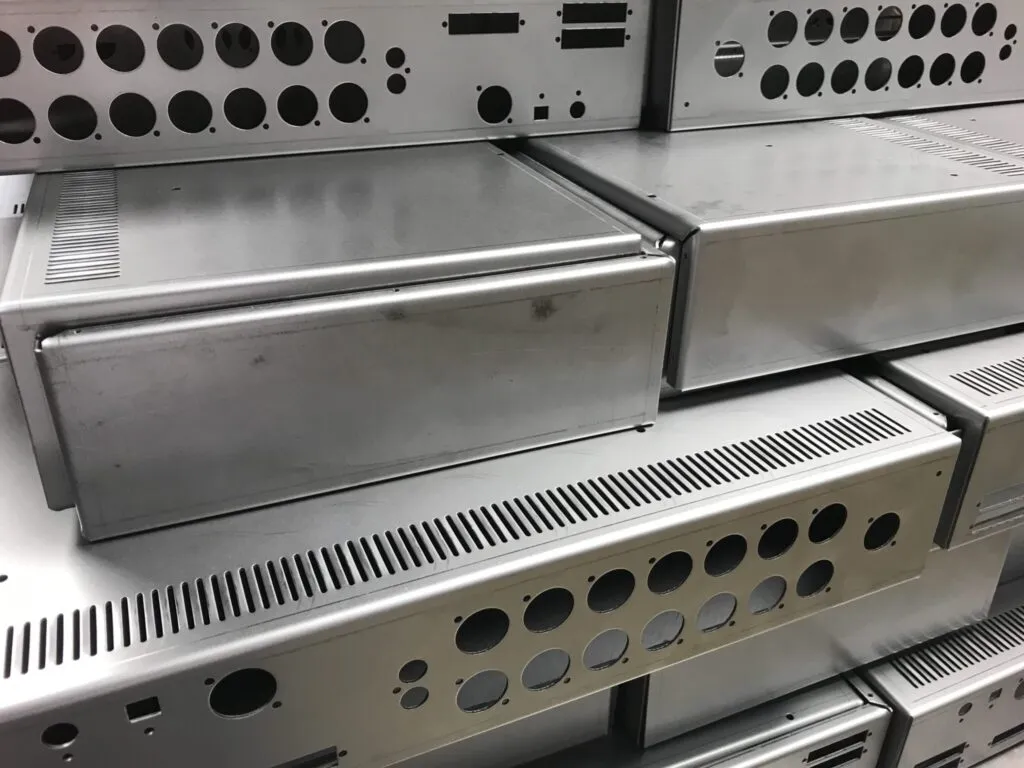
CNC Machining vs Sheet Metal Fabrication for Electronic Enclosures: Which Is Better?
CNC surface finish selection guide for real production. Choose finishes by function—corrosion, wear, appearance or conductivity—while balancing dimensions, material, cost and DFM to avoid scrap and delays.
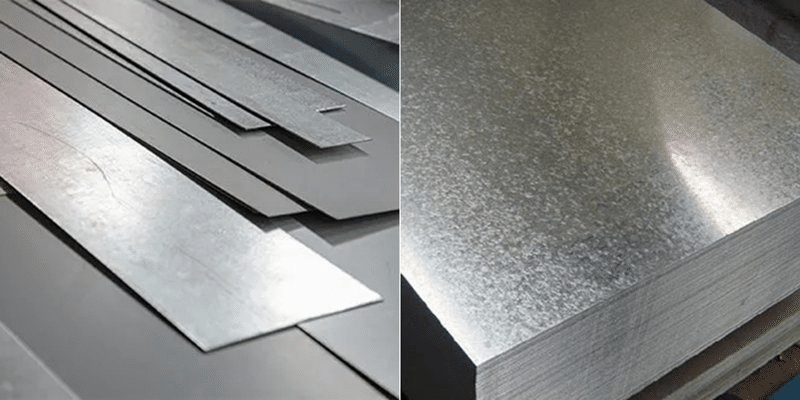
Best Sheet Metal Materials for Electronic Enclosures: Aluminum, Steel & Stainless Steel
Sheet metal materials for electronic enclosures compared: aluminum, CRS, stainless and galvanized. Practical guide on strength, weight, corrosion, thermal, EMI, cost and best-fit applications from the fab shop.
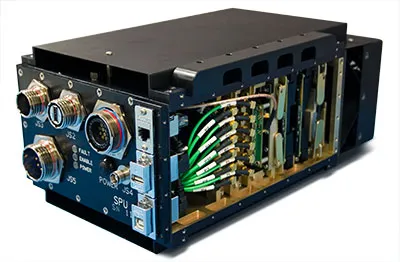
How to Design Sheet Metal Chassis for Electronics: A Complete Guide
Sheet metal chassis design for electronics explained. Practical guide on thickness, bend radii, holes, ribs, PCB mounting, fasteners, thermal paths and DFM rules to ensure clean forming and reliable assembly.
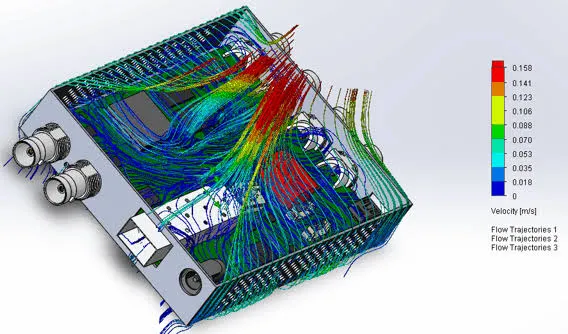
10 Common Electronic Enclosure Design Mistakes That Increase Manufacturing Costs
Discover 10 common electronic enclosure design mistakes that drive up manufacturing costs, including wrong materials, complex geometry, bend limit issues, tight tolerances, poor hole placement, assembly problems, EMI gaps, and thermal shortfalls. Practical DFM tips to reduce rework and expense.


