










CNC Materials
Choosing the right material is one of the most important decisions in CNC machining because it directly affects part performance, manufacturing cost, machining efficiency, and long term reliability. The CNC Materials tag brings together technical articles that help engineers, product designers, and sourcing professionals understand the characteristics of commonly machined metals and plastics, including their mechanical properties, machinability, corrosion resistance, thermal performance, surface finish compatibility, and typical industrial applications. Whether you are comparing aluminum alloys for lightweight components, evaluating stainless steel grades for demanding environments, selecting engineering plastics for electrical insulation, or deciding between titanium, brass, copper, and other specialty materials, the articles in this collection provide practical guidance based on real manufacturing considerations. In addition to material comparisons, you will find advice on balancing strength, weight, cost, tolerance requirements, and production volume to make more informed design and purchasing decisions. This collection is designed to answer the questions that arise during product development, prototype validation, and production planning. By reviewing these articles, you can better understand how material selection influences machining strategies, lead time, tool wear, finishing options, and overall project success. As new materials and comparison guides are added, this tag will continue to serve as a valuable resource for selecting the most suitable material for your next CNC machining project.
Latest Blogs
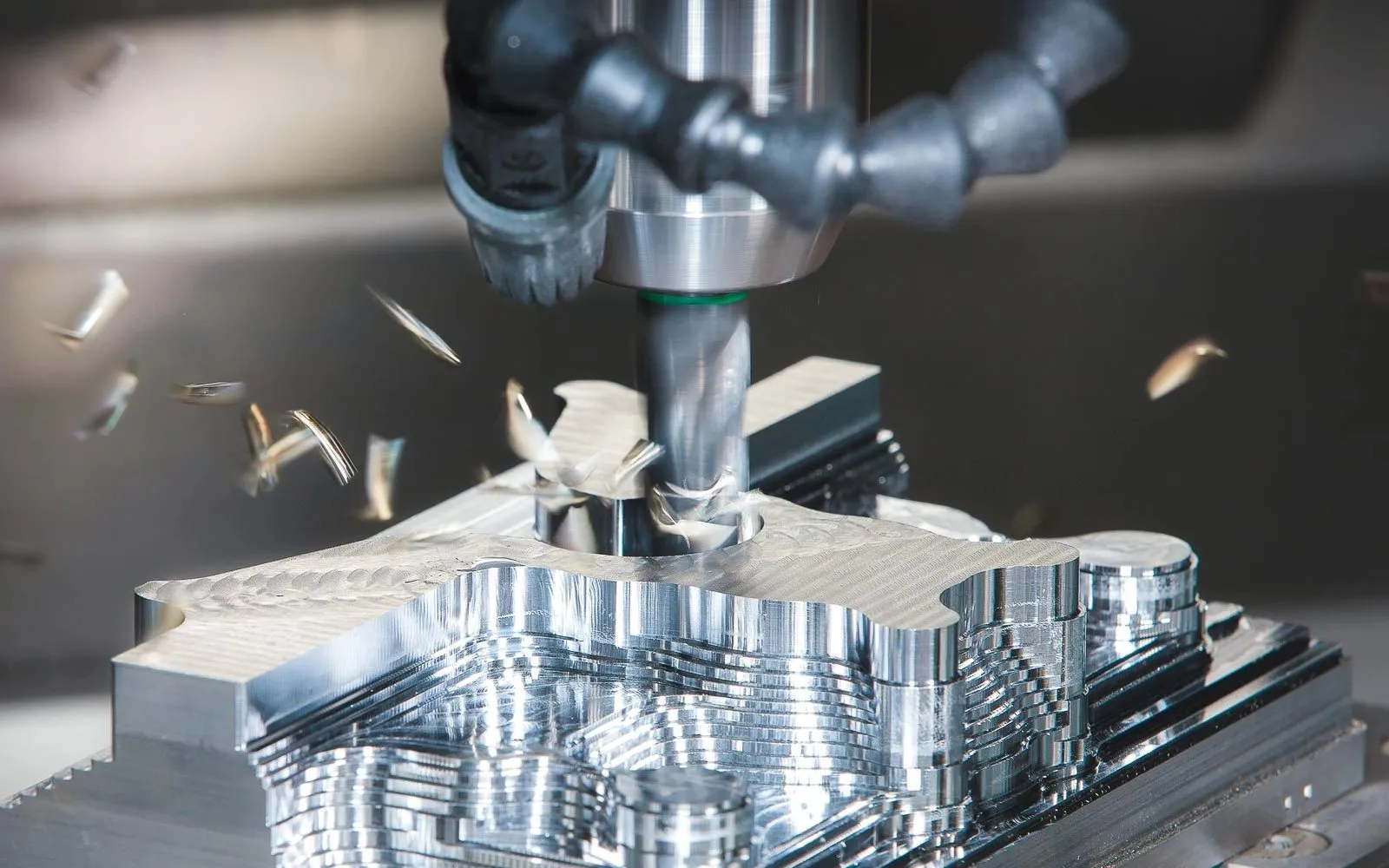
Best Materials for Prototype vs Production CNC Machining
Compare prototype vs production CNC material options. See cost, lead time, machinability, certification, and surface finish trade-offs so you pick the right alloy or plastic for each stage.
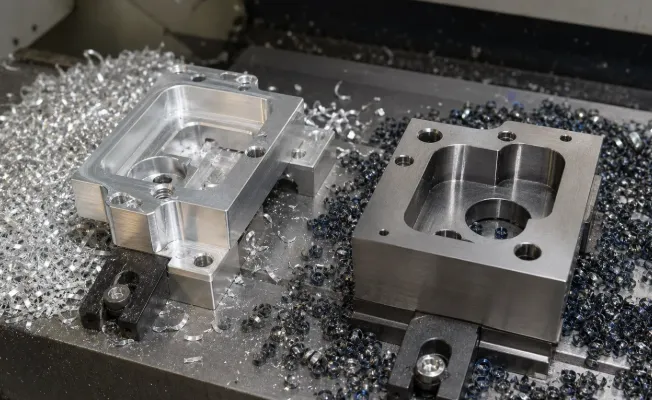
CNC Material Properties Explained: A Practical Guide for Design Engineers
Practical CNC material properties guide covering strength, hardness, density, thermal expansion, machinability and real factory selection rules so designers avoid tool wear, distortion and scrap.
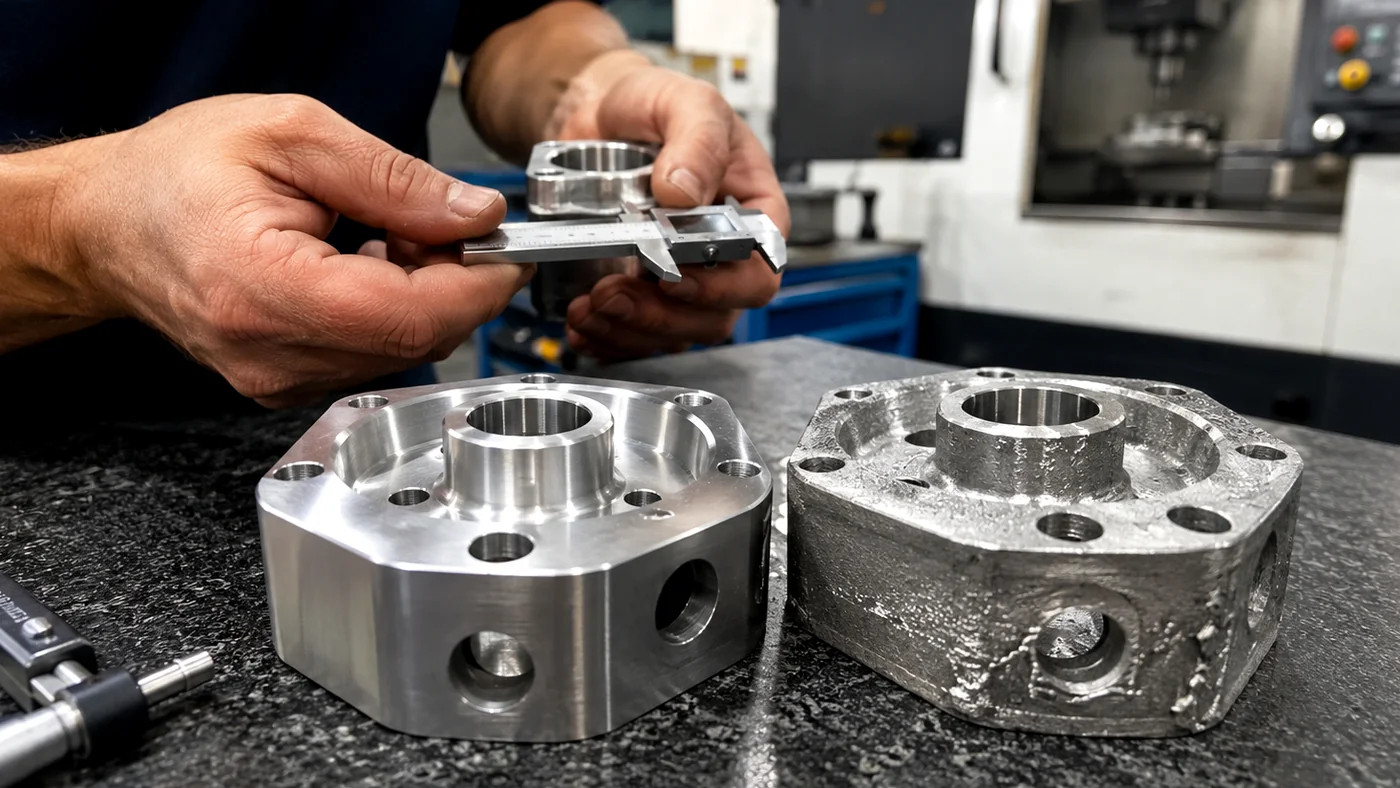
7 Common CNC Material Selection Mistakes That Increase Manufacturing Costs
Learn the CNC material selection mistakes that increase tool wear, cycle time, and scrap. Practical notes on price, machinability, tolerances, and finishes.
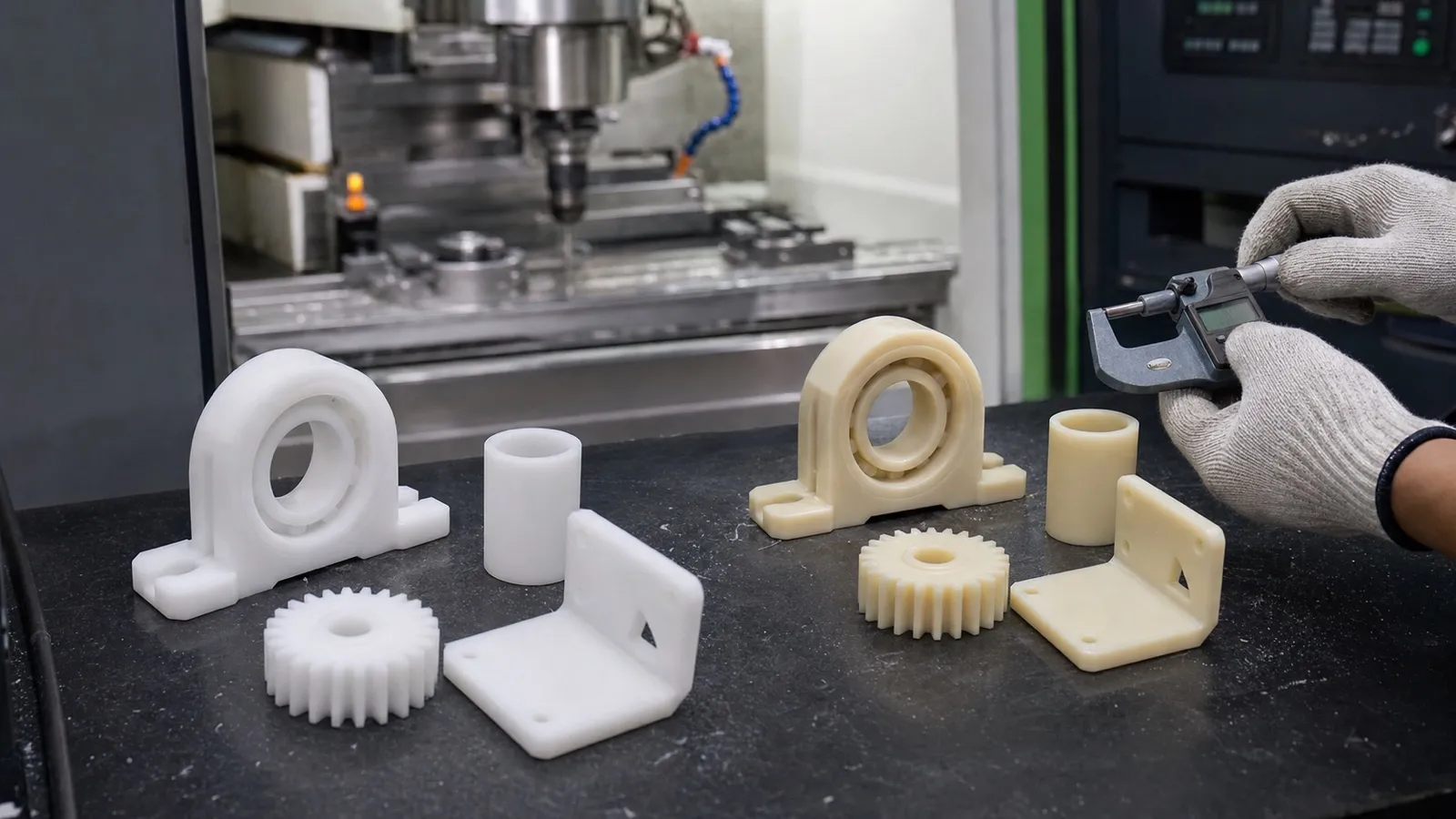
ABS vs POM vs Nylon: Choosing the Right Plastic for CNC Machining
ABS vs POM vs Nylon CNC machining comparison: Mechanical strength, wear resistance, chemical resistance, water absorption, dimensional stability, machinability & cost. Factory insights to help engineers choose the right plastic for prototypes, gears, bearings & precision components.
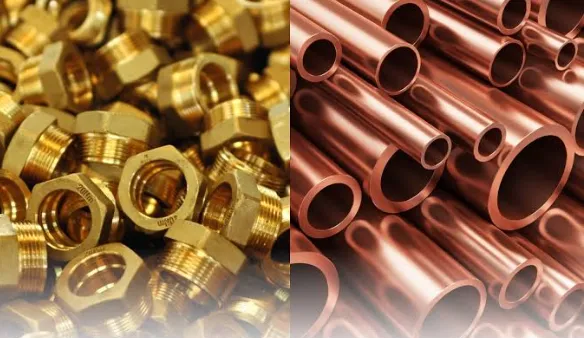
Brass vs Copper for CNC Machining: Which Material Performs Better?
Brass vs copper CNC machining comparison: Discover when free-cutting brass wins on cost, machinability & strength versus pure copper for superior conductivity in electronic connectors, terminals and heat sinks. Factory insights on real trade-offs.
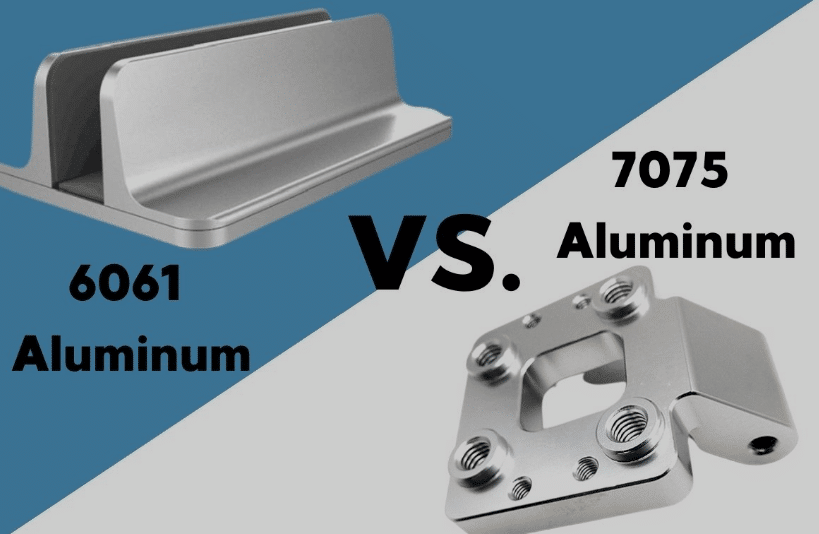
Aluminum 6061 vs 7075 CNC Enclosure for Electronics
Aluminum enclosure material comparison: 6061 vs 7075 for CNC electronics enclosures. Factory insights on strength, machinability, cost, corrosion resistance, and which alloy wins for your production needs.
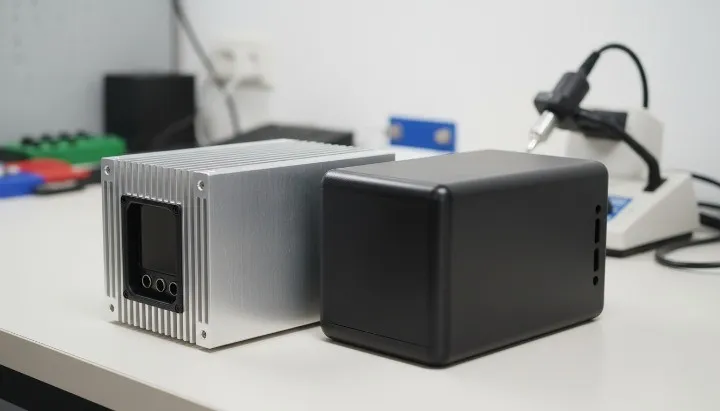
Aluminum CNC Housing vs Plastic Housing for PCB Devices
Aluminum CNC housing vs plastic enclosure for PCB devices: expert manufacturing comparison on weight, heat dissipation, EMI shielding, and cost. Factory insights for better production decisions.
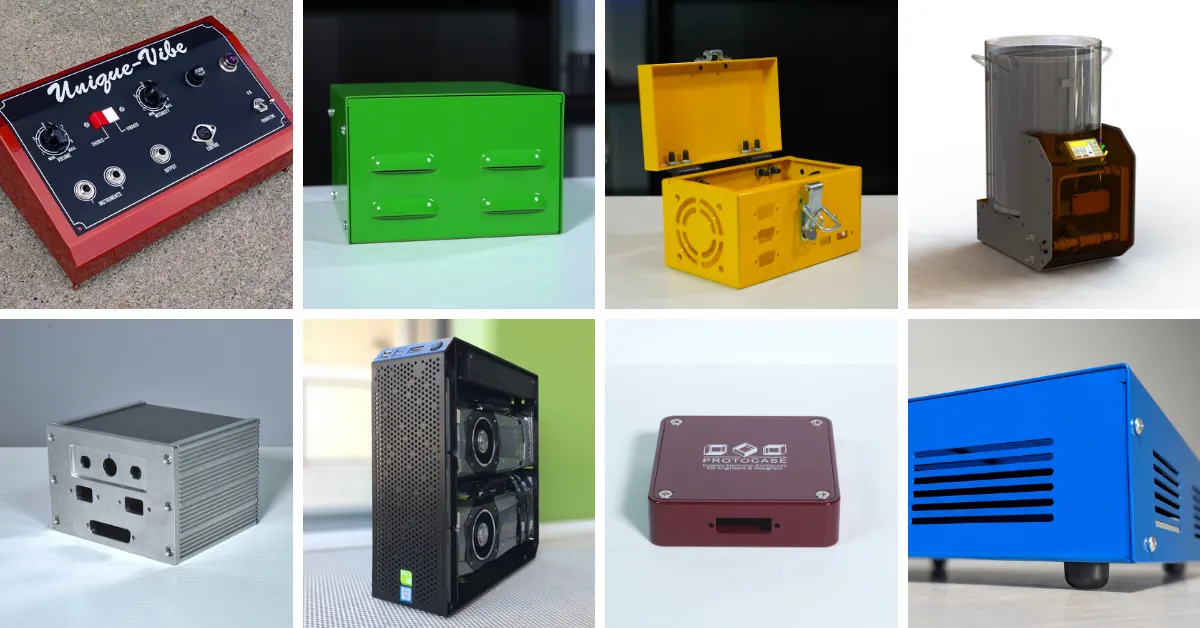
CNC Aluminum Enclosure vs Sheet Metal Enclosure for PCB Applications
CNC enclosure vs sheet metal enclosure comparison for PCB applications. Real factory insights on cost, strength, EMI shielding, appearance, and production volume. Which manufacturing choice fits your volume and requirements?
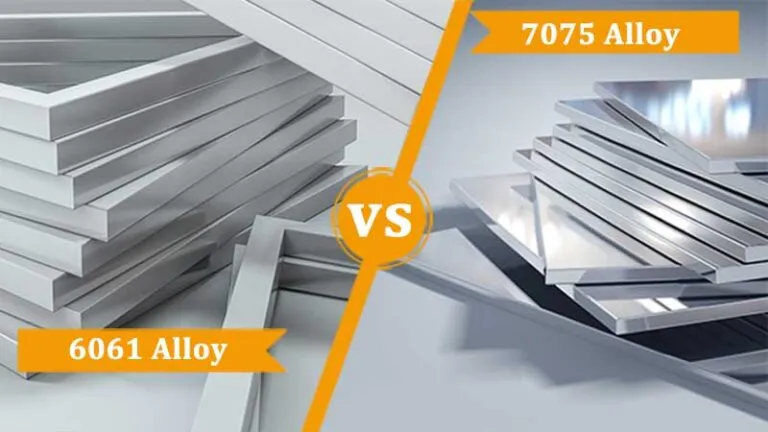
Aluminum 6061 vs 7075 CNC Machining: Which Alloy Is Better?
6061 vs 7075 aluminum CNC machining comparison: Real factory insights on strength, weight, machinability, corrosion resistance, and electronics applications. Which alloy wins for your production needs?


