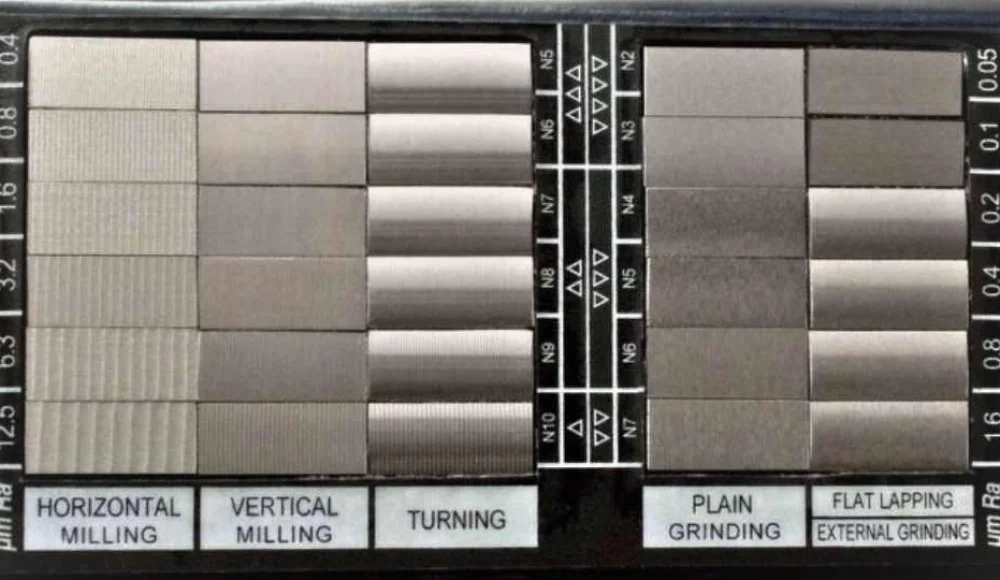
In production we treat CNC surface roughness Ra as a process capability number, not a wish list. Most shops running standard carbide end mills and inserts deliver Ra 1.6–3.2 µm on typical aluminum and steel parts without extra passes. Calling for Ra 0.8 µm or finer forces secondary finishing, longer cycle times, and higher scrap risk. The practical rule is simple: specify the roughest Ra that still meets function, then confirm the shop can hit it with the tools already in the carousel. Anything tighter gets flagged during CAM review and either relaxed or quoted with extra process steps.
What Ra Actually Means on the Shop Floor
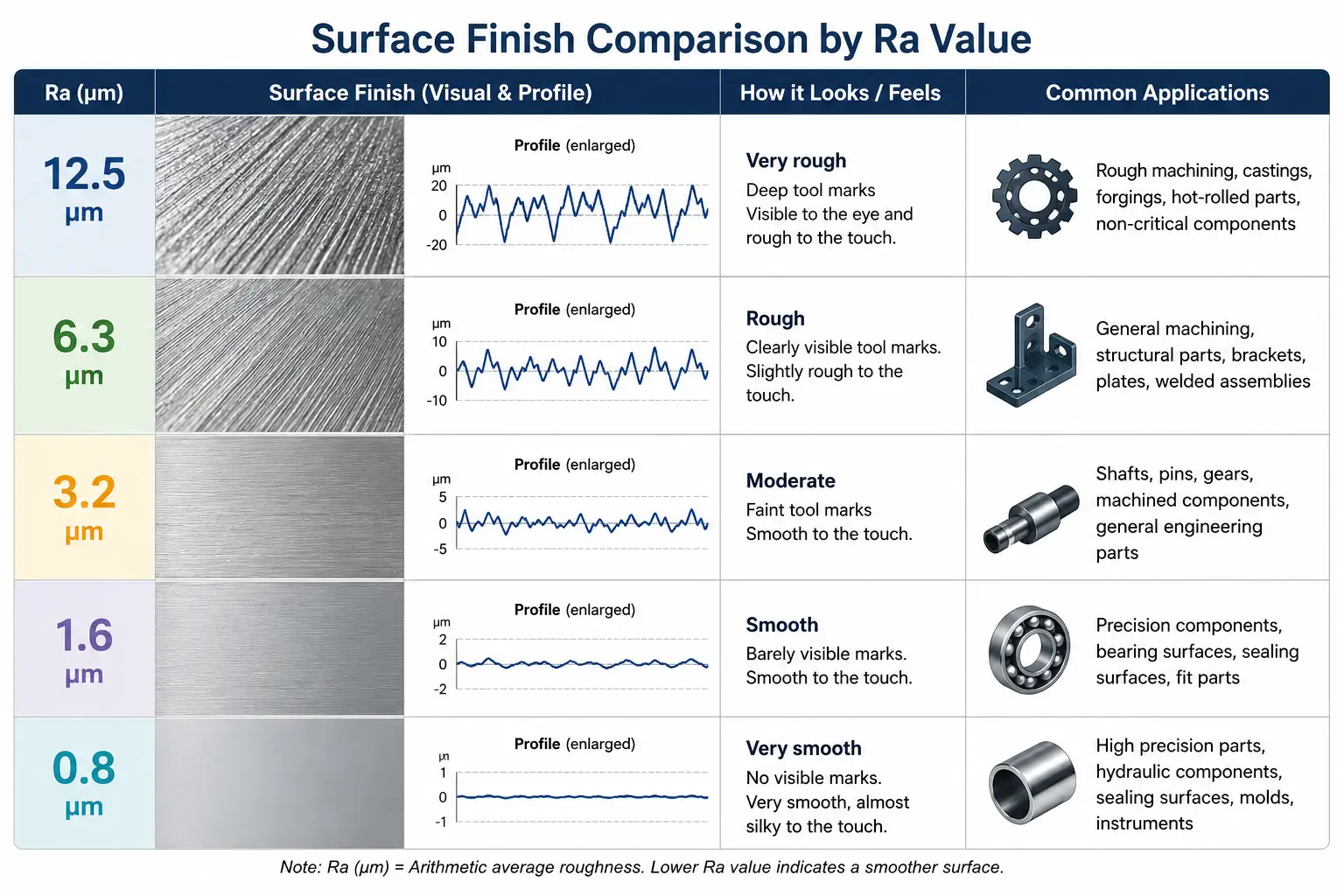
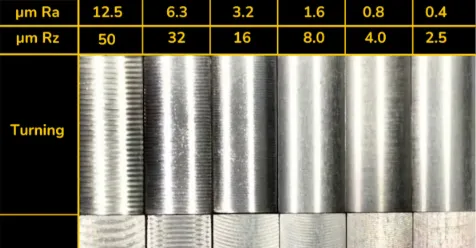
Ra is the arithmetic average of the absolute values of the profile height deviations from the mean line over a sampling length. On the floor that translates to how deep the tool marks are and how evenly they are spaced. A profilometer is used for verification; visual inspection alone is not reliable once the requirement drops below Ra 1.6 µm. Common callouts are Ra 3.2 µm (rough machining), Ra 1.6 µm (standard finish), Ra 0.8 µm (fine finish), and Ra 0.4 µm or better (requires grinding or polishing).
CNC surface roughness Ra is heavily influenced by tool geometry, feed rate, and material. A sharp carbide end mill running a light finish pass can routinely hold Ra 1.6 µm on aluminum. The same tool on stainless or titanium may only reach Ra 3.2 µm unless the feed is reduced and more passes are added. That is why the same drawing note produces different results across materials and shops.
Typical Ra Ranges by CNC Process
3-axis milling with standard end mills normally delivers Ra 1.6–3.2 µm on external surfaces and slightly higher in deep pockets where tool deflection increases. Turning with coated inserts sits in the same band. Face milling large flat areas can push toward Ra 0.8–1.6 µm when the feed per tooth is kept low and the cutter is sharp. Grinding or secondary polishing is required once the drawing demands Ra 0.4 µm or better.
Climb milling versus conventional milling also matters. Climb milling usually leaves a cleaner surface because the chip thickness starts thick and thins out, reducing rubbing. When a part has both open faces and tight internal corners, the internal features often end up 0.5–1.0 µm rougher than the external ones simply because tool access and rigidity are limited.
How Surface Treatments Change the Final Ra
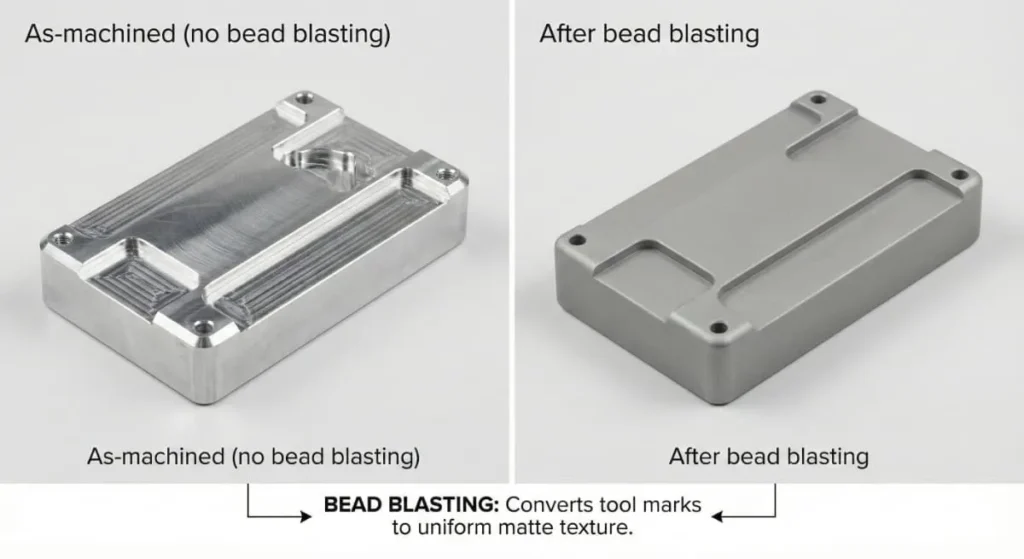
Bead blasting raises Ra. A part that left the mill at Ra 1.6 µm can easily move to Ra 3.2–6.3 µm after a medium glass-bead blast. Anodizing itself does not dramatically alter the measured Ra, but the oxide layer can mask fine tool marks and make a surface look smoother than the profilometer reading. Powder coating and plating add thickness that can fill minor valleys, yet they also introduce their own texture if the base surface is too rough.
When a drawing calls for both a tight Ra and a coating, the shop must decide whether to machine to the final Ra before coating or to leave extra stock and finish after. Most production jobs machine to the required Ra first, then apply the coating, accepting that the coating may slightly increase the measured value. Specifying Ra after coating without stating the process sequence creates ambiguity and frequent rework.
How Drawings Should Call Out Ra and What Happens When They Do Not
Clear callouts use the standard surface texture symbol with the Ra value and the sampling length if it is non-standard. "All over Ra 1.6" is acceptable for simple prismatic parts. Critical faces should be marked individually so the CAM programmer knows where to apply a finish pass and where a rough pass is enough. Vague notes such as "smooth finish" or "machine finish" force the shop to guess and usually result in either over-finishing (extra cost) or under-finishing (rejects).
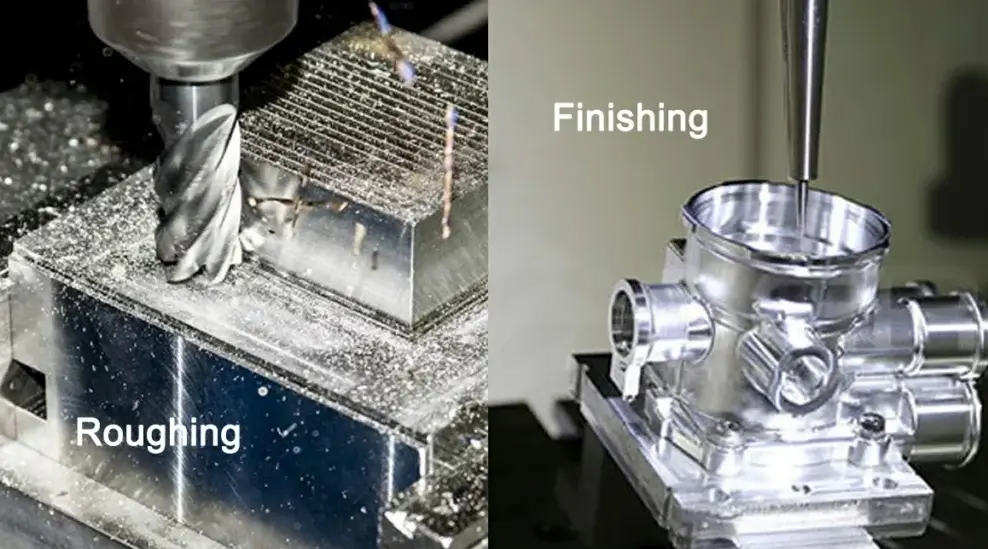
If the Ra is set tighter than the process can hold, scrap rates climb. A part that needs Ra 0.8 µm on a deep pocket will often require a long-reach tool, reduced feeds, and multiple spring passes. Tool deflection and chatter push the actual Ra higher, leading to rework or complete rejection. Lead time stretches because the part may need secondary grinding or hand polishing that was never planned.
How Shops Recommend Choosing a Realistic Ra
Start with function. Sealing surfaces, bearing journals, and sliding fits often need Ra 0.8 µm or better. Cosmetic faces or non-contact surfaces can stay at Ra 3.2 µm. Once the functional requirement is clear, match it to the shop's standard capability. Most CNC mills can hold Ra 1.6 µm with a finish pass using a sharp tool and appropriate feed. Going to Ra 0.8 µm usually means slowing the feed, adding a spring pass, or switching to a different cutter—each of which adds time and cost.
When a tighter Ra is truly required, the drawing should also note the process (grind, polish, lap) so the quote includes the secondary operation. For the majority of commercial parts the recommendation is Ra 1.6 µm or Ra 3.2 µm unless function demands otherwise. That keeps CNC surface roughness Ra inside normal process windows, avoids unnecessary finishing, and keeps both cost and delivery predictable.