Bead Blasting or Brushed Finish: Selecting the Right Surface Treatment for CNC Parts
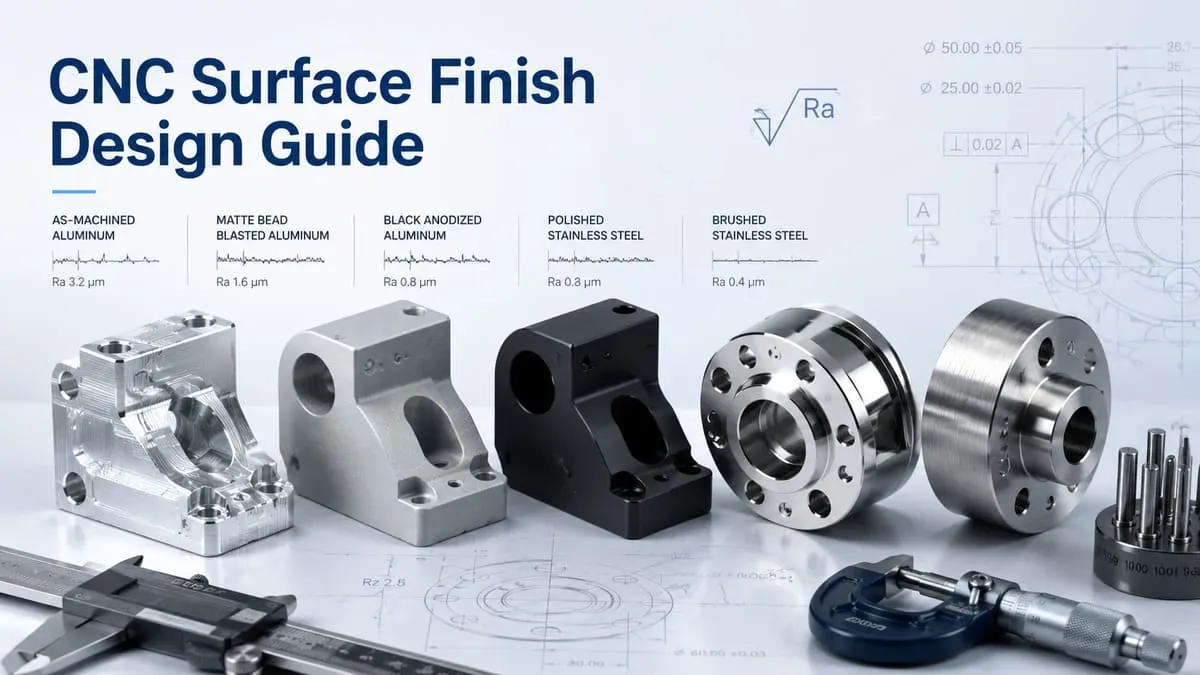
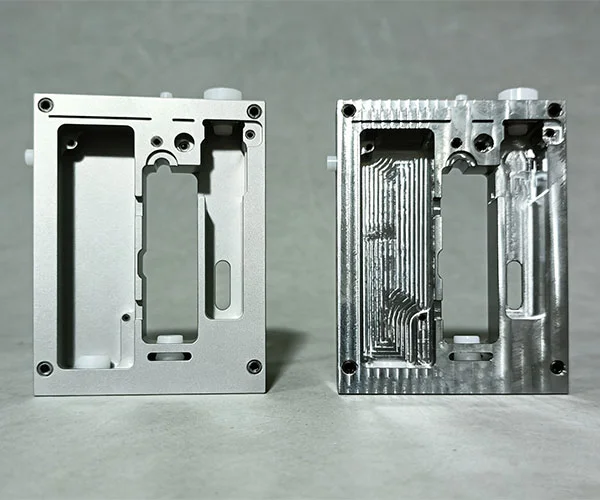
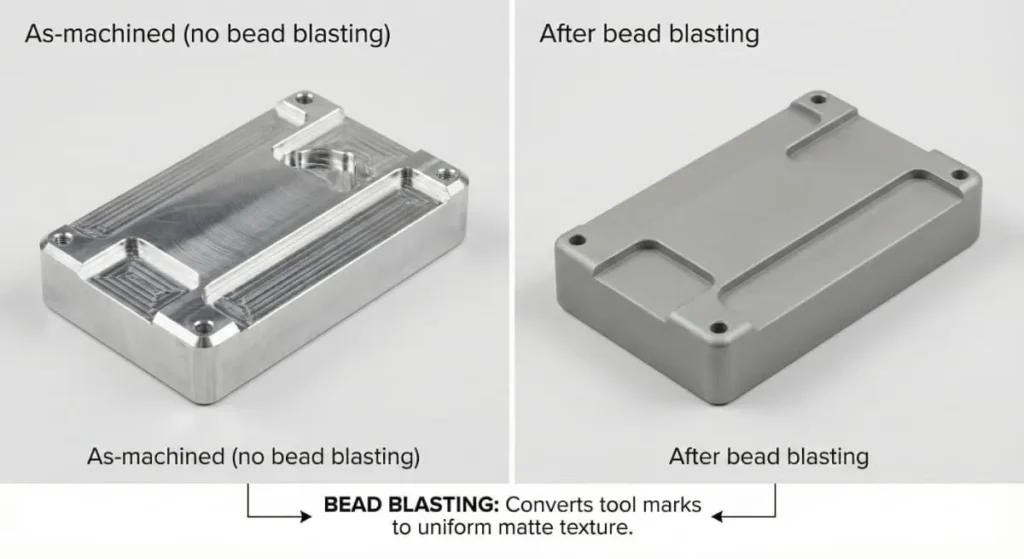
In finishing operations, bead blasting creates a uniform matte texture that effectively hides machining marks and minor imperfections, while brushed finish delivers a directional, premium linear pattern popular in visible consumer products. Bead blasting is often preferred for industrial or high-wear parts; brushed finish suits aesthetic-focused electronic enclosures where a sophisticated look is required.
Bead Blasting vs Brushed Finish: Key Differences
| Aspect | Bead Blasting | Brushed Finish |
|---|---|---|
| Texture Effect | Uniform matte, non-directional | Linear directional grain |
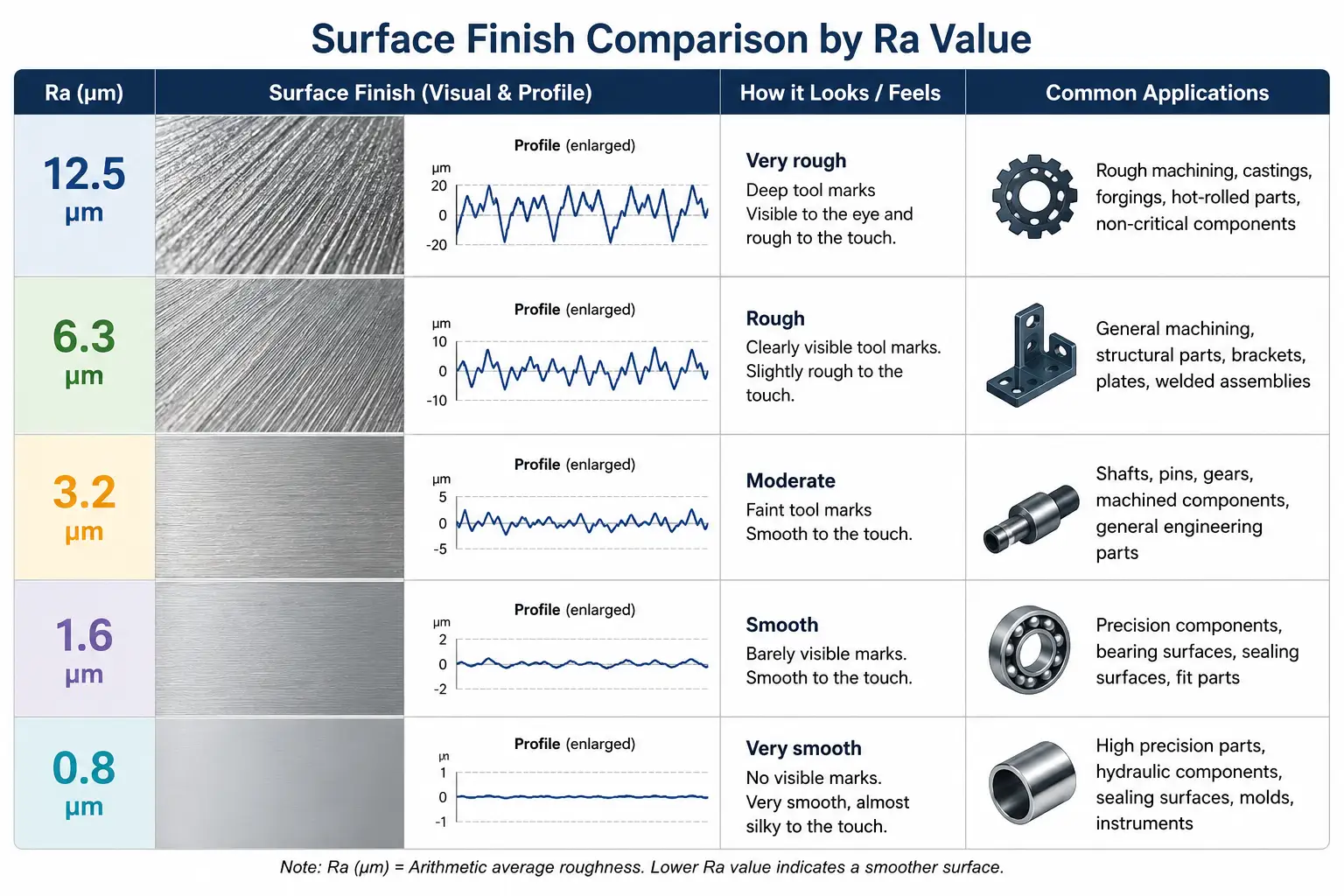
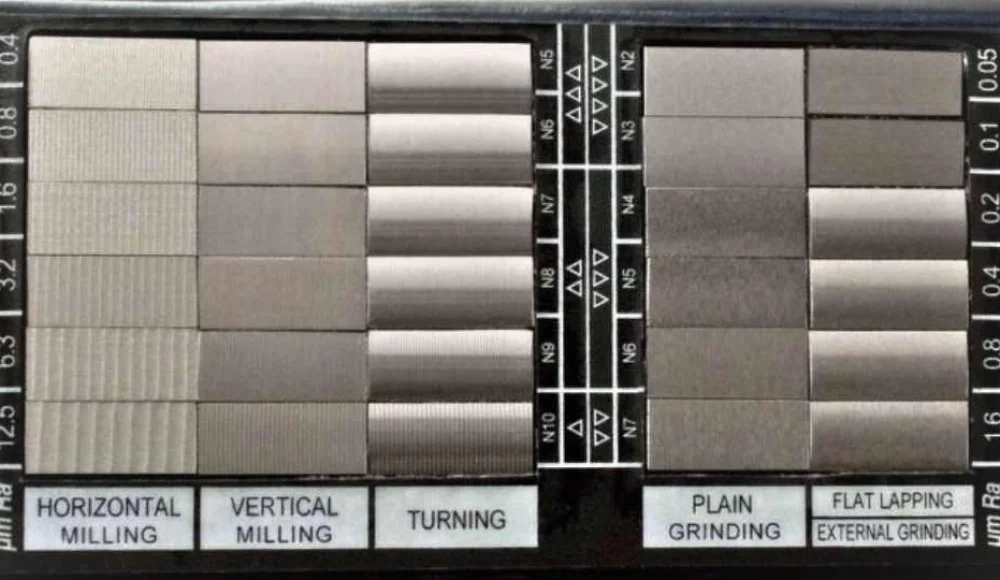
| Surface Roughness (Ra) | Higher, more even | Lower to medium, directional |
| Hiding Machining Marks | Excellent | Moderate (marks may still show across grain) |
| Cost | Generally lower | Higher due to manual or controlled brushing |
| Maintenance / Fingerprint Resistance | Better (hides smudges) | Shows fingerprints and wear more easily |
| Typical Applications | Industrial, functional parts | Consumer electronics, premium housings |
Decision Matrix: Choosing Between Bead Blasting and Brushed Finish
| If your priority is... | Better Choice | Why |
|---|---|---|
| Hiding machining marks and imperfections | Bead Blasting | Uniform texture masks surface variations effectively |
| Premium aesthetic appearance | Brushed Finish | Directional grain gives high-end visual appeal |
| Low cost and fast processing | Bead Blasting | Simpler automated process |
| Fingerprint and smudge resistance | Bead Blasting | Matte surface hides daily wear better |
| Consumer electronics housings | Brushed Finish | Commonly expected premium look |
Process Differences and Texture Effects
Bead blasting propels fine media at the surface to create a consistent peened texture. Brushed finish uses abrasive belts or brushes to produce parallel lines. During DFM review, we note that bead blasting is more forgiving on complex geometries while brushed finish requires accessible flat or gently curved surfaces for uniform results.
Surface Roughness and Ability to Hide Machining Traces
Bead blasting achieves higher, more uniform roughness that effectively conceals tool marks and minor defects. Brushed finish has lower average roughness but directional nature can still reveal imperfections perpendicular to the grain. In production, bead blasting often reduces the need for extensive prior polishing.
Cost, Maintenance, and Long-Term Appearance
Bead blasting is typically lower cost and faster, especially for batch processing. Brushed finish adds labor or setup time. For maintenance, bead blasted surfaces resist showing fingerprints and minor scratches better than brushed, which can highlight wear over time in consumer electronics.
Applications in Consumer Electronics and Industrial Products
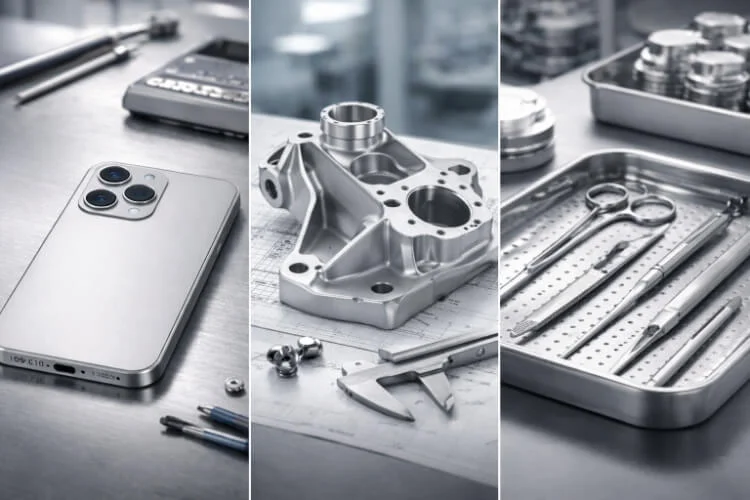
Consumer electronics often favor brushed finish for its sleek, modern appearance on visible housings. Industrial and functional CNC parts lean toward bead blasting for durability and ability to hide production marks. The choice impacts perceived quality and long-term user satisfaction.
Factory Perspective on Surface Finishing CNC Parts
From a fabrication standpoint, we evaluate geometry and visibility of surfaces during finishing planning. Bead blasting is straightforward with good repeatability and minimal setup. Brushed finish requires careful control of pressure and direction to avoid streaks. We normally recommend bead blasting when functionality and cost matter most, and brushed when the part is a visible design element. Both processes improve part appearance but affect downstream assembly and user perception differently.
Which Finish Should You Choose for Your CNC Parts?
Choose Bead Blasting if you:
- Need to hide machining marks and surface imperfections
- Prioritize uniform matte appearance and fingerprint resistance
- Are producing industrial or functional components
- Want lower cost and faster turnaround
Choose Brushed Finish if you:
- Want a premium directional aesthetic for visible surfaces
- Are designing consumer electronics or high-end products
- Can invest in additional processing for the desired look
- Accept that maintenance may show wear more readily
Frequently Asked Questions
Q1: Which finish better hides CNC tool marks?
A1: Bead blasting is superior at concealing marks due to its uniform peened texture.
Q2: Is bead blasting or brushed finish more expensive?
A2: Brushed finish usually costs more due to additional labor or equipment setup.
Q3: Which finish is better for consumer electronics?
A3: Brushed finish is more common for its premium look, though bead blasting is gaining popularity for matte designs.
Q4: How do these finishes affect part maintenance?
A4: Bead blasted surfaces hide fingerprints and minor scratches better than brushed.
Q5: Can bead blasting and brushed finish be combined?
A5: Yes, hybrid approaches are possible for selective areas on the same part.