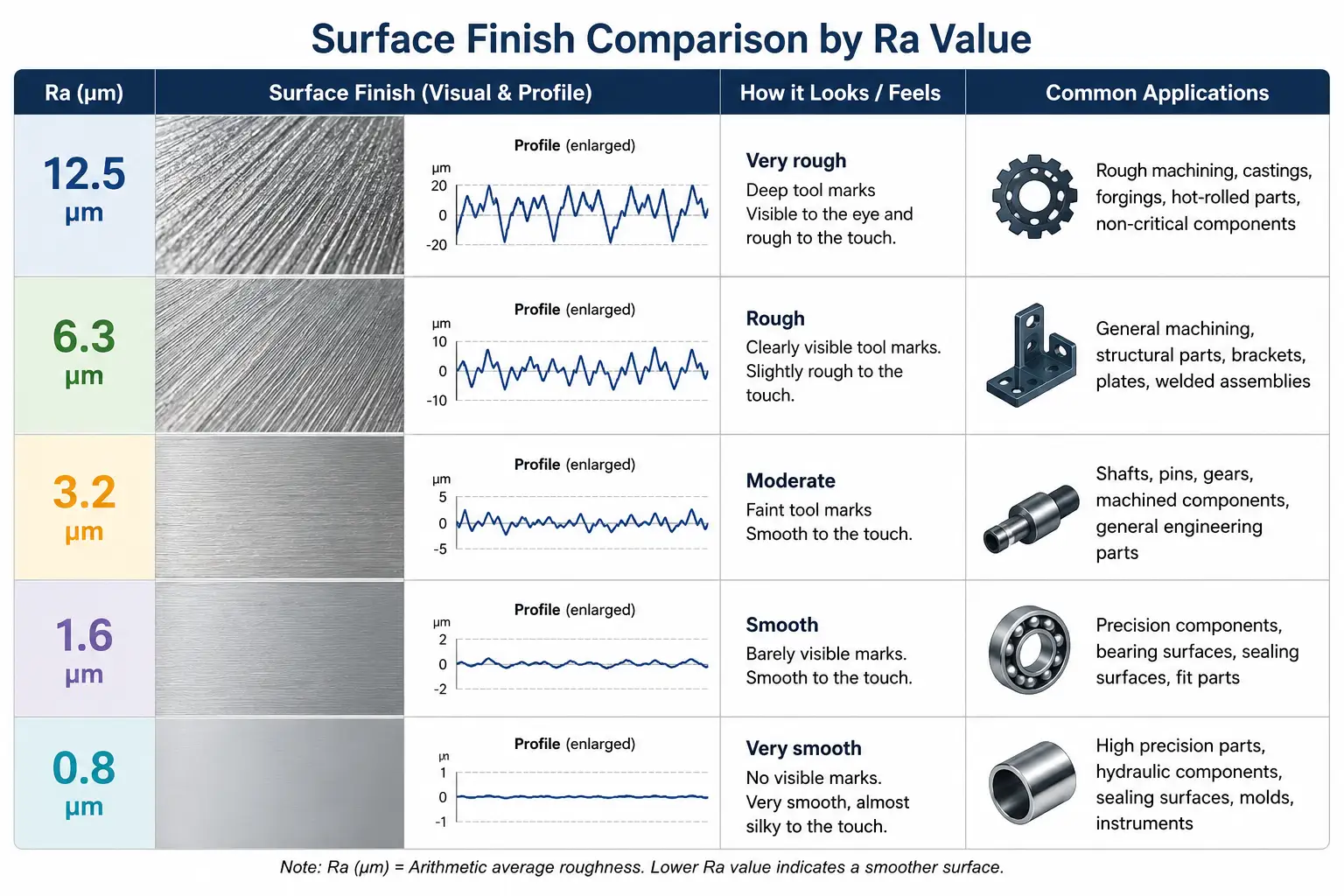
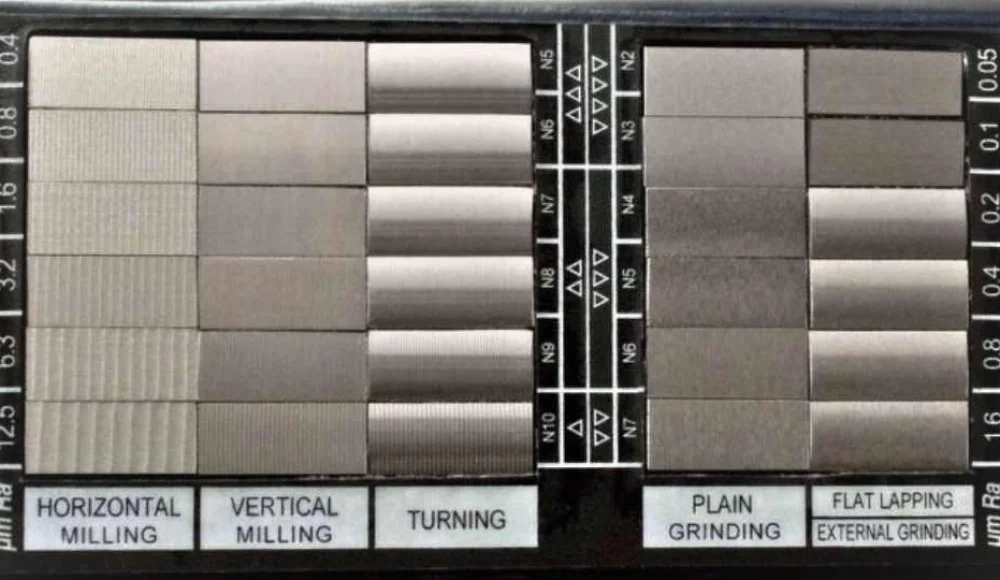
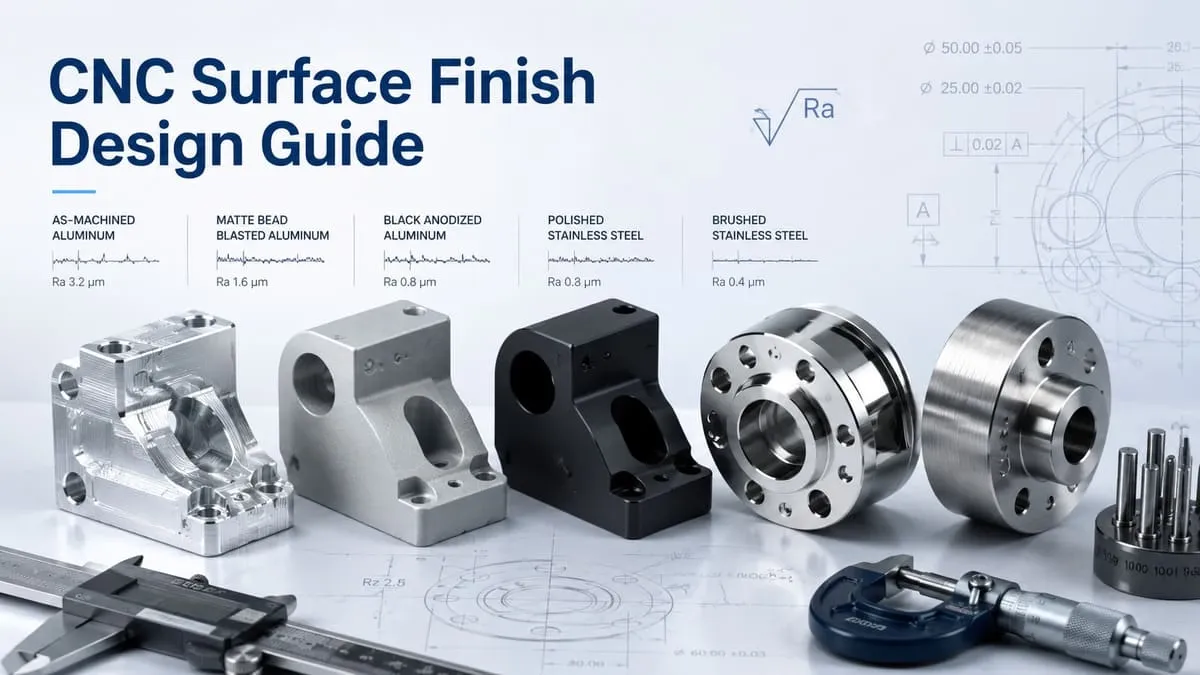
In production the right surface finish is the one that meets the function without forcing extra process steps or dimensional risk. Most shops run a short list of standard finishes—as-machined, bead blast, Type II anodize, Type III hard anodize, electroless nickel, and powder coat. A solid CNC surface finish selection guide starts with the part's real job: corrosion protection, appearance, wear resistance, conductivity, or dimensional stability. Once that is clear, the finish is matched to the material and the shop's normal process window. Anything outside that window gets flagged in DFM and either relaxed or quoted with added time and cost.
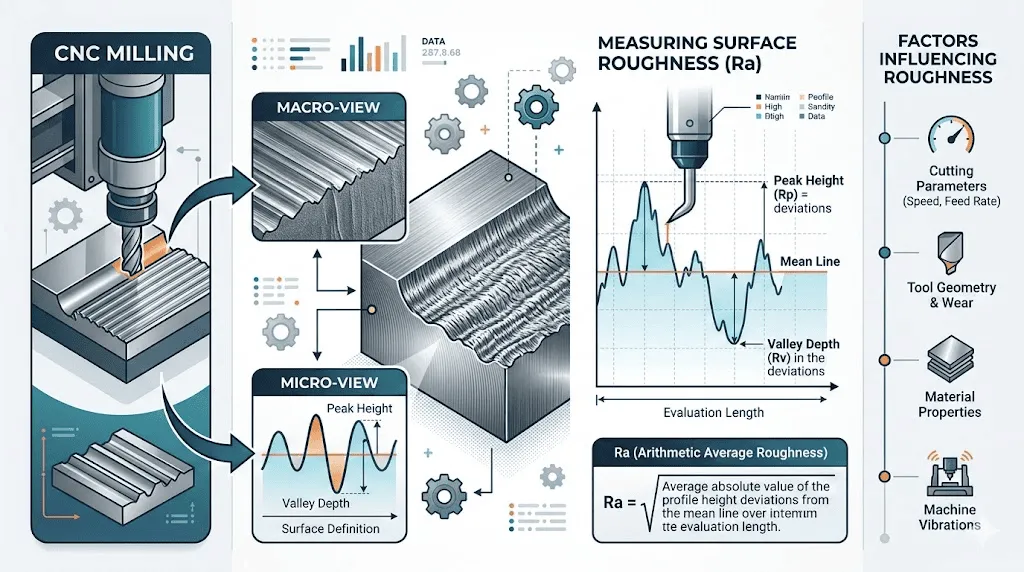
Matching Finish to Function Instead of Habit
Corrosion protection is the most common driver. For aluminum in mild environments, Type II anodize at 8–15 µm is usually enough. Harsher conditions push toward Type III hard anodize or electroless nickel. Steel parts that need outdoor durability often move to powder coat or zinc plating. Specifying a heavy coating when the part lives indoors only adds cost and lead time.
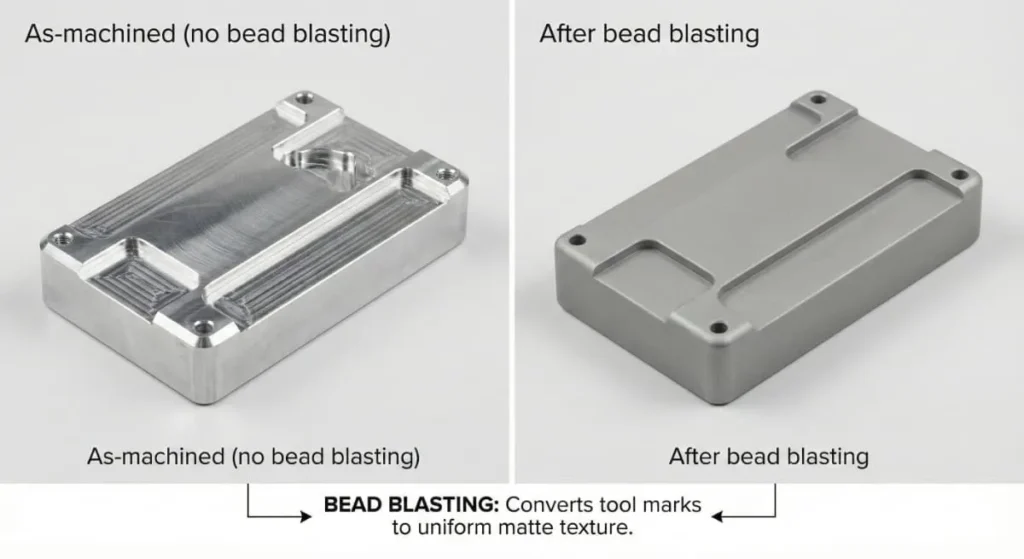
Appearance requirements are next. As-machined leaves visible tool marks and is acceptable for internal or non-cosmetic parts. Bead blast gives a uniform matte look and hides minor machining marks. Anodize and powder coat add color options. When the drawing simply says "nice finish," the shop defaults to bead blast or clear anodize because both are fast and low risk.
Wear resistance changes the choice. Sliding surfaces, cam tracks, or high-cycle contact areas usually need Type III hard anodize or electroless nickel. These coatings increase surface hardness but also add thickness that must be accounted for in the CNC program. Calling for hard anodize on a non-wearing cosmetic face is unnecessary and raises the chance of thickness-related rejects.
Conductivity, Dimensions, and Material Constraints
Electrical conductivity rules out most insulating coatings. Bare aluminum or steel, or selective plating that leaves contact areas uncoated, is required. Masking becomes critical; any feature that must remain conductive needs clear callouts and practical masking access. Poorly designed parts with deep internal contacts force expensive selective plating or secondary machining after coating.
Dimensional requirements limit coating thickness. A tolerance of ±0.02 mm on a critical diameter cannot absorb a 20–25 µm hard-anodize layer without pre-compensation. Shops either machine undersize/oversize before coating or reject the combination. Powder coat is even thicker and is rarely used on tight-tolerance features.
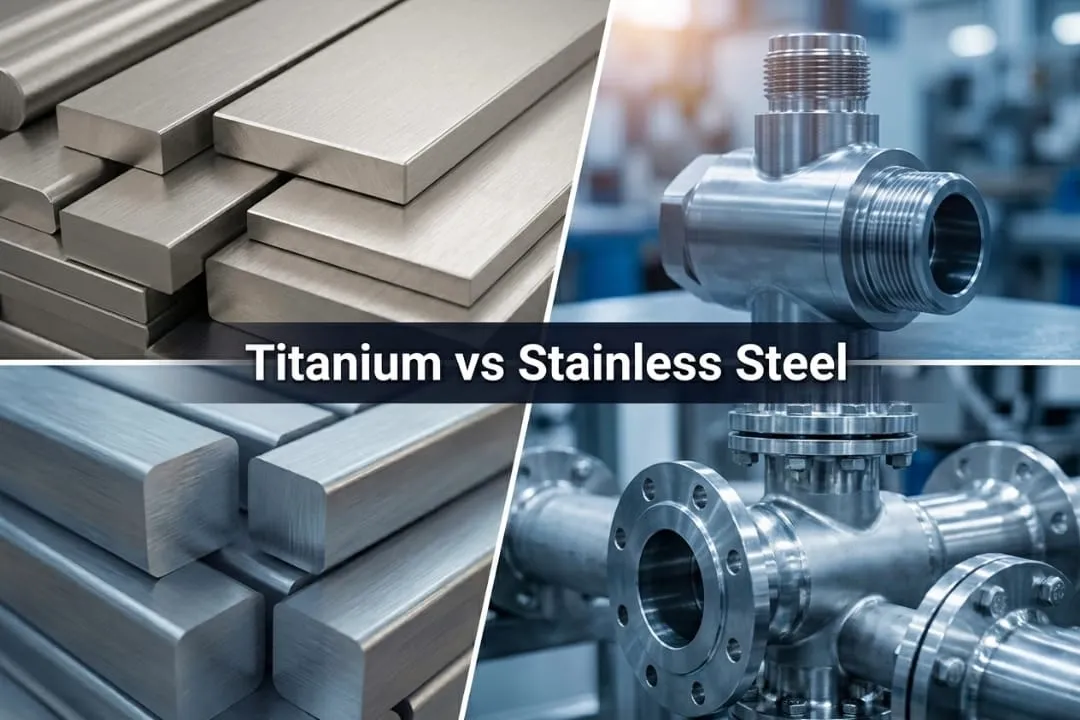
Material matching is non-negotiable. Anodize works on aluminum; it does nothing for steel. Powder coat and plating work on both, but adhesion and edge coverage vary. Titanium and stainless often need different pretreatments. Choosing a finish that the material cannot accept creates immediate process failure.
Cost Balance and What Happens When the Spec Is Overdone
Every step beyond as-machined adds cost and schedule risk. Bead blast is relatively cheap. Type II anodize is the next step up. Hard anodize, electroless nickel, and powder coat each add days and a clear line-item charge. When a drawing calls for a high-end finish on a non-critical part, the quote rises and the delivery date slips because the part must leave the machine shop and enter a secondary process queue.
Over-specified finishes also create scrap. Coating thickness variation, incomplete masking, or edge build-up push parts out of tolerance. In medium-volume runs this shows up as 5–10 % reject rates that were never in the original plan. Lead time stretches further when parts must be stripped and re-coated.
Practical DFM Rules Shops Use for Surface Finish
DFM starts by asking whether the finish is truly required for function. If corrosion or wear is not an issue, as-machined or light bead blast is preferred. When a coating is needed, the design should provide clear masking boundaries, avoid sharp internal corners that collect media or powder, and leave enough stock or tolerance for coating thickness. Critical dimensions should be noted as "before coating" or "after coating" so the CNC program can compensate correctly.
Standard process notes help. "Type II anodize, 10–15 µm, black" is clear. "Corrosion resistant finish" is not. The more precise the callout, the fewer questions and the lower the risk of the wrong process being applied.
When Non-Standard Finishes Are Still Accepted
Exceptions are granted when function cannot be met any other way and the customer accepts the cost and lead-time impact. A high-wear medical component or an outdoor structural part that needs a specific hard-coat thickness will still be processed, but the quote will show the secondary operation and the risk of dimensional change. In those cases a process trial on a sample is usually requested before the full batch runs.
For the majority of commercial CNC work the practical CNC surface finish selection guide is straightforward: start with function, stay inside the shop's standard finishes, design for coating thickness and masking, and keep the callout clear. That approach keeps cost predictable and parts on schedule.