In most sheet metal shops the choice between cold rolled steel vs hot rolled steel sheet metal is decided long before the first blank is cut. When the part needs tight dimensional control, clean surface for coating, or consistent formability in progressive dies, cold rolled steel is the default. When the job is structural, thickness exceeds roughly 3 mm, surface appearance is secondary, and material cost must stay low, hot rolled steel wins on the floor. The decision is rarely about absolute "better" material—it is about matching the rolling process to the production realities of tolerance stack-up, secondary operations, and yield.
Where Each Steel Performs Best on the Shop Floor
Cold rolled steel is preferred for precision brackets, enclosures, and formed parts that later receive powder coat or plating. Hot rolled steel is the practical choice for heavy frames, base plates, and structural fabrications where mill scale is acceptable or will be removed by shot blasting. The crossover point is usually thickness and surface requirement: below 2–2.5 mm with cosmetic or tight-tolerance needs, cold rolled dominates; above that range, or when cost per kilogram is the primary driver, hot rolled takes over.
Side-by-Side Comparison of Key Fabrication Attributes
| Attribute | Cold Rolled Steel | Hot Rolled Steel |
|---|---|---|
| Cost (material) | Higher (typically 15–30 % premium) | Lower |
| Surface quality | Smooth, scale-free, ready for coating | Rough, mill scale present |
| Dimensional accuracy | Tight tolerances (±0.05–0.1 mm typical) | Wider tolerances (±0.2–0.5 mm or more) |
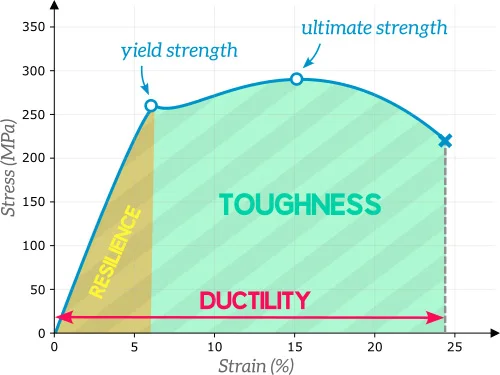
| Strength (as-supplied) | Higher yield and tensile from work hardening | Lower yield, more ductile |
| Ductility / formability | Good but directionally sensitive | Excellent, especially in thicker gauges |
| Machinability / laser cutting | Clean edges, minimal dross | Scale can increase dross and secondary clean-up |
| Weldability | Consistent, low porosity risk | Good after scale removal |
| Typical thickness range in sheet metal | 0.4–3.0 mm dominant | 1.5–6 mm and heavier |
| Lead time / availability | Good for common gauges; longer for special finishes | Excellent, widely stocked |

Quick Decision Matrix for Production Priorities
| If your priority is… | Better Choice | Why |
|---|---|---|
| Lowest material cost | Hot rolled | No secondary cold reduction step; lower price per kg |
| Tight dimensional tolerance after forming | Cold rolled | Better starting thickness control and springback predictability |
| Cosmetic surface or coating adhesion | Cold rolled | Scale-free finish reduces preparation time and coating defects |
| Heavy structural sections or thick plate | Hot rolled | Available in thicker gauges at lower cost |
| High-volume progressive die stamping | Cold rolled | Consistent hardness and surface reduce tool wear and scrap |
| Fast prototype or one-off fabrication | Hot rolled | Readily available; less concern about surface finish |
How the Rolling Process Creates the Differences You See on the Floor
Hot rolled steel is finished above the recrystallization temperature. The material leaves the mill with a rough oxide scale, relatively wide thickness tolerance, and a softer, more ductile microstructure. Cold rolled steel starts as hot rolled strip that is further reduced at room temperature under high pressure. That extra reduction work-hardens the steel, refines the grain structure, and produces a much smoother surface with tighter gauge control. From a fabrication standpoint the extra cold reduction step is exactly why cold rolled costs more and why its mechanical properties arrive already elevated.
In production we see the difference immediately at the laser or shear. Cold rolled cuts cleanly with minimal dross; hot rolled often requires a second pass or grinding to remove scale-induced edge defects. When the part later goes into a press brake, the higher yield strength of cold rolled increases forming force and can amplify springback, while hot rolled forms more easily but may need extra allowance for thickness variation.

Surface Quality and Its Direct Effect on Secondary Operations
Mill scale on hot rolled steel is the single biggest source of extra labor in many shops. Scale must be removed by shot blasting, pickling, or abrasive grinding before painting or powder coating; otherwise adhesion fails and coating life drops. Cold rolled arrives essentially scale-free. That difference shows up in cycle time: a batch of cold rolled parts can move straight to coating after forming, while the same geometry in hot rolled often adds a full cleaning operation and inspection step.
From a yield perspective, residual scale also increases the risk of surface defects during forming. Scale particles can embed into the die face or create local thinning. Most manufacturers therefore reserve cold rolled for any part that will be visible or that must meet a cosmetic specification after coating.
Dimensional Accuracy and Why Tolerance Stack-Up Matters
Cold rolled thickness tolerance is typically half or better than hot rolled in the same nominal gauge. In progressive dies or multi-station forming that tighter starting tolerance reduces cumulative variation in flange height, hole position, and overall length. Hot rolled variation forces the fabricator either to open design tolerances or to add secondary machining—both of which raise cost.
During CAM and nesting we also see better material utilization with cold rolled because edge quality after laser or punch is more consistent; less scrap is generated from edge trimming or rework. For high-volume runs the difference in scrap rate alone can offset part of the material premium.
Strength, Ductility, and Formability Trade-offs
Cold rolled steel arrives with higher yield and tensile strength because of work hardening. That is useful when the finished part must resist permanent set under load, but it also means higher press tonnage and greater springback. Hot rolled remains more ductile in the as-supplied condition, so deep draws and severe bends are easier and less likely to crack. Many shops therefore specify hot rolled for complex formed shapes in thicker gauges and then add a stress-relief or heat-treatment step if final strength must be raised.
Directionality is another practical difference. Cold rolled sheet often shows more pronounced anisotropy; bending parallel versus perpendicular to the rolling direction can produce different springback values. Hot rolled is generally more isotropic. On the floor this means cold rolled parts sometimes need orientation-specific tool adjustments that hot rolled does not.

Cost Differences That Actually Appear on the Invoice
Material price is only the starting point. Cold rolled carries a clear premium, yet the total fabricated cost can reverse when surface preparation, tighter process control, and lower scrap rates are included. For a powder-coated enclosure in 1.5 mm material, the extra cost of cold rolled is frequently recovered by eliminating shot-blast and reducing coating rejects. For a 6 mm base plate that will be welded and painted with no cosmetic requirement, the hot rolled price advantage remains decisive.
Lead time and inventory also play a role. Common cold rolled gauges are stocked by most service centers, but special finishes or tight-tolerance tempers can add days. Hot rolled plate in standard sizes is almost always available same-day or next-day. When a job is urgent and surface quality is secondary, hot rolled is the faster path through the shop.
Welding Performance and Joint Reliability
Both materials weld readily with MIG, TIG, or resistance methods, but preparation differs. Cold rolled needs only light degreasing; hot rolled requires scale removal at the joint to avoid porosity and incomplete fusion. Once the scale is gone, weld parameters and mechanical properties of the joint are comparable. In high-volume robotic welding cells the extra cleaning step for hot rolled becomes a measurable cycle-time penalty, which is why many automated lines prefer cold rolled even when the strength advantage is not required.
How Fabricators Evaluate the Choice During DFM and CAM
During DFM review we look first at thickness, surface specification, and tolerance stack-up. If the print calls for a smooth finish or powder coat Class A, cold rolled is written into the process plan without debate. If the part is structural, thicker than 3 mm, and will be blasted anyway, hot rolled is selected to protect margin.
CAM preparation highlights the practical differences. Nesting efficiency is usually higher with cold rolled because edge quality after laser or punch is more predictable; less material is sacrificed to edge trim. Tooling considerations also favor cold rolled for progressive dies—die life improves when surface hardness and thickness variation are consistent. Hot rolled can accelerate punch and die wear when scale particles act as abrasives.
Process risk is lower with cold rolled for any part that must hold tight flatness or hole-to-edge dimensions after forming. Hot rolled introduces more variability that must be absorbed either by design tolerance or by secondary operations. Most manufacturers therefore recommend cold rolled whenever the production volume is high enough that process stability outweighs the material premium, and hot rolled when the job is low-volume or purely structural.
Which Option Should You Choose?
Choose cold rolled steel if you:
- Need surface quality suitable for powder coating or plating without extensive preparation
- Require tight thickness and flatness control for multi-stage forming or progressive dies
- Are producing high-volume parts where process stability and lower scrap rate matter more than material price
- Work primarily in the 0.5–2.5 mm range with cosmetic or precision requirements
- Want consistent laser-cut edge quality and minimal secondary cleaning
Choose hot rolled steel if you:
- Prioritize lowest material cost and the part will be shot-blasted or painted regardless
- Need thicker sections (typically >3 mm) for structural frames or base plates
- Are running low-volume or prototype work where surface finish is secondary
- Require maximum ductility for severe forming operations
- Need fast material availability from local service centers
There is no universal winner. The correct choice is the one that minimizes total fabricated cost while meeting the functional and cosmetic requirements of the print.
Frequently Asked Questions
Q1: Can I substitute hot rolled for cold rolled on a drawing that specifies CRS?
A1: Only after confirming that surface finish, thickness tolerance, and forming behavior still meet the functional requirements. Many shops will not accept the substitution without engineering approval because scale removal and springback differences can affect final fit and coating.
Q2: Does cold rolled steel always cost more in the finished part?
A2: Not always. When the alternative requires extra blasting, grinding, or rework to meet surface or tolerance specs, the total cost of a cold rolled part can be lower despite the higher material price.
Q3: Which material lasers better for high-volume production?
A3: Cold rolled. The absence of scale produces cleaner edges, less dross, and more predictable cut quality, which improves nesting yield and reduces post-process cleaning.
Q4: Is hot rolled more difficult to bend accurately?
A4: Thickness variation is the main issue. Wider gauge tolerance means more springback scatter. Once thickness is measured and compensated, hot rolled forms well; the extra measurement step is the real production cost.
Q5: When does the strength advantage of cold rolled actually matter?
A5: Primarily when the part must resist permanent set under service load and no subsequent heat treatment is planned. For many structural applications the lower as-supplied strength of hot rolled is still adequate once geometry and thickness are considered.
Q6: Can both materials be used in the same welded assembly?
A6: Yes, provided the hot rolled surfaces at the joint are cleaned of scale. Differences in thickness tolerance and surface condition should be accounted for in the weld procedure and fit-up.