Where Aluminum Outperforms Stainless Steel — and Where It Doesn't
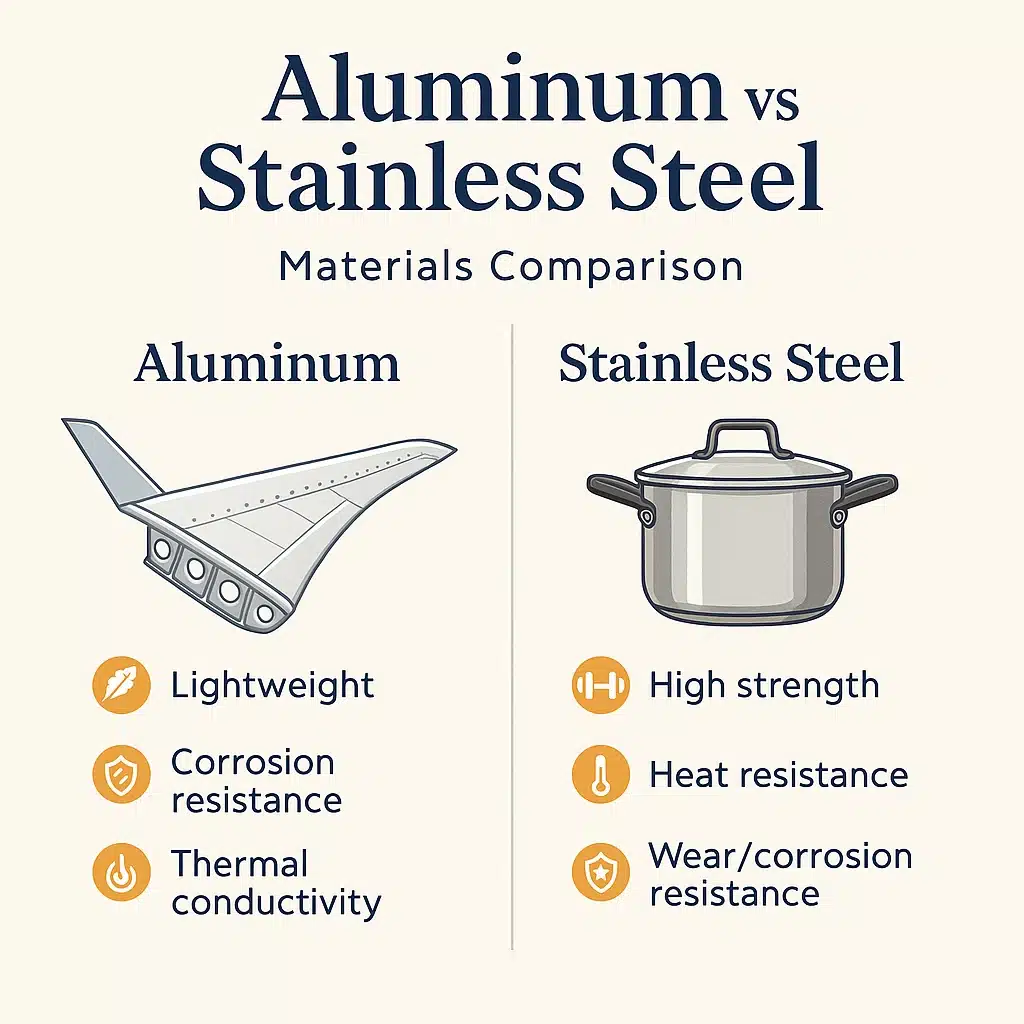
From a fabrication floor perspective, aluminum wins on weight-critical jobs and fast-turn prototypes, while stainless steel is the clear choice for harsh environments demanding long-term durability. Aluminum's lower density makes it roughly one-third the weight of stainless, slashing handling and shipping costs in transportation or portable equipment. Stainless, however, delivers superior corrosion resistance and mechanical strength that justify its higher price and processing demands in food processing, marine, or chemical exposure applications.
Key Manufacturing Trade-offs at a Glance
| Factor | Aluminum (e.g., 5052/6061) | Stainless Steel (e.g., 304/316) |
|---|---|---|
| Density / Weight | ~2.7 g/cm³ — ~66% lighter | 7.9–8.0 g/cm³ |
| Corrosion Resistance | Good (oxide layer), moderate in saltwater | Excellent (chromium passive layer) |
| Processing Ease | Easier to cut, form, and machine | Harder on tools, requires more power |
| Raw Material Cost | Lower ($2–5/kg) | 2–4x higher ($4–12/kg) |
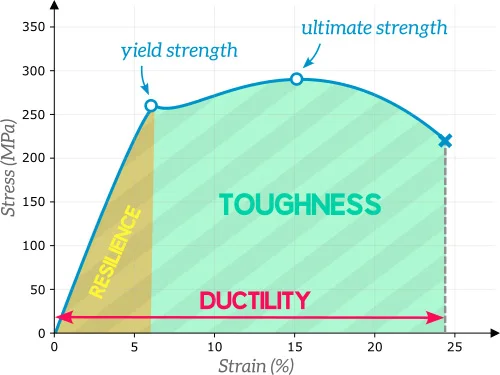
| Strength | Lower absolute strength | Higher tensile and yield |
| Typical Lead Time Impact | Faster due to easier machining | Longer setup and tool wear |
| Yield in High-Volume | High with proper fixturing | Stable but lower throughput |
Decision Matrix: Choosing Based on Project Priorities
| Priority | Better Choice | Why from Fabrication View |
|---|---|---|
| Lowest overall cost & weight | Aluminum | Cheaper material, faster processing, reduced shipping |
| Harsh chemical or marine exposure | Stainless Steel | Passive layer holds up without extra coatings |
| Fast prototyping / low-volume | Aluminum | Less tool wear, quicker setups |
| High mechanical strength & durability | Stainless Steel | Better for load-bearing structures |
| Mass production with tight tolerances | Aluminum (with experience) | Higher throughput possible |
| Food-grade or hygienic applications | Stainless Steel | Easier to sanitize and maintain |
Weight Differences That Affect Every Stage of Fabrication
Aluminum's density advantage is immediately obvious on the shop floor. At about one-third the weight of stainless steel, it reduces material handling effort, lowers crane and fixture requirements, and cuts shipping costs significantly in aluminum vs stainless steel sheet metal projects.
Stainless steel's higher mass provides better rigidity in structural parts but demands heavier-duty presses and more robust fixturing during forming. This increases setup time and energy consumption. During CAM preparation, we often adjust nesting strategies more aggressively for aluminum to maximize material savings given its lower per-kg price.
Corrosion Resistance in Real Production Environments
Stainless steel's chromium oxide layer gives it superior long-term performance in moist, salty, or chemical-laden conditions — critical for outdoor enclosures or food-processing equipment. We rarely worry about post-fabrication corrosion on 316 stainless during storage or assembly.
Aluminum relies on its natural oxide but can pit in aggressive environments unless anodized or coated. In DFM reviews, we flag aluminum designs for marine or coastal use and recommend surface treatments early. This adds steps that stainless often skips, shifting the aluminum vs stainless steel sheet metal balance toward stainless when maintenance-free life is required.
Processing Difficulty and Its Impact on Cost and Lead Time
Aluminum machines and forms more easily — it cuts with less tool wear and lower forces, enabling faster cycle times and cheaper tooling in aluminum vs stainless steel sheet metal fabrication. Laser parameters are gentler, and bending spring-back is more predictable after experience.
Stainless steel work-hardens quickly, dulls tools faster, and requires higher tonnage presses. Welding often needs more careful heat control to avoid distortion. In production, this translates to higher labor and consumable costs, but the parts hold tolerances better under load. Yield drops more noticeably on complex stainless geometries if DFM guidelines aren't followed strictly.
Application Fit Based on Factory Experience
For aerospace, automotive, and electronics enclosures where every gram counts, aluminum dominates due to its strength-to-weight ratio and thermal conductivity. In contrast, stainless steel is preferred in medical, pharmaceutical, and marine applications where hygiene and corrosion resistance outweigh weight penalties.
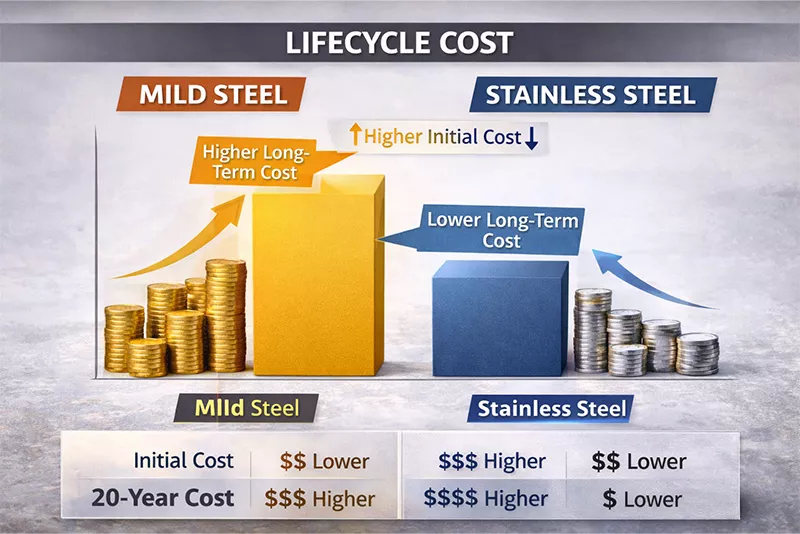
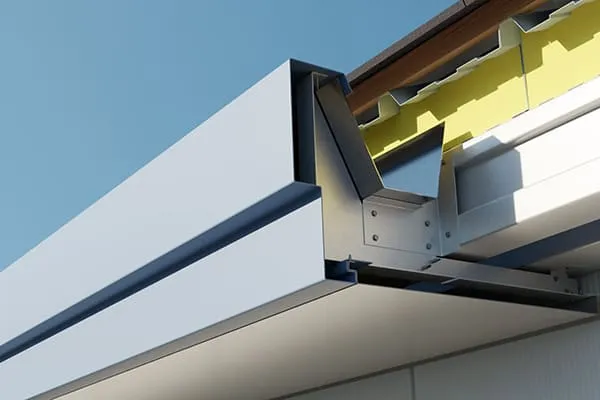
We see mixed choices in architectural work: aluminum for large lightweight panels, stainless for high-traffic or exposed trim that must resist fingerprints and weathering. The decision frequently comes down to total lifecycle cost rather than initial material price.
Factory Perspective: How We Evaluate Aluminum vs Stainless Steel Sheet Metal in Production
During DFM review, we check material thickness consistency more rigorously on stainless because of its higher cost per defect. CAM programming for aluminum allows tighter nesting and faster laser speeds, improving panel utilization. Stainless demands slower parameters to manage heat-affected zones and potential warping.
Tooling wear is a major concern with stainless — we track costs closely and often recommend aluminum for runs under a few hundred pieces unless corrosion is non-negotiable. Process stability favors aluminum for high-volume stamping or punching, while stainless shines in low-volume, high-reliability jobs. Inspection requirements are stricter for stainless on surface finish because customers expect a pristine look. Overall, factories prefer aluminum for throughput and stainless for premium, durable deliverables.
Which Option Should You Choose?
Choose Aluminum if you:
- Need to minimize weight for transportation, portability, or fuel efficiency
- Are working on prototypes or medium-volume runs where speed matters
- Can apply protective finishes for the expected environment
- Want lower material and processing costs
Choose Stainless Steel if you:
- Face corrosive, high-moisture, or chemical exposure
- Require maximum strength and long-term structural integrity
- Need hygienic surfaces that are easy to clean and sterilize
- Are building for harsh outdoor or industrial conditions where maintenance is difficult
FAQs
Q1: Does aluminum vs stainless steel sheet metal always favor aluminum on cost?
A1: Not always. While aluminum has lower raw material and fabrication costs, stainless steel can deliver lower lifecycle costs in corrosive environments by eliminating coatings and replacements.
Q2: Which material is easier to weld in sheet metal fabrication?
A2: Aluminum generally welds faster but requires more skill to avoid distortion. Stainless offers good weldability with proper techniques and often better final strength.
Q3: How does thickness affect the aluminum vs stainless steel choice?
A3: Thinner gauges favor aluminum for weight savings. Stainless maintains better rigidity at thinner sections, allowing down-gauging in some structural applications.
Q4: Is stainless steel always more expensive to fabricate?
A4: Yes, typically due to higher material price, tool wear, and slower processing speeds, though total project cost depends heavily on volume and finishing needs.
Q5: When does corrosion resistance outweigh weight advantages in aluminum vs stainless steel sheet metal?
A5: In marine, chemical processing, or outdoor installations with minimal maintenance access, stainless steel's superior resistance makes it the manufacturing preference despite added weight.
Q6: Can coatings make aluminum perform like stainless?
A6: High-quality anodizing or powder coating helps significantly, but they add process steps and may not match stainless in extreme conditions or where abrasion is present.