










Wearable Devices
Wearable devices represent a dynamic intersection of electronics engineering and everyday innovation, transforming how we interact with technology on a personal level. This category delves into the intricate world of designing, building, and optimizing PCBs tailored for wearables, from fitness trackers and smartwatches to advanced medical sensors. By focusing on compact, flexible, and power-efficient circuits, these devices enable seamless integration into clothing, accessories, and even skin-contact applications, pushing the boundaries of portability and functionality. Engineers and hobbyists alike will find valuable resources here, including detailed guides on selecting materials for flexible PCBs, tutorials on embedding sensors for real-time data collection, and insights into emerging trends like bio-compatible electronics. Best practices emphasize durability against environmental factors such as sweat, motion, and temperature variations, ensuring reliable performance in demanding scenarios. The practical value lies in empowering creators to develop solutions that enhance health monitoring, improve athletic performance, and facilitate IoT connectivity, all while adhering to stringent safety and efficiency standards. Real-world applications abound, ranging from consumer gadgets that track daily activity to professional tools in healthcare that monitor vital signs remotely. Articles in this category address technical challenges like miniaturization and battery life optimization, providing actionable knowledge for prototyping and scaling production. Readers can benefit from a comprehensive exploration of these topics, gaining the expertise needed to innovate in this rapidly evolving field and apply cutting-edge electronics to solve tangible problems.
Latest Blogs
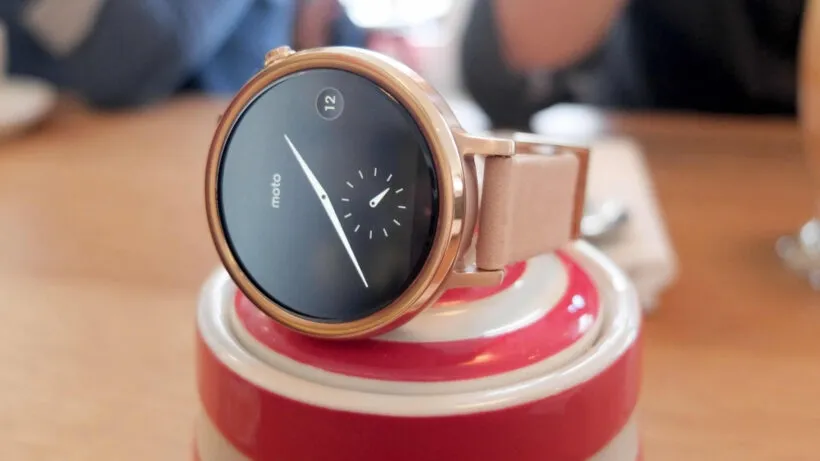
Moto 360 Second Gen: Small Updates, Missing Key Features
Moto 360 (2nd gen) technical review: design and customization changes, hardware and charging details, Android Wear China retail differences and pairing options.

Wearable Sales Rise but Adoption Remains Low
Analysis of Black Friday discounts and market signals driving oversupply, user behavior, and adoption challenges for wearables and smartwatches.

Smart Running Shoes Market in China: Status and Trends
Analysis of the smart shoes market, major players and product types (step-counting, location-tracking), and how manufacturers and platforms are shaping this wearable category.
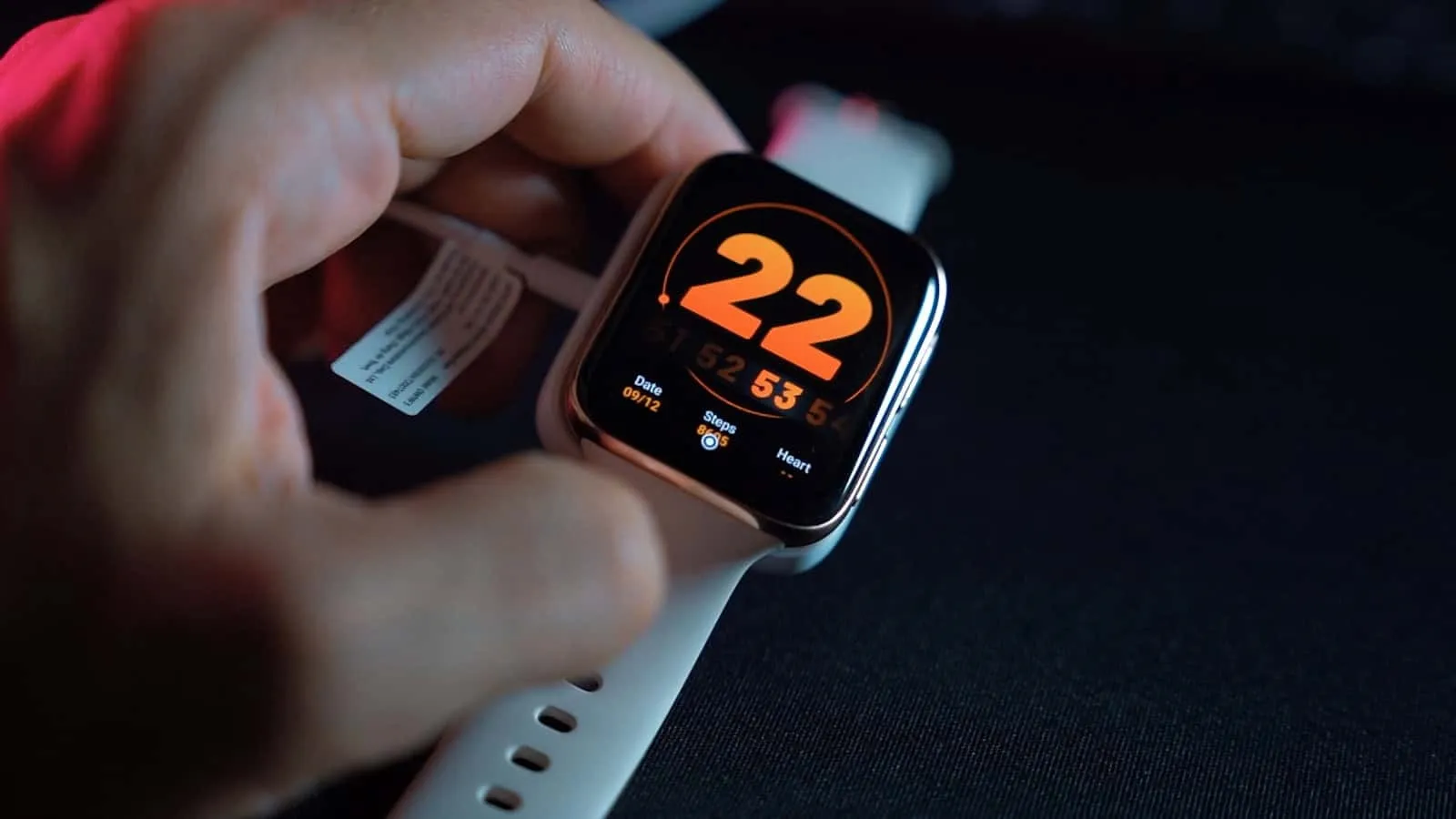
Smart Wearables Beyond Watches and Bands
Overview of novel smart wearables: smart belt, glove, shoe, and clothing covering sensor functions, connectivity, and patent concepts beyond watches and bands. Special attention is given to HDI PCB integration, enabling ultra-compact layouts, high-density interconnects, and reliable signal routing for multifunctional wearable systems.
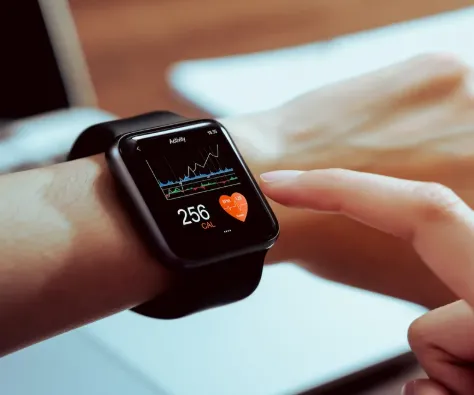
Best Wearable Devices Currently Available
Technical overview of 2015 smartwatches—Apple Watch, Android Wear and Tizen devices, sensor sets, battery life, form factors, and fitness tracking capabilities.
PCB Design and Manufacturing Strategies for Wearable Devices: Enhancing Adoption, Reliability, and Performance
Analysis of consumer priorities for wearable devices: battery life, design, price and upgrade demand, based on social media insights and market data.
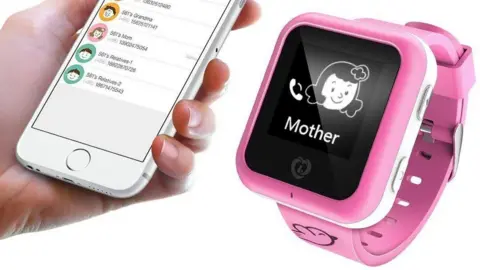
High Radiation in Kids' GPS Watches Raises Concerns
Analysis of CCTV report on children's GPS watches showing call-time radiation spikes, market segmentation, regulatory gaps, and implications for wearable standards.


