Smartwatches combine continuous biometric monitoring, gesture-based interaction, and wireless connectivity inside a compact, curved enclosure that must survive daily wear, temperature changes, and repeated flexing. From a PCB manufacturing standpoint, these requirements translate into multilayer boards with precise stack-up control, high-density interconnects, and careful material selection to maintain signal integrity and long-term reliability.
PCB Architecture for Core Smartwatch Functions
Choosing a smartwatch involves evaluating battery life, sensor accuracy, display quality, and durability—factors that ultimately depend on the underlying PCB layout. High-density component placement on rigid-flex or multilayer FR4 substrates enables the integration of processors, memory, and multiple sensor modules while respecting the limited internal volume. Short, impedance-controlled traces between the main controller and peripheral chips reduce power consumption and minimize electromagnetic interference that can degrade overall system performance.

Heart-Rate Monitoring: Optical and ECG Approaches on the PCB
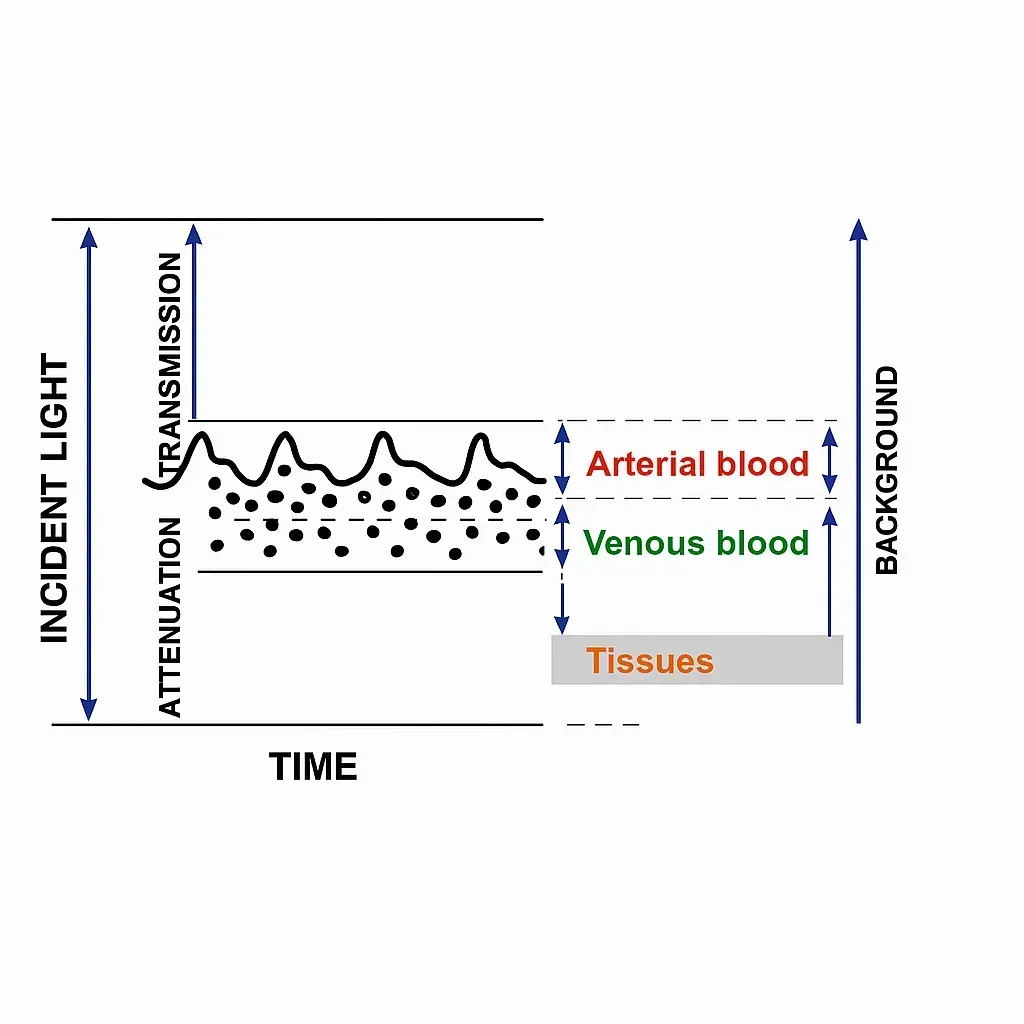
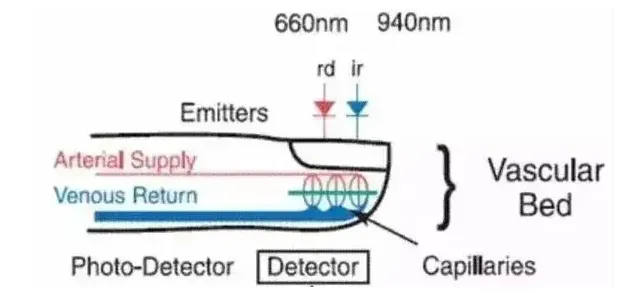
Optical photoplethysmography (PPG) sensors dominate consumer smartwatches because they require only LEDs and photodiodes mounted directly on the PCB. These components demand clean analog signal paths, precise spacing from digital noise sources, and adequate copper pours for thermal dissipation during continuous operation. ECG implementations add differential electrode inputs that necessitate guarded traces, low-noise power rails, and dedicated analog ground planes to achieve medical-grade signal quality.
Trade-offs appear at the board level: PPG solutions allow simpler stack-ups and lower manufacturing cost but remain sensitive to motion artifacts, while ECG designs require additional layers for shielding and tighter via placement tolerances. Both approaches benefit from high-Tg laminates that maintain dimensional stability during repeated thermal cycling in wearable environments.
Gesture Recognition and Sensor Integration Challenges
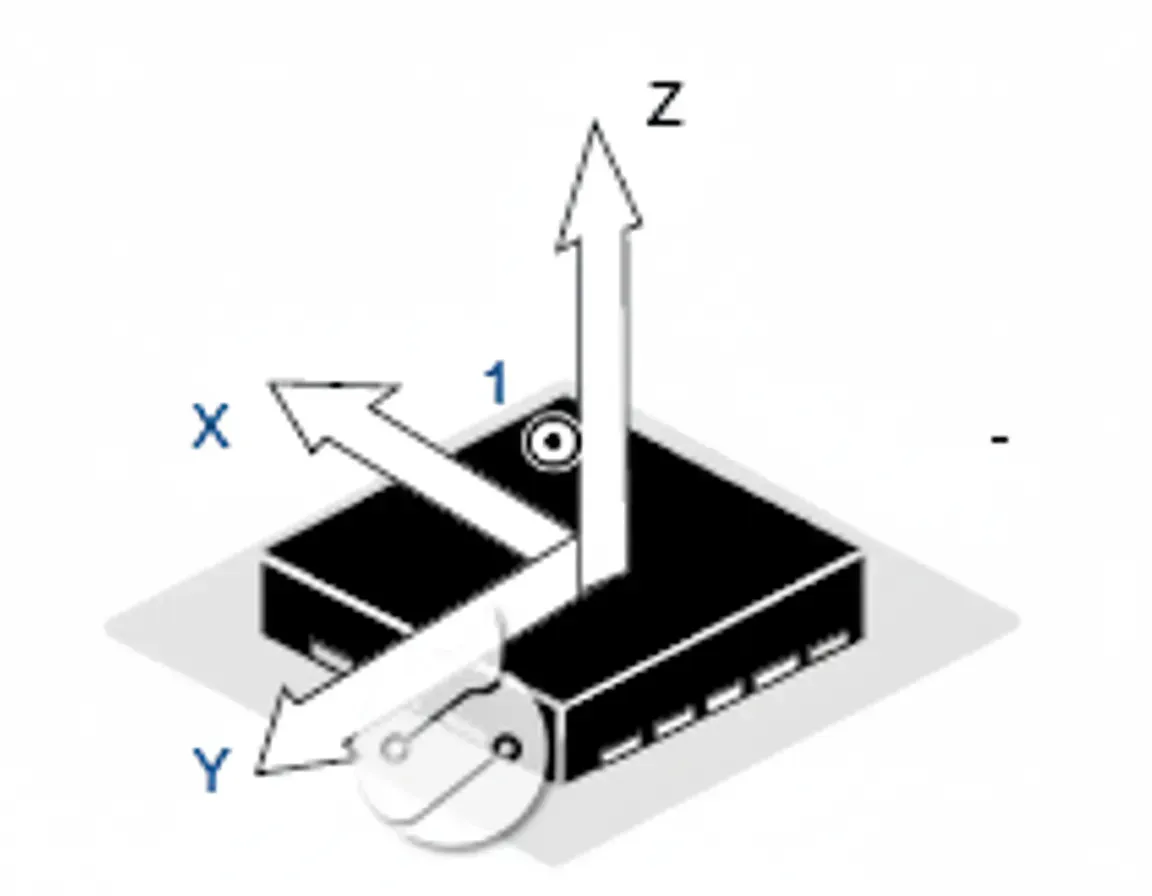
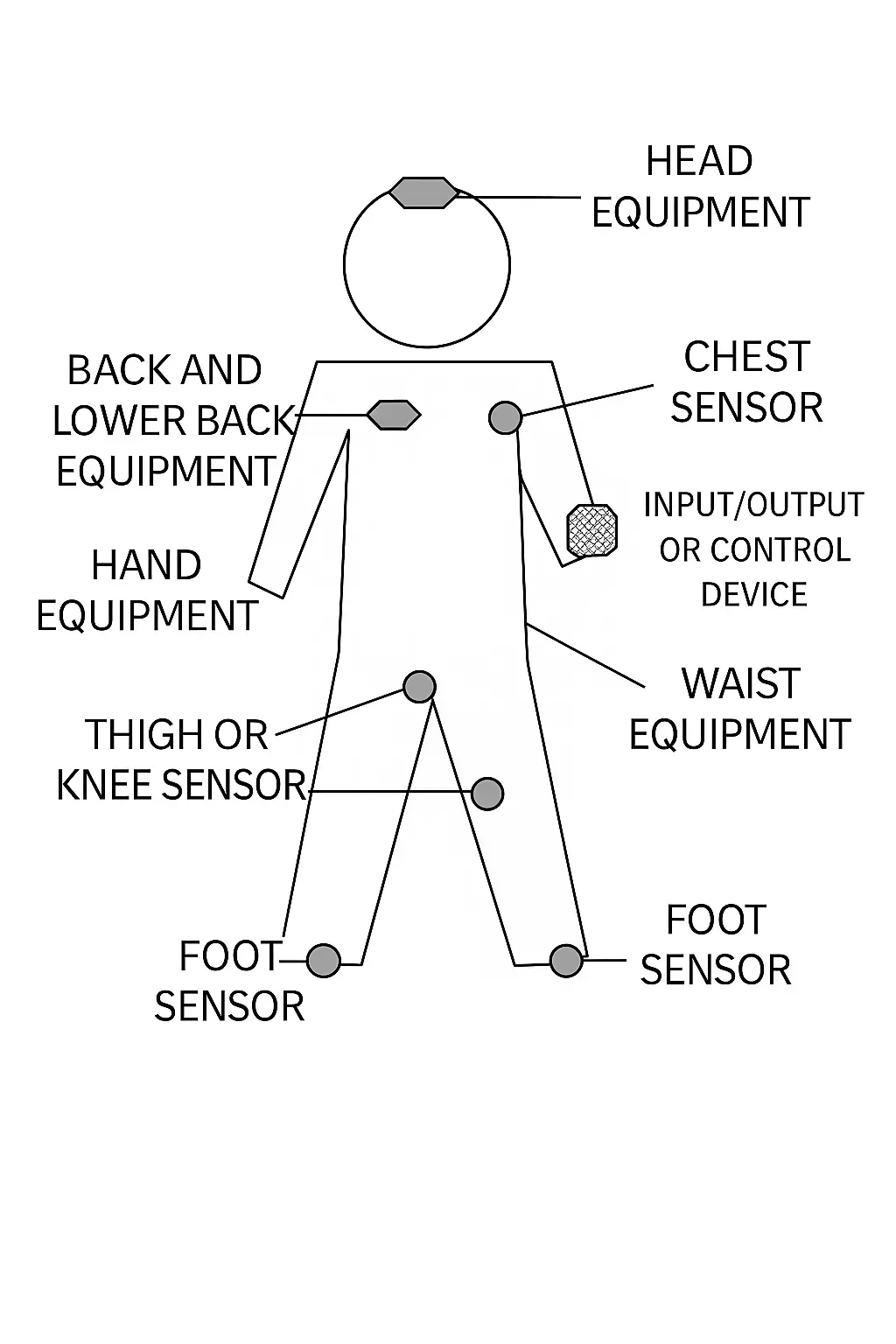
Gesture-controlled smartwatches rely on accelerometers, gyroscopes, and sometimes infrared or capacitive arrays. These sensors must be positioned with sub-millimeter accuracy relative to the enclosure, and their output traces require careful routing to avoid coupling with high-speed digital or RF lines. PCB designers typically isolate sensor clusters on separate power domains and employ star-grounding techniques to prevent ground bounce from corrupting low-level analog readings during rapid wrist movements.
Manufacturing constraints include maintaining consistent via aspect ratios and copper thickness across the board to ensure repeatable sensor calibration after assembly. Any deviation in trace impedance or ground integrity can introduce drift that users notice as inaccurate gesture response.
Evolution of Smartwatch Electronics and Modern PCB Requirements
Early smartwatches used simple single-layer or double-sided boards with basic microcontrollers. Contemporary designs incorporate six- to eight-layer stack-ups with embedded components, laser-drilled microvias, and sequential lamination to accommodate larger batteries and brighter OLED displays. The transition to always-on displays and multi-day battery life has driven adoption of thicker copper layers for power distribution and advanced surface finishes that resist corrosion from sweat and moisture.
These manufacturing advances directly address historical limitations in size, power, and reliability, allowing today’s smartwatches to deliver richer functionality without compromising the slim profiles demanded by consumers.

Styling, Form Factor, and PCB Manufacturing Constraints
Smartwatch styling decisions—bezel width, case curvature, and button placement—impose strict limits on PCB outline, bend radius, and component height. Rigid-flex PCB constructions are frequently chosen to follow the wrist contour while keeping critical traces intact under repeated bending. Designers must account for enclosure tolerances during PCB fabrication, ensuring adequate clearance for press-fit connectors and sufficient solder-mask definition around fine-pitch components.
Material choices such as polyimide flex layers or high-reliability FR4 with enhanced moisture resistance directly influence both yield during lamination and field durability. Thermal vias and strategic copper balancing further help dissipate heat from processors and charging circuits without increasing overall thickness.
Reliability and Long-Term Performance Considerations
Smartwatch PCBs must withstand thousands of flex cycles, temperature swings, and exposure to skin oils while maintaining consistent sensor performance. Controlled impedance routing, proper via filling, and conformal coatings applied during manufacturing are essential to prevent intermittent failures that manifest as inaccurate heart-rate readings or unresponsive gesture controls.
Future Trends in Smartwatch PCB Manufacturing
Emerging smartwatch features such as continuous blood-pressure estimation, advanced sleep-stage analysis, and on-device AI processing are pushing PCB technology toward even higher integration densities. Manufacturers are adopting ultra-thin rigid-flex substrates with ten or more layers, laser-drilled stacked microvias, and embedded passive components to free up board space for larger batteries and additional sensors.
Next-generation materials—including low-loss high-frequency laminates and thermally conductive dielectrics—are being introduced to support UWB and 5G connectivity while preserving signal integrity across increasingly crowded boards. Stretchable and hybrid printed electronics are also entering development pipelines, enabling PCBs that conform more naturally to wrist movement without sacrificing trace reliability.
Sustainability considerations are influencing stack-up choices, with lead-free processes, halogen-free laminates, and recyclable copper foils becoming standard requirements. These advancements will allow future smartwatches to deliver medical-grade accuracy and longer battery life within even slimmer, more comfortable form factors.
Conclusion
Successful smartwatch development hinges on PCB-level decisions that simultaneously support dense functionality, low power consumption, robust EMC performance, and long-term mechanical reliability. By prioritizing careful partitioning, targeted filtering, thermal vias, advanced stack-up optimization, and appropriate substrate selection early in the design phase, engineers can produce wearables that deliver accurate data and responsive interaction over years of daily use. These manufacturing and layout practices ultimately determine whether a device meets both consumer expectations and the rigorous reliability standards of the wearable electronics market.