UAV drone swarms represent a transformative capability in modern aerospace and defense operations, enabling coordinated reconnaissance, electronic attack, saturation strikes, and cooperative missions through large numbers of autonomous or semi-autonomous platforms. From a PCB manufacturing perspective, these systems impose stringent requirements on board-level design, material selection, signal integrity, thermal management, and electromagnetic compatibility. High-density, ruggedized printed circuit boards serve as the foundational hardware enabling reliable inter-drone communication, distributed control algorithms, and mission execution in environments characterized by intense jamming, vibration, and thermal extremes.
Core Operational Concepts and PCB Implications
Drone swarms function as distributed, self-organizing systems where individual platforms exchange real-time data for formation control, task allocation, and adaptive replanning. This architecture delivers advantages including enhanced survivability through redundancy, cost-effective mass deployment, and rapid response cycles. However, the reliance on wireless links and onboard electronics creates direct dependencies on PCB performance.
Key limitations—such as short endurance, vulnerability to electronic warfare, and constrained single-unit capabilities—translate into specific PCB engineering priorities. Designers must optimize power distribution networks for extended flight times while maintaining low weight and high reliability. Miniaturized platforms demand high-density interconnect (HDI) PCBs and multilayer stack-ups to integrate sensors, processors, RF modules, and power systems within tight form factors.
Critical Technologies Enabling Swarm Coordination
Effective swarm operation hinges on several interconnected technical domains, each heavily influenced by PCB design and fabrication:
- Swarm control algorithms and distributed processing: Onboard microcontrollers and FPGAs require PCBs with optimized trace routing to minimize latency in local decision-making. High-speed digital signaling demands controlled impedance and low-loss materials to support real-time fusion of sensor data across the swarm.
-
Network communication design: Self-organizing topologies rely on robust RF and wireless modules. Military-grade PCBs with precise RF layout, shielding, and via stitching ensure stable performance under electromagnetic interference (EMI). Copper thickness, dielectric selection, and surface finishes directly affect antenna efficiency, data throughput, and anti-jamming resilience.
-
Coupling of control and communications: Communication quality-of-service constraints influence trajectory planning. PCBs must support integrated mixed-signal designs that maintain signal integrity between control logic and transceivers, often incorporating ground planes and isolation techniques to prevent crosstalk.
-
Task planning and path replanning: Distributed architectures benefit from PCBs featuring high-reliability interconnects and fault-tolerant layouts. Efficient algorithms running on these boards enable rapid local corrections without central oversight.
-
Formation control: Multi-agent coordination places strict demands on timing synchronization. Low-jitter clock distribution and high-precision analog front-ends on PCBs are essential for maintaining spatial separation in dynamic flight conditions.

These technologies converge on boards that must withstand aerospace qualification standards, including vibration, shock, and wide temperature ranges.
Security and Resilience in Denied Electromagnetic Environments
Drone swarms operating in anti-access/area-denial (A2/AD) scenarios face sophisticated threats including jamming, spoofing, eavesdropping, node compromise, and network-level attacks such as DDoS or Sybil intrusions. Communication networks transition through distinct phases—transport and delivery, self-organizing approach, and autonomous mission execution—each presenting unique topology and security requirements.
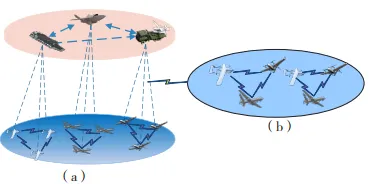
PCB-level countermeasures are central to mitigation strategies:
- Electromagnetic shielding and hardened enclosures protect sensitive RF and digital sections from high-intensity pulses.
- Physically unclonable functions (PUFs) and hardware-based cryptographic modules integrated into secure PCBs enable lightweight authentication and key exchange.
- Segregated command-and-control and data links on dedicated board layers, combined with encryption hardware, reduce tampering risks.
- Distributed node authentication and holistic key management leverage tamper-resistant PCB features to maintain swarm integrity even when individual units are isolated.
Material choices such as high-Tg laminates and specialized copper foils enhance resistance to thermal cycling and mechanical stress encountered during launch, recovery, or prolonged exposure.
Distributed Swarm Architectures and Loyal Wingman Integration
Distributed swarms emphasize self-organization, allowing heterogeneous platforms to dynamically regroup and execute missions without constant external control. Communication modules built on ruggedized military PCBs provide the low-latency, high-bandwidth backbone for intra-swarm data exchange, supporting applications from wide-area reconnaissance to coordinated electronic warfare.
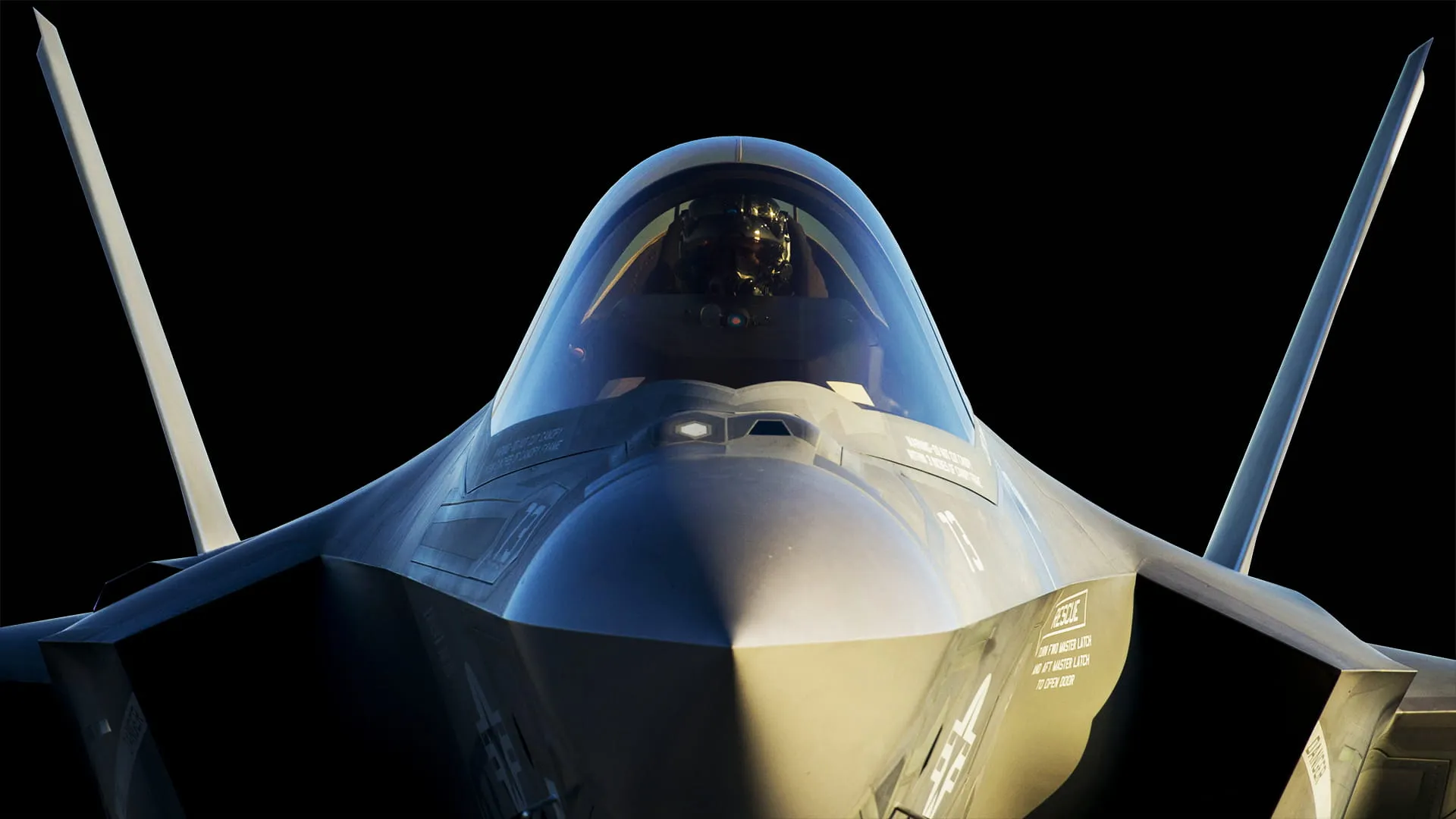
Loyal wingman concepts extend swarm principles by pairing attritable unmanned platforms with crewed fighters. These systems—designed for semi-autonomous operation alongside platforms such as the F-35 or future sixth-generation aircraft—require PCBs optimized for sensor fusion, electronic warfare payloads, and survivable data links. Low-cost, high-volume manufacturing approaches favor standardized multilayer boards with modular designs that balance performance against attrition tolerance. Features such as redundant power planes, advanced thermal vias, and EMI-immune layouts enable these platforms to absorb risk while enhancing overall mission effectiveness.
Manufacturing and Reliability Considerations for Aerospace Swarms
Producing drone PCBs demands specialized capabilities in high-mix, high-reliability fabrication:
- Stack-up optimization for signal integrity in dense RF environments.
- Controlled impedance routing and via-in-pad technology for compact, high-performance modules.
- Thermal management solutions including heavy copper, metal-core boards, or embedded heat spreaders to handle power electronics in small airframes.
- Rigorous testing protocols for vibration, shock, and outgassing compliance.
Cross-industry applications in automotive, industrial control, and telecommunications further validate these design principles, where similar constraints on EMI, thermal performance, and long-term reliability apply.
Future trends point toward greater autonomy, heterogeneous swarms, and tighter integration with crewed systems. PCB innovations in advanced materials, 3D packaging, and embedded components will be decisive in realizing scalable, resilient swarm capabilities. Manufacturers capable of delivering consistent quality across high volumes while meeting stringent aerospace standards position themselves as critical enablers of next-generation unmanned operations.
Conclusion
UAV drone swarm systems fundamentally depend on advanced PCB engineering to achieve the performance, resilience, and miniaturization required for contested operational environments. By prioritizing signal integrity, thermal management, EMI/EMC compliance, and high-reliability manufacturing processes, PCB designers and fabricators directly enable the distributed intelligence, secure communications, and fault-tolerant architectures that define effective swarms. As autonomous coordination and loyal wingman concepts continue to evolve, the ability to produce ruggedized, high-density boards at scale will remain a decisive factor in realizing the full potential of these technologies across defense and aerospace applications.