Laptops are a primary tool for portable work and travel. When selecting a laptop, chassis material is a key but often overlooked factor. It must be sturdy enough to protect the screen and light enough for portable use.
Common chassis materials include carbon fiber, metal (titanium alloy, aluminum-magnesium alloy, and magnesium-aluminum alloy), PPS, and ABS engineering plastic. The sections below summarize their characteristics and typical advantages.
Carbon fiber
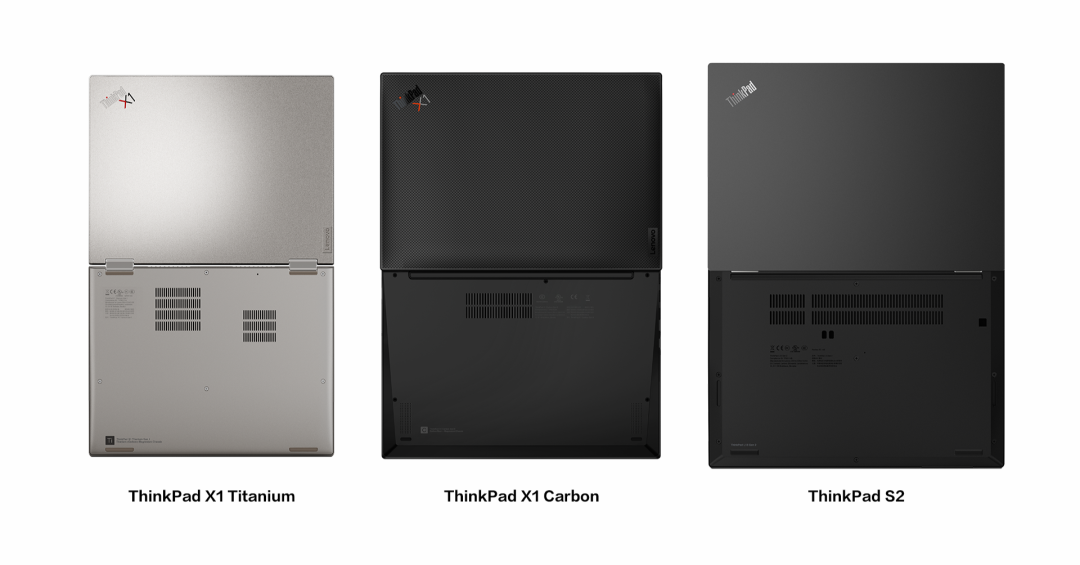
Carbon fiber is a high-strength, high-modulus fiber material with carbon content above 95%. It is widely used in aerospace and satellite manufacturing. Some high-end laptop lids use premium carbon fiber with reported stiffness values in the 500 GPa range. Carbon fiber requires complex processing and costly raw materials, which raises production costs. Its main advantages are:
- Light weight: Enables very thin and light chassis; around 1 kg designs meet portability needs for business travel.
- High strength: Tensile strength can be several times that of steel while retaining fabric-like processability; high toughness reduces deformation risk during transport.
- Corrosion resistance: Maintains elastic and strength properties in common acidic, alkaline, or saline environments, avoiding rust and extending service life.
Metal
Common metal chassis materials are titanium alloy, aluminum-magnesium alloy, and magnesium-aluminum alloy. Each has distinct trade-offs in strength, weight, thermal performance, and corrosion resistance.
Titanium
Titanium has stable chemical properties, wide operational temperature range, strong resistance to acids and bases, high strength, and low density. It is used in aerospace components and medical devices. Some laptop models use titanium for its high strength-to-weight ratio.
Aluminum-magnesium alloy
Aluminum-magnesium alloy contains roughly 3–5% magnesium added to aluminum to increase hardness. It offers notable thermal conductivity and strength while remaining lightweight and low density. It also has good heat dissipation and impact resistance, supports thin and highly integrated designs, and accepts surface coloring and finishing well. This alloy is common in thin-and-light laptops.
Magnesium-aluminum alloy
Magnesium-aluminum alloy is primarily magnesium (up to about 90%), with roughly 9% aluminum and small additions such as 1% zinc. It is the least dense of common engineering metals and provides good heat dissipation, low mass, and high compressive strength. However, production costs are relatively high and corrosion resistance is generally weaker than for aluminum-magnesium alloys or titanium.
PPS
PPS, polyphenylene sulfide, is a high-performance thermoplastic known for heat resistance, chemical resistance, radiation resistance, and flame retardancy. After fillers and modification, PPS is widely used as a specialty engineering plastic and can be formed into films, coatings, and composites. Laptops using PPS take advantage of its corrosion resistance and hardness for reliable performance in business travel scenarios.
ABS engineering plastic
ABS engineering plastic is often implemented as a PC+ABS alloy. This combination retains PC resin properties such as heat resistance, stability, and impact resistance, while ABS contributes good processing flow and moldability. Surface treatments, such as soft-touch coatings, expand color and finish options. PC+ABS alloys are commonly chosen where aesthetic customization and practical durability are both priorities.