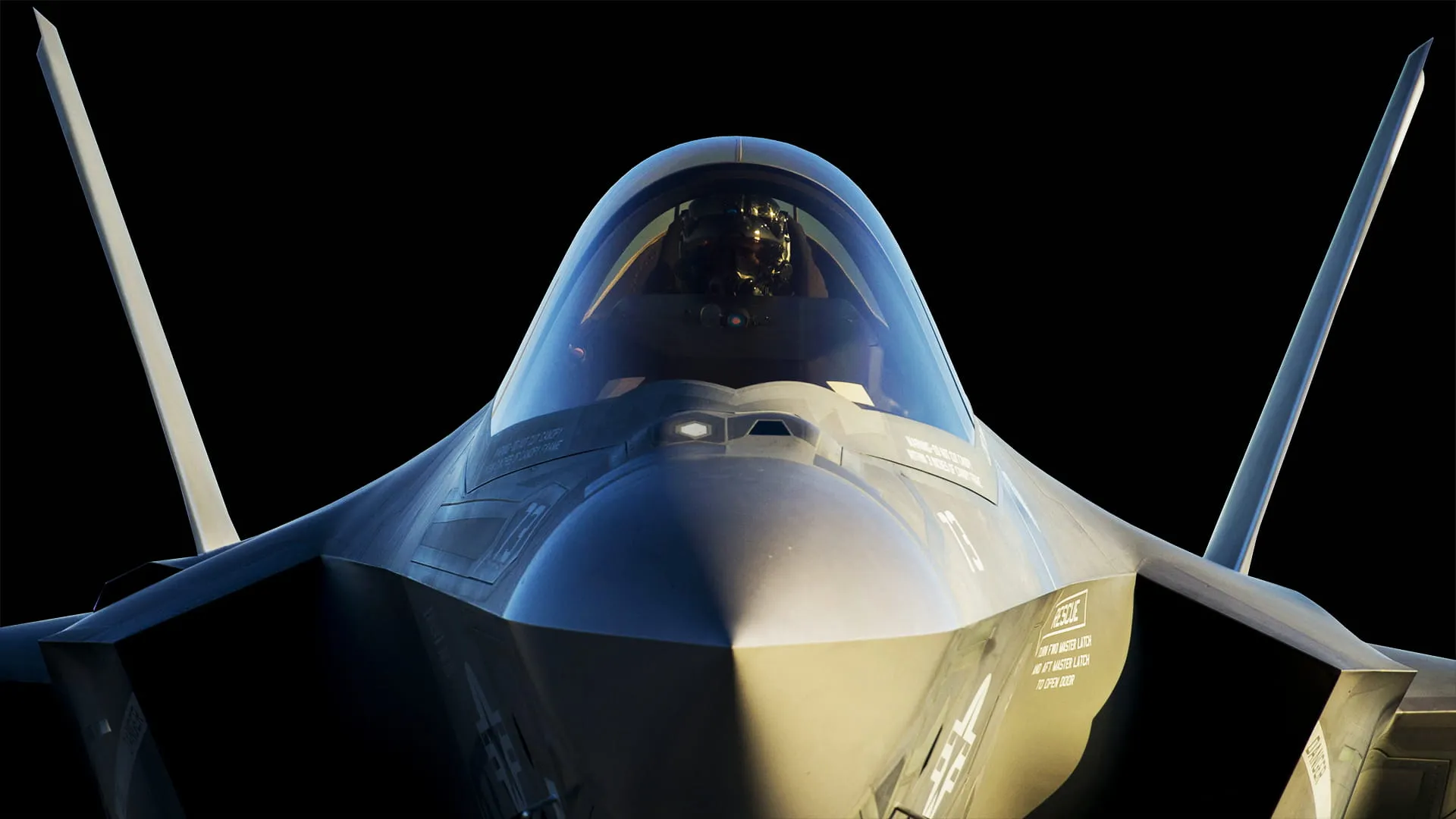
F-35 Multisensor Fusion and Avionics Overview
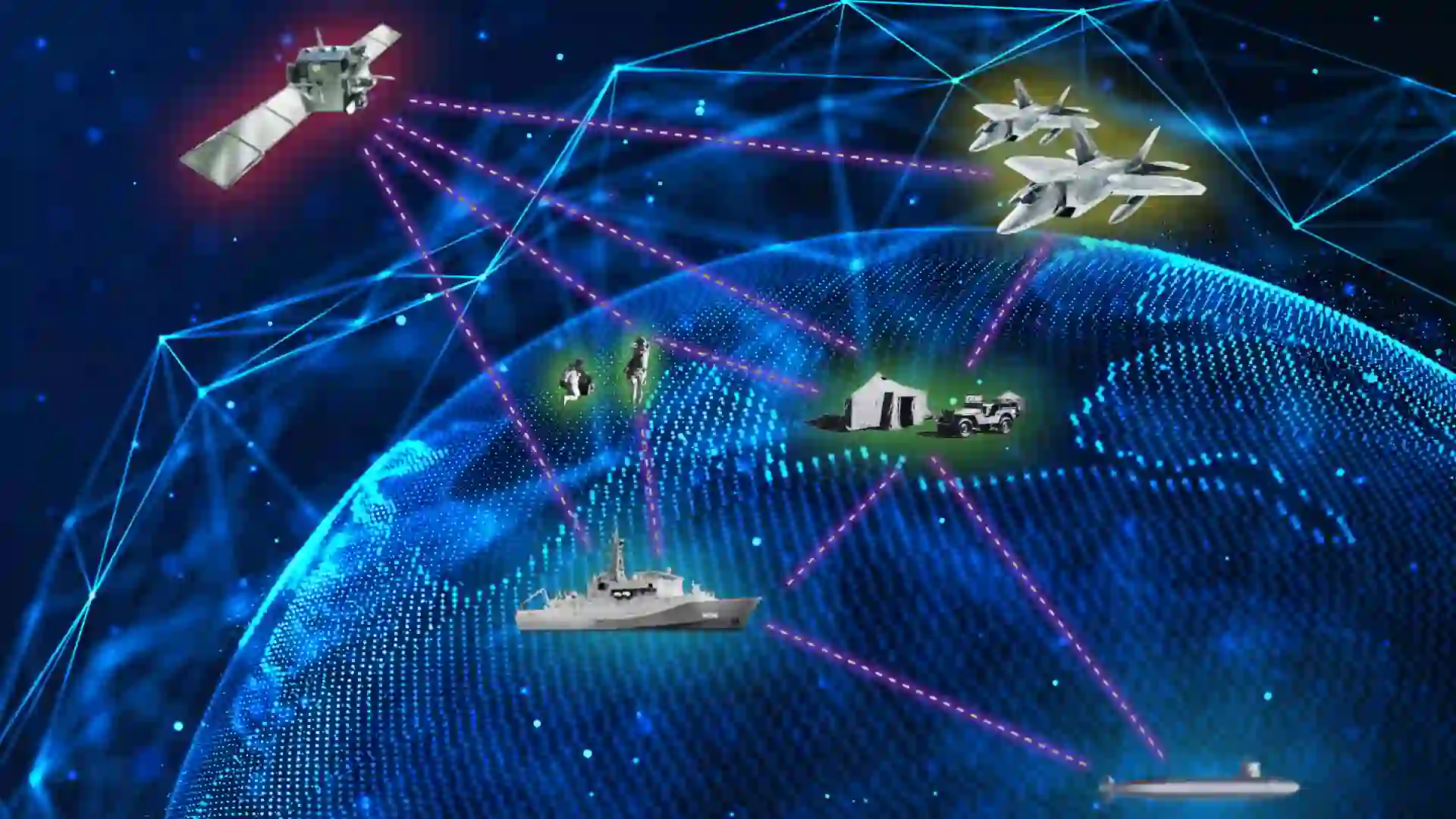
Technical overview of F-35 sensor and avionics: EOTS (TFLIR), DAS, helmet-mounted displays, MADL/Link-16 datalinks and weapons integration.
Aerospace electronics represent a critical frontier in modern engineering, where precision, reliability, and innovation converge to power the systems that enable flight, exploration, and defense. This category delves into the specialized world of printed circuit boards (PCBs) and electronic components designed for the demanding environments of aviation, space travel, and unmanned aerial vehicles. From high-altitude aircraft avionics to satellite communication modules, aerospace electronics must withstand extreme temperatures, vibrations, and radiation while maintaining flawless performance. In this collection of articles, readers will find comprehensive guides on designing robust PCBs for aerospace applications, including material selection for thermal management and signal integrity in harsh conditions. Tutorials cover practical techniques such as implementing redundancy in flight control systems and integrating sensors for real-time data processing. Insights from industry experts reveal emerging trends like miniaturization for lightweight drones and the role of AI in predictive maintenance for spacecraft electronics. Best practices emphasize compliance with standards such as DO-254 and MIL-STD-461, ensuring safety and efficiency in mission-critical projects. The real-world value of aerospace electronics lies in its direct impact on advancing technology that shapes global connectivity and exploration. Engineers and designers can apply these concepts to optimize power distribution in electric propulsion systems or enhance cybersecurity in networked aircraft. By examining case studies from commercial airlines to deep-space missions, this category equips professionals with actionable knowledge to tackle complex challenges. Delving into these resources fosters a deeper understanding of how cutting-edge electronics drive progress in the skies and beyond, offering tools to innovate and solve problems in this dynamic field.
Technical overview of F-35 sensor and avionics: EOTS (TFLIR), DAS, helmet-mounted displays, MADL/Link-16 datalinks and weapons integration.
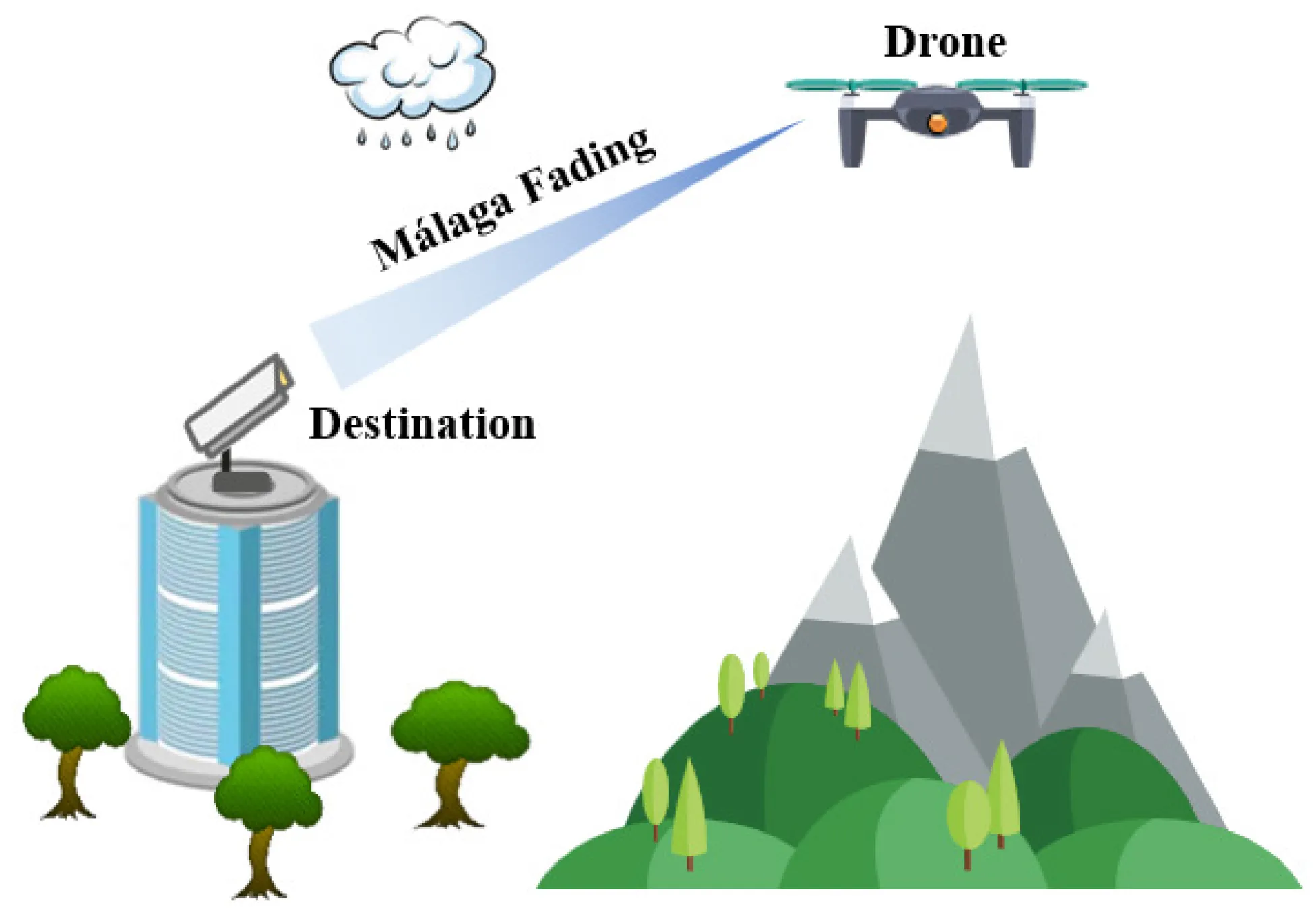
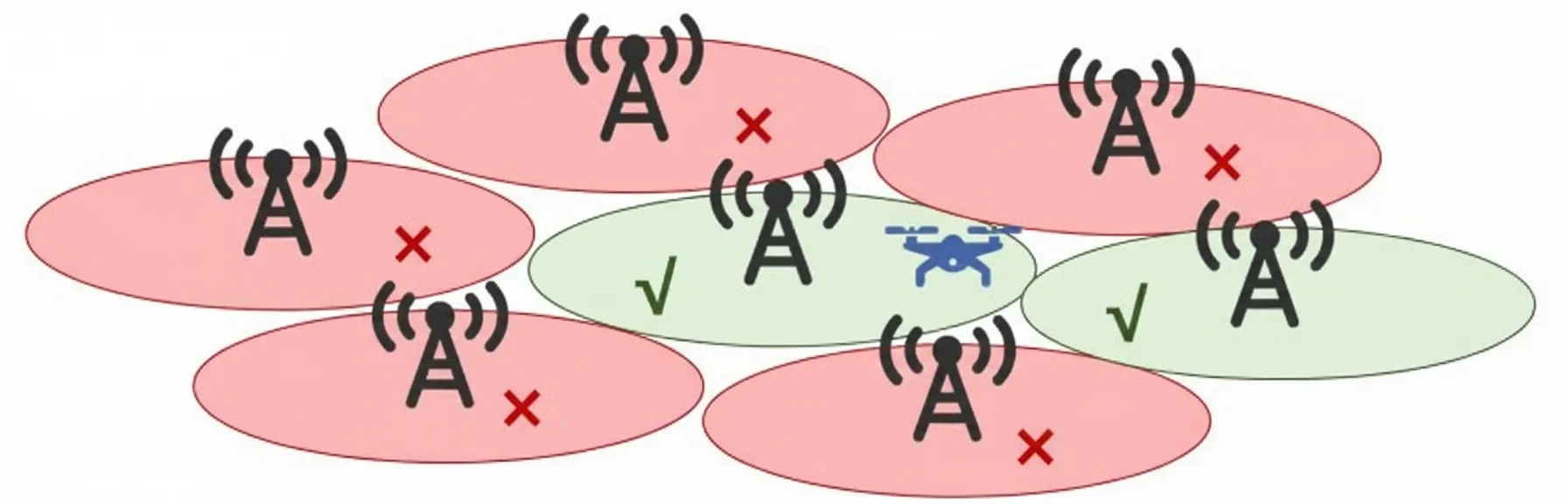
Explore key differences in drone (UAV) communication systems versus traditional mobile and point-to-point links. Technical analysis of COFDM modulation, video transmission challenges, multipath effects, RF linearity, DPD, and critical PCB design considerations for reliable aerospace wireless systems.
Overview of detection vs. stealth, focusing on radar and infrared detection, key stealth materials and structural approaches, and supplier profiles.
Technical overview of airplane windows: why rounded openings and multilayer panes mitigate stress concentration in pressurized cabins, plus structural and cost trade?offs.
Examines Russia-Ukraine multi-domain operations and proposes a technical roadmap for collaborative detection and guidance, emphasizing full-domain holographic situational awareness.
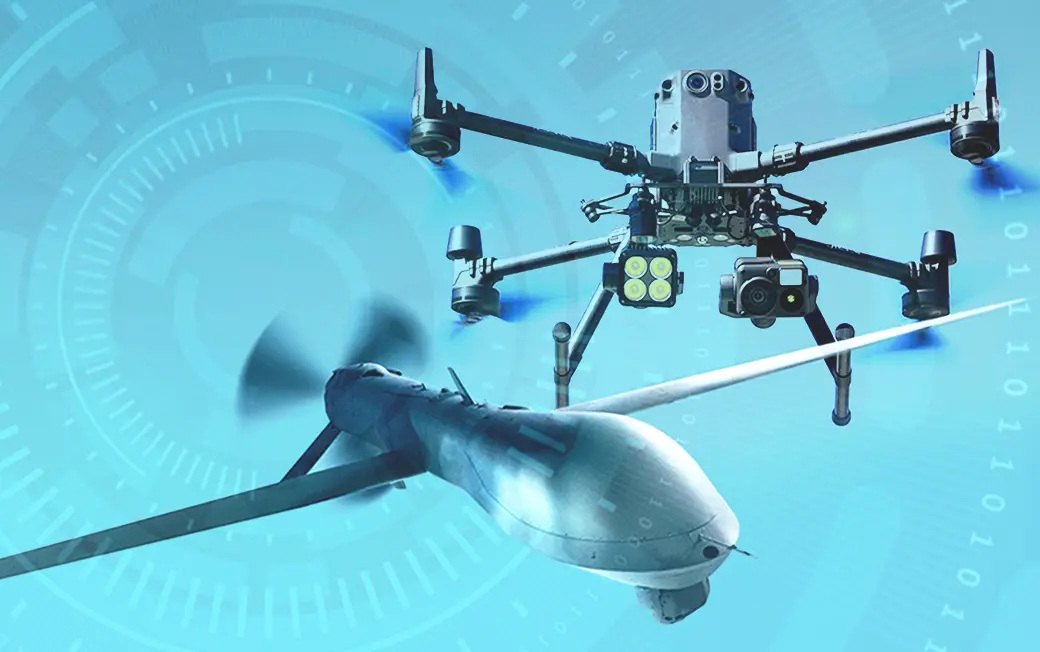
Overview of IAI UAS family, detailing Heron MALE platforms, tactical and VTOL systems, ground control (UCS/MOIC) and training for ISTAR and persistent surveillance.
Technical overview of ground vortex formation, visibility, hazards to engine intakes, and mitigation methods including design and operational measures to reduce debris ingestion.
VTOL UAVs enable rapid post-earthquake damage mapping and command support: multi-payload sensors and high-resolution imagery improve damage identification and planning.
Overview of YOLO-based small-object detection (L-YOLO) and fundamentals, history, innovations, and future directions for UAV flight control algorithms.
Learn the importance of near-field EMI testing for drones. Explore key EMI sources (motors, cameras, clocks), testing methods with spectrum analyzers and probes, mitigation techniques like spread-spectrum and EMI filters, and critical PCB layout considerations for aerospace-grade EMC compliance and reliability.
Technical overview of Cold War-era space weapons and concepts, covering space lasers, orbital nuclear/ASAT proposals, SDI, Polyus, kamikaze satellites and debris risks.
Explore how 5G enhances drone performance through ultra-high bandwidth, ultra-low latency, precise positioning, and massive connectivity. Technical insights on communication modules, RF design, power management, and PCB manufacturing challenges for next-generation UAVs in inspection, emergency, and autonomous operations.