Introduction
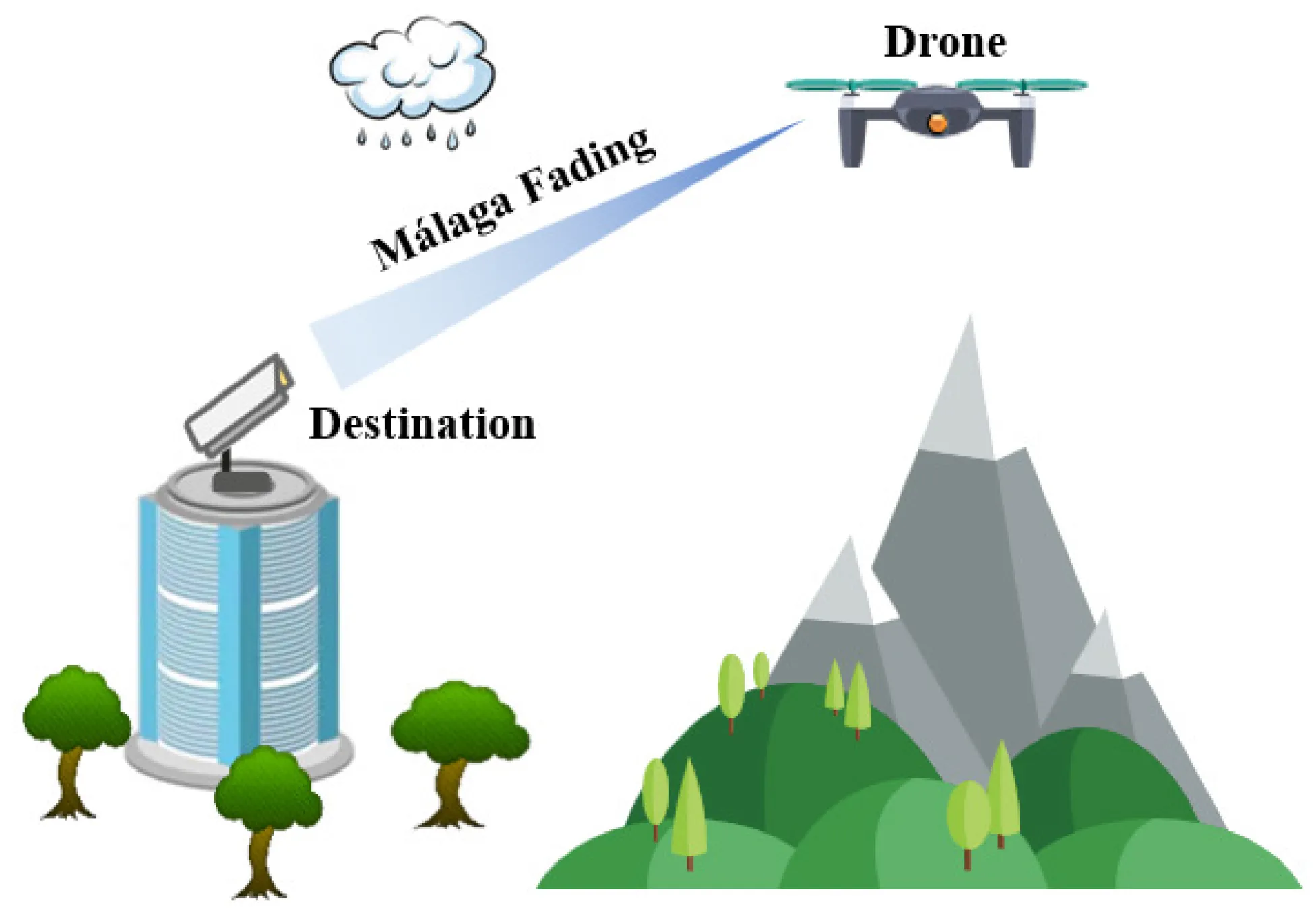
Drone communication systems present unique technical demands compared to conventional mobile networks, Wi-Fi, or simple point-to-point links. Early assumptions often viewed drone links as straightforward - using U/V frequency bands for control and Wi-Fi for video. In practice, the combination of high-mobility, real-time high-definition video, long range, and dynamic channel conditions makes UAV communications significantly more complex. For electronics engineers and PCB manufacturers, these differences drive specialized requirements in RF design, signal processing, power efficiency, and high-reliability assembly.
Video Transmission Challenges in Drones
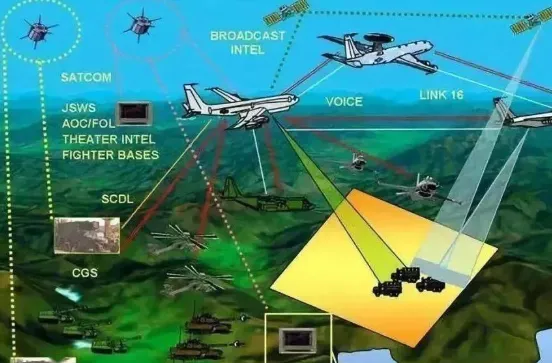
Most commercial and industrial drones rely heavily on real-time video transmission for control and payload applications. Achieving high-definition or 4K quality within limited spectrum bandwidth pushes data rates to the maximum, creating intense pressure on modulation efficiency and error resilience.
Traditional single-carrier modulation works well in some static air-to-ground scenarios with minimal multipath. However, drones operate as highly mobile platforms. Rapid movement introduces severe multipath fading, Doppler shifts, and rapidly changing channel conditions that degrade performance in conventional systems.
Modulation Techniques: OFDM vs COFDM
OFDM Limitations
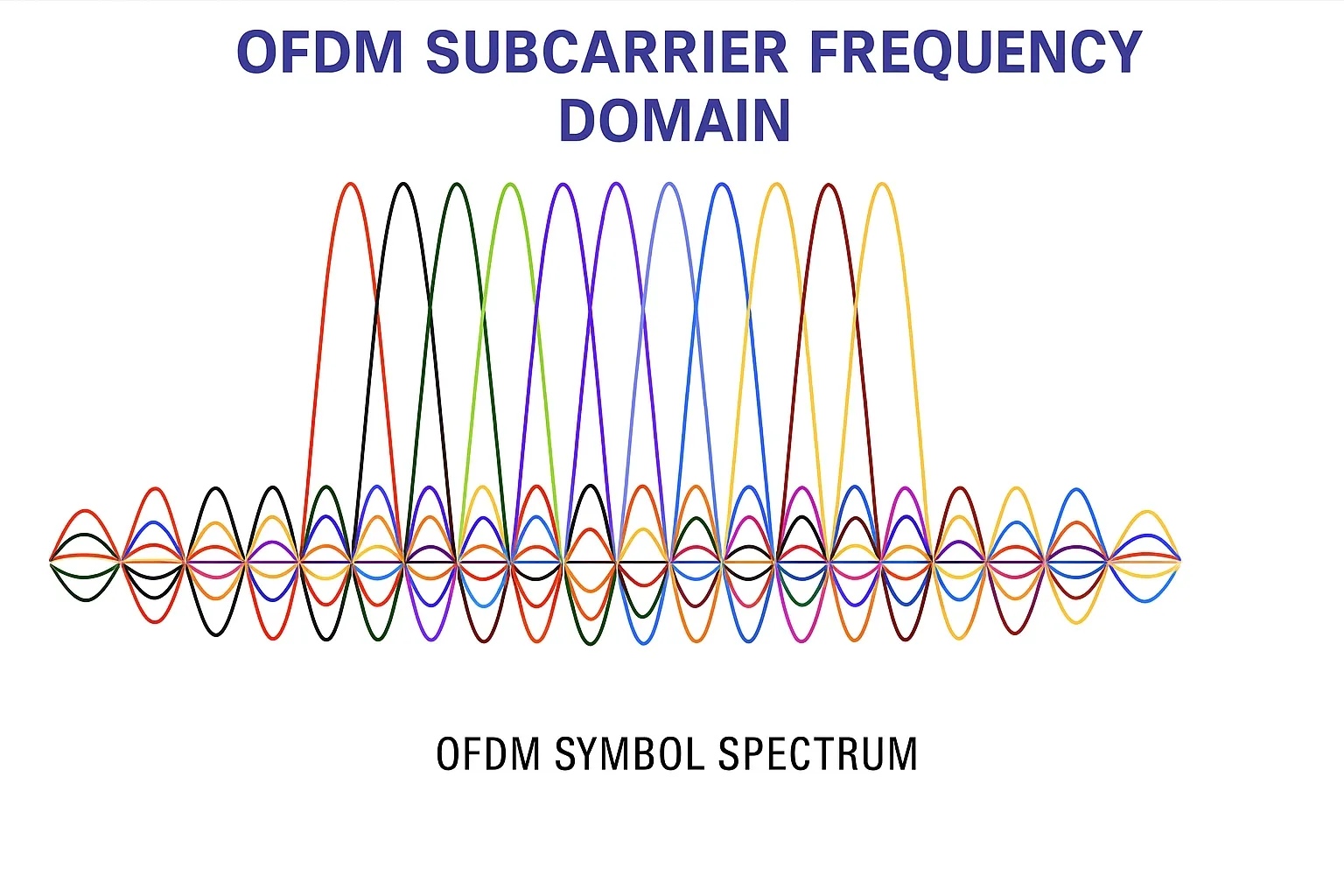
Orthogonal Frequency Division Multiplexing (OFDM) excels at handling frequency-selective fading by dividing the signal across multiple subcarriers. However, in highly mobile environments, it can suffer from performance degradation due to inter-carrier interference and sensitivity to flat fading.
COFDM: The Preferred Solution for Drones
The drone industry widely adopts Coded OFDM (COFDM), which combines OFDM with forward error correction (FEC) coding. This approach:
- Efficiently utilizes channel bandwidth
- Provides strong resilience against multipath and burst noise
- Reduces the need for complex high-speed equalizers
- Transforms a high-rate data stream into multiple lower-rate subcarriers while maintaining orthogonality via FFT processing
By adding redundancy through channel coding, COFDM significantly improves reliability for "communications on the move," making it far more suitable for UAV video downlink than plain OFDM.
RF Design and Linearity Considerations
Drone communication links often require longer ranges than consumer mobile phones, with asymmetric data flows: command uplinks are relatively low bandwidth, while video downlinks demand high throughput.
Key RF Challenges:
- High peak-to-average power ratio (PAPR) inherent in OFDM-based waveforms
- Need for both high output power and excellent linearity to maintain signal quality over distance
- Extended standby and flight times demanding high transmitter efficiency
To address these, many drone systems incorporate Digital Predistortion (DPD) techniques. DPD improves amplifier efficiency while preserving linearity, representing a critical optimization in UAV RF front-ends rather than a complete architectural overhaul compared to public networks.
PCB Design and Electronics Manufacturing Implications
The specialized nature of drone communication systems creates distinct requirements for PCB fabrication and assembly:
- RF and High-Frequency Layout: COFDM and high-bandwidth video demand precise impedance control, minimal crosstalk, and careful trace routing for RF chains. Multilayer boards with dedicated RF and ground planes are essential.
- Power Integrity and Efficiency: High-power transmitters and DPD circuits require robust power delivery networks (PDN), decoupling, and thermal management solutions such as thermal vias and copper pours to handle heat dissipation during prolonged transmission.
- Signal Integrity: High-speed digital interfaces between processors, modulators, and video encoders must maintain clean signals amid vibration and interference from motors and other subsystems.
- Miniaturization and Weight Reduction: UAVs demand high-density interconnect (HDI), rigid-flex, and lightweight PCB solutions to balance performance with flight endurance.
- Reliability in Harsh Environments: Vibration, temperature extremes, and potential EMI from propulsion systems necessitate conformal coatings, reinforced assemblies, and rigorous testing for aerospace-grade reliability.
- Integration of Communication Modules: Seamless integration of GNSS, telemetry, video codecs, and remote ID modules on compact boards supports regulatory compliance and operational safety.
Industry Trends and Future Outlook
Wideband communication and collaborative drone networks (including swarm and relay operations) represent growing directions. Continued focus on terminal efficiency, linearity, and integration with 5G/NTN networks will further shape UAV communication hardware.
Supporting Drone Communication Systems Through PCB Manufacturing
Reliable drone communication depends on advanced electronics design and manufacturing. Expertise in RF PCB layout, high-efficiency power systems, signal integrity, and ruggedized assembly enables OEMs to overcome the unique challenges of mobile aerial links while delivering high-performance, long-range video and control capabilities. From COFDM implementation to DPD-optimized transmitters, precision PCB solutions form the foundation of next-generation drone communication systems.
FAQs
Q1: Why is COFDM commonly used in drone video transmission?
A1: COFDM combines OFDM's multipath resistance with forward error correction, providing superior reliability in dynamic, high-mobility environments compared to plain OFDM.
Q2: How does drone communication differ from mobile phone networks?
A2: Drones require longer range, higher video bandwidth, better linearity under mobility, and operation in more challenging multipath conditions, often using private waveforms and specialized RF techniques like DPD.
Q3: What PCB considerations are important for drone communication modules?
A3: Critical factors include RF impedance control, power integrity for high-efficiency amplifiers, thermal management, vibration resistance, and high-density integration of video and telemetry circuits.