Core functions
The core of counter-drone technology is detecting, monitoring, and interfering with or suppressing drone activity. It mainly includes the following aspects:
Detection and identification
Accurately recognize and detect a drone's presence, position, speed, and heading to distinguish it from other flying objects and enable timely response.
Surveillance and tracking
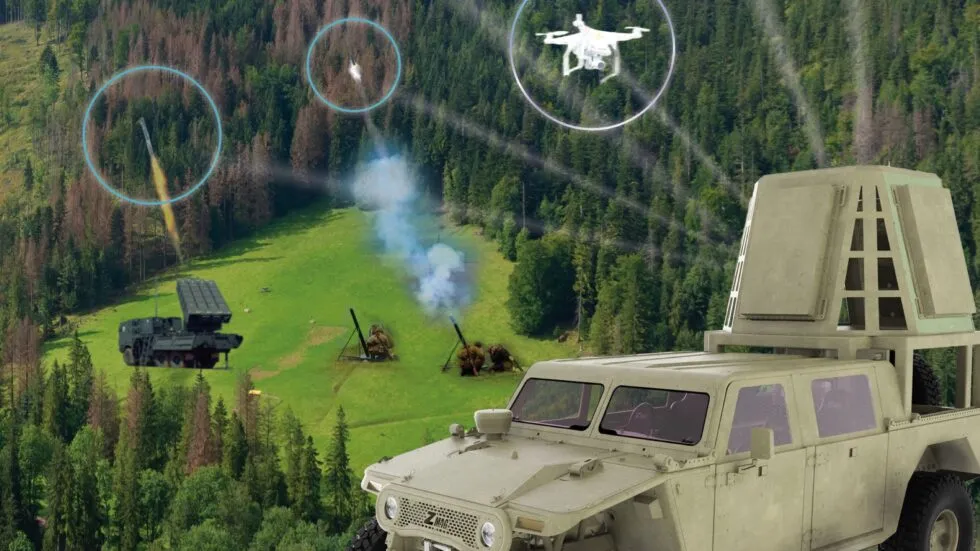
Use radar, optical sensors, and infrared sensors for real-time monitoring and tracking to maintain continuous observation and to enable further action when necessary.
Interference and suppression
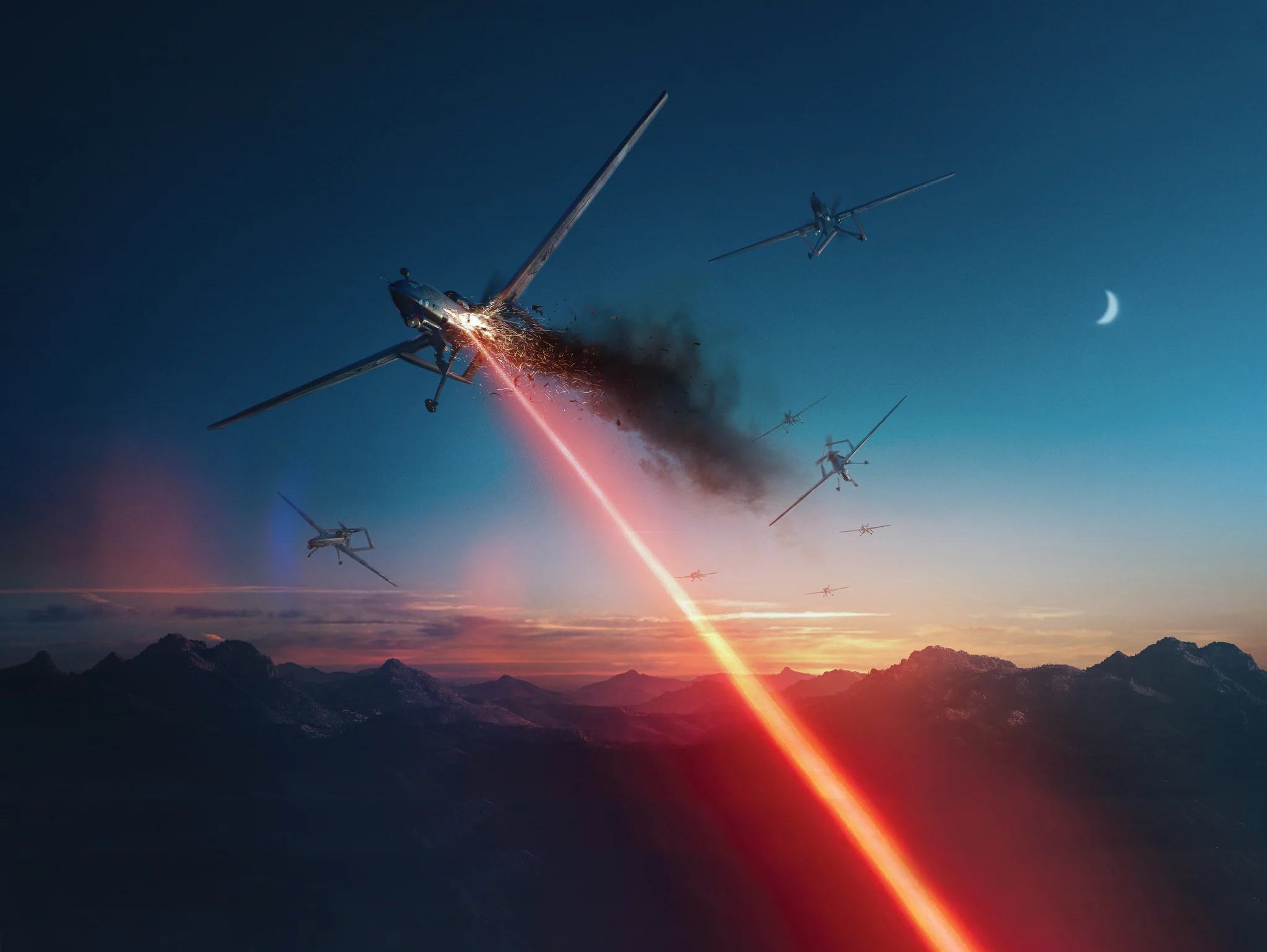
Use electronic jamming, physical interception, or directed-energy systems such as lasers to disrupt a drone's communications, navigation, or propulsion, causing loss of control, degraded capability, or forced landing.
Defensive architecture
Establish a comprehensive counter-drone defensive system, including detection equipment, interception devices, early warning systems, and response and mitigation procedures to form a multi-layered defense network and improve response capability to drone threats.
The primary goal is to ensure safety and protect critical areas from drone threats while complying with applicable laws and avoiding interference with lawful drone operations.
Common technical methods
Electronic jamming
Disrupt a drone's communication, navigation, or remote-control signals to cause loss of control or disorientation. Common methods include electromagnetic jamming, frequency jamming, and GPS jamming or spoofing.
Physical interception
Use physical means to intercept or capture drones, such as nets, interceptor drones, or net guns to restrict movement or bring them down.
Laser systems
Use laser beams to disrupt, disable, or degrade a drone's sensors or components by focusing energy to damage critical parts.
Infrared detection
Use infrared sensors to detect and track drones by their thermal emissions.
Radar systems
Use radar to detect and track drones by detecting weak echo signals to determine position, speed, and heading.
Note that deployment of counter-drone technologies must comply with applicable laws and regulations in the relevant jurisdiction and must not interfere with lawful drones or other aircraft.