Overview
Carrier-based aircraft are designed to operate from aircraft carriers and other warships. Like land-based aircraft, they can carry missiles, bombs, and other weapons to engage air, ground, surface, and subsurface targets. Carrier aircraft perform a variety of missions, including strike, reconnaissance, patrol, airborne early warning, mine-laying, transport, and other tasks.
History and Operational Role
The development of carrier aviation spans more than a century. The first recorded ship-launched flight occurred on November 14, 1910, when U.S. aviator E.B. Ely took off from the cruiser Birmingham. During World War I, carrier aircraft were primarily used for maritime reconnaissance, patrol, and anti-submarine tasks; limited aircraft technology and doctrinal understanding constrained their effectiveness.
By World War II, carriers and carrier aircraft became central to naval warfare. Carrier air power dominated battles such as the attack on Pearl Harbor, the Battle of Midway, and the Battle of the Coral Sea. After the war, improvements in aviation technology increased the range of carrier-based operations. Conflicts such as the Vietnam War, the Gulf War, and the 2003 Iraq campaign demonstrated the strategic impact of carrier air wings, which provided rapid strike and sustained air support far from land bases.
Today, the number and capability of an aircraft carrier's air wing remain key measures of its operational power. Many modern carrier fighters are multirole, capable of air-to-air and air-to-surface operations, while specialized aircraft continue to perform dedicated roles such as airborne early warning and anti-submarine warfare.
Types and Mission Roles
Carrier-based aircraft are generally classified by mission: fighters, attack aircraft, anti-submarine aircraft, airborne early warning aircraft, reconnaissance aircraft, electronic warfare aircraft, and transport aircraft. Structurally, they may be fixed-wing or rotary-wing.
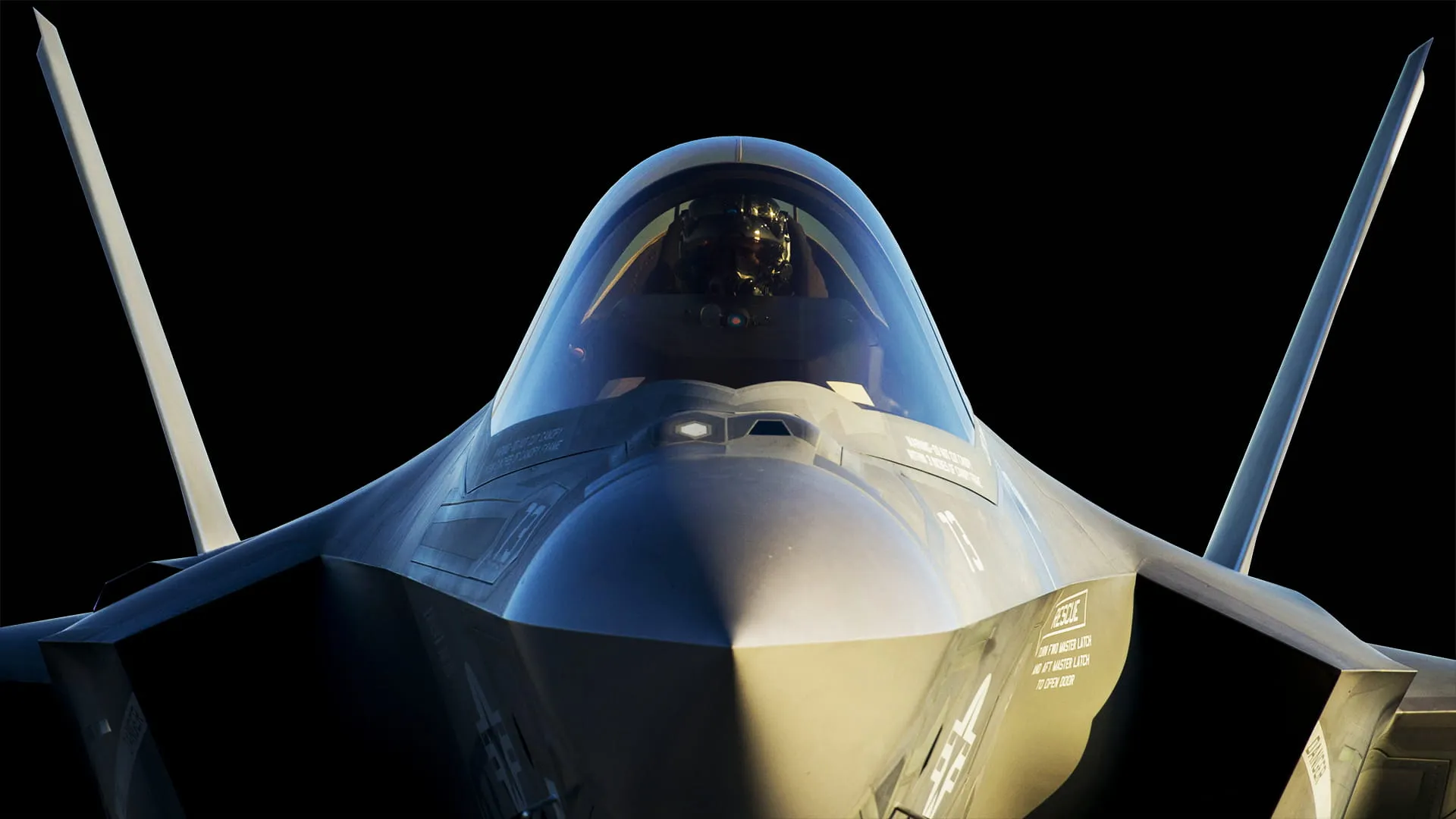
Fighters are the mainstay of carrier air wings. Many modern carrier fighters are multirole, combining air-to-air and air-to-surface capabilities. Airborne early warning aircraft on carriers are smaller and lighter than many land-based AWACS due to deck size and weight constraints, and they usually include extensive communications suites, including long-range satellite communications. If a carrier lacks airborne early warning assets, the effective operational range and situational awareness of carrier fighters are significantly reduced.
Some carriers no longer operate dedicated reconnaissance aircraft because airborne early warning platforms can fulfill many reconnaissance functions. Carrier transport aircraft are limited in size by deck and hangar space; even large carriers typically operate relatively small transports, such as the C-2 Greyhound, rather than large land-based transports.
Electronic warfare aircraft perform signals intelligence, jamming, and suppression of enemy air defenses to protect strike aircraft and naval forces. Anti-submarine warfare is often provided by carrier-based helicopters; fixed-wing carrier ASW aircraft are less common, with helicopters fulfilling ASW roles on smaller carriers, destroyers, and frigates.
Key Differences Between Carrier and Land-Based Aircraft
Airframe Strength
Carrier aircraft have reinforced structures to withstand catapult launches and arrested recoveries. Without sufficient structural strength, an aircraft subjected to the high acceleration of catapult launches or the abrupt deceleration of arrested landings could suffer catastrophic failure.
Corrosion Resistance
Marine environments expose carrier aircraft to high humidity and salt, which accelerate corrosion and can degrade aircraft coatings and metal surfaces. Prolonged exposure to salt spray and salt fog on deck can lead to paint and oxide layer deterioration and subsequent structural corrosion. To mitigate this, carrier aircraft use corrosion-resistant materials and coatings, designs that facilitate drainage and ventilation, and stricter maintenance and preservation practices.
Launch and Recovery Equipment
Land-based aircraft operate from long runways and generally do not need specialized deck equipment. Carrier operations, by contrast, rely on catapults, arresting wires, tailhooks, and tie-downs. Tailhooks engage arresting wires to rapidly decelerate aircraft on landing; tie-downs secure aircraft on deck to prevent tipping or movement in heavy seas.
Takeoff and Landing Performance
Carrier decks are short and move with ocean conditions, increasing the difficulty of takeoff and landing. Carrier aircraft are typically designed with lower centers of gravity, stronger anti-tip characteristics, and enhanced low-speed handling to improve safety and performance during deck operations.
Folding Wing and Space-Saving Features
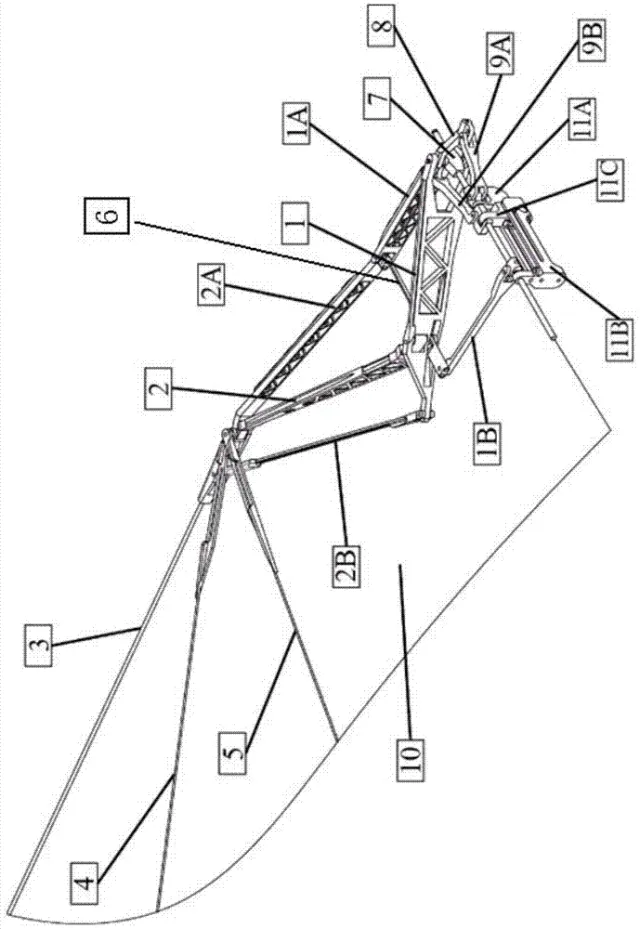
To reduce deck and hangar footprint, many carrier aircraft have folding wings; some also have folding noses or vertical tails. These features are unnecessary for most land-based aircraft.
Pilot Training
Carrier pilots undergo specialized and more rigorous training to operate from ship decks. Landing on a confined, moving deck and executing catapult launches and arrested recoveries expose pilots to higher g-forces and greater operational risk than typical land-based operations.
Other Differences
Carrier and land-based aircraft differ in wing area, stability requirements, engine power, and other design parameters. Carrier aircraft are purpose-built for shipboard operations and are not simply standard land-based models flown from carriers.
Rotary-Wing Carrier Aviation
Many navies operate a variety of carrier-based helicopters for transport, anti-submarine warfare, reconnaissance, anti-surface warfare, and airborne early warning. Helicopters provide flexible mission performance, vertical lift, hover capability, low-altitude and sea-skimming flight, and rapid logistic support, making them valuable for both operations and resupply.