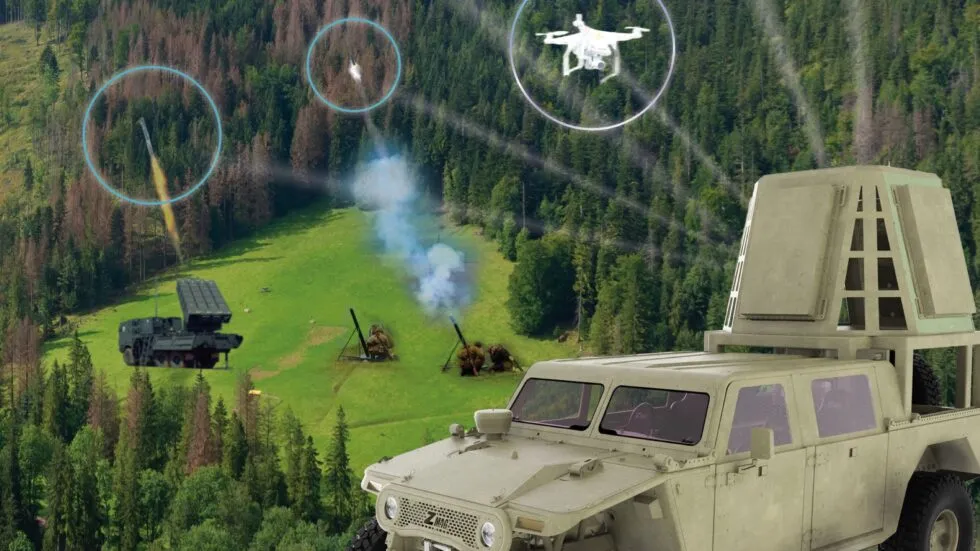
Digital phased-array radar technology can rapidly detect and locate multiple drone targets through electronic scanning, enabling their monitoring and engagement. As drone use becomes more widespread and malicious incidents increase, demand for counter-drone capabilities is rising, and the global counter-drone market is expected to expand in the coming years.
Drone applications and security challenges
The rapid development of drone technology has expanded its use in both military and civilian domains. In military operations, drones are used for reconnaissance, surveillance, and strikes, reducing personnel risk and improving operational efficiency. In civilian contexts, drones are applied to aerial photography, cargo delivery, agriculture, and scientific research, improving productivity and lowering costs.
At the same time, drone proliferation has introduced new risks, including nuisance flights, collisions with manned aircraft, and use for smuggling. These issues pose threats to public safety and national security, creating a need for improved regulation and advanced counter-drone technologies.
Technical and regulatory countermeasures
To address threats posed by criminals using drones, technical measures are required. Advanced radar systems can detect drone position and velocity, while jamming devices can disrupt drone signals and control links. Drone interceptors can be used to capture or disable hostile drones.
On the regulatory side, laws and rules can limit drone operation by specifying maximum flight altitudes, restricted flight zones, and registration requirements. Strengthened oversight of manufacturers and vendors can help prevent sales to malicious actors.
Impact on radar systems
Drones challenge traditional radar, which was primarily designed to detect and track large aircraft and missiles. Drones are often smaller, faster, and harder to detect, so radar systems require upgrades to address these characteristics.
Future radar development directions
- Digital beamforming: Enables multiple simultaneous beams, improving detection efficiency and target tracking.
- Multifunction radars: Future systems will combine detection, tracking, identification, and interference functions to meet diverse mission requirements.
- Adaptive signal processing: Use of adaptive signal processing algorithms to cope with complex electromagnetic environments and changing target characteristics.
- Radar networking: Networked radar systems that collaborate to accomplish tasks more effectively.
- Sensor fusion: Integration of radar with other sensors, such as optical, infrared, and sonar, to improve detection and identification accuracy and reliability.
Responding to drone swarm threats
Digital phased-array radar can address drone swarm threats in several ways:
- Detection: Electronic beamforming concentrates receive beams in specific directions without moving the antenna, enabling detection of swarms.
- Tracking: By converting each array element's signal into a digital data stream, the system can form multiple beams and observe multiple directions simultaneously, allowing concurrent tracking of many drones within a swarm.
- Disruption: When integrated with other counter-drone systems, phased-array radar can help identify multiple targets and coordinate countermeasures. Combining phased-array radar with jamming or other interference devices can disrupt a swarm's communication and navigation systems, reducing its effectiveness.
Other counter-drone measures and outlook
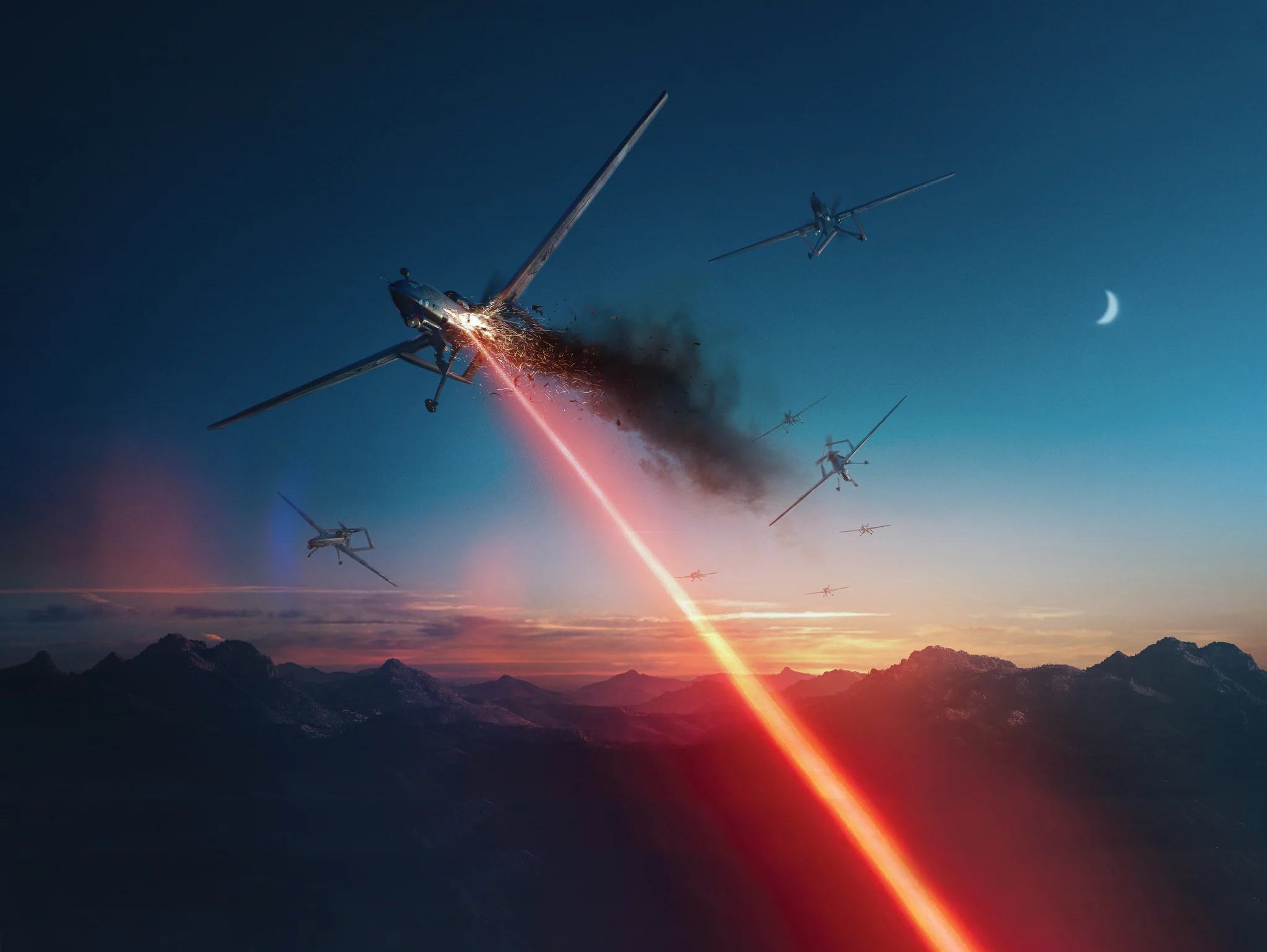
Common counter-drone measures include electromagnetic jamming, laser disruption, physical interception, and radio interference. Their effectiveness depends on the scenario; some drones may be affected while others may overcome these measures. Research and development efforts continue on technologies such as radar-based detection and identification and drone interceptors, but their practical performance requires further validation.