Introduction
Resin-based composites have become essential in aircraft structures because of their high strength-to-weight ratio, fatigue resistance, and corrosion resistance. Based on the matrix resin type, resin-based composites are classified as thermosetting or thermoplastic. Difficulties in prepreg production and processing have historically limited the use of thermoplastic composites in airframe and engine structures. Research and applications of thermosetting composites have been relatively mature, but their limited toughness and sensitivity to low-speed impact delamination constrain further use in aerospace structures. Thermoplastic resins, owing to their condensed-phase structure, provide higher toughness, giving thermoplastic composites advantages over traditional thermosetting composites and broader application prospects.
Both international and Chinese stakeholders have raised environmental requirements for the aviation industry. The European Union launched the Clean Sky research program to reduce energy consumption and noise pollution and to reduce aviation's environmental impact. Because thermoplastic composites do not undergo chemical curing during forming, they offer recyclability advantages and can be more environmentally friendly while improving performance. Thermoplastic prepregs can be stored indefinitely at room temperature and offer high forming efficiency that can reduce manufacturing costs. These advantages have led to widespread adoption of thermoplastic composites in large civil aircraft and helicopters. For example, Airbus uses TenCate carbon-fiber fabric reinforced PPS thermoplastic composite for certain fuselage band components on the A350. The Airbus H-160 helicopter uses carbon-fiber reinforced PEEK thermoplastic composite to replace a titanium alloy main rotor hub center part, reducing cost and weight while improving damage tolerance and maintainability, indicating successful application of thermoplastic composites in helicopter primary load-bearing structures.
Applications in Aircraft Engines
In aircraft engines, although thermoplastic composites cannot meet the high-temperature requirements of turbine disks and other hot-end components, they have broad application potential for cold-end components and nacelle structures. International manufacturers already use thermoplastic composites extensively in components such as pylons and inlet acoustic liners. Some experts at GKN Aerospace believe thermoplastic composites could be applied to fan cowl structures by borrowing experience from airframe applications.
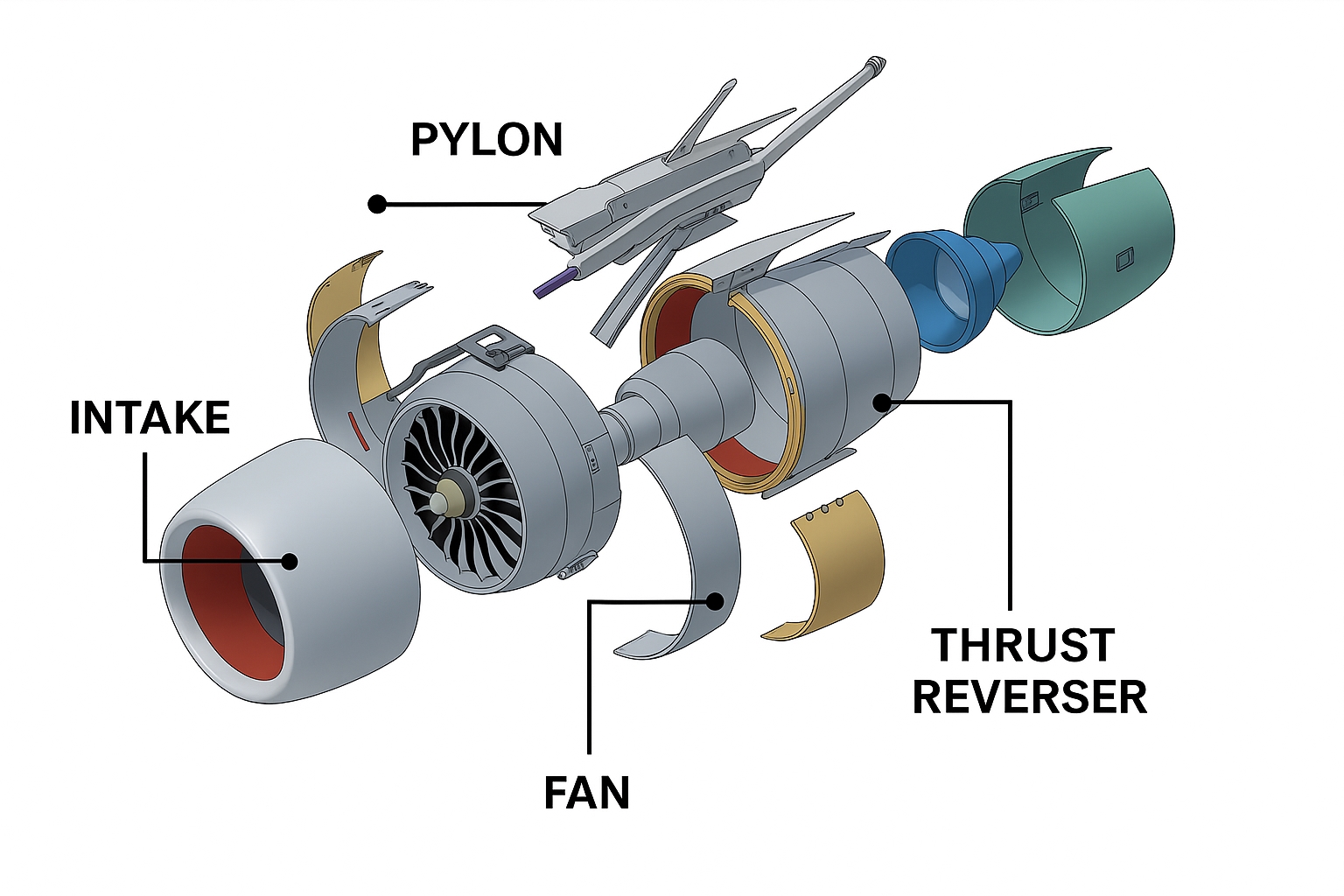
Figure 1 Thermoplastic composite application in an engine nacelle
High-Performance Thermoplastic Composites and Processing
Most composites used in current aircraft structures use thermosetting resins such as epoxy, bismaleimide, and polyimide. Compared with thermosetting resin-based composites, thermoplastic resin-based composites have the following advantages:
- When the condensed-phase structure is optimized, thermoplastic matrices exhibit higher matrix toughness. Thermoplastic resin-based composites have better fatigue resistance, higher impact damage tolerance, and higher damage tolerance compared with thermosetting resin-based composites.
- Lower porosity and moisture uptake, and better environmental resistance.
- Forming is a melt-consolidation physical process without curing reactions, enabling remolding and welded forming. Forming cycles are short, process efficiency is high, and parts are repairable.
- Thermoplastic prepregs can be stored at room temperature with near-indefinite shelf life.
After years of development, international suppliers have established mature thermoplastic composite systems. Major suppliers include TenCate (Netherlands) and Cytec (US); in recent years, Evonik (Germany) and Teijin (Japan) have also developed thermoplastic composite systems. International manufacturers offer carbon, glass, and aramid fiber-reinforced high-performance thermoplastic resins such as PEI, PPS, PEEK, and PEKK. TenCate's material and application technology systems are among the most complete.
In addition to mature material systems, international developments in thermoplastic composite forming include methods such as compression molding, autoclave/press forming, membrane forming, stamping, and automated fiber placement (AFP). AFP has become a representative low-cost, rapid forming technology for thermoplastic composites. Since thermoplastic forming is a physical melt-then-solidify process, AFP enables in-process heating, melting, automated placement, and in situ consolidation, significantly improving forming efficiency and reducing energy consumption and manufacturing cost.
For large parts, AFP avoids size limitations imposed by autoclaves during curing and mismatches in mold thermal expansion. Using unidirectional tape with short-cut fiber compression molding also provides another low-cost, high-performance approach for composite engineering applications, particularly when replacing aluminum alloy structures. Figure 5 shows TenCate Cobra Composite Structures using thermoplastic bulk molding compound in compression molding.
Research on high-performance thermoplastic composites in China began during the Seventh Five-Year Plan period, initially led by Jilin University for domestic PEEK development. Between the Eighth and Fifteenth Five-Year Plan periods, collaborations with the Beijing Aeronautical Materials Research Institute advanced prepreg preparation methods such as slurry impregnation and electrostatic powder methods and composite manufacturing technologies, validating manufacturing processes and installation for stiffened covers and stiffened panels on a fixed-wing transport aircraft demonstrator. Later, limitations in resin stability and prepreg manufacturing processes caused domestic research and application to stagnate.
Recently, the Advanced Low-Dimensional Materials Center at Donghua University (successor to the Jilin University team) has continued nearly 20 years of work on PEEK and PAEK synthesis and modification and has developed continuous fiber-reinforced PEEK prepregs and composites.
Using their proprietary hot-melt prepreg equipment, the Donghua team produced continuous carbon-fiber reinforced PEEK narrow-width prepregs (100 mm width), as shown in Figure 6, and fabricated laminated panels by hot pressing. Ultrasonic A-scan nondestructive testing showed intact internal laminate quality, as shown in Figure 2.
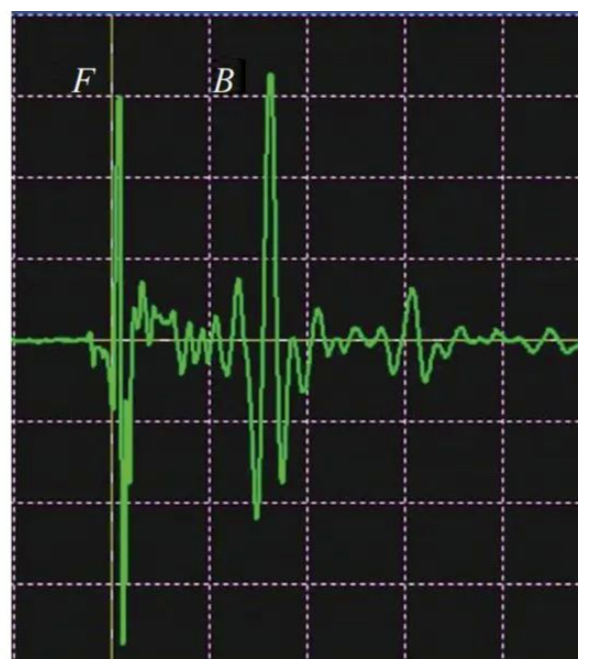
Figure 2 Domestic prepreg hot-press formed continuous carbon-fiber reinforced PEEK laminated panel
For automated forming of thermoplastic composites, Donghua University collaborated with Nanjing University of Aeronautics and Astronautics to validate an automated tow placement process based on thermoplastic prepregs.
Composite Applications in Engine Nacelles
Noise certification for civil aircraft has become a mandatory requirement. To reduce engine noise, nacelle acoustic treatment technologies have evolved; acoustic liner technology is a key approach. The CF/PEI thermoplastic composite panels developed by TenCate have been commercialized as inlet acoustic liner honeycomb face sheets and are used on Airbus A380 engines.
To ensure rapid deceleration on landing, reverse thrust systems are installed on engines. When deployed, the reverse thrust system redirects bypass airflow by more than 90 degrees to generate a thrust component opposite to forward thrust. The service environment for reverse thrust devices imposes stringent short-duration high-temperature requirements on materials. High-performance thermoplastic composites based on PEEK and PEKK are potential candidate materials for reverse thrust components. The fan cowl, a mid-nacelle fairing similar to airframe structures, is also a likely target for first thermoplastic composite applications in nacelles.
Another key application is nacelle pylons and related hangar fittings. On the A340 engine nacelle, pylon fairings are covered by 22 skin parts in 12 categories, all manufactured from CF/PPS. These parts measure 700 to 1400 mm in length, 200 to 400 mm in width, 2.8 mm thickness, have complex double-curvature shapes, and include lightning strike copper mesh on the surface.
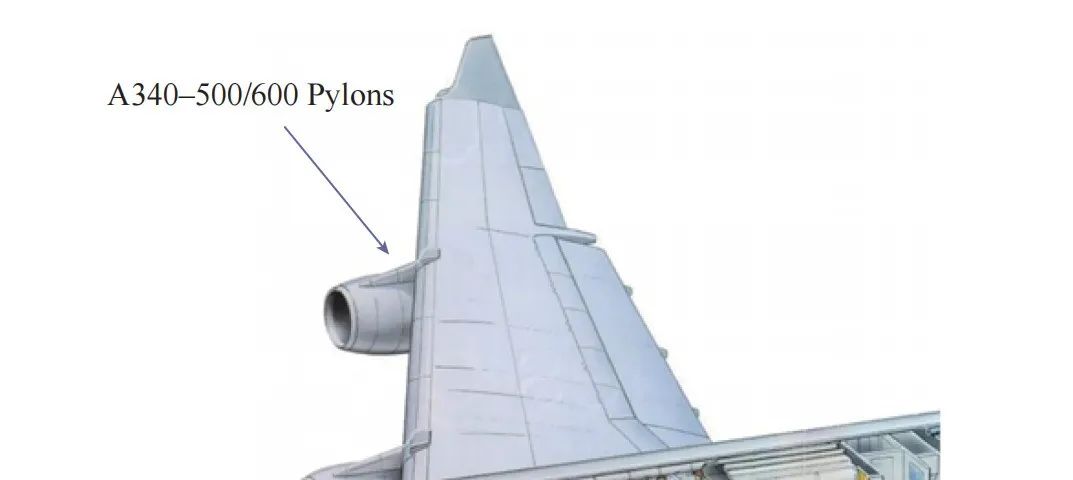
Figure 3 Airbus A340 engine nacelle pylon
One example is the A380 engine pylon skins produced by Daher. One of the 50 pylon skin panels on the A380 engine was made using TenCate Cetex TC1100 CF/PPS. This material offers excellent toughness, corrosion resistance, and self-extinguishing flame retardancy and can be formed by stamping, greatly improving forming efficiency. Final pre-assembly tests for A380 engine pylons took place at the Airbus final assembly facility in Toulouse.
Large-scale international projects continue to advance thermoplastic composite technologies. The Dutch TAPAS 2 project (Thermoplastic Affordable Primary Aircraft Structures 2) aims to raise the technology readiness of primary structure materials, manufacturing processes, design concepts, and tooling. As part of TAPAS 2, the Netherlands Aerospace Centre (NLR) developed AFP technology for large, thick thermoplastic composite structures. Using TenCate Cetex TC1320 CF/PEKK unidirectional prepreg, AFP was used to form a 6 m long, 28 mm thick engine nacelle pylon intended to replace metal structures, reducing manufacturing cost and weight while improving fuel efficiency.
Conclusions
- International players have accumulated strong technical advantages in thermoplastic composites over decades. Development of high-performance thermoplastic resins such as PEEK and PPS, together with advanced prepreg production technologies, has resulted in a series of thermoplastic prepreg grades. Advances in automated placement equipment and processes have reduced processing challenges, improved forming efficiency, and lowered manufacturing costs, enabling successful applications in nacelle inlet acoustic liners, pylon skins, and stringers.
- Research in China on thermoplastic composites is still at an early stage and lags international progress. Efforts should increase on high-performance thermoplastic resins, developing new resins with varied temperature classes; accelerate engineering application research for prepregs to improve impregnation quality and processing characteristics. Chinese nacelle development organizations should draw on airframe development experience and combine international and Chinese resources to validate thermoplastic composites on representative nacelle structures and accelerate engineering adoption.