Introduction
Consumer electronics like smartphones, laptops, and home appliances rely on printed circuit board assemblies that perform consistently over time. Failures in these devices often stem from assembly defects that compromise electrical connectivity or mechanical integrity. IPC Class 2 assembly standards provide a balanced framework for achieving the reliability requirements for consumer electronics, where extended service life matters but extreme environmental stresses do not. These standards, outlined in IPC-A-610 Class 2 guidelines, define acceptable criteria for workmanship that inspectors and engineers use to verify quality. By adhering to these guidelines, manufacturers minimize field returns and enhance user satisfaction without over-engineering for mission-critical applications. This approach ensures cost-effective production while meeting practical performance expectations in everyday devices.
What Is IPC Class 2 Assembly?
IPC Class 2 assembly refers to the acceptability criteria for electronic assemblies intended for dedicated service products, as defined in industry standards. Unlike Class 1 for general consumer gadgets with short lifespans, Class 2 targets products needing continued performance and an extended life cycle, such as televisions, tablets, and audio equipment. Class 3, by contrast, applies to high-reliability sectors like aerospace where downtime is unacceptable. The IPC-A-610 Class 2 guidelines specify visual and mechanical acceptance levels that balance functionality, reliability, and manufacturability. Engineers specify Class 2 when designing for consumer electronics to ensure assemblies withstand normal use conditions like temperature fluctuations and vibration. This classification guides every step from soldering to final inspection.
Why IPC Class 2 Matters for Reliability in Consumer Electronics
Reliability requirements for consumer electronics demand assemblies that resist common failure modes like intermittent connections or component shifts during operation. Class 2 assembly strikes an optimal point, allowing minor imperfections that do not impact electrical or mechanical performance while rejecting outright defects. In high-volume production, this prevents excessive scrap rates and keeps costs down compared to stricter classes. For instance, consumer devices experience thermal cycling from power on-off cycles, and Class 2 criteria ensure solder joints maintain integrity under such stresses. Troubleshooting early adoption of these standards reduces warranty claims, as field data shows assembly-related issues account for a significant portion of returns in electronics. Ultimately, IPC Class 2 assembly standards enable engineers to deliver durable products that align with market expectations for longevity.
Key IPC-A-610 Class 2 Guidelines for Assembly
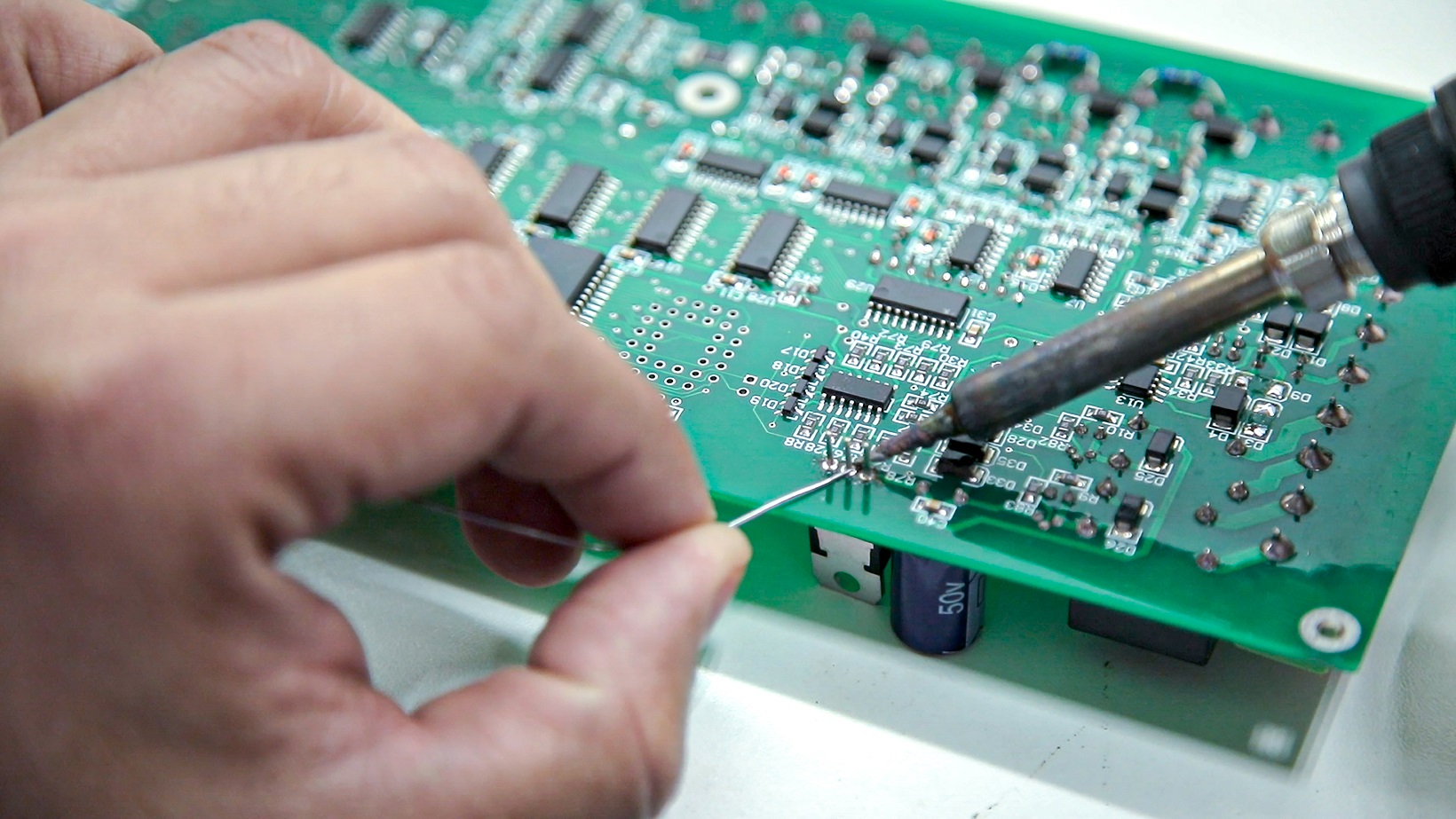
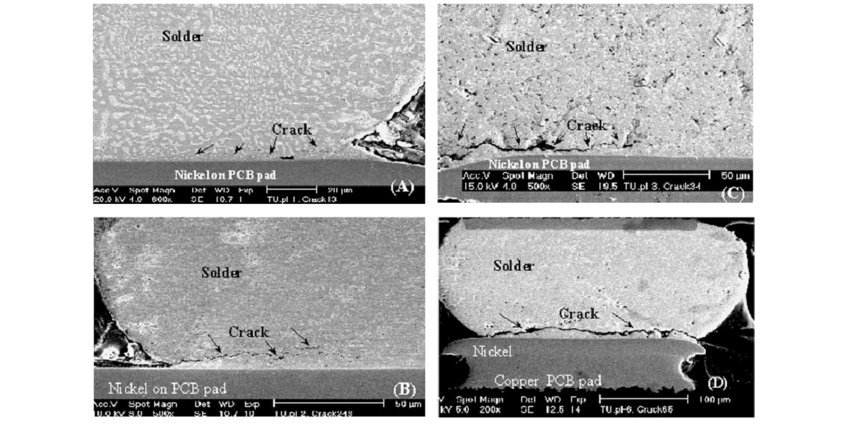
IPC-A-610 Class 2 guidelines cover solder joints, component placement, cleanliness, and handling, providing clear visual examples of acceptable versus defective conditions. For solder joints in surface mount and through-hole technology, the standard requires good wetting on leads and pads, smooth fillet formation, and no bridging or excessive solder that could cause shorts. Minor irregularities like slight voids or uneven fillets are permissible if they do not compromise connectivity. Engineers must verify these under magnification to catch issues like insufficient heel fillet or toe overhang that signal poor reflow profiles. These criteria ensure joints endure mechanical stresses in consumer devices without cracking.
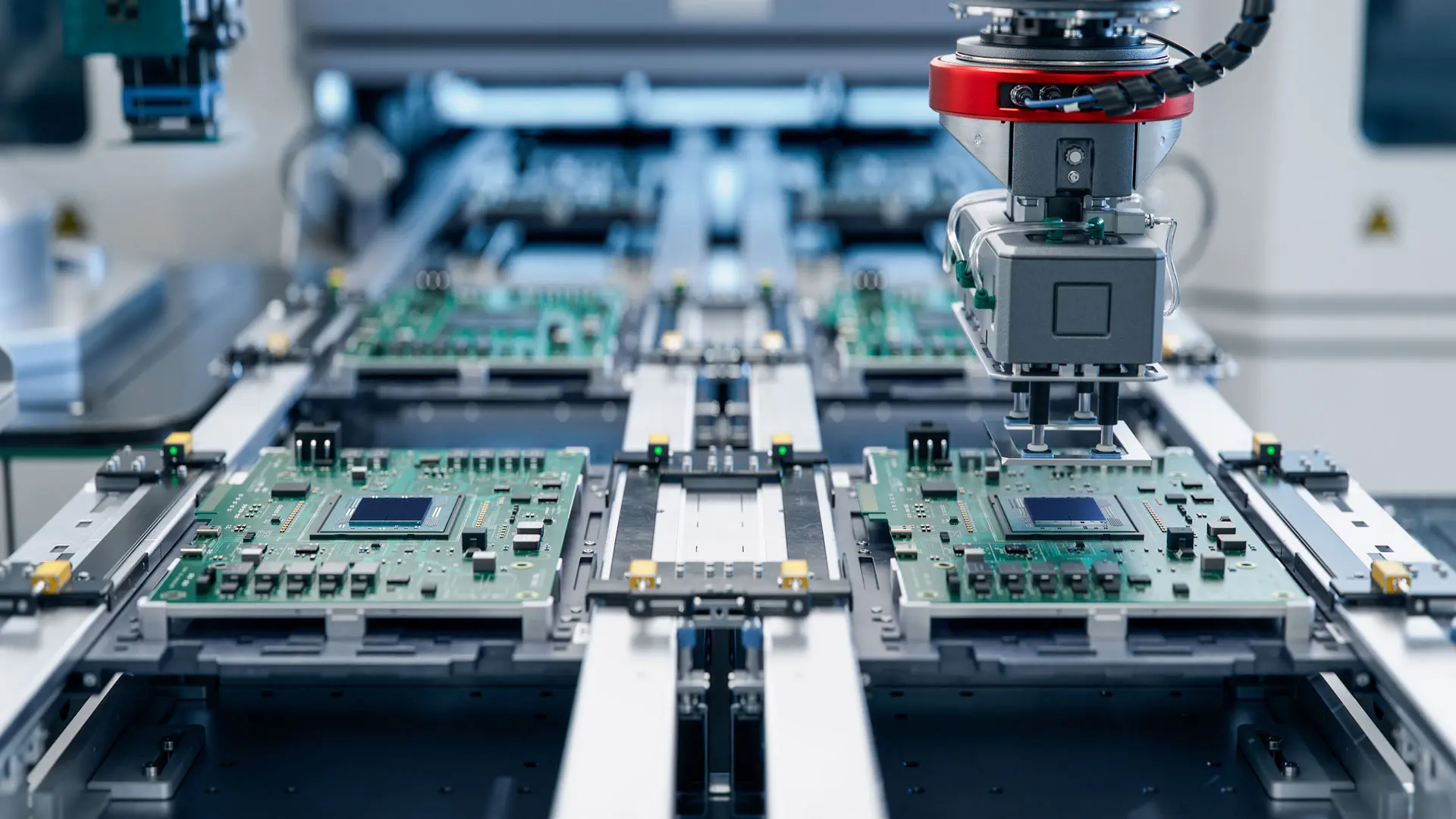
Component mounting tolerances in Class 2 allow for greater misalignment than higher classes, accommodating high-speed placement equipment. Surface mount devices may sit slightly off-pad or tombstone minimally, provided electrical contact remains secure and mechanical retention is adequate. Through-hole leads must protrude correctly without bending that reduces barrel fill. Polarity markings and orientation must be correct to prevent functional errors. Troubleshooting misalignment often reveals feeder issues or stencil misalignment, which engineers address by refining pick-and-place parameters.
Cleanliness requirements focus on no visible residues that could lead to dendritic growth or corrosion over time. Flux activators must fully volatilize, leaving boards free of white residue or ionic contaminants under inspection. Class 2 permits less stringent residue levels than Class 3, suiting no-clean processes common in consumer assembly. Post-reflow cleaning verifies compliance, as contaminants accelerate failures in humid environments typical for home use.
Board warpage and handling also fall under these guidelines, with limits ensuring flatness for reliable mating in enclosures. Excessive bow or twist can cause opens in press-fit connectors or stress on BGAs. Standards reference related documents like IPC J-STD-001 for process requirements complementing visual acceptance.
Best Practices for IPC Class 2 Assembly Compliance
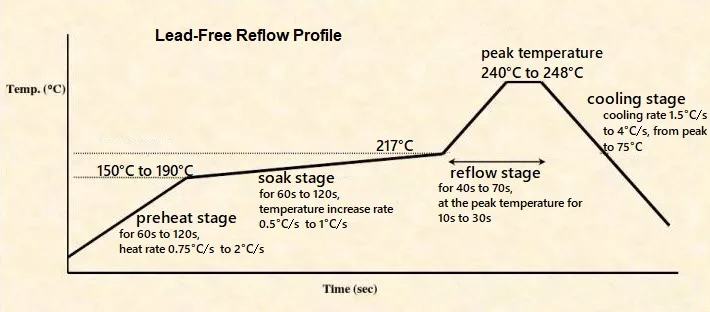
Achieve IPC Class 2 compliance by integrating process controls from stencil printing through final test. Use precision stencils with laser-cut apertures to ensure consistent solder paste volume, reducing defects like insufficient paste leading to poor joints. Reflow profiles must align with component specifications, ramping slowly to avoid thermal shock while promoting wetting. Automated optical inspection verifies placement and solder quality post-reflow, catching 90 percent of visual defects before manual rework.
Operator training on IPC-A-610 Class 2 guidelines proves essential for manual processes like selective soldering. Implement first-article inspections to baseline each run, adjusting for material variations. Environmental controls, such as humidity below dew point, prevent contamination during handling. Pair these with in-circuit testing to confirm electrical reliability under Class 2 expectations.
Document control ties it together, with travelers recording inspections against specific criteria. Engineers troubleshoot yield dips by analyzing defect Pareto charts, often pinpointing solder volume or profile issues.
Troubleshooting Common Issues in Class 2 Assemblies
Head-in-pillow defects plague Class 2 assemblies when pad and component shift during reflow, mimicking good joints externally but failing electrically. Engineers diagnose via X-ray, revealing mismatched metallurgy; solutions include alloy-compatible paste and optimized profiles. Solder beading from excess paste volume contaminates nearby areas, violating cleanliness rules; finer mesh stencils and wipe maintenance resolve this.
Component tombstoning in fine-pitch parts signals uneven heating; preheat adjustments equalize temperatures across the board. Bridging in dense BGAs responds to nitrogen reflow atmospheres reducing oxidation. Warpage-induced opens in edge connectors trace to CTE mismatches; baking boards pre-assembly relieves moisture. Systematic root cause analysis using fishbone diagrams helps teams prevent recurrence, upholding reliability requirements for consumer electronics.
Conclusion
IPC Class 2 assembly standards deliver the reliability needed for consumer electronics by setting practical thresholds for workmanship and inspection. Adhering to IPC-A-610 Class 2 guidelines ensures solder integrity, precise placement, and clean boards that withstand daily use. Best practices like controlled processes and vigilant troubleshooting minimize risks, balancing quality with production efficiency. Electrical engineers benefit from this framework to design robust systems without unnecessary costs. Ultimately, these standards foster dependable products that maintain performance over extended lifecycles, meeting market demands effectively.
FAQs
Q1: What are the main IPC Class 2 assembly standards for solder joints in consumer electronics?
A1: IPC-A-610 Class 2 guidelines define acceptable solder joints with good wetting, smooth fillets, and no bridging. Minor voids or irregularities are allowed if performance is unaffected, suiting reliability requirements for consumer electronics. Inspectors use 10x magnification to verify heel, toe, and side joint dimensions qualitatively. This prevents failures like opens from poor reflow while enabling high-volume production.
Q2: How do IPC-A-610 Class 2 guidelines differ from Class 3 for component placement?
A2: Class 2 permits greater tolerances for misalignment in surface mount components, allowing slight off-pad positioning if functional. Class 3 demands precise alignment with no deviations, for high-reliability applications. In consumer electronics, Class 2 supports faster assembly lines without compromising reliability requirements. Troubleshooting involves pick-and-place calibration to stay within limits.
Q3: Why is cleanliness critical under IPC Class 2 assembly standards?
A3: Cleanliness in IPC Class 2 ensures no residues promote corrosion or shorts in humid consumer environments. Guidelines require no visible flux remnants post-reflow, verified by visual and ionic tests. This upholds reliability requirements for consumer electronics by preventing long-term degradation. No-clean fluxes simplify compliance in production.
Q4: What role does IPC J-STD-001 play alongside IPC-A-610 Class 2 guidelines?
A4: IPC J-STD-001 provides process requirements for soldering, complementing IPC-A-610 Class 2 visual acceptance. It guides material selection and profiles for consistent joints in consumer assemblies. Together, they ensure reliability requirements for consumer electronics through verifiable workmanship. Engineers reference both for full compliance.
References
IPC-A-610J — Acceptability of Electronic Assemblies. IPC, 2024
IPC J-STD-001J — Requirements for Soldered Electrical and Electronic Assemblies. IPC, 2024
IPC-6012DS — Qualification and Performance Specification for Rigid Printed Boards. IPC, 2020