Introduction
Flux plays a pivotal role in PCB assembly by ensuring reliable solder joints through oxide removal and enhanced wetting. In high-volume production environments, selecting the appropriate flux prevents defects like bridging, voids, and cold joints that compromise electrical performance. Engineers often face challenges in balancing flux activity with post-soldering cleanliness, especially across diverse processes such as surface mount technology (SMT) and through-hole assembly. This flux selection guide explores PCB assembly flux types, compatibility factors, and practical strategies for optimal results. By understanding flux behavior under reflow and wave conditions, teams can minimize rework and boost yield rates. Mastering these elements leads to assemblies that meet stringent reliability standards in demanding applications.
What Is Soldering Flux and Why It Matters in PCB Assembly
Soldering flux is a chemical agent that cleans metal surfaces, prevents oxidation during heating, and promotes solder flow. Composed typically of activators, solvents, and resins, flux reacts with oxides on pads, leads, and terminations to expose bare metal for metallurgical bonding. Without flux, solder balls up instead of spreading evenly, leading to unreliable connections prone to failures under thermal cycling or vibration. In PCB assembly, flux selection directly impacts defect rates, with improper choices causing ionic residues that trigger electrochemical migration. Industry standards like IPC J-STD-004D classify fluxes to guide engineers toward consistent performance across processes. Ultimately, the right flux ensures joints withstand environmental stresses while simplifying downstream inspection and cleaning.
Flux significance amplifies in mixed-technology boards combining SMT and through-hole components. High-activity fluxes excel at tackling heavy oxides on through-hole leads but may leave corrosive residues if not managed. Conversely, low-residue options suit no-clean processes, reducing handling steps and contamination risks. Engineers must weigh these trade-offs against assembly throughput and test requirements. Poor flux performance manifests as incomplete wetting or tombstoning in SMT, underscoring the need for process-specific selection.
PCB Assembly Flux Types
PCB assembly flux types fall into categories based on composition, activity level, and residue characteristics, as defined by IPC J-STD-004D. Rosin-based fluxes, denoted with "RO," include mildly activated (ROM) and fully activated (ROF) variants, offering balanced cleaning for traditional soldering. Organic fluxes (OR) provide higher activity for challenging surfaces, while inorganic types suit specialized high-temperature needs. Activity levels range from L0 (lowest) to H (highest), influencing residue corrosivity and cleaning demands.
No-clean fluxes, often ROL0 or ROL1, dominate SMT reflow due to minimal post-process residues that require no cleaning. These low-solids formulations evaporate largely during heating, leaving benign films that pass surface insulation resistance tests. Water-soluble fluxes (WS), typically ORH or REL1, demand thorough aqueous cleaning to remove hygroscopic activators, making them ideal for high-reliability through-hole wave soldering. Tacky fluxes serve selective soldering, providing stability on vertical boards.
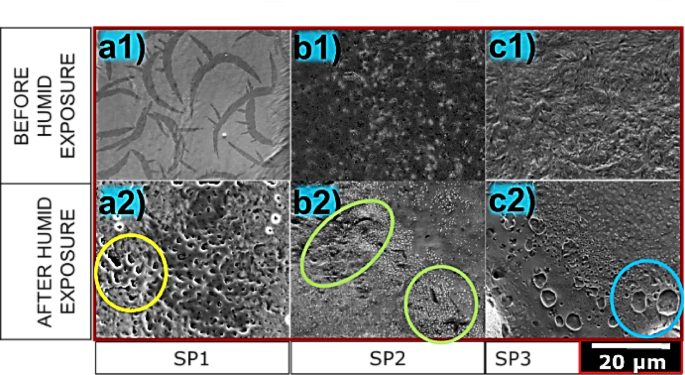
Each type aligns with specific formats: liquid for wave, paste-integrated for reflow, or pen-applied for rework. Engineers classify fluxes using standardized tests for halide content, spread, and corrosion to ensure predictability. Selecting beyond type involves matching to solder alloy and board finish for optimal flux compatibility.
Key Factors in Choosing the Right Flux
Choosing the right flux starts with assembly process demands, where SMT favors low-activity, no-clean options to avoid reflow defects like solder beading. Flux for SMT must exhibit excellent stencil release and minimize voiding in bottom-terminated components. Through-hole applications benefit from higher-activity fluxes that penetrate lead-hole clearances during wave soldering, ensuring barrel fill without bridging. Flux compatibility with finishes like ENIG or OSP dictates activator strength, as mismatched pairs lead to dewetting or black pad issues.
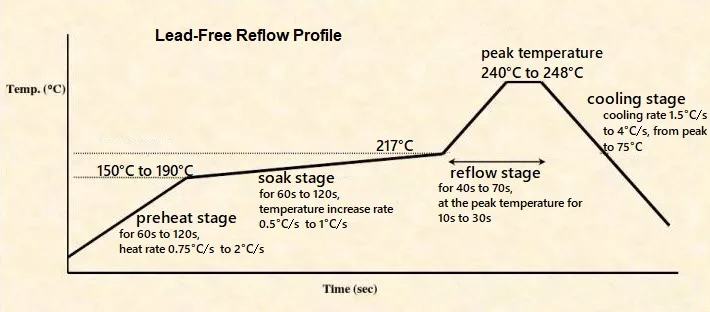
Board complexity influences decisions: high-component-density designs require low-viscosity fluxes for uniform application, while lead-free SAC alloys demand robust oxide removal at elevated peaks above 250°C. Environmental factors, such as humidity-controlled cleanrooms, favor low-halide fluxes to prevent dendritic growth. Testing flux via bell jar simulations verifies performance before full runs, aligning with IPC J-STD-001G requirements for soldered assemblies.
Residue management guides no-clean versus cleanable choices. No-clean fluxes suit cost-sensitive, high-volume lines but demand SIR validation for fine-pitch leads. Water-soluble types excel where zero-residue is critical, though they necessitate robust rinse cycles to avert white residue corrosion.
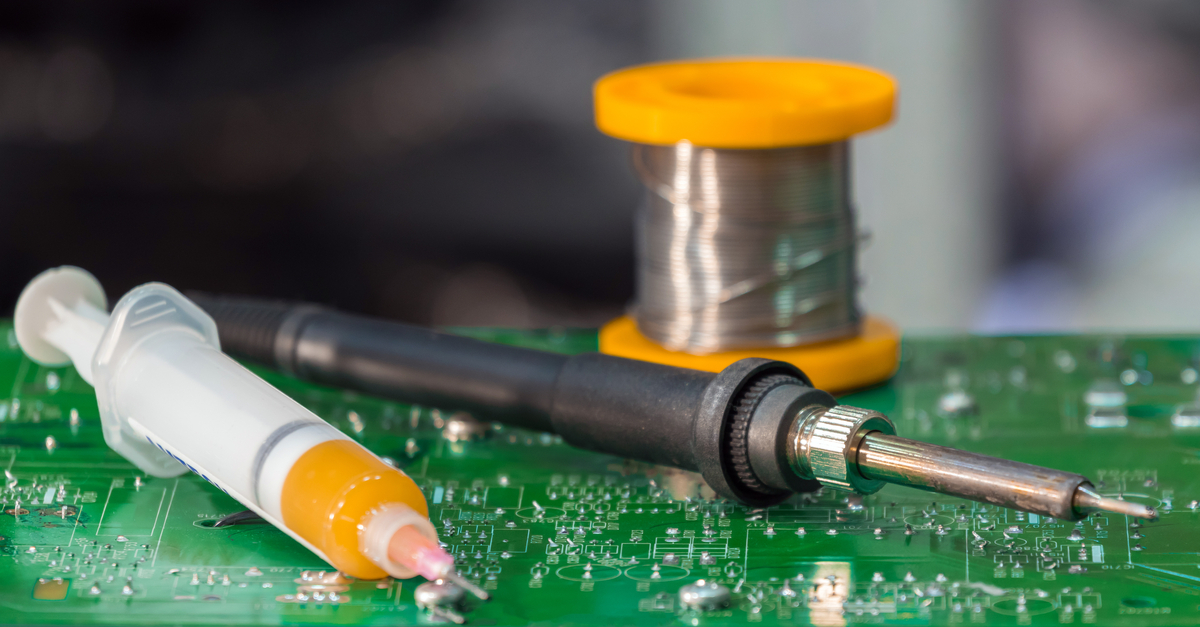
Flux for SMT Versus Through-Hole: Tailored Selection Strategies
Flux for SMT integrates primarily into solder paste, emphasizing tackiness for stencil printing and minimal flux splatter during reflow. Low-residue, rosin-based pastes prevent head-in-pillow defects by promoting uniform melting. Engineers prioritize flux vehicles with high boiling points to sustain activity through long preheat zones. Compatibility testing ensures no flux trapping under QFNs, which could cause popcorn cracking.
In contrast, flux for through-hole relies on liquid droppers, foam, or spray for wave and selective processes. Medium-to-high activity fluxes penetrate multi-layer barrels, achieving 75-100% fill without icicles. Vertical selective soldering benefits from tacky fluxes that resist drainage, maintaining coverage on dense connectors. Process controls like fluxer height and conveyor speed optimize these applications.
Transitioning between processes in mixed assemblies requires hybrid fluxes balancing both needs. Troubleshooting starts with profilometry to match flux activation to thermal profiles.
Best Practices for Flux Application and Troubleshooting
Apply flux uniformly via calibrated systems: spray fluxers for wave at 75-150 μg/cm2 coverage, monitored by X-ray fluorescence. Preheat activates flux without charring, typically 100-150°C for 60-90 seconds. Post-reflow SIR testing above 100 MΩ confirms cleanliness, guiding residue mitigation.
Common issues like excessive residue trace to over-application or incompatible cleaners; mitigate with titratable halide limits under 100 ppm. Dewetting signals weak activity, resolved by upping to L1 levels or refining preheat. For bridging in SMT, reduce flux volume or switch to roller printing.
Storage at 5-25°C in nitrogen-purged cabinets preserves flux potency, avoiding viscosity shifts. Validate new fluxes through DOE runs, measuring joint shear strength per IPC guidelines.
Conclusion
Effective flux selection hinges on matching type, activity, and process to achieve defect-free PCB assemblies. This guide highlights PCB assembly flux types, compatibility nuances, and targeted choices for SMT and through-hole. Adhering to standards ensures reliability across production scales. Implement testing protocols to refine selections, minimizing risks like residue-induced failures. Engineers equipped with this knowledge drive higher yields and robust electronics.
FAQs
Q1: What are the main PCB assembly flux types for a flux selection guide?
A1: No-clean (ROL0/1), water-soluble (WS/ORH), and rosin-based (ROM/ROF) fluxes form the core types per IPC J-STD-004D. No-clean suits SMT reflow for minimal cleaning, water-soluble excels in through-hole wave for heavy oxides, and rosin offers versatility. Select based on residue tolerance and process thermal profiles to optimize wetting and joint integrity.
Q2: How do I ensure flux compatibility in choosing the right flux for SMT?
A2: Test flux with board finish and solder alloy via wetting balance or spread tests. Low-activity no-clean fluxes prevent dewetting on ENIG, while avoiding halide-induced corrosion. Align activation temperature to reflow profiles above 240°C for SAC305. Validate through pilot runs to confirm void-free joints under fine-pitch constraints.
Q3: What factors influence flux for through-hole assembly?
A3: Through-hole demands higher-activity liquid fluxes for barrel penetration in wave soldering. Consider lead-hole ratio, preheat dwell, and post-clean SIR. Foam or drop-jet application ensures even coverage without excess bridging. Water-soluble options require DI water rinsing to eliminate activators, enhancing long-term reliability.
Q4: Why is flux selection critical for mixed SMT and through-hole boards?
A4: Mixed boards need balanced fluxes preventing SMT tombstoning while filling through-hole vias. Hybrid low-solids types minimize cleaning steps across processes. Profile flux response to shared thermal ramps, troubleshooting residue bridging via optimized conveyor speeds. Standards like IPC J-STD-001G guide acceptance criteria for uniform performance.
References
IPC J-STD-004D — Requirements for Soldering Fluxes. IPC, 2023
IPC J-STD-001G — Requirements for Soldered Electrical and Electronic Assemblies. IPC, 2017