Introduction
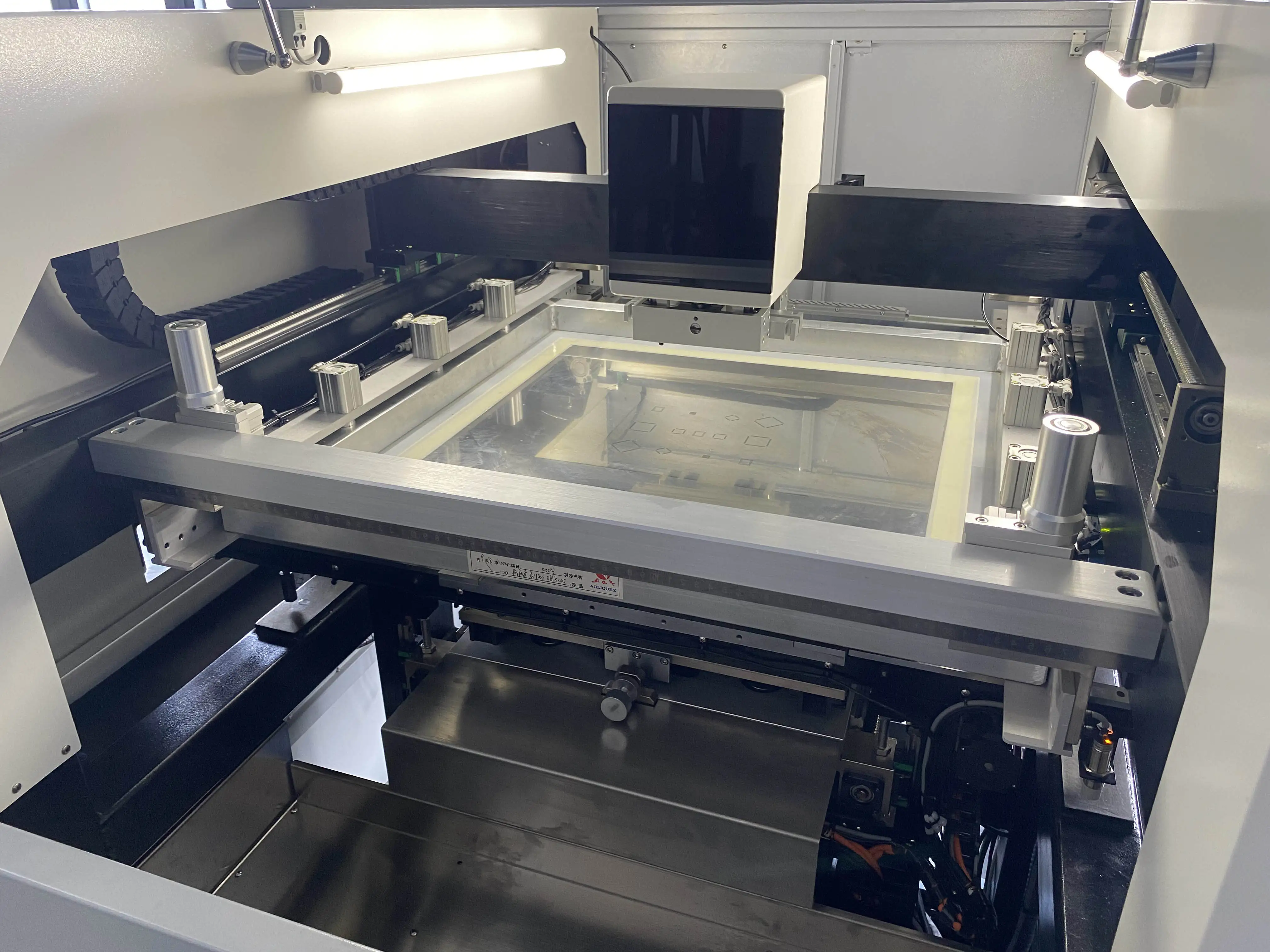
In surface mount technology assembly for PCB manufacturing, mounted stencils play a critical role in precise solder paste deposition. These stencils, typically framed for integration into automated printers, directly influence print yield and defect rates. Engineers often face the choice between stainless steel stencils and electroformed nickel stencils during stencil material comparison. Each material offers distinct performance traits affecting solder paste release, aperture quality, and overall process reliability. Understanding these differences helps troubleshoot printing issues and optimize high-volume production. This article provides a practical breakdown tailored for electrical engineers evaluating PCB stencil materials.
Why Mounted Stencil Materials Matter in PCB Assembly
Mounted stencils ensure consistent solder paste volume transfer to PCB pads, setting the foundation for reliable component placement and reflow soldering. Poor material selection leads to common defects like insufficient paste, bridging, or tombstoning, especially in fine-pitch designs. Stainless steel and electroformed nickel represent the primary PCB stencil materials, each suited to different production demands. Factors such as aperture sidewall finish, material hardness, and friction properties dictate solder paste release efficiency. In high-mix environments, selecting the right stencil material comparison can reduce rework by improving first-pass yields. Engineers must weigh these attributes against cost and lifespan for practical implementation.
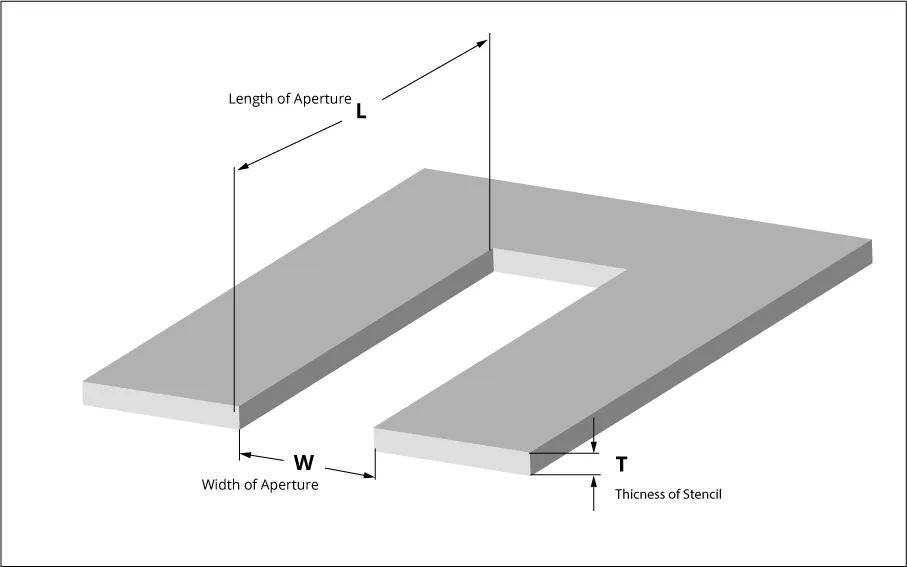
Stencil thickness, typically ranging from 0.1mm to 0.15mm for modern assemblies, amplifies material effects on paste transfer. IPC-7525 guidelines emphasize aperture design but underscore the need for materials that support clean release without residue buildup. Troubleshooting starts with recognizing how material surface interacts with solder paste rheology during printing cycles.
Characteristics of Stainless Steel Stencils
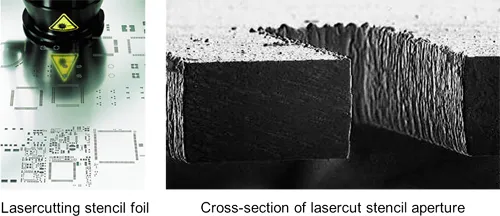
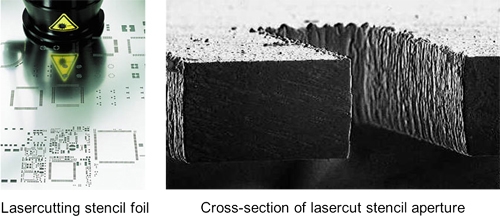
Stainless steel stencils dominate PCB manufacturing due to their balance of affordability and robustness. Laser-cut from high-hardness alloys, they feature straight sidewalls that provide precise aperture dimensions for standard pitch components. The material withstands repeated cleaning cycles and mechanical stress in mounted configurations. However, the laser-cutting process leaves a slightly rougher sidewall texture compared to electroformed alternatives. This can trap solder paste particles, complicating release in ultrafine apertures under 0.3mm. For troubleshooting, engineers often apply electropolishing or nano-coatings to mitigate friction issues.
Durability remains a strong suit, with stainless steel maintaining dimensional stability over thousands of prints. It resists warping in framed setups, ensuring consistent gasketing against the PCB. Cost-effectiveness makes it ideal for prototyping and mid-volume runs where budget constraints apply. Yet, in high-precision scenarios, the higher coefficient of friction demands optimized printing parameters like squeegee pressure and speed.
Characteristics of Electroformed Nickel Stencils
Electroformed nickel stencils form through electrodeposition on a substrate, yielding ultra-smooth, trapezoidal aperture walls. This process inherently produces a harder foil than comparable stainless steel, enhancing resistance to wear. The low-friction surface excels in solder paste release, minimizing skips and residue in fine-pitch applications. Mounted nickel stencils integrate seamlessly into printers, supporting high-speed production without frequent maintenance. Engineers appreciate the material's ability to handle miniature components like 0201 resistors or 0.3mm pitch QFNs. Drawbacks include higher upfront costs and potential thickness variations if not tightly controlled.
The nickel composition reduces surface energy, promoting cleaner paste detachment during lift-off. This proves vital in troubleshooting bridging defects caused by sticky residues. Lifespan often exceeds stainless steel in demanding environments, justifying investment for flagship products. Production tolerances demand skilled vendors to avoid inconsistencies in foil uniformity.
Head-to-Head Stencil Material Comparison
Aperture Wall Finish: Stainless Steel — Straighter but rougher (laser-cut); Electroformed Nickel — Trapezoidal and ultra-smooth.
Solder Paste Release: Stainless Steel — Good for standard pitches; higher friction; Electroformed Nickel — Superior, low friction for fine pitch.
Durability/Hardness: Stainless Steel — High; resists mechanical wear; Electroformed Nickel — Higher; longer life in abrasive conditions.
Dimensional Accuracy: Stainless Steel — Excellent consistency in thickness/apertures; Electroformed Nickel — Good, but more variable.
Cost: Stainless Steel — Lower; economical for volume; Electroformed Nickel — Higher; premium for precision.
Best Applications: Stainless Steel — Prototypes, mid-pitch SMT; Electroformed Nickel — Ultrafine pitch, high-reliability assemblies.
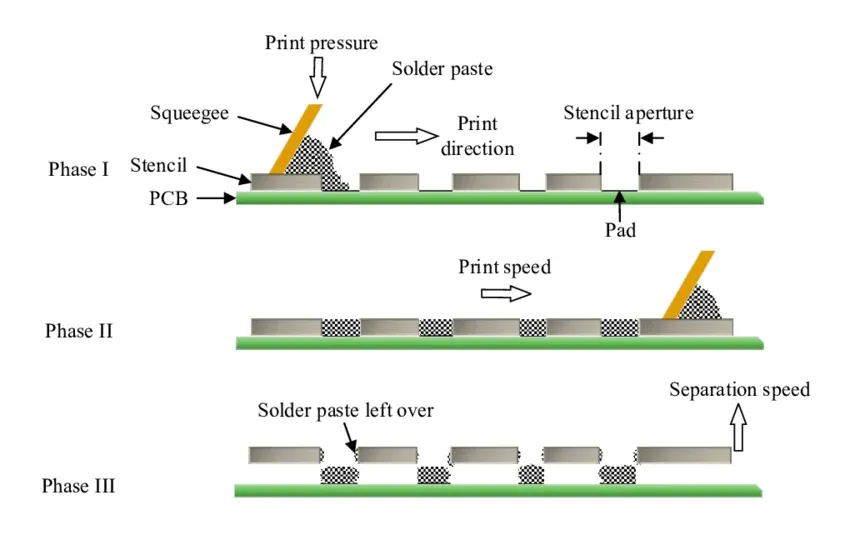
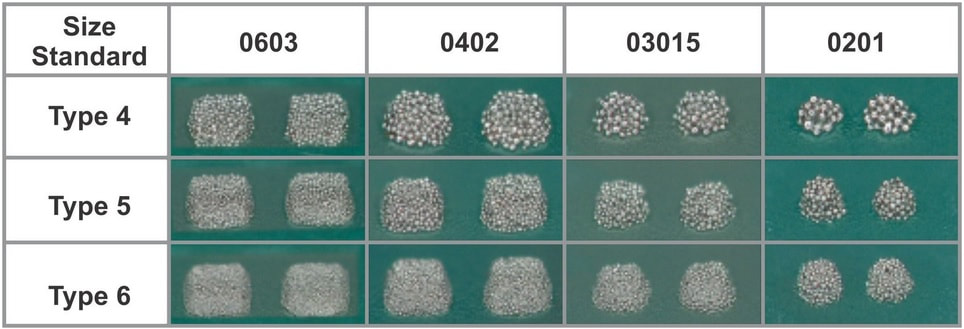
In solder paste release trials, electroformed nickel consistently shows advantages for low-area-ratio apertures, where paste volume-to-surface challenges arise. Stainless steel shines in cost-sensitive runs with larger features. IPC-7525 recommends considering material properties alongside aperture reductions for optimal volume control. Friction differences impact print speed tolerances; nickel allows faster cycles without defects.
For PCB stencil materials evaluation, test both in your printer setup. Measure transfer efficiency using SPI equipment to quantify differences empirically.
Practical Best Practices for Material Selection and Use
Select stainless steel stencils for assemblies under 0.5mm pitch where cost drives decisions, ensuring electropolish post-processing for better release. Reserve electroformed nickel for designs exceeding 100,000 prints or fine features below 0.25mm to leverage its release properties. Always verify frame compatibility in mounted setups to prevent gasketing failures. Implement IPC-7525-compliant aperture designs, reducing pad size by 5-10% for QFPs and BGAs to balance volume and release.
Routine troubleshooting involves stencil cleaning with approved solvents after every 100 prints, focusing on underside residue. Monitor squeegee angle at 55-60 degrees and pressure at 2-5kg for both materials. Nano-coatings extend life across types, but test compatibility with your paste. In mixed-use lines, standardize on one material per printer to simplify setups.
Troubleshooting Insights from Real-World Applications
Engineers report more paste skips with stainless steel in humid environments, traceable to sidewall roughness amplifying moisture effects. Switching to nickel resolved 15-20% yield gains in fine-pitch BGA printing, though initial thickness checks were crucial. Warpage in thin stencils affects both; use fixturing for mounted frames. Aperture clogging demands pressure adjustments: lower for nickel's smooth walls, higher for steel.
Case insights highlight nickel's edge in lead-free pastes with higher viscosity, reducing shear thinning issues.
Conclusion
Stainless steel stencils offer reliable, economical performance for most PCB manufacturing needs, while electroformed nickel excels in demanding fine-pitch scenarios with superior solder paste release. The stencil material comparison hinges on your assembly specifics: prioritize cost and durability with steel, precision and longevity with nickel. Adhering to standards like IPC-7525 ensures designs maximize each material's strengths. Test empirically in your process to avoid defects and boost efficiency. Electrical engineers benefit from this balanced approach in optimizing SMT yields.
FAQs
Q1: What factors decide between stainless steel stencil and electroformed nickel stencil for fine-pitch PCBs?
A1: For fine-pitch under 0.4mm, electroformed nickel stencils provide better solder paste release due to smoother walls and lower friction. Stainless steel suffices for coarser pitches but may increase skips. Evaluate via print trials measuring transfer efficiency. Cost favors steel for prototypes.
Q2: How does solder paste release differ in stainless steel vs nickel PCB stencil materials?
A2: Nickel stencils release paste more cleanly thanks to trapezoidal apertures and reduced surface energy, ideal for miniature components. Stainless steel, with rougher laser-cut walls, requires coatings or slower prints to match. Troubleshoot by adjusting snap-off distance uniformly across materials.
Q3: When should I choose a stainless steel stencil over electroformed nickel?
A3: Opt for stainless steel in mid-volume production with pitches above 0.5mm, where its accuracy and low cost shine. It handles standard cleaning well in mounted setups. Nickel suits high-reliability needs despite premium pricing.
Q4: Can coatings improve stainless steel stencil performance in stencil material comparison?
A4: Yes, nano or electropolish coatings reduce friction on stainless steel, approaching nickel's release qualities. Apply post-laser cut and validate with SPI. This extends usability without switching materials.
References
IPC-7525C — Stencil Design Guidelines. IPC, 2021
IPC-A-600K — Acceptability of Printed Boards. IPC, 2020