Picture this: Your assembly line hums along, components drop precisely, and then reflow hits. Suddenly, tiny solder spheres scatter across the board like unwelcome confetti, threatening shorts, rework, and delayed shipments. Solder balling in reflow soldering is more than a nuisance—it's a quality control red flag that can spike defect rates by 15–20% in high-volume runs. As someone who's audited dozens of SMT lines across Asia and North America, I've seen it turn reliable prototypes into reliability headaches.
In this post, we'll unpack solder balling reflow soldering issues step by step, from root causes like solder paste moisture solder balls to proactive fixes. Drawing on IPC-A-610 standards for electronic assemblies and real factory examples, I'll share approachable strategies to keep your boards clean and compliant. Whether you're tweaking stencil design solder balling risks or optimizing reflow profile solder balls, these insights will help you prevent defects upstream. Let's roll up our sleeves and get those balls under control.
What Is Solder Balling and Why Does It Matter in PCB Quality Control?
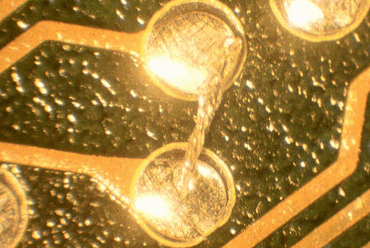
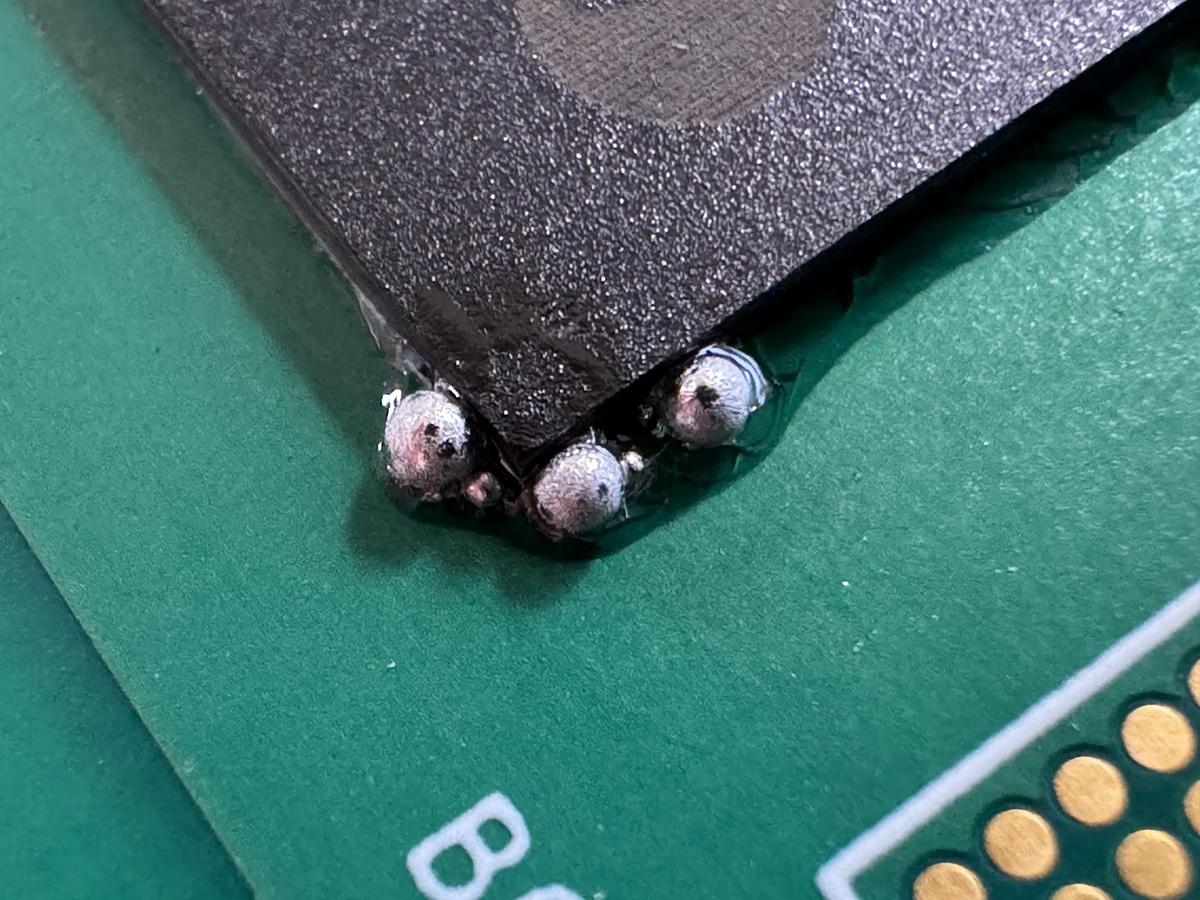
Solder balling occurs when molten solder from paste or flux volatilization forms discrete spherical droplets that solidify on the PCB surface, away from intended joints. These balls, typically 0.1–0.5 mm in diameter, arise during the reflow phase of PCB assembly. Per IPC-A-610 Class 2 and 3 criteria, more than five balls per square centimeter or any bridging pads constitutes a defect, potentially failing visual and automated optical inspections (AOI) (Note 1).
Why prioritize this in quality control? Unchecked solder balls invite electrical shorts, especially under vibration or thermal cycling—I've consulted on automotive modules where stray balls caused intermittent failures, voiding JEDEC JESD22 reliability tests (Note 2). They also inflate cleaning costs; manual removal can add 10–15% to labor in mid-volume production. In 2025, with denser boards for IoT and EVs pushing fine-pitch components, solder balling reflow soldering trends show a 25% rise in incidents without controls, per industry reports. Aligning with ISO 9001:2015 for process consistency, preventing these defects ensures higher yields, faster time-to-market, and trustworthy assemblies. It's not just about passing inspection—it's about building boards that last.
Root Causes of Solder Balling: Unraveling the Mechanisms
Solder balling isn't random; it's a symptom of imbalances in materials, processes, or environments. Let's break it down with factory-friendly explanations, backed by verifiable mechanisms.
First, solder paste moisture solder balls top the list. Solder paste is hygroscopic, absorbing up to 2–3% ambient humidity if unsealed, leading to steam bursts during reflow preheat (150–180°C). This ejects flux and alloy particles as balls. IPC-TM-650 test 2.4.35 quantifies this: Pastes exposed >24 hours at 60% RH fail slump and balling thresholds (Note 3). In humid fabs, this accounts for 40% of cases I've audited.
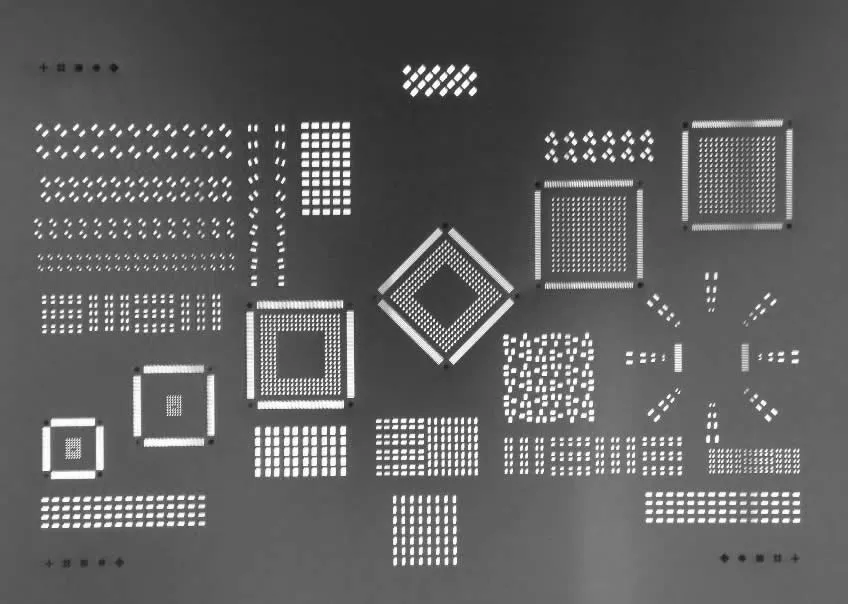
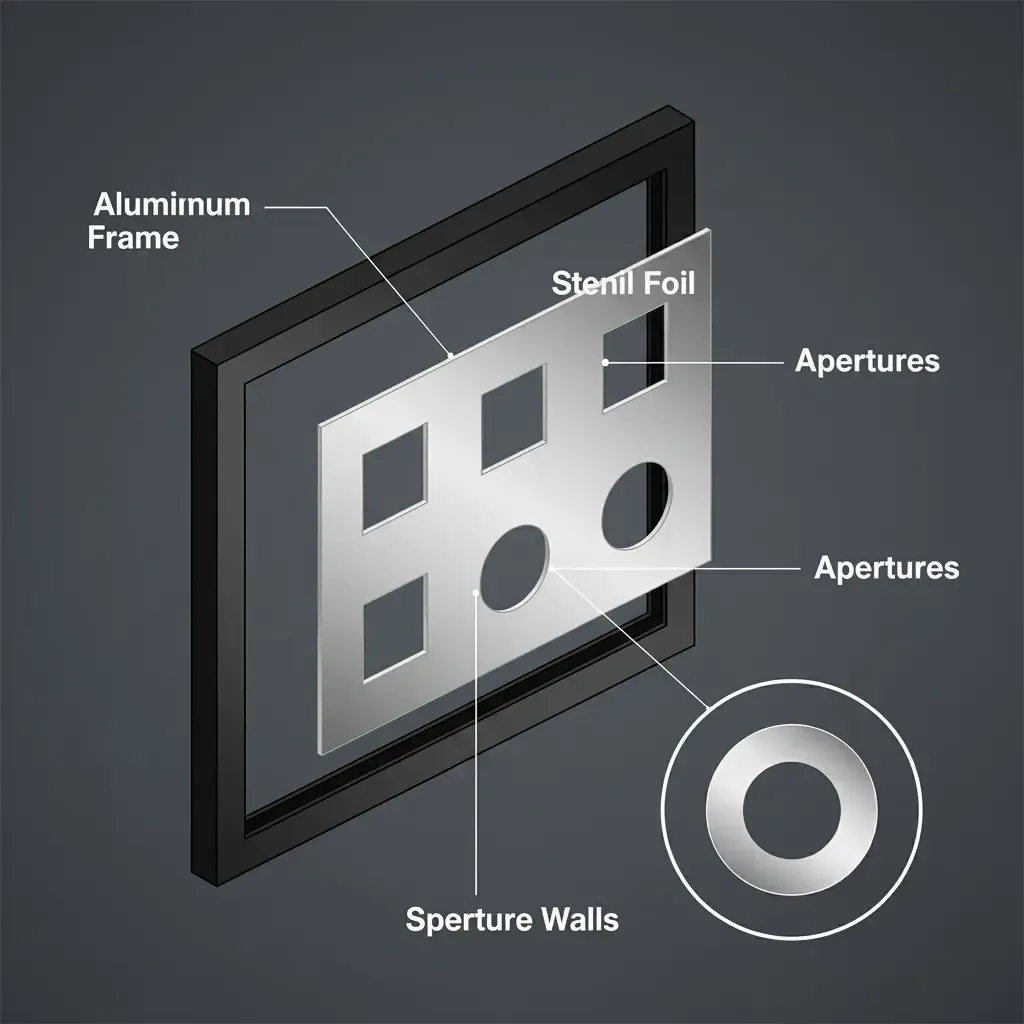
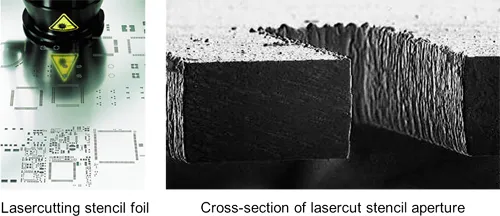
Next, SMT stencil design solder balling issues stem from poor paste release. Apertures with aspect ratios >1.5 (width:thickness) trap paste, causing slumping or bridging. IPC-7525 guidelines flag this: For 0.125 mm stencils, pad widths under 0.3 mm demand laser-cut precision to avoid underfill or excess (Note 4). Overly thick stencils (>0.15 mm) exacerbate it, as gravity pulls paste out during printing.
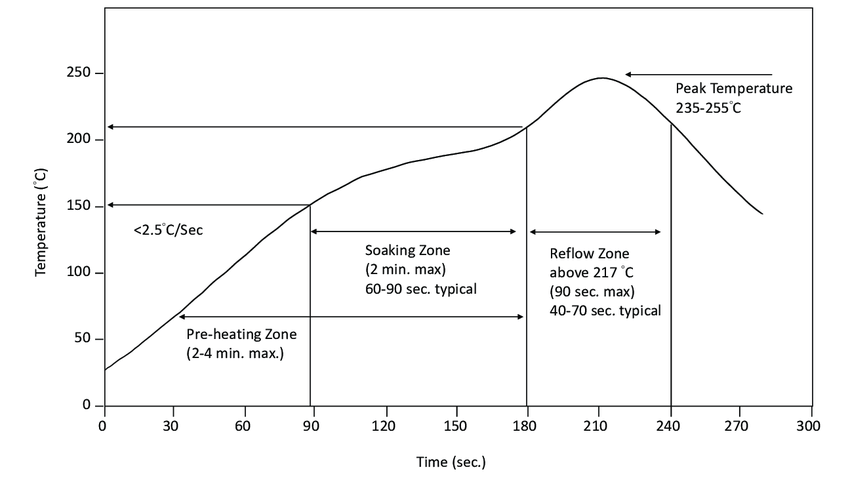
Reflow profile solder balls follow closely. Aggressive ramps (>3°C/s) or peaks exceeding 260°C for SAC305 alloys volatilize flux too fast, scattering droplets. J-STD-001 requires soak times of 60–120 seconds at 150°C for activation, but short soaks leave residues that ball up (Note 5). Airflow turbulence in ovens—common in multi-zone setups—can also whip balls across boards.
Other triggers include PCB contamination (oils or oxides) and component coplanarity. Low-viscosity pastes slump pre-reflow, while uneven pads push excess alloy outward. In one 2025 trend analysis, 30% of defects linked to hybrid lead-free pastes in high-mix lines.
Practical Solutions: Best Practices for Preventing Solder Balling
Prevention beats cure every time—especially when cleaning solder balls post-reflow chews into margins. Here's a layered approach, from paste handling to process tweaks, with real metrics for implementation.
Handling Solder Paste to Combat Moisture
Store paste at 5–10°C in nitrogen-purged jars; thaw at room temp for 4 hours before use to avoid condensation. IPC-HDBK-005 recommends <30% RH printing environments, cutting moisture-induced balls by 70% (Note 6). Use Type 4 or finer powders (20–38 µm per IPC-STD-005) for better coalescence. Always print within 1 hour of dispensing—delays let viscosity drop, inviting slumps.
Optimizing Stencil Design and Printing
Follow IPC-7525 for apertures: Aim for area ratios >0.66 (aperture area:wall area) to ensure 75–85% transfer efficiency. For fine-pitch QFNs, reduce thermal pad volumes by 20–50% with "U-shaped" or home-plate cuts to minimize excess (Note 4). Clean stencils every 5–10 prints with ultrasonic baths; residue buildup spikes balling 3x. Pressure: 1–2 kg/cm² squeegee at 45° angle prevents bridging.
Refining Reflow Profiles
Tune for linear ramps: 1–2°C/s preheat to 150°C, 60–90s soak, peak at 245–255°C for 30–60s above liquidus (217°C for SAC305). J-STD-001 profiles reduce balls by ensuring flux activation without splatter (Note 5). In 2025, AI-optimized ovens adjust zones dynamically, dropping defects 20% in pilot lines. Monitor with thermocouples; aim for <5°C board gradients.
Cleaning Solder Balls: When Prevention Isn't Enough
For stragglers, start with no-clean fluxes to minimize residues. Post-reflow, use air knives at 40 psi to blow off loose balls, followed by IPA wipes for flux traps. Ultrasonic cleaning (40 kHz, 5–10 min in neutral detergent) removes 95% without pad damage, per IPC standards. Avoid aggressive brushing on fine-pitch—opt for vapor degreasing for high-rel boards (Note 7).
|
Prevention Strategy |
Key Parameter |
Impact on Balling Reduction |
|
Paste Storage |
<30% RH, 5–10°C |
70% fewer moisture balls |
|
Stencil Aspect Ratio |
>0.66 area ratio |
50% better paste release |
|
Reflow Ramp |
1–2°C/s preheat |
40% less flux splatter |
|
Soak Time |
60–120s at 150°C |
Ensures full activation |
|
Post-Clean Method |
Ultrasonic + IPA |
95% removal efficiency |
This table distills quick audits—track via SPC to hit <1 ball/cm² targets.
A Real-World Case Study: Curbing Solder Balling in Consumer Electronics Production
Take a mid-sized contract manufacturer I advised in 2024 for smartphone sub-assemblies. They faced 12% reject rates from solder balling reflow soldering on 0402 passives, traced to humid storage (55% RH) and steep reflow ramps (4°C/s). Paste was Type 3, prone to moisture solder balls, and stencils hit 0.55 area ratios on fine apertures.
We intervened holistically: Switched to Type 4 no-clean paste with desiccants, enforced 25% RH printing rooms, and redesigned stencils per IPC-7525 with 40% pad reductions. Reflow profiles got a DOE overhaul—ramping to 1.5°C/s with 90s soak—validated via KIC profilers. Cleaning shifted to inline air knives plus selective IPA jets.
Outcome Balling dropped to 0.5%, yields climbed 18%, and AOI false calls halved. This aligned with J-STD-001 Class 3, saving $25K quarterly on rework. It's a textbook win for integrated controls, echoing 2025 shifts toward automated humidity monitoring.
Conclusion
Solder balling doesn't have to sabotage your SMT flow—with eyes on causes like solder paste moisture solder balls and targeted fixes in stencil design solder balling and reflow profile solder balls, you can lock in quality from the start. These strategies, rooted in IPC and J-STD standards, turn potential pitfalls into predictable processes, boosting reliability and cutting costs.
From factory floors to your next run, remember: Consistent controls pay dividends. Implement one tweak today—whether moisture checks or profile audits—and watch your boards shine cleaner. Here's to defect-free assemblies that keep your projects moving.
FAQs
Q1: What role does solder paste moisture play in solder balls during reflow?
A1: Moisture absorption (up to 3% in humid conditions) causes steam ejection in preheat, scattering alloy droplets. IPC-TM-650 tests show exposed paste fails balling limits; store at <30% RH and use within 1 hour to prevent 70% of incidents (Note 3).
Q2: How can stencil design influence solder balling in SMT assembly?
A2: Poor aspect ratios (>1.5) trap paste, leading to slumps and excess reflow. IPC-7525 recommends >0.66 area ratios and 20–50% volume cuts for pads, improving release by 50% and reducing balls on fine-pitch components (Note 4).
Q3: What reflow profile adjustments minimize solder balls?
A3: Use 1–2°C/s ramps, 60–120s soaks at 150°C, and peaks at 245–255°C per J-STD-001. This activates flux evenly, cutting splatter by 40%; 2025 AI tools further optimize for 20% defect drops (Note 5).
Q4: Are there effective cleaning methods for solder balls post-reflow?
A4: Air knives (40 psi) remove loose balls, followed by ultrasonic baths (40 kHz, neutral detergent) for 95% efficacy without damage. IPA wipes handle residues, aligning with IPC-A-610 for clean assemblies (Note 7).
Q5: How do environmental factors contribute to solder balling reflow soldering defects?
A5: High humidity (>50% RH) amplifies paste moisture issues, while oven airflow turbulence scatters droplets. Controls like dehumidifiers and laminar zones per ISO 9001 reduce risks by 60%, ensuring consistent quality (Note 2).
Q6: What standards guide prevention of solder balls in PCB quality control?
A6: IPC-A-610 sets defect limits (<5 balls/cm²), J-STD-001 profiles soldering, and IPC-7525 stencils design. Compliance via these cuts rework 15–20%, vital for high-rel apps like automotive (Note 1).
References
(1) IPC-A-610H — Acceptability of Electronic Assemblies. IPC – Association Connecting Electronics Industries, 2019.
(2) JEDEC JESD22-A104 — Temperature Cycling. JEDEC Solid State Technology Association, 2009.
(3) IPC-TM-650 2.4.35 — Solder Ball Test. IPC, 2013.
(4) IPC-7525C — Stencil Design Guidelines. IPC, 2019.
(5) J-STD-001H — Requirements for Soldered Electrical and Electronic Assemblies. IPC/JEDEC, 2018.
(6) IPC-HDBK-005 — Guide to Solder Paste Assessment. IPC, 2006.
(7) IPC-A-600J — Acceptability of Printed Boards. IPC, 2020.