Introduction
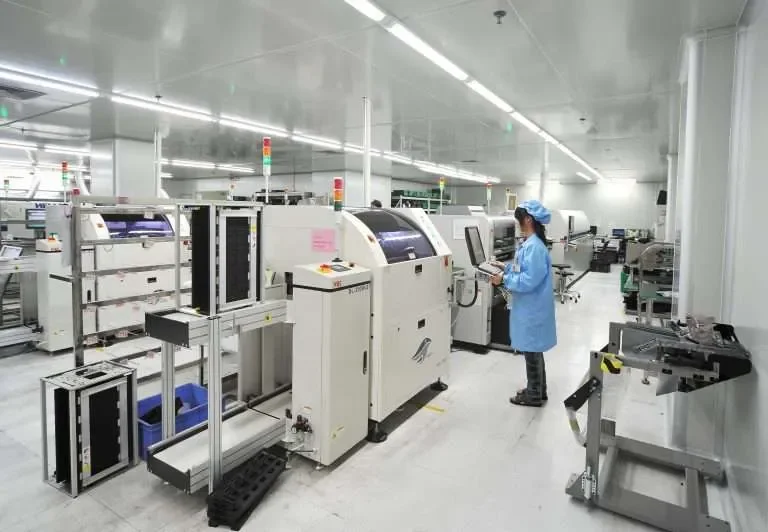
Selective soldering equipment plays a critical role in modern PCB assembly lines, particularly for mixed-technology boards that combine surface-mount and through-hole components. Electrical engineers often face the challenge of justifying the investment in such automation amid tight budgets and production demands. This article delivers a detailed cost-benefit analysis to support selective soldering equipment cost justification, focusing on key financial metrics like payback periods and long-term savings. By examining labor, maintenance, and productivity factors, professionals can make informed decisions aligned with operational realities. Understanding these elements ensures compliance with quality benchmarks while optimizing throughput. Ultimately, a structured ROI evaluation reveals how selective soldering enhances efficiency without unnecessary expense.
What Is Selective Soldering and Why It Matters
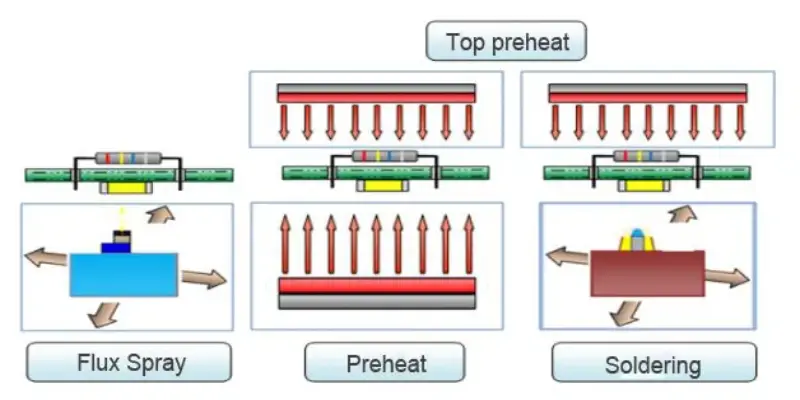
Selective soldering targets precise areas on a PCB for through-hole component attachment, using a localized solder bath and automated flux application to avoid affecting nearby surface-mount parts. This process stands out in high-mix, low-to-medium volume production where wave soldering proves inefficient due to masking requirements and thermal stress. For electrical engineers, it matters because manual soldering alternatives lead to inconsistencies that compromise reliability under standards like IPC J-STD-001, which outlines requirements for soldered assemblies. The technique reduces defects such as bridging or insufficient fill, directly impacting yield rates. In an industry shifting toward denser boards, selective soldering supports scalability while minimizing rework. Its relevance grows as labor shortages and rising wages pressure manufacturing costs, making automation a strategic necessity.
Key Cost Components in Selective Soldering
Initial capital outlay for selective soldering equipment represents the largest upfront expense, covering the machine, installation, and programming setup tailored to specific PCB geometries. Operating costs include consumables like flux and solder alloy, alongside energy for maintaining pot temperatures typically between 250 and 300 degrees Celsius. Selective soldering equipment maintenance costs remain relatively low compared to broader systems, involving routine nozzle cleaning and solder pot skimming to prevent oxidation. Engineers must factor in training for operators to handle drop-jet fluxers and fiducial alignment for precision. Downtime risks from clogged nozzles or flux residue buildup add indirect costs if not addressed proactively. Balancing these elements forms the foundation for accurate ROI calculation selective soldering.
Comparing Costs: Manual vs. Selective Soldering
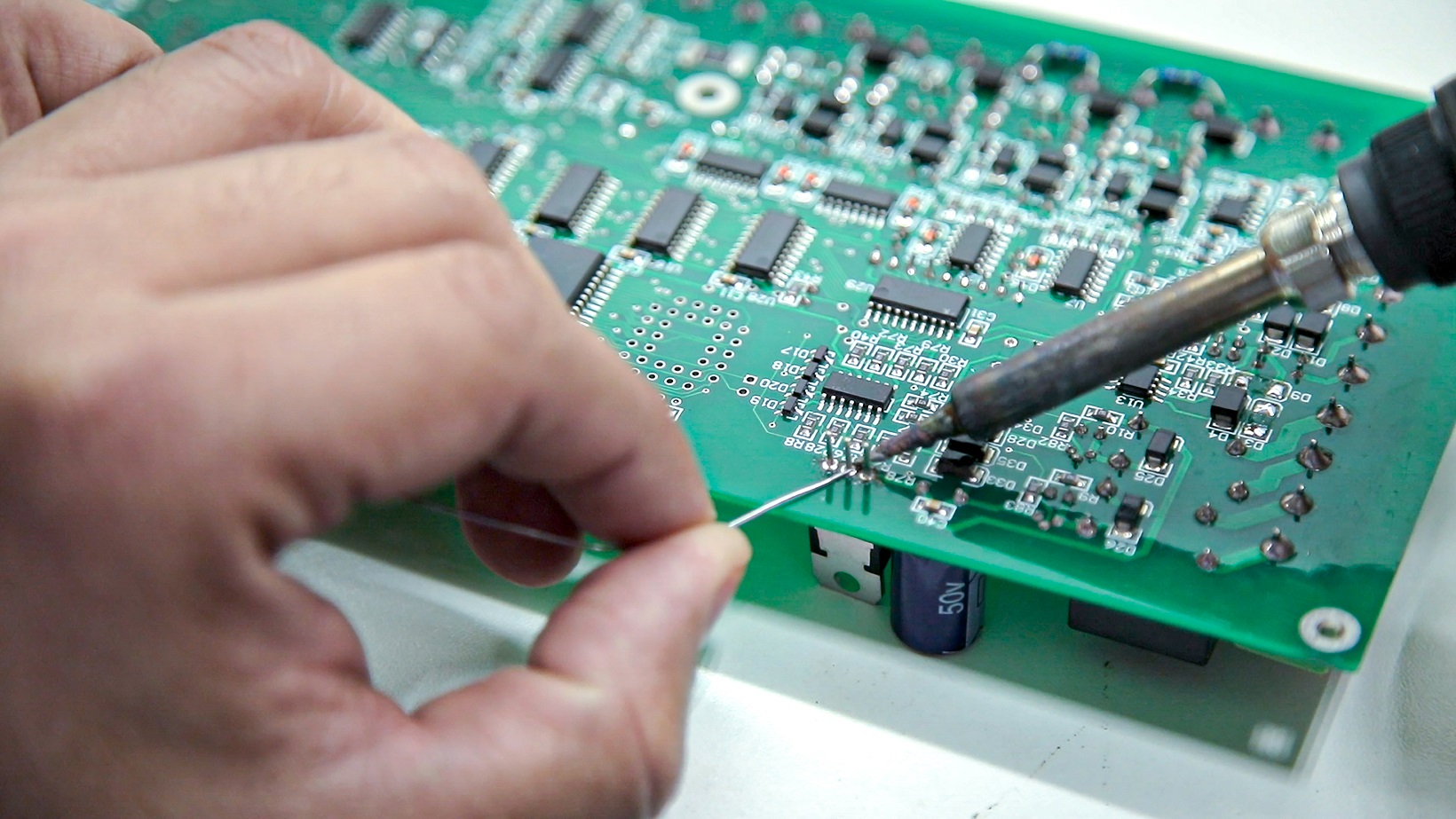
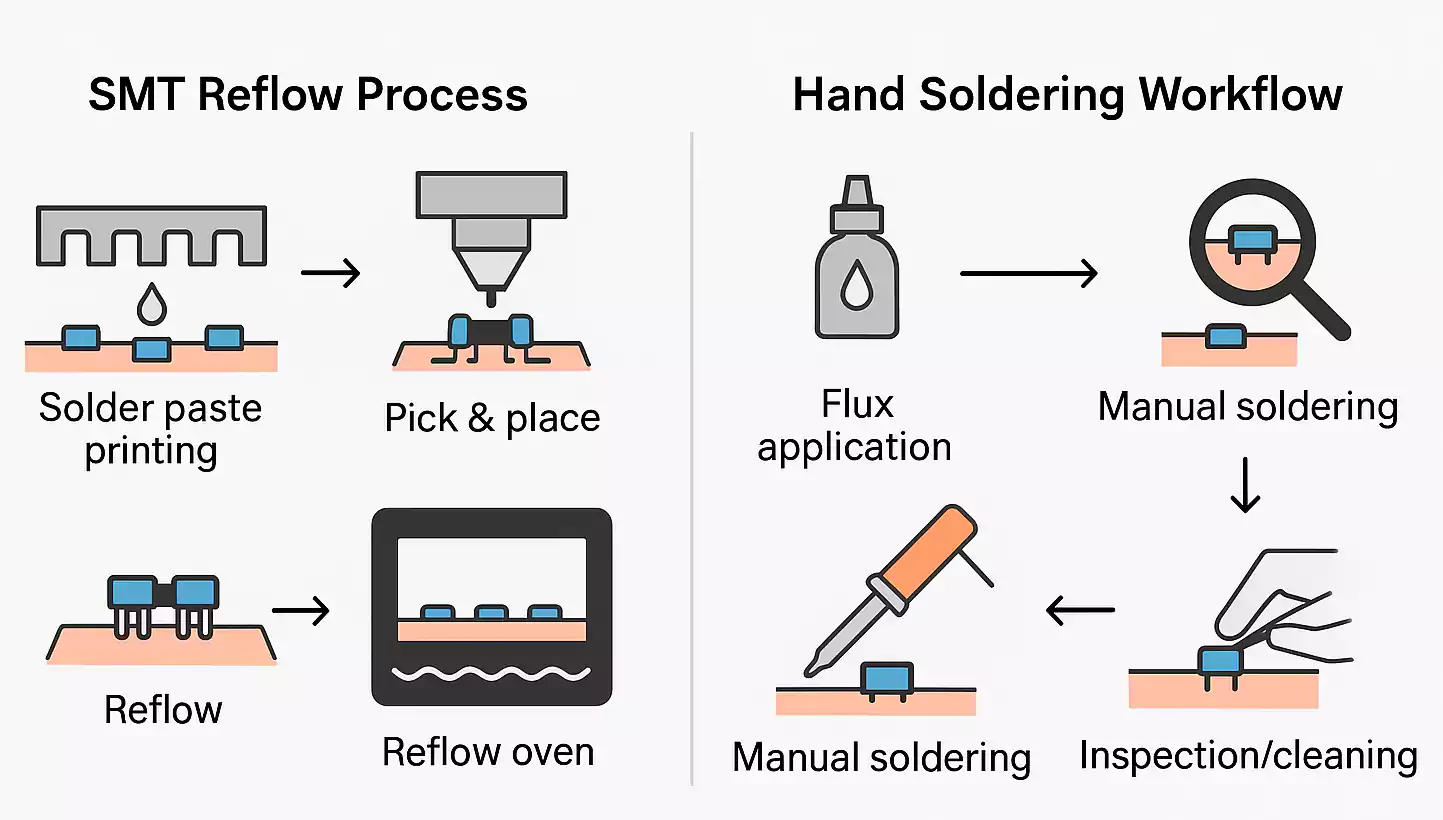
Manual soldering relies on skilled technicians using irons and hand-applied flux, incurring high labor expenses that scale with production volume. In contrast, selective soldering automates the process, drastically cutting direct labor hours per board while improving joint consistency. Comparing cost manual vs selective soldering highlights how automation offsets initial investment through reduced headcount; for instance, one machine often replaces multiple operators over shift cycles. Manual methods suffer from fatigue-induced variability, leading to higher rework rates that inflate costs beyond wages. Selective systems deliver repeatable results, minimizing scrap and field failures that erode profitability. Over time, the cumulative labor savings make selective soldering superior for through-hole densities exceeding a few dozen pins per board.
- Labor: Manual — High (multiple operators); Selective — Low (1-2 attendants)
- Rework: Manual — Frequent due to human error; Selective — Minimal with automation
- Throughput: Manual — Limited by skill/speed; Selective — Consistent, programmable
- Quality Consistency: Manual — Variable; Selective — High, standard-compliant
This comparison underscores practical differences engineers encounter in production planning.
Factors Influencing ROI in Selective Soldering
Return on investment hinges on production volume, board complexity, and existing labor rates, with higher throughput accelerating savings. Key drivers include labor reduction, where selective machines handle 50-100 boards per hour versus manual limits, directly feeding into payback period selective soldering machine estimates. Reduced rework from precise fluxing and solder volume control aligns with IPC-A-610 criteria for acceptable joints, avoiding costly inspections and repairs. Energy and material efficiency further boosts margins, as localized heating consumes less power than full-wave processes. Engineers should quantify intangible benefits like faster changeovers for high-mix runs, which enhance overall line utilization. Sensitivity analysis on variables like shift utilization reveals breakeven points typically within 1-2 years for mid-volume operations.
Step-by-Step ROI Calculation for Selective Soldering Equipment
Begin the ROI calculation selective soldering by tallying capital expenditures: equipment purchase, fixturing, and integration into the line. Subtract annual savings from baseline manual operations, including labor (wages plus benefits), rework (materials and time), and productivity gains (additional output sold). Divide initial investment by net yearly savings to derive payback period, then extend to net present value using a discount rate reflective of facility costs. Formula: Payback Period = Total Initial Cost / (Annual Labor Savings + Rework Reduction + Throughput Value). Incorporate selective soldering equipment maintenance costs, estimated at 5-10% of capex annually for cleaning and parts. Validate assumptions with pilot runs to refine projections, ensuring alignment with real-world throughput.
Best Practices for Selective Soldering Cost Management
Optimize flux selection for low residue to cut cleaning frequency and maintain nozzle performance. Implement daily solder pot analysis per process controls to extend alloy life and reduce replenishment expenses. Schedule preventative maintenance around production cycles, focusing on preheater calibration and drop-jet verification to prevent defects. Train staff on fiducial programming for quick setups, minimizing idle time in high-mix environments. Monitor key metrics like joints per hour and first-pass yield to iteratively improve selective soldering equipment cost justification. Integrating these practices ensures sustained ROI while upholding assembly standards.
Troubleshooting Common Cost Overruns
Engineers often encounter flux splatter leading to excess cleaning, addressed by adjusting drop height and pressure per board topology. Solder dross accumulation raises material costs; skim pots regularly and use nitrogen shrouds if thermal profiles demand. Nozzle wear from abrasive alloys shortens intervals between replacements, so select durable materials suited to lead-free processes. Throughput bottlenecks from poor pallet design inflate effective costs; prototype fixtures early. Data logging from machine software helps pinpoint variances, enabling proactive adjustments. These troubleshooting steps preserve the financial advantages of selective soldering.
Maintenance Strategies to Minimize Long-Term Costs
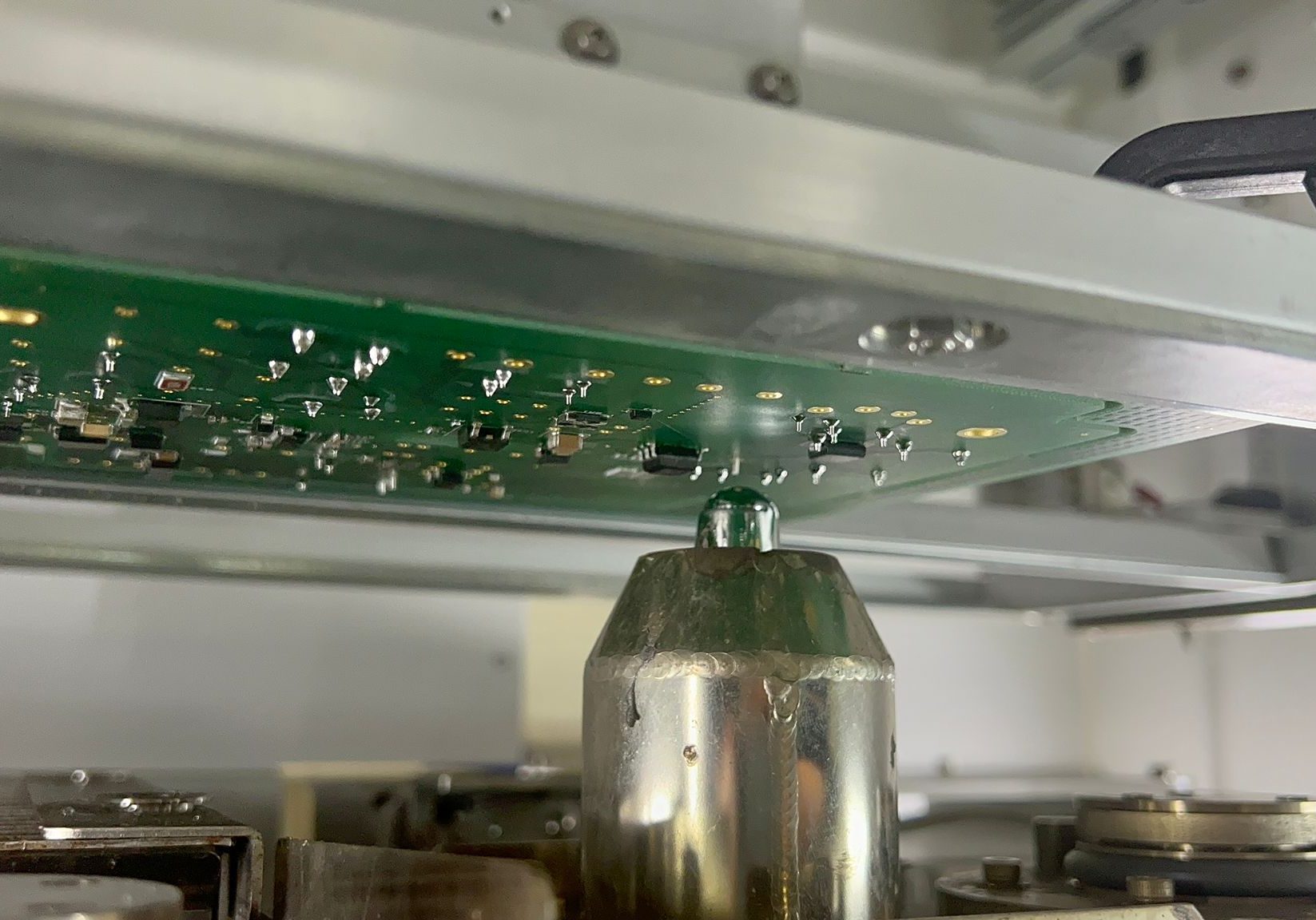
Selective soldering equipment maintenance costs focus on solder pot hygiene, nozzle inspections, and flux system flushes performed weekly or per shift volume. Preheater elements require thermal cycling checks to avoid uneven heating that stresses boards. Software updates for motion control optimize paths, reducing wear on pumps and motors. Stock spare nozzles sized to common lead diameters, as mismatches cause defects and downtime. Annual professional servicing verifies alignment against factory specs, preventing gradual degradation. Low-maintenance designs with accessible modules keep total ownership costs competitive versus manual setups.
Conclusion
Selective soldering equipment delivers compelling ROI through labor savings, quality improvements, and scalability for mixed-technology PCBs. Engineers achieve payback period selective soldering machine targets by rigorously comparing manual alternatives and calculating multifaceted benefits. Maintenance discipline and process tweaks further enhance returns, aligning with industry demands for reliability. This analysis equips procurement and production teams to justify investments confidently. Adopting selective soldering not only cuts costs but elevates assembly precision. Forward-thinking facilities prioritize it for sustained competitiveness.
FAQs
Q1: What factors determine the payback period for a selective soldering machine?
A1: The payback period selective soldering machine depends on production volume, labor rates, and rework savings from manual processes. Higher throughput shortens it by maximizing labor displacement and yield gains. Engineers calculate it as initial cost divided by annual net savings, often seeing returns in 12-24 months for mid-volume lines. Accurate baseline data ensures realistic projections.
Q2: How does selective soldering equipment cost justification work in practice?
A2: Selective soldering equipment cost justification involves tallying capex against opex reductions in labor and defects. Compare throughput and quality metrics pre- and post-implementation. Factor maintenance and consumables for a holistic view. Pilot testing validates assumptions, supporting board approvals.
Q3: What are typical maintenance costs for selective soldering equipment?
A3: Selective soldering equipment maintenance costs cover cleaning supplies, spare nozzles, and periodic servicing, generally 5-10% of equipment value yearly. Routine tasks like pot skimming prevent escalations. Proper flux management minimizes buildup, keeping expenses low relative to benefits.
Q4: Is selective soldering more cost-effective than manual for high-mix production?
A4: Yes, comparing cost manual vs selective soldering favors automation in high-mix scenarios due to reduced labor variability and faster changeovers. Consistency lowers rework, amplifying savings. Initial costs recoup via volume efficiencies.
References
[1] IPC J-STD-001GA — Requirements for Soldered Electrical and Electronic Assemblies. IPC, 2011.
[2] IPC-A-610H — Acceptability of Electronic Assemblies. IPC, 2019.
[3] J-STD-020E — Moisture/Reflow Sensitivity Classification of Nonhermetic Surface Mount Devices. JEDEC, 2014.