Introduction
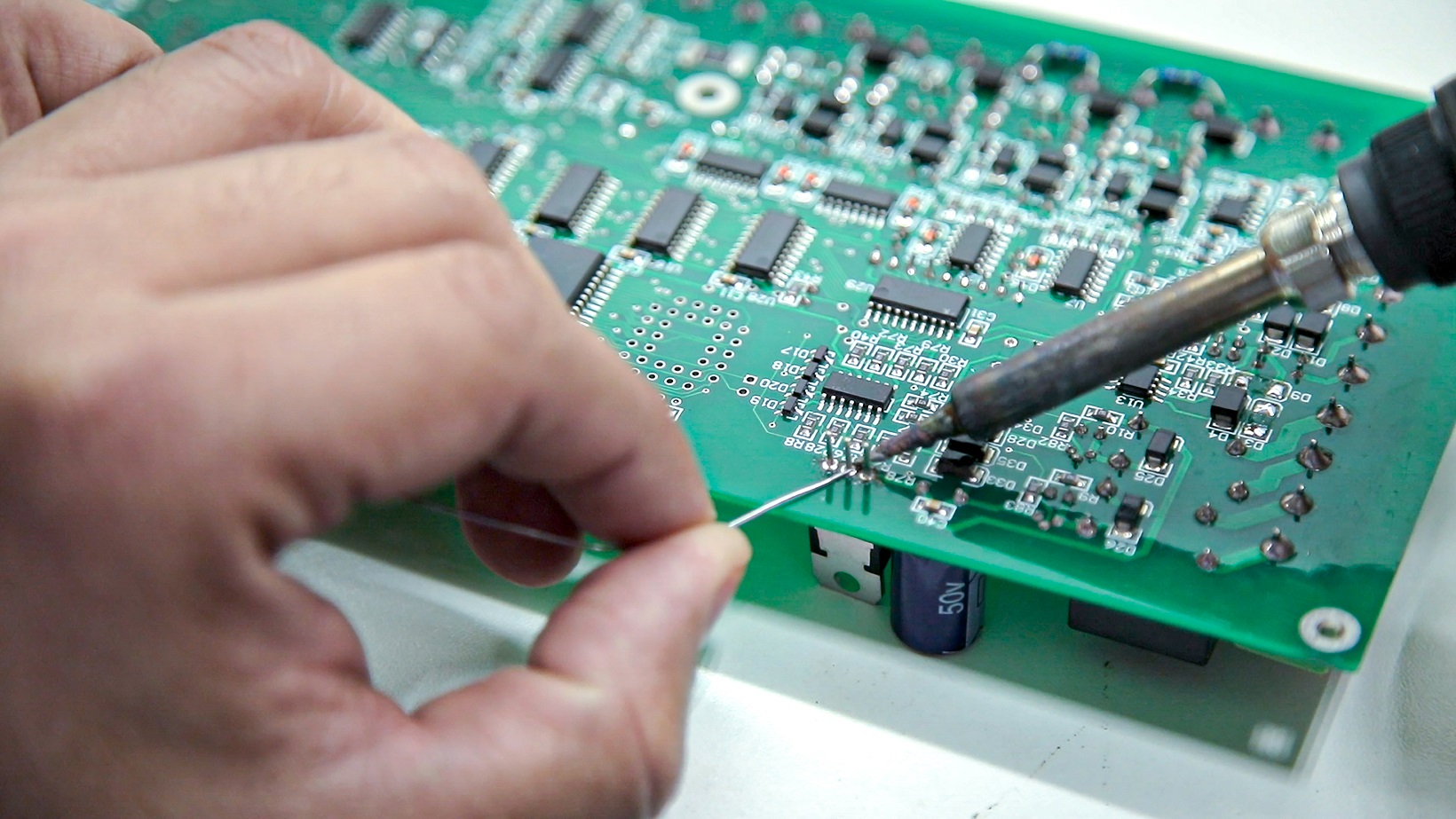
Surface-mount device (SMD) rework has become essential in electronics repair and prototyping, particularly for fine-pitch components on densely populated boards. Manual soldering stations offer precise control that automated systems sometimes lack, making them ideal for tasks like repairing mobile phones where space constraints demand dexterity. Engineers often face challenges with heat management and component alignment during these operations, which can lead to defects if the equipment falls short. Selecting the right SMD rework soldering station ensures reliable joints without damaging surrounding parts or the board itself. This guide breaks down the key considerations, from temperature control to tip compatibility, to help you make an informed choice. By focusing on practical engineering aspects, you can achieve consistent results in SMT rework scenarios.
Understanding SMD Rework and the Role of Manual Soldering Stations
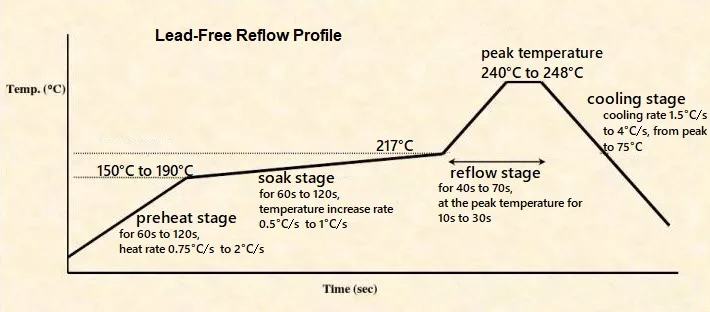
SMD rework involves removing and replacing surface-mount components, such as resistors, capacitors, and ICs, on printed circuit boards. Fine-pitch components, with lead spacings under 0.5 mm, require exceptional precision to avoid bridging or tombstoning. Manual soldering stations excel here because they allow real-time adjustments, unlike reflow ovens that follow fixed profiles. These stations typically feature a temperature-controlled iron with interchangeable tips, enabling targeted heating for individual pads. In mobile phone repairs, where boards integrate multilayer stacks and sensitive RF circuits, this control prevents delamination or trace damage. Engineers value manual stations for their versatility in low-volume production or field service.
The relevance stems from industry trends toward smaller, higher-density assemblies. As components shrink, thermal gradients become steeper, risking uneven solder melting. A well-chosen manual soldering station for fine-pitch components mitigates these issues by providing stable heat delivery. Compliance with standards like IPC J-STD-001 ensures joints meet mechanical and electrical reliability criteria. Without proper equipment, rework can introduce voids or cracks, compromising long-term performance.
Key Technical Principles Behind Effective SMD Soldering
Temperature-controlled soldering for SMD relies on precise heat transfer to melt solder without exceeding component limits. The iron's heater must recover quickly after contacting the joint to maintain setpoint accuracy, typically within 2-5 degrees Celsius. Thermal mass of the tip influences heat capacity; smaller tips for fine-pitch work have lower mass but demand faster response times. Engineers monitor tip temperature via thermocouples or infrared sensors integrated into quality stations. Excessive heat can form brittle intermetallics at the solder-pad interface, reducing fatigue life.
Power rating, often 30-100 watts, balances penetration for larger ground pads with finesse for tiny vias. Adjustable airflow or vacuum features in advanced stations aid component lifting during desoldering. Solder wick or braided copper complements the iron for cleanup, absorbing excess alloy efficiently. Understanding these principles helps select a station that aligns with J-STD-020 guidelines for moisture-sensitive devices, where rapid heating cycles are critical.
Joint formation follows wetting dynamics: flux activates to remove oxides, allowing solder to flow evenly. Poor temperature stability leads to incomplete wetting, visible as dull joints under inspection. Digital displays and auto-sleep modes enhance usability by preserving tip life and preventing oxidation.
Essential Factors to Consider When Selecting a Manual Soldering Station
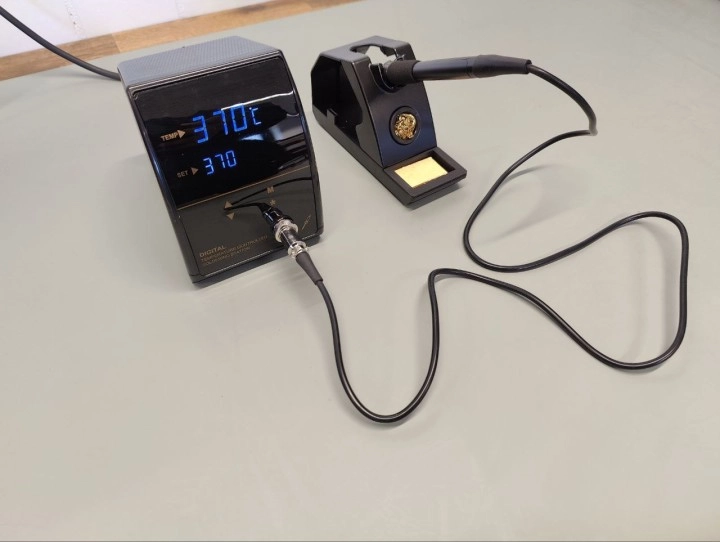
Start with temperature control precision, as variations over 10 degrees Celsius can lift pads on thin copper layers. Look for stations with PID (proportional-integral-derivative) regulation, which stabilizes output based on feedback loops. Setpoints from 200-450 degrees Celsius cover most SMD alloys, including lead-free SAC305 melting at 217-220 degrees Celsius. Dual-channel units allow simultaneous desoldering and soldering, streamlining workflows for SMT rework.
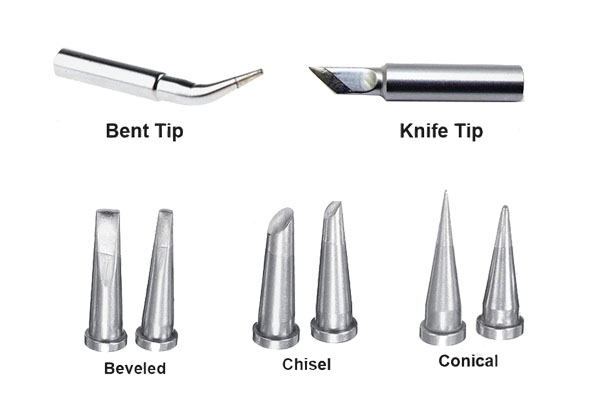
Tip compatibility is crucial for fine-pitch components; ensure a range of 0.2-1.0 mm conical or bent tips for accessing tight spaces. Quick-change systems reduce downtime, while active tips with embedded heaters outperform passive ones in heat recovery. Material like oxygen-free copper plated with iron extends durability under prolonged use.
Ergonomics matter for extended sessions in mobile phone repairs. Lightweight irons under 20 grams minimize hand fatigue, paired with adjustable stands and silicone mats for safety. Power supply stability prevents voltage drops during peak draw, especially in portable setups.
Safety features include automatic shutoff after inactivity and grounded plugs to dissipate static. ESD-safe construction protects sensitive ICs per IEC 61340 standards. Evaluate recovery time empirically: a good station rebounds from 350 degrees Celsius in under 5 seconds after a cold joint.
- Temperature Stability: ±2°C — Prevents overheating fine-pitch leads
- Tip Size Range: 0.2-2.0 mm — Accesses BGA edges and QFN pads
- Power Output: 50-80W — Handles multilayer boards without lag
- ESD Protection: <10^9 ohms — Safeguards CMOS components
- Display Type: Digital LCD — Real-time monitoring for profiles
Best Practices for Using Your SMD Rework Soldering Station
Preheat the board to 100-150 degrees Celsius using a controlled hotplate to equalize thermal stress, reducing warpage risks. Apply low-residue flux to pads, then tin the tip lightly for optimal heat transfer. For desoldering, flood the joint with solder to lower melting point before wicking away excess. Add fresh solder during reinstallation to ensure fillet formation per IPC-A-610 criteria.
Profile temperatures conservatively: 300-350 degrees Celsius for lead-free, with dwell times under 5 seconds per pad. Use magnification aids like 10x loupes for alignment, especially on 0.3 mm pitch BGAs. Clean tips frequently with brass wool to maintain flatness and prevent drag soldering bridges.
Post-rework inspection involves visual checks for voids and continuity testing. X-ray for hidden BGA voids if available, or shear testing for mechanical integrity. Store stations in dry environments to avoid heater corrosion.
Common Troubleshooting Challenges and Solutions
Overheated components often result from inadequate tip sizing; switch to finer profiles for point heating. If joints appear cold or grainy, verify thermocouple calibration against a reference meter. Slow heat-up indicates degraded heaters, signaling replacement time.
Bridging on fine-pitch arrays stems from excess solder volume; use no-clean flux and minimal alloy addition. Tombstoning occurs with uneven heating—stabilize the board and apply flux symmetrically. For mobile phone boards with flex circuits, support underneath to prevent flexure-induced cracks.
Static discharge mimics solder failures; ground all tools and wear wrist straps. Persistent pad lifts trace to multiple rework cycles weakening copper; limit to three per IPC guidelines before scrapping.
Conclusion
Choosing the right manual soldering station for SMD rework hinges on temperature precision, tip versatility, and ergonomic design tailored to fine-pitch demands. Prioritize PID control and quick recovery for reliable results in SMT rework and mobile repairs. Adhering to best practices like controlled preheating and flux management minimizes defects. Invest time in evaluating these factors to boost your rework success rate and board longevity. With the proper setup, engineers can tackle complex assemblies confidently.
FAQs
Q1: What makes a manual soldering station for fine-pitch components essential for SMD rework?
A1: Manual stations provide pinpoint heat control, vital for 0.4 mm pitch leads where reflow risks collateral damage. PID regulation maintains stability, preventing intermetallic overgrowth. Quick tip swaps enable adaptation to varied geometries like QFNs. This setup excels in low-volume tasks, ensuring IPC-compliant joints without full oven setups. Overall, it offers cost-effective precision for engineers handling prototypes or repairs.
Q2: How does temperature controlled soldering for SMD improve rework outcomes?
A2: Stable temperatures avoid thermal shock, preserving component integrity on multilayer boards. Setpoints match alloy melt points precisely, reducing voids by 50% in practice. Feedback loops like thermocouples enable real-time tweaks during fine-pitch work. This control aligns with J-STD-020 for handling MSL-rated parts. Engineers achieve shinier, stronger fillets consistently.
Q3: Why is the best soldering station for SMT rework one with fast heat recovery?
A3: Rapid recovery, under 5 seconds, sustains temperature on high-thermal-mass pads like grounds. It prevents cold joints during continuous use in mobile phone repairs. Higher wattage supports this without overshoot. Paired with active tips, it handles dense arrays efficiently. This feature directly cuts cycle times while upholding joint quality.
Q4: Can a soldering station for repairing mobile phones handle BGA rework manually?
A4: Yes, with fine conical tips and precise control, manual stations desolder BGAs via edge flooding and wick cleanup. Preheating the board equalizes stress for clean lifts. Flux and vacuum assist component removal without pad damage. Post-install, reflow with minimal solder paste ensures alignment. It's practical for field repairs on compact phone boards.
References
IPC J-STD-001G — Requirements for Soldered Electrical and Electronic Assemblies. IPC, 2018
IPC-A-610H — Acceptability of Electronic Assemblies. IPC, 2019
J-STD-020E — Moisture/Reflow Sensitivity Classification of Nonhermetic Surface Mount Devices. JEDEC, 2014