Introduction
PCB rework stations form the backbone of electronics repair workflows for electrical engineers dealing with assembled boards. These tools enable precise removal and replacement of surface-mount devices (SMDs), ball grid array (BGA) components, and other challenging packages without compromising board integrity. As production volumes rise and component densities increase, the demand for reliable PCB repair equipment grows, especially in prototyping, failure analysis, and field service scenarios. Selecting the appropriate station, whether a BGA rework station, SMD rework station, hot air rework station, or infrared rework station, directly impacts repair success rates and downtime. This guide provides practical insights into their operation, selection criteria, and best practices to optimize your repair processes.
What Are PCB Rework Stations and Why Do They Matter?
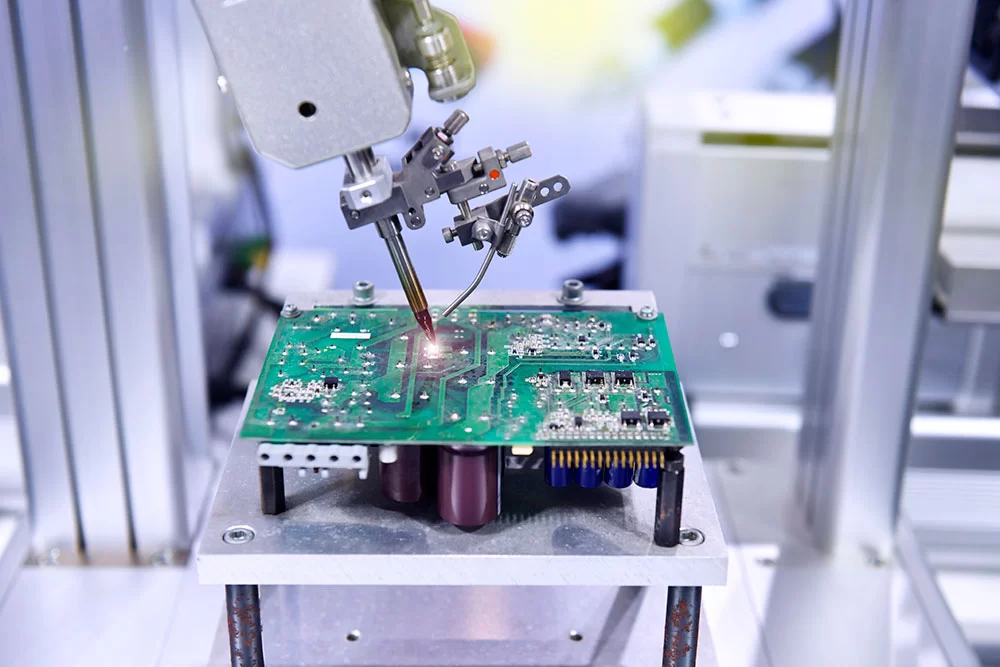
PCB rework stations are specialized systems designed to heat, remove, and reinstall components on printed circuit boards using controlled thermal energy. They address common assembly defects like solder bridges, cold joints, or component failures that occur during initial soldering or in-service operation. For electrical engineers, these stations matter because they allow targeted heating to reflow solder joints selectively, minimizing thermal stress on adjacent components and the board substrate. Without proper equipment, manual methods risk delamination, pad lifting, or warpage, leading to costly scrapping of assemblies. Industry standards like IPC-7711/7721 outline procedures for such operations, emphasizing equipment capabilities for consistent results. In high-reliability sectors such as aerospace and medical devices, choosing the right PCB repair equipment ensures compliance with quality benchmarks.
The relevance extends to troubleshooting phases where root cause analysis reveals fixable issues rather than full board replacement. Engineers often encounter mixed-technology boards with both through-hole and SMD parts, requiring versatile stations. Hot air rework stations excel in non-contact heating for smaller components, while BGA rework stations handle dense pin counts. Ultimately, investing in quality stations reduces rework cycles and boosts yield rates in repair bays.
Types of PCB Rework Stations
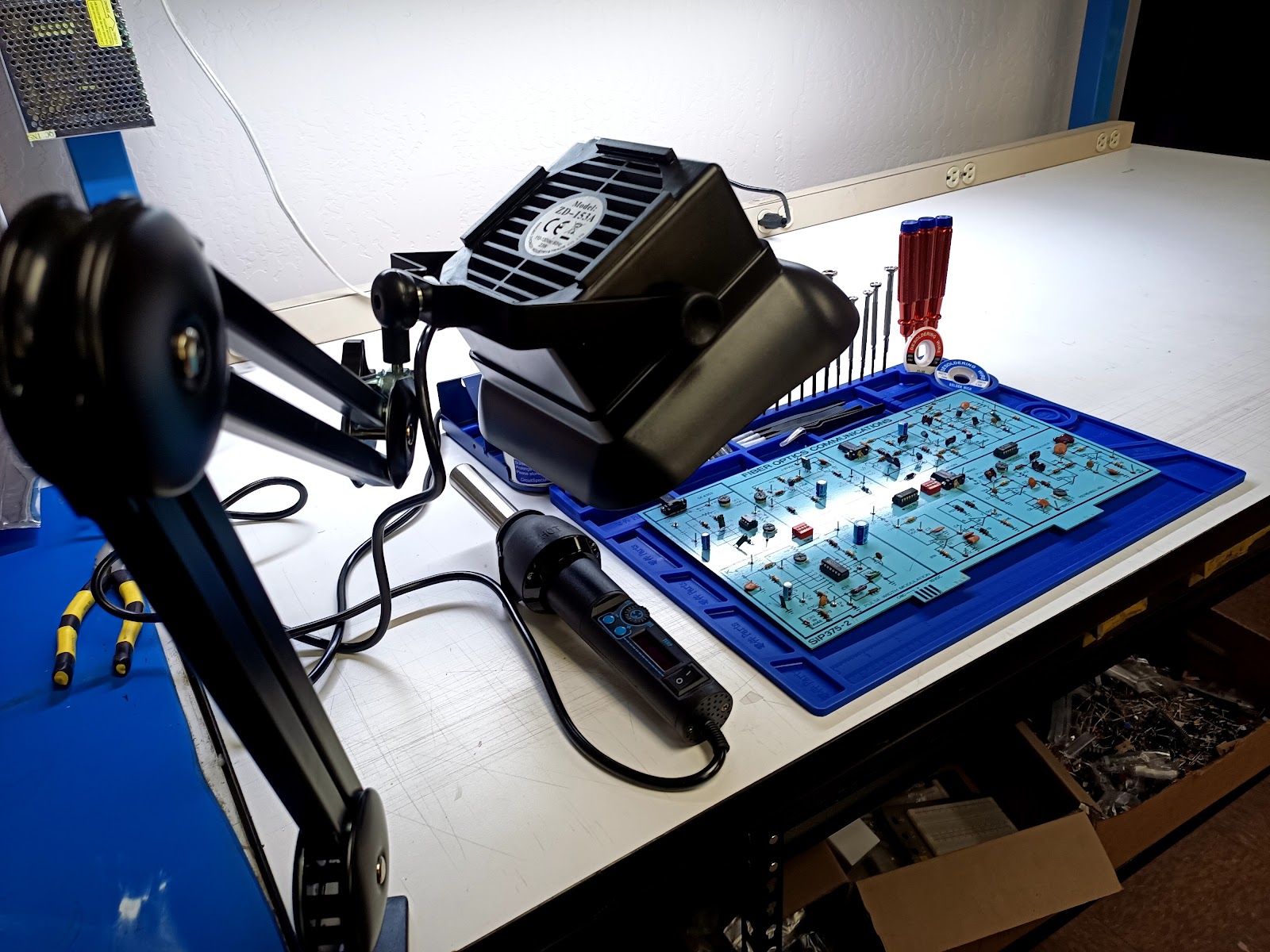
Several types of PCB rework stations cater to different component sizes and thermal requirements. Hot air rework stations use a stream of heated air delivered through nozzles to reflow solder on SMDs and smaller quad flat packages (QFPs). These systems offer adjustable airflow rates and temperatures, making them ideal for quick fixes on prototypes. SMD rework stations often integrate hot air with precision tweezers or vacuum tools for handling fine-pitch devices down to 0201 sizes.
BGA rework stations represent advanced setups for ball grid array components, combining upper heaters, bottom preheaters, and optical alignment systems. They manage large thermal masses by providing uniform heating across the package underside, preventing tombstoning or bridging during reflow. Infrared rework stations employ IR lamps or panels that emit radiation absorbed by solder and components, offering contactless heating with minimal airflow disturbance. These suit sensitive boards where convection might cause contamination.
Each type has trade-offs in speed, precision, and cost. Hot air models provide flexibility for varied nozzle sizes, while infrared versions reduce oxidation risks on exposed copper. For hybrid needs, many engineers opt for multi-function stations blending hot air and IR capabilities.
Technical Principles Behind PCB Rework Stations
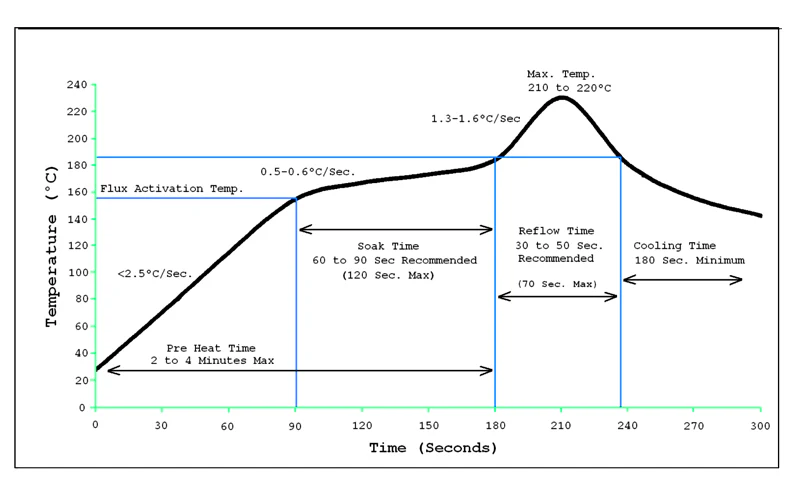
Effective rework hinges on understanding thermal transfer mechanisms in these stations. Hot air systems rely on convection, where heated air transfers energy to the component and board via forced flow, achieving ramp-up rates matching reflow profiles. Temperature control loops, often PID-regulated, maintain setpoints within 5 degrees Celsius to avoid overshoot. Nozzle design influences heat concentration, with smaller diameters for localized heating on SMDs.
Infrared stations operate on radiation principles, where wavelength-tuned emitters (short-wave for fast heat-up, medium-wave for penetration) target solder melting points around 220-260 degrees Celsius. Absorption varies by material; dark surfaces like populated boards heat efficiently, but reflective bare copper may require preheaters. BGA rework stations integrate conduction via bottom IR or quartz heaters, ensuring symmetric profiles to counteract warpage from CTE mismatches.
Alignment precision is critical, especially for BGAs with 0.5mm pitch balls. Vision systems overlay fiducials for sub-pixel accuracy, while vacuum pick-and-place mechanisms lift components post-reflow. Adhering to IPC J-STD-001 guidelines for solder joint criteria ensures post-rework inspections pass without voids or head-in-pillow defects. Engineers must profile each station with thermocouples to validate against component datasheets.
Key Factors in Choosing the Right PCB Rework Station
Selecting PCB repair equipment starts with assessing component types and board sizes. For frequent BGA work, prioritize stations with split-vision cameras and nitrogen inerting to minimize oxidation. Temperature uniformity across heaters, verified by multi-channel profiling, prevents hot spots that lift pads. Power ratings above 1.5kW support larger boards up to 400x400mm.
Ergonomics and software integration matter for high-volume repairs. Touchscreen interfaces with recipe storage streamline setups for different packages, reducing operator error. Safety features like interlocks and fume extraction comply with workplace standards. Budget-conscious engineers favor modular SMD rework stations upgradable to full BGA capability.
Consider throughput and precision tolerances. Hot air stations suit low-volume SMD fixes with quick nozzle swaps, while infrared models excel in consistent heating for high-mix production. Test compatibility with your flux and solder paste types to ensure clean reflows. Long-term, opt for stations with proven durability in 24/7 environments.
| Factor | Hot Air Rework Station | Infrared Rework Station | BGA Rework Station |
|---|---|---|---|
| Best For | Small SMDs, QFPs | Sensitive boards, uniform heat | Dense BGAs, fine pitch |
| Heat Transfer | Convection | Radiation | Convection + Conduction |
| Alignment Needs | Manual/low | Moderate | High (vision systems) |
| Typical Size Capacity | Up to 200x200mm | Up to 300x300mm | Up to 500x500mm |
Best Practices for Operating PCB Rework Stations
Follow a structured process to maximize rework success. Begin with board inspection under magnification to identify defects per IPC-A-610 criteria, then bake out moisture if needed. Develop thermal profiles using K-type thermocouples placed at critical points like component center and board edge. Preheat the board to 100-150 degrees Celsius to minimize delta-T stresses.
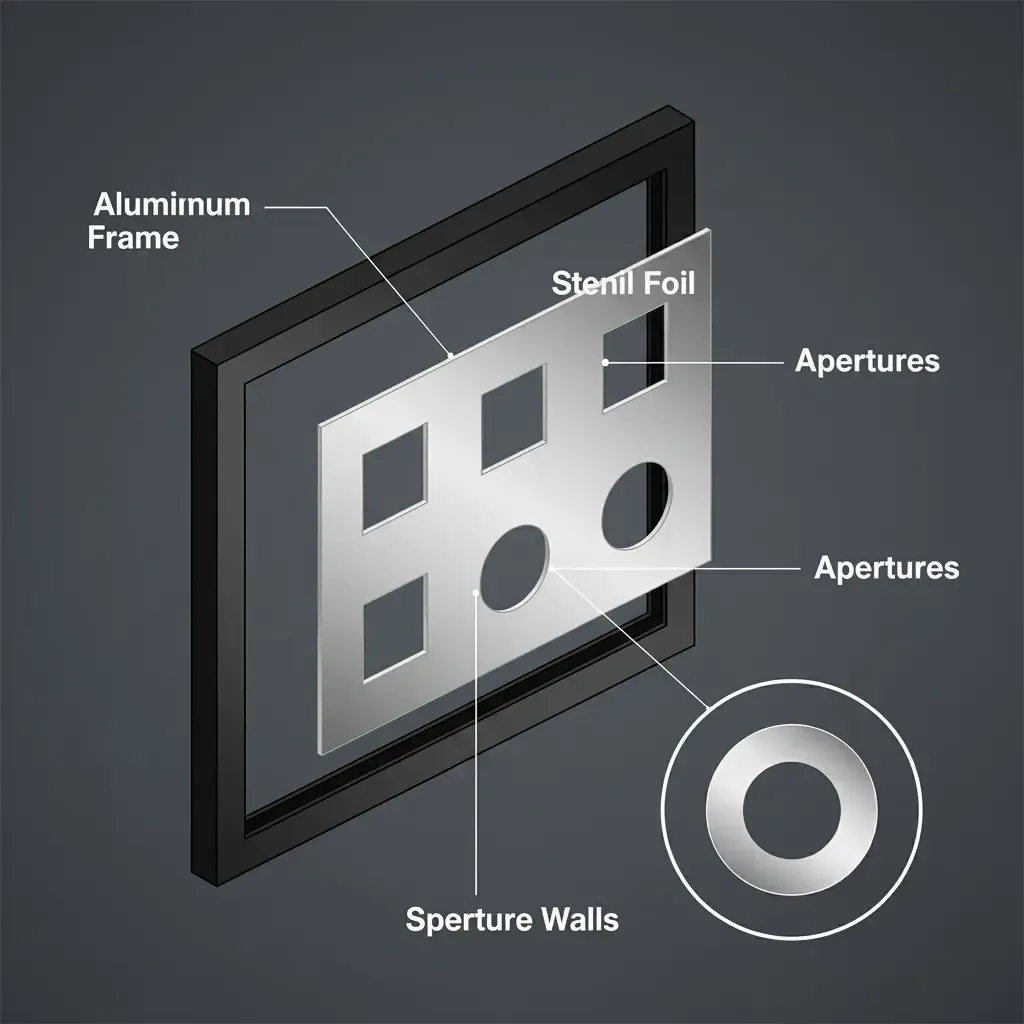
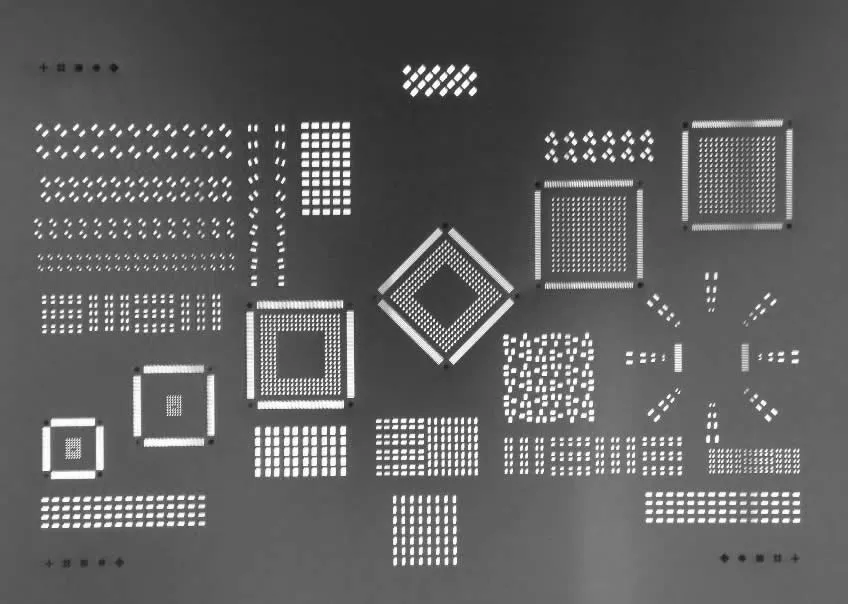
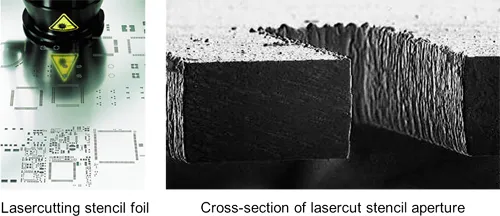
Apply flux precisely with syringes or stencils for optimal wetting. For hot air or IR stations, position nozzles 5-10mm above the site and ramp slowly to peak temperatures. Monitor reflow with real-time thermocouples, cooling gradually under vacuum lift-off. Clean residues with isopropyl alcohol and inspect joints microscopically.
Nitrogen purging enhances joint quality by reducing dross formation. Document profiles and outcomes for traceability. Regular calibration of temperature sensors maintains accuracy within manufacturer specs.
Troubleshooting Common Rework Challenges
Warpage during BGA reflow often stems from uneven heating; counter it with dual-zone bottom preheaters maintaining flatness. If pads lift on FR-4 boards, reduce peak temps or extend soak times per IPC-7711/7721 procedures. Solder beading indicates excessive flux or airflow; adjust nozzle distance and volume.
Component tombstoning in SMD rework arises from rapid heating differentials; profile for symmetric ramps. For infrared stations, poor absorption on shiny surfaces requires matte preprocessing or hybrid heating. Post-rework opens signal flux exhaustion; reapply no-clean types compatible with your station.
X-ray inspection reveals hidden voids in BGAs. Iterate profiles based on data, consulting component MSL ratings.
Conclusion
Mastering PCB rework stations empowers electrical engineers to extend board life and cut costs effectively. From hot air rework stations for SMD tasks to advanced BGA rework stations for complex arrays, the right choice aligns with your thermal, precision, and volume needs. Adhering to standards like IPC-7711/7721 ensures reliable, repeatable repairs. Integrate profiling, safety protocols, and regular maintenance for optimal performance. With these insights, you'll select and operate PCB repair equipment that meets demanding engineering standards.
FAQs
Q1: What is the difference between a hot air rework station and an infrared rework station?
A1: Hot air rework stations use convective airflow for targeted heating, ideal for small SMD components where nozzle control matters. Infrared rework stations apply radiation for broader, uniform coverage, reducing airflow-related contamination on sensitive PCBs. Both require precise temperature profiling, but IR minimizes oxidation better in nitrogen-free setups. Choose based on component density and board materials for optimal PCB repair equipment performance.
Q2: How do I select a BGA rework station for fine-pitch components?
A2: Prioritize split-vision optics for micron-level alignment and multi-zone heaters to combat warpage. Ensure vacuum pickup strength handles package weights up to 50g, with nitrogen capability for clean joints. Profile against datasheet reflow curves using onboard thermocouples. Compliance with IPC J-STD-001 soldering criteria post-rework verifies quality in BGA rework station operations.
Q3: What maintenance is needed for an SMD rework station?
A3: Clean nozzles and filters weekly to prevent clogs affecting airflow uniformity. Calibrate temperature sensors quarterly with traceable standards for accuracy within 2 degrees Celsius. Inspect vacuum lines for leaks impacting pickup reliability. Regular firmware updates enhance recipe management, extending the life of your SMD rework station in daily PCB repairs.
Q4: Can infrared rework stations handle mixed SMD and BGA repairs?
A4: Yes, versatile infrared rework stations with adjustable IR spectra manage both, providing penetration for BGAs and focus for SMDs. Add vision aids for alignment precision. Preheat boards to control thermal gradients, following IPC-7711/7721 guidelines to avoid defects. They offer efficient PCB repair equipment for varied assemblies.
References
IPC-7711/7721D — Rework, Modification and Repair of Electronic Assemblies. IPC, 2024
IPC J-STD-001J — Requirements for Soldered Electrical and Electronic Assemblies. IPC, 2023
IPC-A-610H — Acceptability of Electronic Assemblies. IPC, 2019