Introduction
Surface Mount Technology, often abbreviated as SMT, has become a cornerstone in modern electronics assembly, especially for electronic hobbyists crafting compact and efficient printed circuit boards. For many hobbyists, a manual pick and place tool is an accessible entry point to SMT assembly, offering precision without the high cost of automated systems. However, the manual process is prone to errors that can compromise the quality of a PCB assembly. Understanding common manual pick and place mistakes is crucial to achieving reliable results. This article explores the top five errors in hand placement during SMT assembly, providing practical hand placement tips to help hobbyists avoid SMT problems and resolve PCB assembly issues. With a focus on actionable advice, this guide aims to enhance your skills and ensure better outcomes in your projects.
What Is a Manual Pick and Place and Why It Matters
A manual pick and place tool is a handheld device or setup used to position surface mount components onto a PCB. Unlike automated machines, which use programmed precision, manual tools rely on the user's dexterity and attention to detail. These tools often include tweezers, vacuum pens, or simple jigs to assist in component placement before soldering. For electronic hobbyists, manual pick and place is a cost-effective way to assemble small batches of boards without investing in expensive equipment.
The importance of mastering manual pick and place lies in its impact on the final product. Incorrect placement can lead to poor electrical connections, component damage, or complete circuit failure. As SMT components are often tiny, sometimes measuring less than a millimeter, even small errors can have significant consequences. By recognizing the value of precision in hand placement, hobbyists can avoid SMT problems and ensure their projects function as intended.
Related Reading: The Essential Guide to Manual Pick and Place for Beginners
Technical Principles Behind Manual Pick and Place Errors
Understanding why manual pick and place mistakes occur requires a look at the technical challenges involved in SMT assembly. Components like resistors, capacitors, and integrated circuits have specific orientations and pad alignments defined by industry standards such as IPC-7351B, which outlines land pattern designs for surface mount devices. Misalignment with these patterns disrupts solder joint formation during reflow, leading to defects.
Additionally, human factors play a role. Hand tremors, poor visibility, and inadequate tools can cause placement inaccuracies. Static electricity is another concern, as it can damage sensitive components if proper grounding isn’t observed. The soldering process itself, often following placement, can exacerbate errors if components shift due to improper initial positioning. Recognizing these underlying causes of PCB assembly issues helps hobbyists pinpoint where mistakes are likely to occur and take preventive measures.
Top 5 Mistakes in Manual Pick and Place and How to Avoid Them
Mistake 1: Incorrect Component Orientation
One of the most frequent SMT assembly errors is placing components in the wrong orientation. Many surface mount devices, such as diodes and polarized capacitors, have specific polarity markings that must align with the PCB layout. Failing to match these markings can result in nonfunctional circuits or component damage during operation.
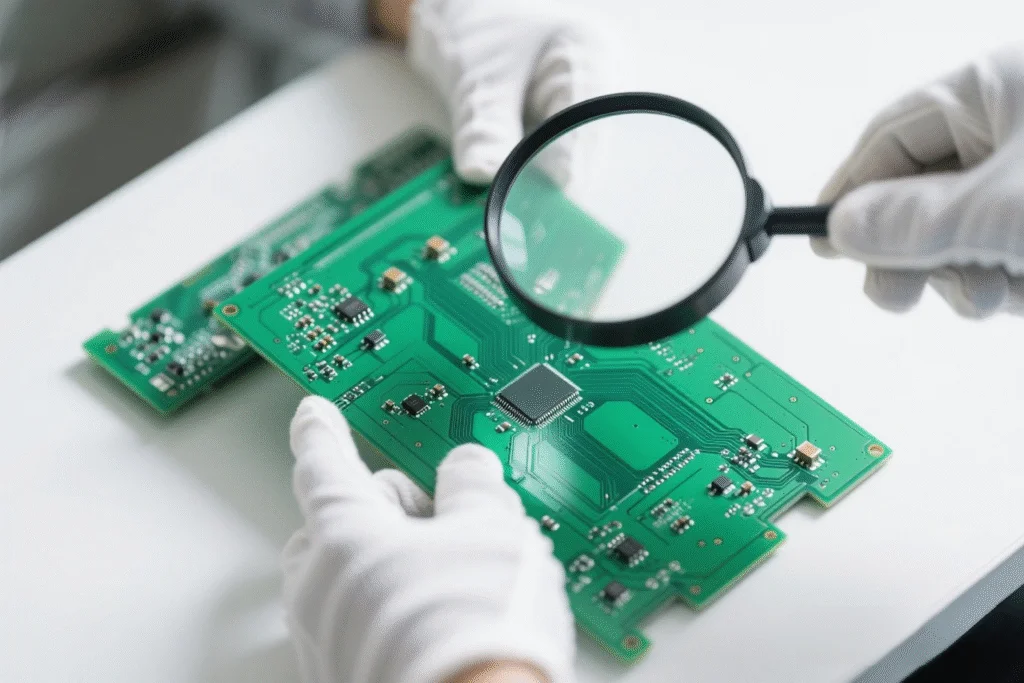
To avoid this, always refer to the PCB silkscreen or design files for polarity indicators. Use a magnifying glass or a microscope to verify markings on small components. Additionally, maintain a clean and organized workspace to prevent mixing up similar-looking parts. Following guidelines from standards like IPC-A-610H, which covers acceptability criteria for electronic assemblies, can help ensure correct orientation during hand placement.
Mistake 2: Misalignment with PCB Pads
Another common error is misaligning components with the PCB pads. Surface mount components must sit precisely on their designated pads to form reliable solder joints. Misalignment often happens due to shaky hands or poor visibility, leading to issues like tombstoning, where one end of a component lifts off the pad during reflow soldering.
Hand placement tips to address this include using fine-tip tweezers or a vacuum pen for better control. Ensure adequate lighting and consider using a stereo microscope for precision. Before soldering, double-check alignment against the land patterns as per IPC-7351B standards. If components shift, gently reposition them before applying heat. Practicing on scrap boards can also build confidence and reduce PCB assembly issues.
Mistake 3: Applying Excessive Force
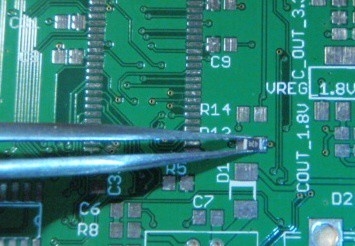
Applying too much force while placing components is a frequent manual pick and place mistake. Excessive pressure can damage delicate parts, crack ceramic capacitors, or deform leads on integrated circuits. It can also cause the PCB to flex, potentially damaging traces or vias.
To avoid SMT problems related to force, handle components gently with appropriate tools. Avoid using fingers directly, as they can exert uneven pressure. Instead, opt for anti-static tweezers designed for SMT work. Be mindful of the component’s fragility and follow handling guidelines outlined in JEDEC J-STD-033D, which addresses moisture sensitivity and handling of electronic devices. A steady, light touch is key to preventing damage during assembly.
Mistake 4: Ignoring Static Electricity Precautions
Static electricity poses a significant risk during manual pick and place, especially for sensitive components like microcontrollers and MOSFETs. A small electrostatic discharge can destroy these parts, leading to failures that are hard to diagnose. Hobbyists often overlook this risk, focusing solely on placement accuracy.
To mitigate this, always work on an anti-static mat and wear a grounded wrist strap. Store components in anti-static bags or containers until ready for use. Standards like IEC 61340-5-1 provide guidelines for electrostatic discharge control, which hobbyists can adapt to their workspaces. Keeping humidity levels in the workspace between 40 and 60 percent can also reduce static buildup, protecting components during SMT assembly.
Mistake 5: Poor Workspace Organization
A cluttered or disorganized workspace contributes to many SMT assembly errors. Misplacing components, using the wrong value resistors, or losing track of assembly steps can lead to costly mistakes. For hobbyists working on multiple projects, this is a common source of PCB assembly issues.
Organize components in labeled containers or trays before starting assembly. Use a checklist to track progress and verify each step. Keep tools within easy reach but separate from components to avoid accidental damage. A well-lit, clean workspace reduces errors and improves efficiency. Following best practices from IPC-A-610H for assembly acceptability can guide hobbyists in maintaining order during manual pick and place tasks.
Related Reading: Boost Your PCB Prototyping with a Reliable Manual Soldering Station
Practical Solutions for Better Manual Pick and Place Results
Beyond avoiding specific mistakes, adopting best practices can elevate the quality of your SMT assembly. Start by investing in quality tools tailored for manual pick and place. Fine-tip tweezers, vacuum pens, and magnifying equipment are essential for precision. Ensure your soldering setup, including flux and solder paste application, aligns with standards like IPC J-STD-001H, which covers requirements for soldered electrical assemblies.
Practice is invaluable. Set aside time to work on test boards with dummy components to refine your skills. This hands-on experience helps identify personal tendencies for error, such as hand steadiness or alignment issues. Additionally, create a pre-assembly checklist to verify component values, orientations, and quantities before starting. This systematic approach minimizes manual pick and place mistakes.
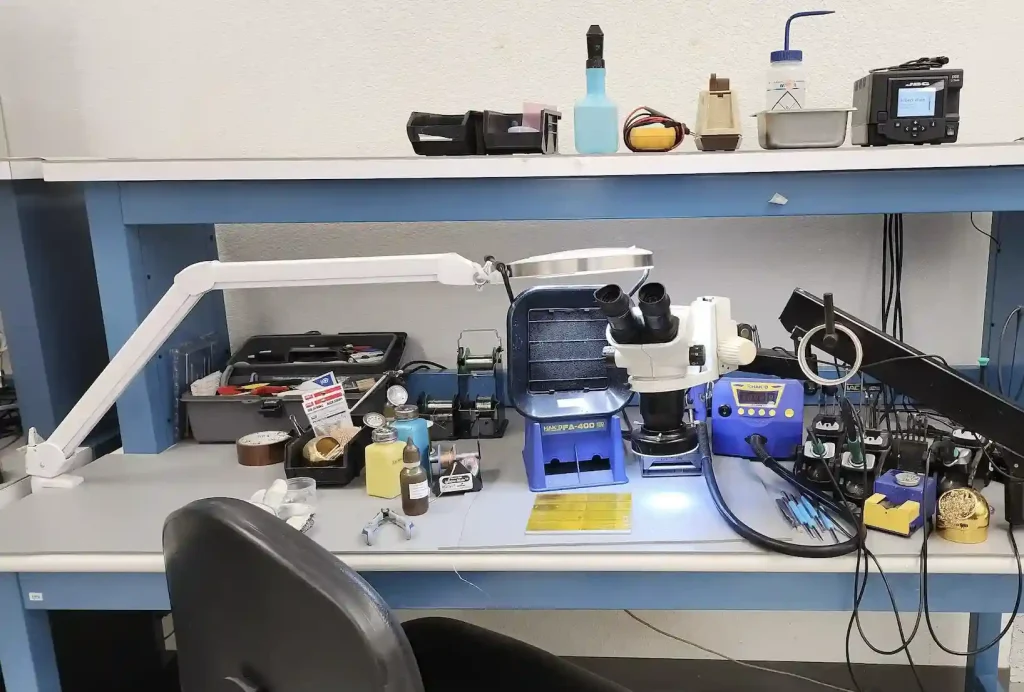
For visibility, consider a desk lamp with adjustable brightness or a digital microscope with a display. These tools enhance detail recognition, especially for components smaller than 1 millimeter. Finally, take breaks during long assembly sessions to prevent fatigue, which often leads to errors. Consistent application of these hand placement tips can significantly reduce SMT problems.
Troubleshooting Common PCB Assembly Issues
Even with careful preparation, issues can arise during manual pick and place. If a component is misaligned after soldering, use a hot air rework station to carefully lift and reposition it. Ensure the PCB is secured to avoid movement during rework. For components damaged by static, test functionality with a multimeter before discarding, as some failures might not be immediately apparent.
If tombstoning occurs, inspect the solder paste application for uneven distribution. Reapply paste if needed and reposition the component. Standards like IPC-A-610H offer visual criteria for acceptable solder joints, which can guide troubleshooting efforts. Documenting errors and solutions in a log can help hobbyists learn from past PCB assembly issues and improve future projects.
Conclusion
Manual pick and place is a valuable skill for electronic hobbyists engaging in SMT assembly, but it comes with challenges that require attention to detail. By understanding and avoiding the top five mistakes, such as incorrect orientation, misalignment, excessive force, static electricity risks, and poor workspace organization, hobbyists can achieve reliable results. Implementing practical hand placement tips and adhering to industry standards ensures precision and minimizes PCB assembly issues. With consistent practice and the right tools, mastering manual pick and place becomes an achievable goal, paving the way for successful electronics projects free of common SMT problems.
FAQs
Q1: What are the most common manual pick and place mistakes for hobbyists?
A1: For electronic hobbyists, common manual pick and place mistakes include incorrect component orientation, misalignment with PCB pads, and applying excessive force. Ignoring static electricity precautions and having a disorganized workspace also lead to errors. These issues can cause poor solder joints or component damage. Practicing with proper tools and maintaining an organized setup can significantly reduce such errors during SMT assembly.
Q2: How can I avoid SMT assembly errors during hand placement?
A2: To avoid SMT assembly errors, use fine-tip tweezers or vacuum pens for precise hand placement. Verify component orientation with a magnifying glass and ensure alignment with PCB pads. Work on an anti-static mat, wear a grounded wrist strap, and keep your workspace organized. Following industry guidelines for component handling and placement helps prevent mistakes and ensures reliable assembly outcomes.
Q3: What hand placement tips improve accuracy in PCB assembly?
A3: Key hand placement tips include using appropriate tools like anti-static tweezers for control and precision. Ensure good lighting and magnification to see small components clearly. Handle parts gently to avoid damage and double-check polarity before soldering. Organize components in labeled trays to prevent mix-ups. Regular practice on test boards also builds skill and reduces errors in PCB assembly.
Q4: How do I resolve PCB assembly issues caused by manual pick and place?
A4: To resolve PCB assembly issues from manual pick and place, inspect misaligned components and reposition them using a hot air rework tool if soldered. Test potentially damaged parts with a multimeter to confirm functionality. For uneven soldering like tombstoning, reapply solder paste and reflow. Keeping a log of issues and fixes helps identify patterns and improve future SMT assembly processes.
References
IPC-7351B — Generic Requirements for Surface Mount Design and Land Pattern Standard. IPC, 2010.
IPC-A-610H — Acceptability of Electronic Assemblies. IPC, 2020.
IPC J-STD-001H — Requirements for Soldered Electrical and Electronic Assemblies. IPC, 2021.
JEDEC J-STD-033D — Handling, Packing, Shipping, and Use of Moisture, Reflow, and Process Sensitive Devices. JEDEC, 2018.
IEC 61340-5-1 — Electrostatics - Part 5-1: Protection of Electronic Devices from Electrostatic Phenomena - General Requirements. IEC, 2016.