Introduction
Reflow soldering remains a cornerstone of surface mount technology assembly, where solder paste transitions from a viscous state to a molten one to form reliable joints. However, inconsistencies in the thermal profile often lead to defects that compromise assembly yield and long-term reliability. Advanced thermal profiling emerges as a critical diagnostic tool, enabling engineers to capture real-time temperature data across the PCB during the reflow process. This method goes beyond oven setpoints by measuring actual board-level temperatures, revealing discrepancies caused by board design, component density, or oven performance. By integrating thermal profile analysis into reflow soldering troubleshooting, manufacturers can systematically identify and resolve issues like uneven heating or excessive peak temperatures. Ultimately, this approach supports reflow oven optimization, reducing pcb defect analysis time and enhancing overall process control.
Understanding Thermal Profiles in Reflow Soldering
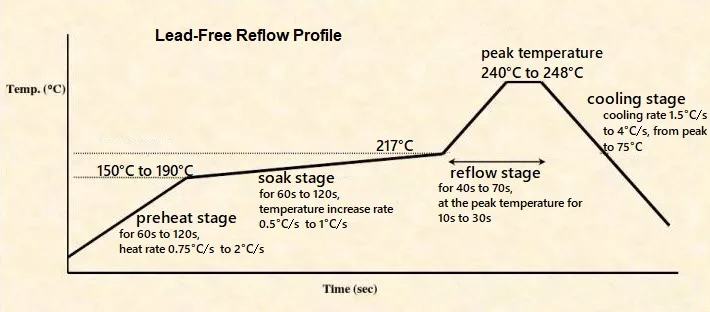
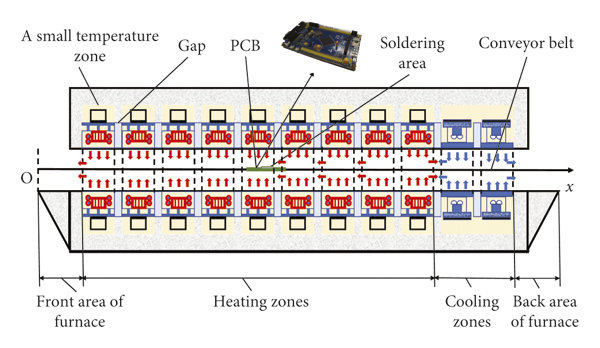
A thermal profile represents the temperature versus time curve experienced by the PCB assembly as it travels through the reflow oven. It consists of distinct phases: preheat, soak, reflow, and cooling, each critical to solder paste behavior and joint formation. During preheat, the assembly ramps up gradually to evaporate solvents and avoid thermal shock. The soak phase then stabilizes temperatures, activating flux and achieving thermal equilibrium across components. Reflow follows with a peak temperature to fully liquefy the solder alloy, while controlled cooling solidifies joints without inducing stresses. Deviations in any phase can trigger defects, making precise thermal profile analysis essential for troubleshooting.
This process matters profoundly in high-volume production, where even minor profile shifts amplify across thousands of boards. Poor profiles contribute to failures like incomplete wetting or voids, directly impacting product reliability and rework costs. Standards such as IPC-7530 provide guidelines for temperature profiling in mass soldering processes, emphasizing the need for data-driven verification. For electric engineers, mastering thermal profiles ensures compliance with assembly requirements and minimizes field returns. In essence, reflow soldering troubleshooting hinges on viewing the profile not as an oven recipe, but as a dynamic interaction between process, materials, and hardware.
Common Causes of Reflow Issues Linked to Thermal Profiles
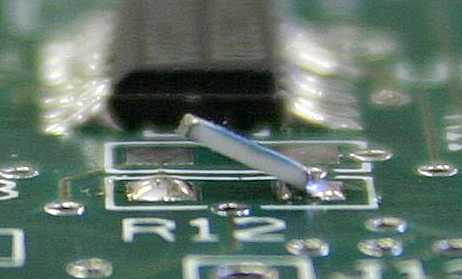
Reflow defects often stem from thermal imbalances, where the oven's setpoints fail to translate to uniform board heating. Component shadows from larger parts or dense ground planes can create cold spots, leading to insufficient solder melting and cold joints. Conversely, rapid ramps in the preheat phase cause uneven expansion, promoting tombstoning where smaller terminations lift due to vapor pressure differences. Inadequate soak times leave flux residues unactivated, resulting in poor wetting and bridging during reflow. Excessive peak temperatures or prolonged time above liquidus exacerbate intermetallic formation, weakening joints over time.
Board warpage introduces another layer of complexity, altering standoff heights and airflow exposure across zones. Thicker boards or high-aspect-ratio designs absorb heat slower, skewing profiles toward the bottom layers. Oven conveyor speed mismatches further distort the curve, compressing soak or reflow phases. These mechanisms underscore the value of pcb defect analysis through multi-point profiling, capturing variations at critical locations like corners, centers, and under large components. JEDEC J-STD-020 outlines reflow conditions for moisture-sensitive devices, highlighting how profile excursions risk popcorn cracking or delamination.
Advanced Thermal Profiling Techniques for Diagnosis
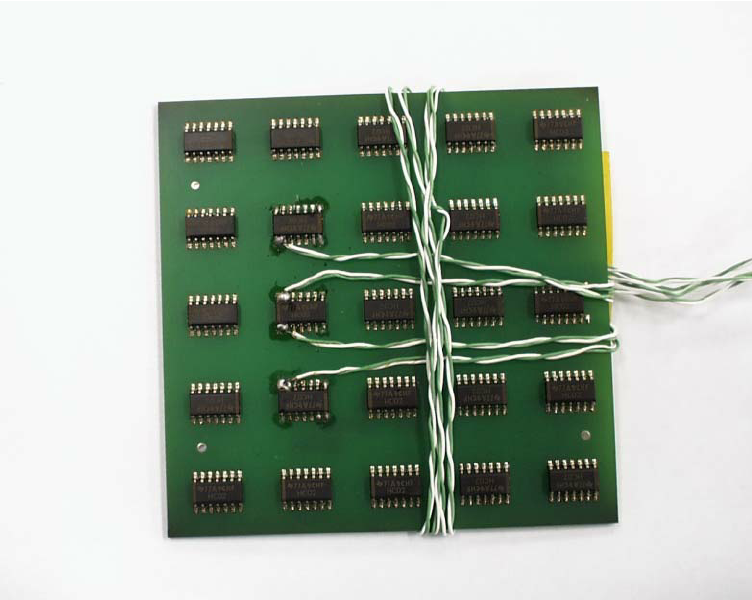
Advanced thermal profiling employs data loggers with multiple thermocouples strategically placed on the PCB to record temperatures at high resolution. Engineers attach sensors to bare board, paste-printed areas, smallest components, largest heat sinks, and board edges to map thermal gradients. Wireless profilers offer flexibility for high-volume lines, transmitting data without impeding conveyor flow. Post-reflow analysis software overlays measured profiles against ideal curves, quantifying deviations in ramp rates, soak duration, peak height, and time above liquidus. This granularity reveals oven partitioning issues or nitrogen atmosphere inconsistencies affecting heat transfer.
Integrating profiling into routine pcb defect analysis transforms reactive troubleshooting into proactive reflow oven optimization. Periodic baseline profiles, as recommended in IPC-7801 for reflow oven process control, establish process windows tailored to specific assemblies. Engineers adjust zone setpoints iteratively, verifying changes with subsequent runs to narrow tolerances. For complex boards, virtual profiling simulates profiles based on historical data, guiding sensor placement and reducing trial iterations. Such techniques ensure profiles align with solder paste specifications and component tolerances, minimizing smt rework.
Troubleshooting Specific Reflow Defects with Profile Data
Tombstoning frequently correlates with aggressive preheat ramps exceeding recommended limits, causing one termination to reflow prematurely while the other lags. Profile data shows this as a sharp temperature delta across the component; solutions involve extending preheat gently and verifying flux activity during soak. Solder bridging arises from excessive liquidus time or slow cooling, allowing molten solder to flow between pads; shortening peak exposure and accelerating cooling resolves this while preventing brittle joints.
Voids in solder joints signal trapped gases from incomplete solvent outgassing or flux volatilization, identifiable by profiles lacking sufficient soak plateau. Optimizing soak extends flux life, promoting even reflow without hotspots. For warpage-related defects, profiles reveal asymmetric heating; fixture supports or profile adjustments compensate for board bow. Head-in-pillow defects, where balls fail to collapse fully, trace to peak temperatures just below alloy liquidus; incremental increases guided by profiling data achieve proper wetting.
In a typical troubleshooting scenario, an assembly line experiences intermittent cold joints on fine-pitch QFNs. Profiling uncovers a 20-degree gradient from board center to edge due to uneven preheat zoning. Adjusting upstream zones and conveyor speed normalizes the curve, eliminating defects across runs. Similarly, bridging on BGAs prompts profile review, revealing prolonged reflow phase; nitrogen flow tweaks shorten it effectively. These cases illustrate how thermal profile analysis drives targeted reflow soldering troubleshooting, boosting first-pass yields.
Best Practices for Reflow Oven Optimization and SMT Rework Prevention
Establish a profiling protocol starting with new product introductions, capturing at least three runs to average variations. Select thermocouple types per IPC-7530 guidelines, ensuring minimal interference with airflow. Analyze data for key metrics: ramp uniformity, soak efficacy, reflow symmetry, and cooling slope. Correlate profiles with post-reflow inspections, using X-ray or cross-sectioning for internal void confirmation.
Optimize ovens by partitioning zones to match board thermal mass, prioritizing dense areas in reflow. Implement statistical process control with profile limits, alerting on excursions. For mixed assemblies, categorize profiles by board families to streamline setups. Train operators on profiler handling and software interpretation to embed this in daily operations. When defects persist, combine profiling with paste rheology checks and stencil validation for holistic reflow soldering troubleshooting.
Preventing smt rework begins upstream: select pastes with broad process windows and store per J-STD-020 moisture guidelines. Fixturing minimizes warpage, while edge rails ensure consistent exposure. Document optimized profiles as recipes, revisiting quarterly or after maintenance. This systematic reflow oven optimization sustains high reliability, reducing downtime and costs.
Conclusion
Advanced thermal profiling stands as an indispensable tool for dissecting reflow issues, bridging oven theory and assembly reality. By pinpointing thermal mismatches, engineers execute precise interventions, from zone recalibration to process window refinement. Integrating standards like IPC-7530 and J-STD-020 fortifies practices against defects, ensuring robust solder joints. Electric engineers benefit from this data-centric approach, elevating pcb defect analysis and reflow oven optimization to strategic levels. Ultimately, consistent thermal profile analysis minimizes smt rework, accelerates production, and upholds product integrity in demanding applications.
FAQs
Q1: What role does thermal profile analysis play in reflow soldering troubleshooting?
A1: Thermal profile analysis captures actual PCB temperatures during reflow, revealing deviations from ideal curves that cause defects like voids or tombstoning. Engineers use multi-point data to diagnose uneven heating from component density or oven zoning. This guides targeted adjustments, such as extending soak times for better flux activation. Overall, it transforms guesswork into verifiable process control, improving yields without extensive rework.
Q2: How can thermal profiling aid pcb defect analysis for common issues like bridging?
A2: Profiling identifies prolonged time above liquidus as a primary bridging cause, where excess molten solder flows between pads. Data shows cooling rates too slow to solidify joints promptly. Solutions involve shortening reflow peaks and enhancing cooling slopes per guidelines. This precise pcb defect analysis prevents recurrence, optimizing reflow for fine-pitch components.
Q3: What are key steps in reflow oven optimization using advanced profiling?
A3: Begin with baseline profiling across critical board locations to map thermal gradients. Compare against solder paste specs, adjusting zones for uniform ramps and peaks. Verify iteratively with repeat runs, incorporating IPC-7801 verification methods. Monitor conveyor speed and atmosphere for consistency. This reflow oven optimization ensures stable processes, reducing variability and smt rework needs.
Q4: Why is soak phase critical in preventing reflow defects during thermal profiling?
A4: The soak phase equalizes temperatures, fully activating flux to remove oxides and outgas volatiles, averting voids or non-wetting. Insufficient soak shows in profiles as rushed reflow transitions. Extending it per paste recommendations stabilizes the assembly. Thermal profile analysis confirms efficacy, integral to robust reflow soldering troubleshooting.
References
IPC-7530A — Guidelines for Temperature Profiling for Mass Soldering Processes. IPC.
IPC-7801 — Reflow Oven Process Control Standard. IPC, 2015.
IPC/JEDEC J-STD-020 — Moisture/Reflow Sensitivity Classification for Nonhermetic Surface Mount Devices. JEDEC.