Introduction
In aerospace applications, printed circuit board assemblies face unrelenting demands from extreme vibrations, rapid temperature swings, and long-term mechanical stresses. Solder joints serve as the critical links between components and the PCB, directly impacting mission success and safety. While lead-free solders dominate consumer electronics due to environmental regulations, leaded solder persists in high-reliability sectors like avionics and satellites. This choice stems from decades of proven performance in leaded solder aerospace applications, where failure rates must approach zero. Engineers designing or repairing these systems prioritize materials that deliver consistent reliability under harsh conditions. Understanding why leaded solder remains the benchmark helps optimize PCB designs for demanding environments.
What Is Leaded Solder and Why Does It Matter in Aerospace?
Leaded solder, typically alloys like Sn63Pb37, consists of tin and lead in precise eutectic ratios that yield a low melting point and sharp solidification. This composition ensures uniform joints without bridging or voids during reflow. In high-reliability PCBs, such as those in aircraft control systems or satellite electronics, leaded solder for high-reliability PCBs excels by forming ductile connections resistant to cracking. Aerospace standards demand solder that maintains integrity over thousands of cycles, far beyond typical commercial use. The material's track record in leaded solder aerospace applications underscores its role in preventing intermittent failures that could compromise flight safety. For electric engineers, selecting leaded solder means aligning with established performance baselines rather than risking unproven alternatives.
Regulatory exemptions, like those under RoHS for military and space sectors, allow continued use of leaded alloys precisely because of these reliability advantages. Without such provisions, transitioning to lead-free would introduce unacceptable risks in mission-critical hardware.
The Technical Principles Behind Leaded Solder's Superiority
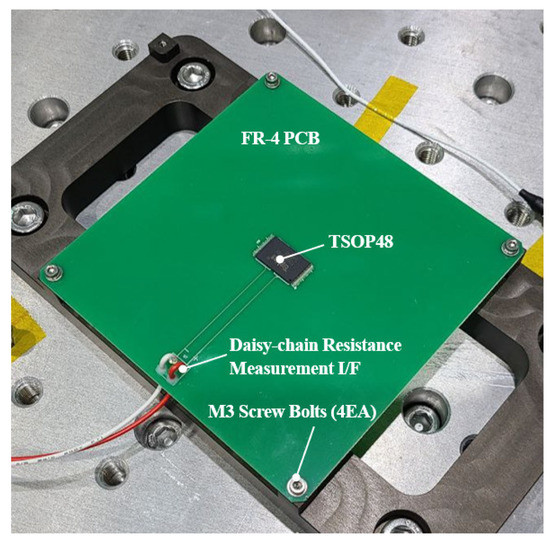
Leaded solder's microstructure provides superior ductility compared to lead-free alternatives, allowing joints to deform without fracturing under mechanical loads. This property shines in leaded solder vibration resistance, where high-frequency oscillations from engines or launches test joint endurance. Tin-lead alloys absorb energy through plastic deformation, distributing stress evenly across the joint. Lead-free solders, often tin-rich, tend to form brittle intermetallics that propagate cracks faster during vibration. Studies and field data confirm that Sn63Pb37 joints endure prolonged exposure without degradation, making them ideal for dynamic aerospace environments.
Thermal performance further cements leaded solder's dominance. In leaded solder extreme temperature performance scenarios, such as cryogenic satellite orbits or hot engine bays, tin-lead maintains joint integrity through compliant phase behavior. The alloy's lower modulus reduces fatigue from coefficient of thermal expansion mismatches between components and PCBs. Lead-free options suffer higher creep rates at elevated temperatures, leading to eventual voiding. IPC J-STD-001J outlines requirements for such soldered assemblies, emphasizing criteria that favor leaded solder in Class 3 high-reliability applications. Engineers must consider these mechanisms when specifying materials for PCBs exposed to -55°C to +125°C swings.
Another key factor is resistance to tin whisker growth, a notorious issue in pure tin finishes common with lead-free processes. Leaded solder inherently suppresses whisker formation by alloying tin with lead, preventing short circuits in vacuum or high-humidity space conditions. This reliability edge proves vital for leaded solder for satellite electronics, where maintenance is impossible post-launch.
Leaded Solder's Edge in Fatigue and Creep Resistance
Fatigue resistance defines long-term PCB reliability in aerospace, where solder joints cycle through millions of micro-strains. Leaded solder's two-phase structure, alpha and beta, enables strain redistribution, delaying crack initiation. In contrast, single-phase lead-free solders accumulate damage faster under isothermal or thermal mechanical loading. This difference becomes evident in accelerated life testing, where leaded joints outlast alternatives by significant margins in vibration-heavy profiles. For avionic systems, this translates to fewer field failures and extended service intervals.
Creep, the slow deformation under constant stress, poses risks in pressurized fuselages or orbital hardware. Sn63Pb37 exhibits lower steady-state creep rates due to its softer matrix, preserving electrical continuity over decades. IPC-A-610J provides acceptability criteria that validate these joints visually and functionally, ensuring compliance in production. Practical troubleshooting reveals that leaded solder repairs restore original performance without introducing weaknesses common in mixed-alloy rework.
Practical Best Practices for Implementing Leaded Solder
When assembling high-reliability PCBs, start with flux selection compatible with leaded alloys to achieve optimal wetting without residue. Hand soldering or selective reflow works well for prototypes, but wave soldering suits high-volume avionic runs. Preheat boards to minimize thermal shock, then apply Sn63Pb37 paste or wire at controlled profiles per IPC J-STD-001J guidelines. Post-solder cleaning with isopropyl alcohol removes activators, preventing corrosion in humid cockpits. Inspect joints for fillet formation and sheen, hallmarks of robust connections.
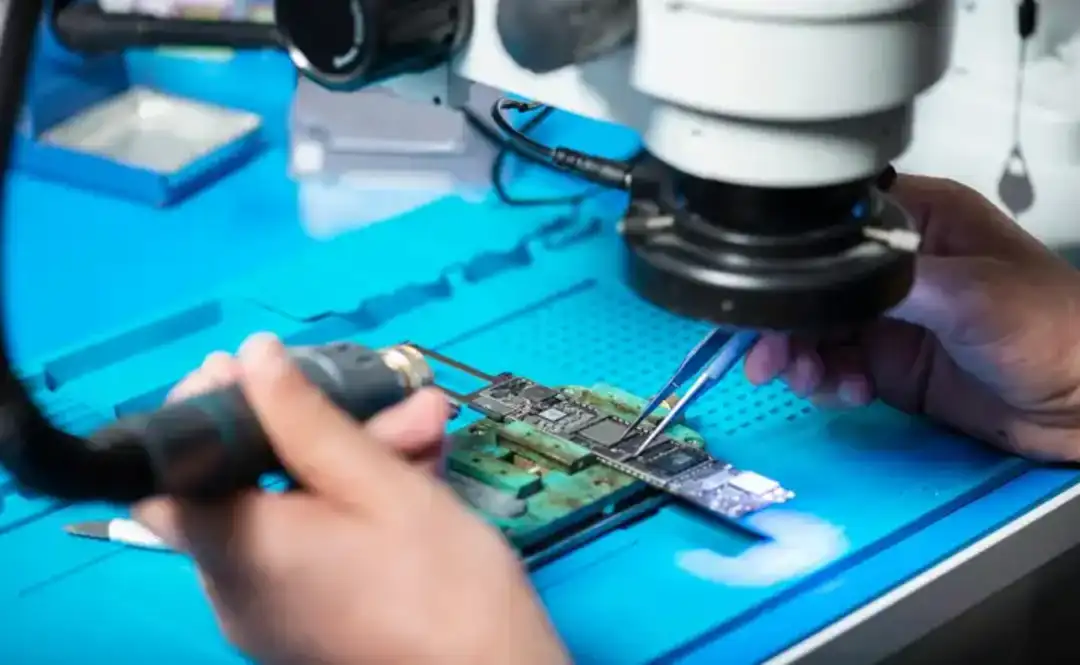
For avionic PCB repair with leaded solder, match the original alloy to avoid galvanic issues. Use drag soldering techniques for dense BGAs, feathering excess to ensure void-free fills. Thermal profiling prevents pad lifting on multilayer boards. Troubleshoot common issues like cold joints by reheating with hot air while monitoring temperature to stay below component limits. Document repairs with photos and continuity tests to meet traceability requirements.
In satellite electronics, potting or conformal coating over leaded joints enhances environmental protection. Vibration qualification involves shaker table runs simulating launch profiles, confirming joint stability.
Troubleshooting Insights from Field Applications
Engineers often encounter mixed assemblies where lead-free components meet leaded solder, risking intermetallic brittleness. Solution: Tin-lead compatible finishes on leads prevent this, as specified in assembly standards. Vibration failures manifest as high-resistance opens; diagnose with X-ray and shear testing to isolate bad joints. Rework with fresh Sn63Pb37 restores reliability, a common practice in legacy avionic fleets.
Satellite PCBs demand hermetic sealing, where leaded solder's ductility aids glass-to-metal transitions. Extreme temperature excursions cause delamination in lead-free; leaded versions flex without separating. Case insights from prolonged missions show zero solder-related anomalies in leaded designs versus emerging issues in experimental lead-free trials.
Conclusion
Leaded solder continues to reign in aerospace PCBs due to unmatched vibration resistance, thermal stability, and repairability. Alloys like Sn63Pb37 deliver the ductility and fatigue life essential for leaded solder aerospace applications and satellite electronics. While lead-free advances continue, current demands favor proven tin-lead for high-reliability PCBs. Electric engineers benefit from adhering to IPC standards, ensuring assemblies withstand real-world rigors. Prioritizing leaded solder unlocks the reliability that aerospace demands, safeguarding missions from solder-induced failures.
FAQs
Q1: Why choose leaded solder for high-reliability PCBs in aerospace over lead-free options?
A1: Leaded solder offers superior ductility and vibration resistance, crucial for enduring mechanical stresses in aircraft and satellites. Sn63Pb37 forms compliant joints that resist cracking during thermal cycling, unlike brittle lead-free alloys. IPC J-STD-001J criteria support its use in Class 3 assemblies, ensuring long-term performance without tin whiskers.
Q2: How does leaded solder demonstrate extreme temperature performance in avionic systems?
A2: Tin-lead alloys maintain structural integrity across wide thermal ranges due to their phase morphology, reducing creep and fatigue. This makes them ideal for leaded solder extreme temperature performance in engine bays or high-altitude exposures. Repairs match original properties, extending service life per industry acceptability standards.
Q3: What are best practices for avionic PCB repair with leaded solder?
A3: Match the original Sn63Pb37 alloy, use compatible flux, and profile temperatures to avoid pad damage. Inspect for uniform fillets post-rework, testing continuity under vibration simulation. This approach restores reliability in legacy systems exempt from lead-free mandates.
Q4: Is leaded solder vibration resistance proven for satellite electronics?
A4: Yes, leaded solder excels in high-frequency vibration tests, absorbing energy without crack propagation. Its use in leaded solder for satellite electronics prevents failures during launch and orbit, backed by decades of mission data and soldering standards.
References
IPC J-STD-001J — Requirements for Soldered Electrical and Electronic Assemblies. IPC, 2024
IPC-A-610J — Acceptability of Electronic Assemblies. IPC, 2024
IPC-6012DS — Qualification and Performance Specification for Rigid Printed Boards, Space and Military Avionics Applications. IPC, 2020