Introduction
Wave soldering remains a cornerstone process in through-hole PCB assembly, where printed circuit boards pass over a molten solder wave to form reliable electrical connections. Operating at temperatures around 250 to 270 degrees Celsius, the process activates fluxes and generates significant hazards that can affect operator health and facility integrity. Engineers must prioritize wave soldering safety equipment and protocols to mitigate risks like fume inhalation, burns, and fire outbreaks. Effective wave soldering fume extraction systems capture harmful vapors at the source, while machine safety features prevent accidents during high-volume production. This article explores wave soldering hazards, essential protections, and practical troubleshooting steps tailored for electrical engineers managing assembly lines. By integrating these measures, facilities can comply with industry standards like IPC J-STD-001 and safeguard personnel alongside equipment longevity.
Key Wave Soldering Hazards and Their Mechanisms
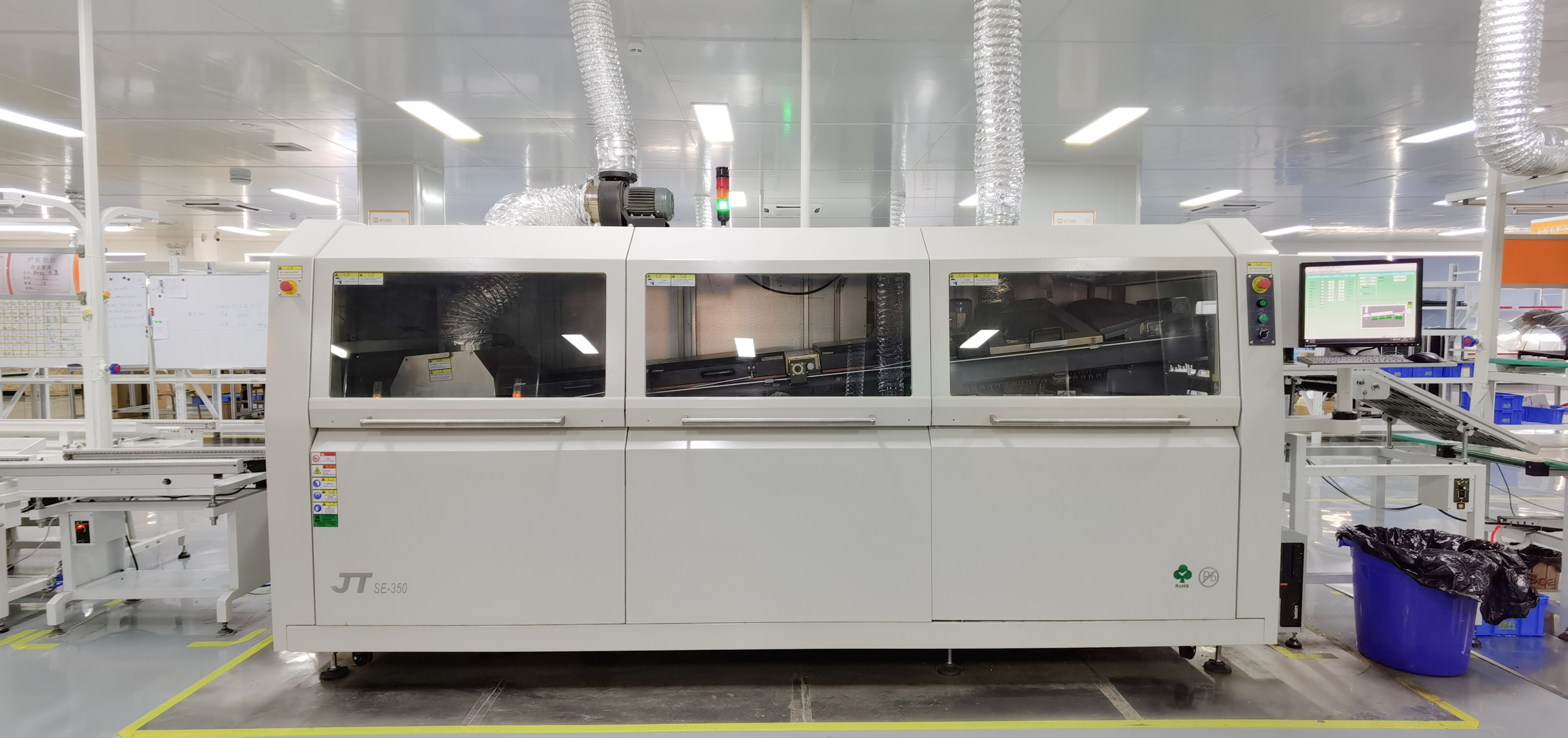
Wave soldering hazards stem primarily from thermal, chemical, and physical interactions during flux application, preheating, and solder immersion. Fluxes, often containing rosin or colophony, thermally decompose above 200 degrees Celsius, releasing irritant fumes that cause eye, throat, and lung issues, with repeated exposure leading to occupational asthma or skin sensitization. Molten solder pots pose burn risks from splashes or "spitting," exacerbated by impurities or improper dross removal, while electrical faults in heaters or conveyors introduce shock hazards. Fire risks arise from flammable flux residues igniting near hot surfaces, and in leaded solder setups, surface contamination enables ingestion despite low airborne lead levels. These mechanisms demand targeted interventions, as unchecked exposure compromises operator productivity and triggers regulatory scrutiny. Electrical engineers should map hazard zones around the fluxer, preheat tunnel, and solder pot to inform safety zoning.
Wave Soldering Fume Extraction: Engineering the First Line of Defense
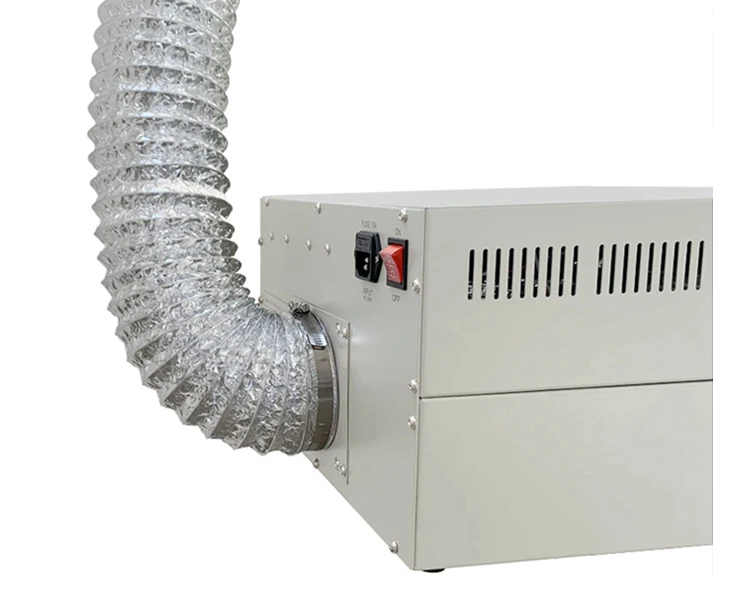
Wave soldering fume extraction is non-negotiable for maintaining air quality, as vapors from flux activation contain particulates and gases that linger without proper capture. Systems employ high-velocity hoods or tip extractors positioned directly over the solder wave, drawing contaminants through HEPA and activated carbon filters before exhausting outdoors or recirculating cleaned air. Engineers optimize capture velocity at 100 to 150 linear feet per minute, adjusting hood geometry to minimize escape paths amid conveyor motion. Inadequate extraction leads to visible plumes reducing visibility and increasing respiratory complaints, underscoring the need for annual flow testing and filter logging. Integrating variable-speed fans aligns extraction with production rates, conserving energy while ensuring consistent performance. For multi-lane setups, ducted central systems outperform portable units by handling higher volumes without cross-contamination.
Essential Wave Soldering Safety Equipment for Operators
Beyond ventilation, wave soldering safety equipment encompasses personal protective gear tailored to specific threats. Operators require safety glasses with side shields to counter solder spits, heat-resistant gloves for handling skimmers or adjustments, and respirators fitted for organic vapor cartridges during maintenance. Flame-retardant lab coats of 100 percent cotton cover skin from splashes, while steel-toed boots prevent foot injuries from dropped tools. Facilities should stock kits with burn dressings and eye wash stations nearby, as first response cuts injury severity. Electrical engineers verify PPE compatibility with processes, like non-static gloves for ESD-sensitive boards. Routine fit-testing and inventory audits ensure readiness, turning equipment into proactive barriers.
Wave Soldering Machine Safety Features: Built-in Protections
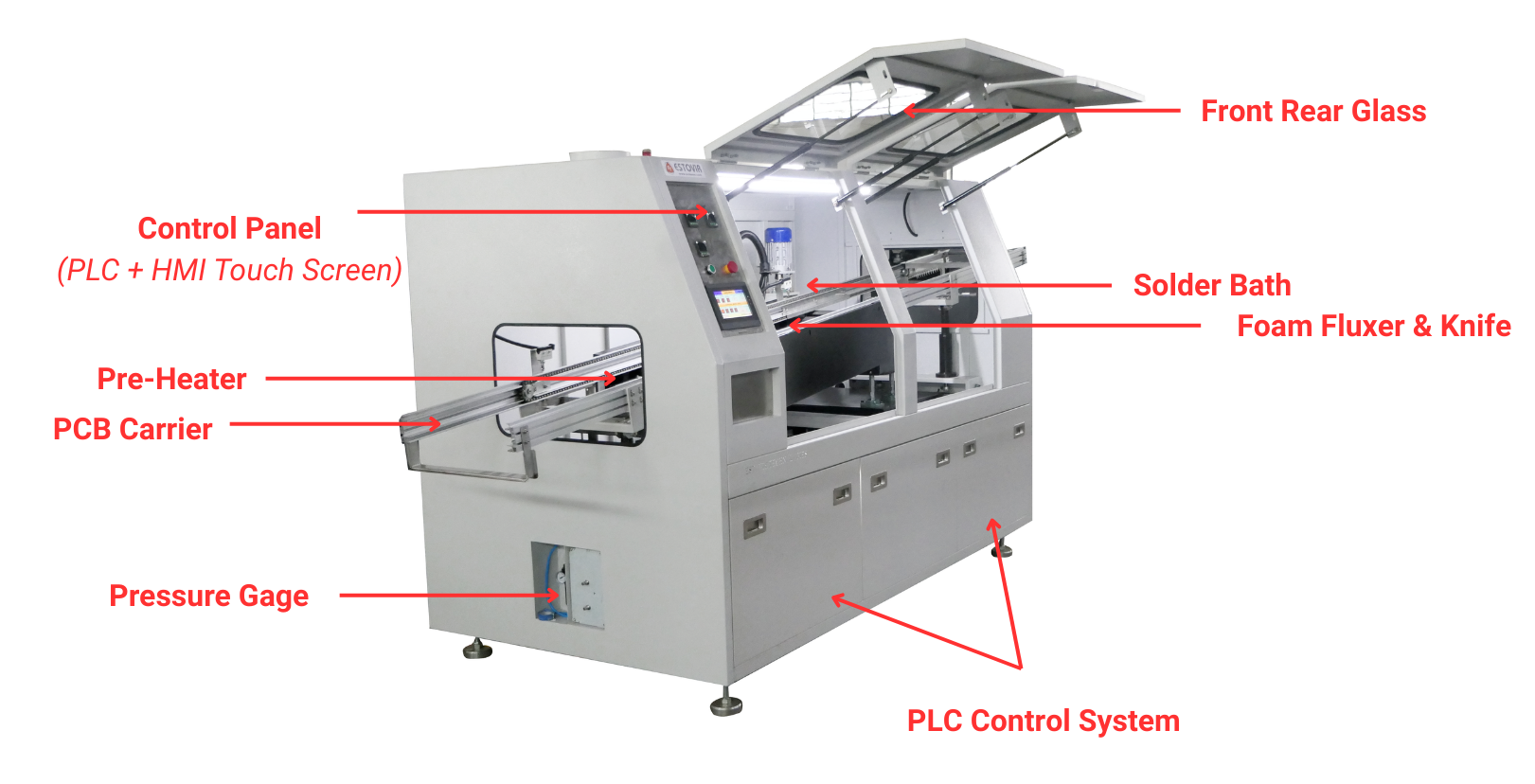
Modern wave soldering machines incorporate safety features like interlocked guards on access panels, halting operations if breached to prevent contact with the solder pot. High-temperature thermostats trigger automatic shutdowns if pots exceed safe limits, averting fires from flux ignition. Emergency stop buttons at key stations enable instant conveyor halts, while nitrogen blanketing reduces oxidation and fume intensity in lead-free setups. Conveyor misalignment sensors and flux spray containment minimize bridging hazards that could spark shorts. Compliance with IPC J-STD-001 process controls reinforces these features by standardizing flux volumes and preheat profiles, indirectly bolstering safety. Engineers troubleshoot via PLC diagnostics, logging faults to preempt failures.
Best Practices and Troubleshooting for Comprehensive Protection
Implement daily housekeeping to wipe lead residues from surfaces, paired with hand-washing stations to curb ingestion risks post-shifts. Train operators on flux compatibility per IPC-A-610J acceptability criteria, favoring low-rosin alternatives to slash fume loads. Preheat PCBs uniformly to avoid thermal shocks stressing components and splashing solder. During troubleshooting, inspect extraction ducts for blockages if plumes persist, recalibrating fans accordingly. Schedule PAT testing for electrical components and simulate emergency drills quarterly. These steps, aligned with J-STD-001, yield defect-free runs while embedding safety.
- Excessive Fumes - Verify hood capture velocity; replace HEPA filters - Clear air, no visible vapor
- Solder Splashes - Check dross skimming; adjust wave height - Reduced spits, cleaner pots
- Burn Incidents - Audit PPE usage; reinforce guard interlocks - Zero contact injuries
- Fire Alerts - Test thermostats; purge flux residues - Stable temps, no ignitions
Advanced Troubleshooting: Real-World Scenarios
In high-mix production, flux mismatches cause bridging and excess fumes; revert to validated recipes per IPC-TR-460 checklists. If extraction alarms trigger, isolate lanes to pinpoint clogs, bypassing only after confirming backups. Post-lead-free transition, monitor pot corrosion accelerating maintenance cycles, applying coatings proactively. Engineers log metrics like downtime from safety trips, refining protocols iteratively. These insights prevent recurrence, optimizing uptime.
Conclusion
Prioritizing wave soldering safety through robust fume extraction, dedicated equipment, and machine features protects operators from chronic respiratory threats and acute injuries while preserving facility assets. Adhering to standards like IPC J-STD-001 and IPC-A-610J ensures processes yield reliable assemblies without compromising health. Electrical engineers drive this by integrating diagnostics, training, and audits into workflows. Proactive measures not only meet compliance but elevate production efficiency long-term.
FAQs
Q1: What are the primary wave soldering hazards operators face?
A1: Wave soldering hazards include flux fumes irritating lungs and eyes, molten solder burns from splashes, and potential lead ingestion via contaminated surfaces. Electrical shocks from faulty components and fire risks from residues compound these. Wave soldering fume extraction and PPE mitigate most effectively, with housekeeping preventing buildup.
Q2: How does wave soldering fume extraction improve facility safety?
A2: Wave soldering fume extraction captures rosin vapors and particulates at the source using HEPA-filtered hoods, preventing asthma and reducing visibility issues. Venting outdoors or filtering for recirculation maintains air quality during continuous runs. Regular testing ensures efficacy, aligning with best practices for operator protection.
Q3: What wave soldering machine safety features are must-haves?
A3: Essential wave soldering machine safety features encompass interlocked guards, emergency stops, and over-temperature shutdowns to halt operations during faults. Nitrogen purging cuts fumes, while sensors detect conveyor issues early. These prevent accidents, supporting compliance in high-throughput environments.
Q4: What PPE is recommended for wave soldering operators?
A4: Operators need safety glasses against spits, heat-resistant gloves, and cotton lab coats for burn protection in wave soldering. Respirators handle residual fumes, with steel-toed boots for drops. Fit-testing and daily checks ensure reliability alongside wave soldering safety equipment.
References
IPC J-STD-001G - Requirements for Soldered Electrical and Electronic Assemblies. IPC, 2017
IPC-A-610J - Acceptability of Electronic Assemblies. IPC, 2024
IPC-TR-460 - Trouble-Shooting Checklist for Wave Soldering Printed Wiring Boards. IPC