Introduction
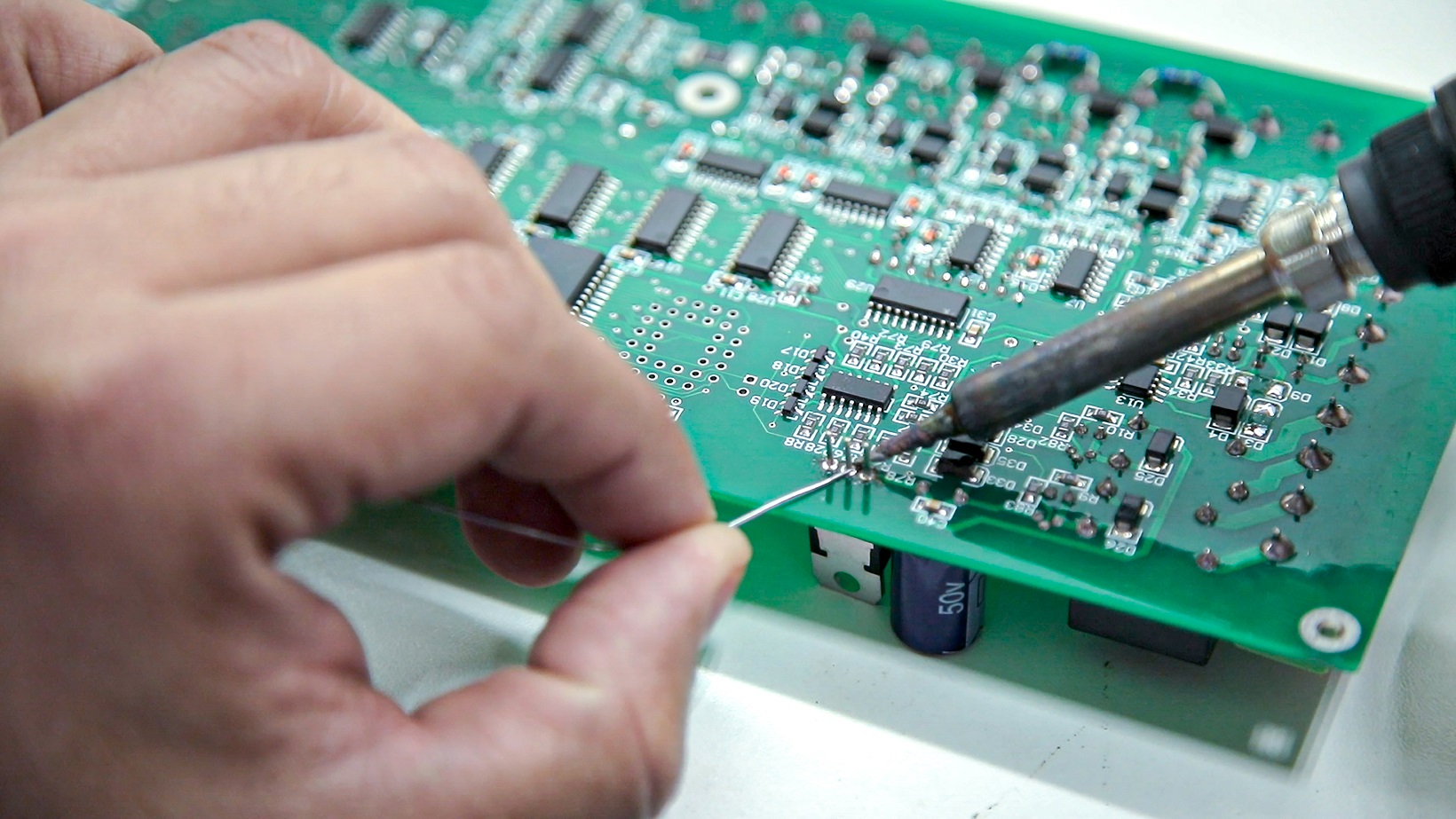
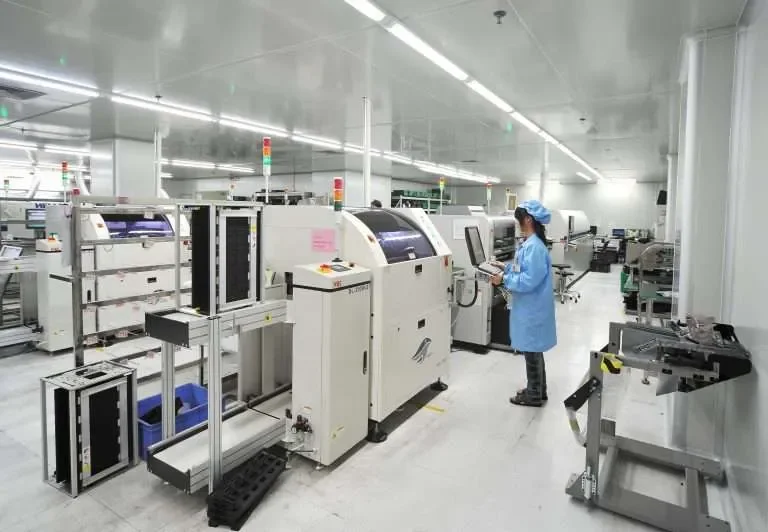
Mini-wave solder nozzles play a critical role in selective soldering processes within the electronics manufacturing industry. These specialized tools are designed to deliver precise, directional flow of molten solder to specific areas on a printed circuit board (PCB), ensuring high-quality connections for through-hole components and complex SMT arrays. With advancements like magnetically coupled nozzles enabling rapid changeover, they have become indispensable for modern assembly lines. This article explores the technical aspects, practical applications, and best practices surrounding mini-wave solder nozzles. Aimed at electrical engineers, the content provides detailed insights into their functionality and relevance in achieving efficient, reliable soldering outcomes while adhering to industry standards.
What Are Mini-Wave Solder Nozzles and Why Do They Matter
Mini-wave solder nozzles are precision components used in selective soldering machines to apply solder to designated points on a PCB. Unlike traditional wave soldering, which immerses an entire board in a solder wave, selective soldering with mini-wave nozzles targets specific areas, making it ideal for mixed-technology boards with both surface-mount technology (SMT) and through-hole components. The directional flow of solder ensures accurate application, minimizing defects like bridging or insufficient wetting.
Their importance lies in addressing the challenges of modern PCB designs, which often feature dense SMT arrays and intricate layouts. By providing controlled solder flow, these nozzles enhance joint reliability and reduce thermal stress on sensitive components. For electrical engineers, understanding their role is essential for optimizing assembly processes, improving yield rates, and meeting stringent quality standards in electronics production.
Related Reading: PCB Assembly and Soldering: Choosing the Right Soldering Technique
Technical Principles of Mini-Wave Solder Nozzles
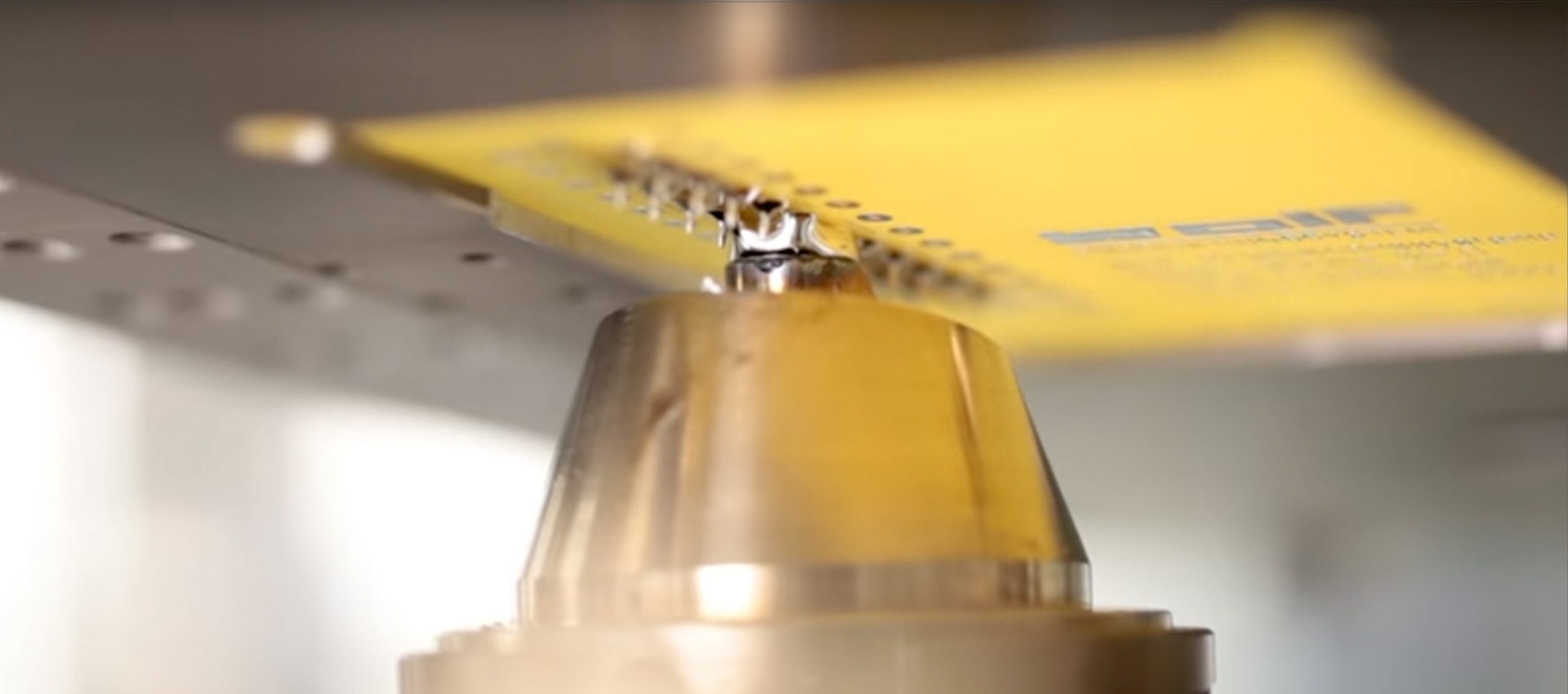
Mini-wave solder nozzles operate on the principle of creating a small, controlled wave of molten solder that flows through a nozzle tip. This wave is directed precisely to the target area, often a through-hole pin or a specific pad on an SMT array. The directional flow is achieved through the nozzle's internal design, which channels the solder in a consistent stream or wave pattern, ensuring uniform application.
One key innovation in this field is the use of magnetically coupled nozzles. These designs allow the nozzle to be attached and detached from the soldering system without mechanical fasteners, relying instead on magnetic forces for secure positioning. This mechanism facilitates rapid changeover between different nozzle sizes or types, reducing downtime during production shifts. The ability to quickly adapt to varying board designs or component requirements is a significant advantage in high-mix, low-volume manufacturing environments.
The nozzles are typically made from materials resistant to high temperatures and corrosion caused by molten solder. Their geometry is engineered to maintain a stable solder wave height, which is critical for soldering components with longer pins or complex arrangements. According to standards like IPC J-STD-001H, which governs requirements for soldered electrical and electronic assemblies, precise control over solder application is vital for achieving acceptable joint quality.
Applications in SMT Arrays and Mixed-Technology Boards
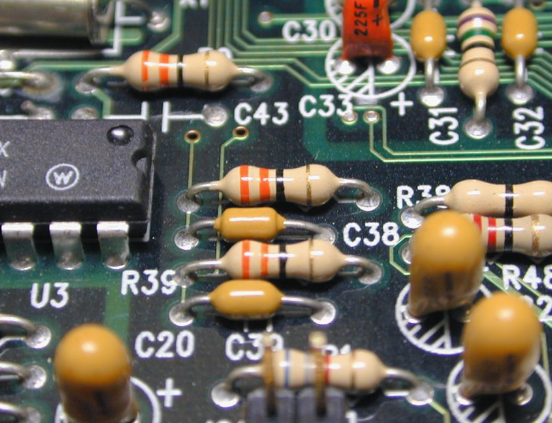
Mini-wave solder nozzles are particularly effective for soldering SMT arrays and mixed-technology boards, where precision is paramount. In SMT arrays, components are densely packed, leaving little room for error. The directional flow of solder ensures that only the intended pads or pins are coated, avoiding excess solder that could cause shorts or bridging between adjacent connections.
For mixed-technology boards, which combine SMT and through-hole components, these nozzles allow selective soldering of through-hole pins without disturbing nearby surface-mounted parts. This targeted approach minimizes thermal exposure to heat-sensitive components, a concern highlighted in standards such as IPC-A-610H, which outlines acceptability criteria for electronic assemblies. Engineers can rely on mini-wave nozzles to achieve consistent results, even on boards with varying component heights or complex layouts.
Benefits of Magnetically Coupled Nozzles and Rapid Changeover
The integration of magnetically coupled nozzles in selective soldering systems has transformed operational efficiency. Traditional nozzle replacement often required tools and significant time to adjust or secure the component. In contrast, magnetically coupled designs snap into place with minimal effort, enabling rapid changeover between different nozzle configurations. This feature is invaluable in production settings where frequent adjustments are needed to accommodate diverse PCB designs.
Rapid changeover reduces machine downtime, allowing engineers to maintain high throughput without compromising quality. It also minimizes the risk of misalignment during nozzle installation, as the magnetic coupling ensures precise positioning. For facilities adhering to quality management principles outlined in ISO 9001:2015, such innovations contribute to consistent process control and reduced variability in soldering outcomes.
Practical Solutions for Optimizing Mini-Wave Solder Nozzle Performance
To maximize the effectiveness of mini-wave solder nozzles, electrical engineers must consider several best practices during setup and operation. Below are actionable guidelines to ensure optimal performance:
- Nozzle Selection: Choose a nozzle size and design suited to the specific component and board layout. Smaller nozzles are ideal for tight SMT arrays, while larger ones may be necessary for broader through-hole applications.
- Temperature Control: Maintain solder bath temperatures within the ranges specified by standards like IPC J-STD-006C, which addresses requirements for electronic grade solder alloys. Proper thermal management prevents issues like cold joints or component damage.
- Flow Adjustment: Calibrate the directional flow to match the target area. Excessive flow can lead to solder bridging, while insufficient flow may result in incomplete wetting.
- Regular Maintenance: Clean nozzles periodically to remove oxide buildup or debris that could disrupt solder flow. This practice aligns with the cleanliness requirements in IPC-A-600K for printed board acceptability.
- Process Validation: Use thermal profiling and inspection techniques to verify solder joint quality, ensuring compliance with IPC J-STD-001H criteria for soldered assemblies.
Implementing these practices helps engineers achieve reliable soldering results, especially in high-stakes applications where failure is not an option.
Troubleshooting Common Issues with Mini-Wave Solder Nozzles
Even with proper setup, challenges can arise during the use of mini-wave solder nozzles. Below are common issues and their solutions, tailored for electrical engineers troubleshooting assembly lines:
- Inconsistent Solder Flow: If the directional flow fluctuates, check for blockages in the nozzle or improper pump settings in the soldering machine. Cleaning the nozzle and recalibrating the system often resolves this.
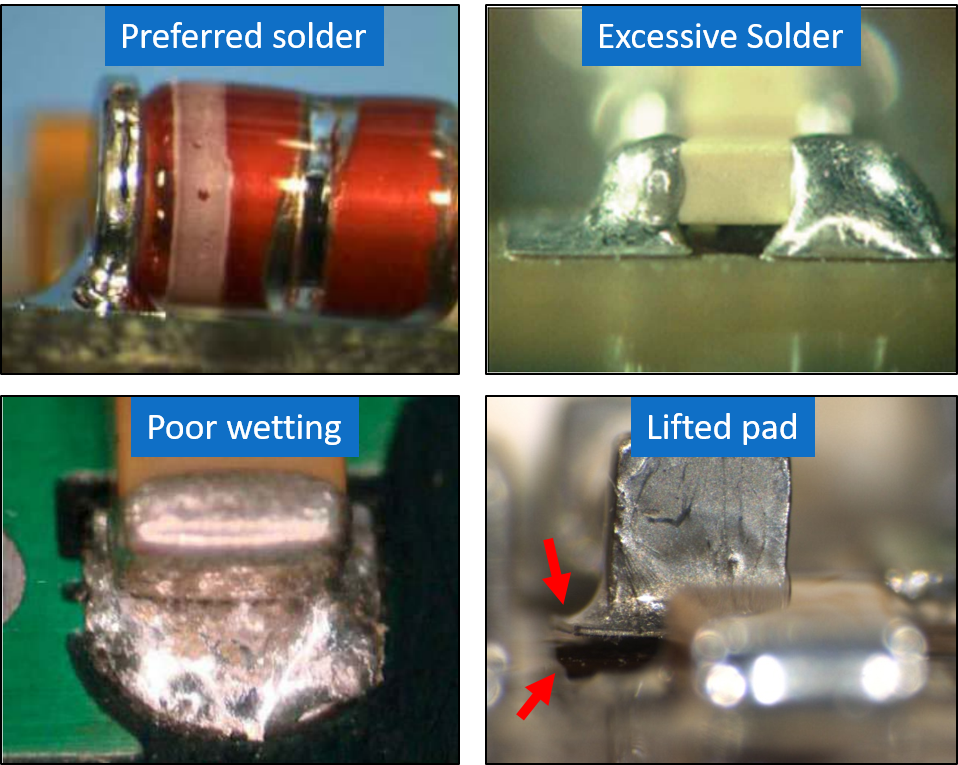
- Solder Bridging in SMT Arrays: This occurs when excess solder connects adjacent pads. Reducing the flow rate or adjusting the nozzle angle can mitigate this risk, ensuring compliance with defect criteria in IPC-A-610H.
- Insufficient Wetting: If solder fails to adhere properly to pins or pads, verify the preheat temperature of the board. Inadequate preheating, as noted in IPC J-STD-001H, can prevent proper solder joint formation.
- Nozzle Wear: Over time, nozzles may degrade due to exposure to high temperatures and corrosive fluxes. Regular inspection and timely replacement prevent quality issues.
Addressing these challenges promptly ensures consistent performance and maintains the integrity of the soldering process.
Related Reading: Troubleshooting Wave Soldering Defects: A Guide for PCB Assembly Engineers
Conclusion
Mini-wave solder nozzles are a cornerstone of selective soldering, offering precision and efficiency for modern PCB assembly. Their ability to deliver directional flow makes them ideal for complex SMT arrays and mixed-technology boards, while features like magnetically coupled nozzles enable rapid changeover, minimizing production downtime. By understanding their technical principles and adhering to best practices, electrical engineers can optimize soldering processes and achieve reliable, high-quality results. Standards such as IPC J-STD-001H and IPC-A-610H provide essential guidance for ensuring compliance and performance. With proper implementation, these nozzles contribute significantly to the success of electronics manufacturing.
FAQs
Q1: How does directional flow improve soldering in SMT arrays?
A1: Directional flow in mini-wave solder nozzles ensures solder is applied precisely to targeted pads in SMT arrays. This controlled application prevents excess solder from causing bridging between closely spaced components. It enhances joint reliability and reduces defects, aligning with quality standards like IPC-A-610H for electronic assemblies. Engineers can achieve consistent results even on densely populated boards.
Q2: What are the advantages of magnetically coupled nozzles in production?
A2: Magnetically coupled nozzles offer significant benefits by enabling rapid changeover without tools, reducing downtime in production. Their secure, precise attachment minimizes misalignment risks. This efficiency is crucial for high-mix manufacturing, allowing quick adaptation to different board designs while maintaining process consistency as outlined in ISO 9001:2015 quality management principles.
Q3: How does rapid changeover impact assembly line efficiency?
A3: Rapid changeover, facilitated by magnetically coupled nozzles, allows swift transitions between nozzle types or sizes, minimizing production interruptions. This capability boosts throughput, especially in environments with varied PCB designs. It ensures engineers maintain high efficiency without sacrificing quality, supporting streamlined operations in compliance with industry expectations for process control.
Q4: What standards govern the use of mini-wave solder nozzles for SMT soldering?
A4: Standards like IPC J-STD-001H for soldered assemblies and IPC-A-610H for acceptability of electronic assemblies are critical. They define requirements for solder joint quality, thermal management, and defect prevention in SMT soldering. Adhering to these ensures reliable outcomes when using mini-wave solder nozzles in selective soldering processes.
References
IPC J-STD-001H - Requirements for Soldered Electrical and Electronic Assemblies. IPC, 2021.
IPC-A-610H - Acceptability of Electronic Assemblies. IPC, 2021.
IPC-A-600K - Acceptability of Printed Boards. IPC, 2020.
IPC J-STD-006C - Requirements for Electronic Grade Solder Alloys and Fluxed and Non-Fluxed Solid Solders for Electronic Soldering Applications. IPC, 2013.
ISO 9001:2015 - Quality Management Systems. ISO, 2015.