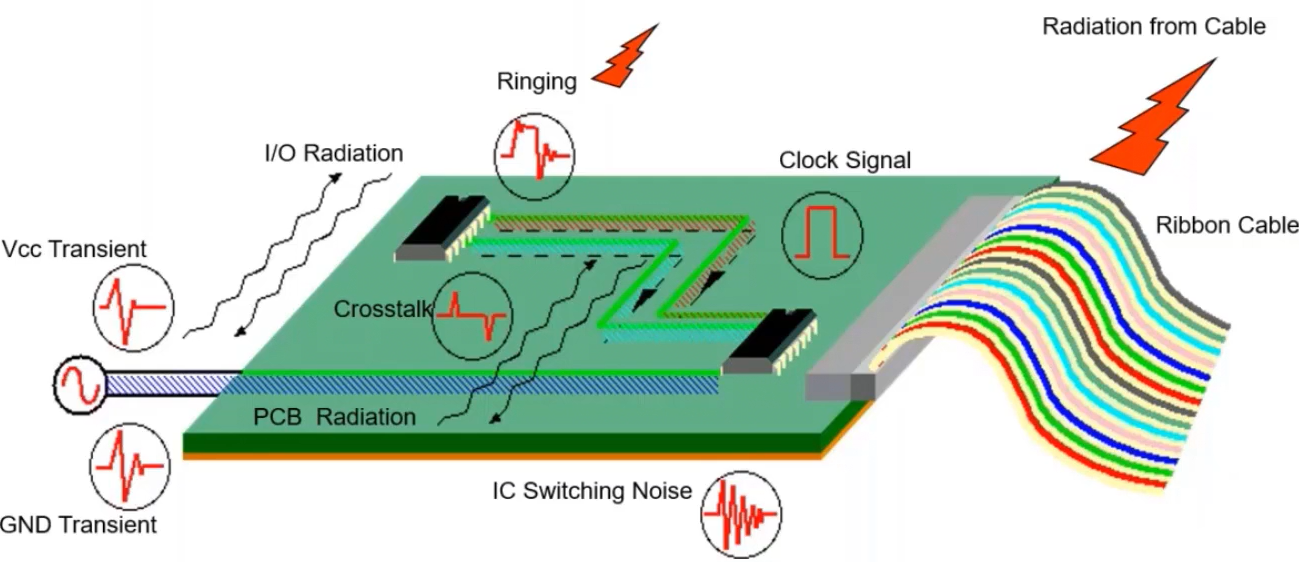
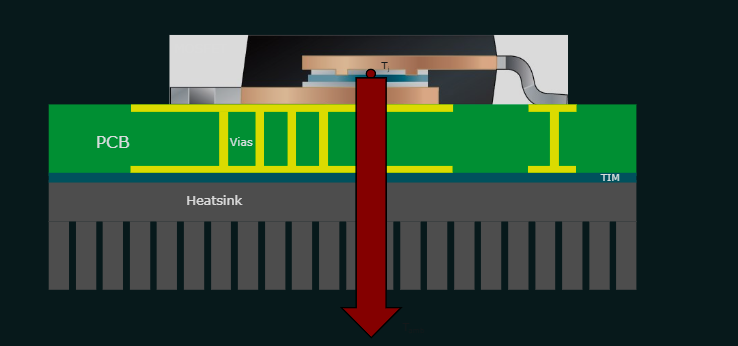
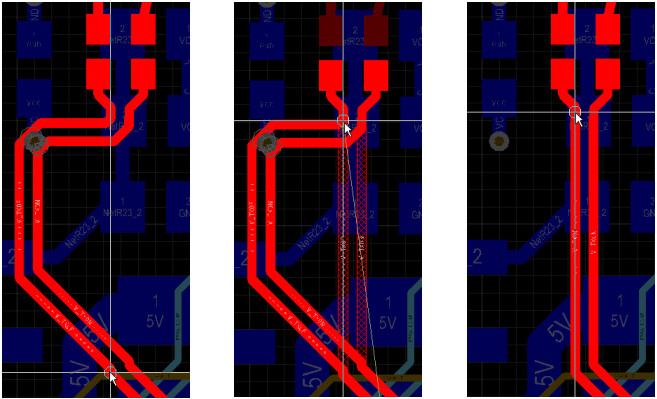
Introduction
In the fast-paced world of PCB design, electric engineers face mounting pressure to deliver reliable boards that meet stringent production demands. Automated PCB design review has emerged as a critical process, integrating DRC (design rule check), DFM (design for manufacturability), and DFA (design for assembly) to catch issues early. These checks ensure designs transition smoothly from concept to fabrication and assembly without costly rework. By leveraging software-driven analysis, engineers can validate compliance against established rules, reducing iteration cycles and enhancing overall quality. This approach not only streamlines workflows but also aligns with industry expectations for precision in high-density interconnects and complex multilayer boards. As boards grow more intricate, an online PCB checker becomes indispensable for maintaining manufacturability and assemblability.
What Is Automated PCB Design Review and Why It Matters
Automated PCB design review refers to software systems that systematically analyze PCB layout files, such as Gerber or ODB++, against predefined rule sets. These tools perform DRC to verify electrical and physical clearances, DFM to assess fabrication feasibility, and DFA to evaluate assembly efficiency. For electric engineers, this means catching violations like inadequate trace spacing or suboptimal component placement before prototyping. The relevance stems from the high cost of downstream errors; a single DFM oversight can lead to yield losses exceeding 20 percent in production runs. Moreover, with shrinking geometries and higher layer counts, manual reviews fall short, making PCB automated review essential for scalability. Ultimately, it empowers teams to focus on innovation rather than firefighting fabrication hurdles.
Industry standards like IPC-2221C underscore the need for such rigorous checks by outlining generic guidelines for printed board design, including aspects of DFM and DFA. Compliance with these ensures boards perform reliably under operational stresses. Engineers benefit from reduced time-to-market, as automated feedback accelerates design convergence. In collaborative environments, sharing review reports fosters better communication between design and manufacturing teams.
Core Components: DRC, DFM, and DFA Explained
DRC (design rule check) forms the foundation of PCB automated review, scanning for violations in spacing, width, and netlist integrity. It flags issues such as trace-to-trace clearances below minimums or unconnected nets that could cause shorts or opens. Electric engineers rely on DRC to enforce layer-specific rules, ensuring signal integrity in high-speed designs. Beyond basics, advanced DRC includes annular ring checks on vias and pads to prevent drill breakout.
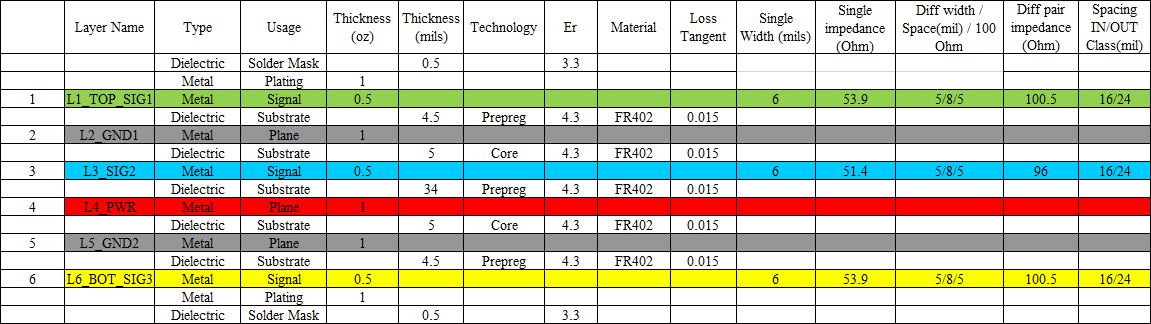
DFM (design for manufacturability) extends to fabrication constraints, evaluating panelization, scoring, and material interactions. It identifies risks like excessive copper density leading to plating imbalances or thin copper features prone to etching undercuts. Tools assess stackup viability, flagging unsupported aspect ratios for vias that complicate drilling. Proper DFM analysis prevents warpage from asymmetric lamination and ensures solder mask alignment over fine-pitch traces.
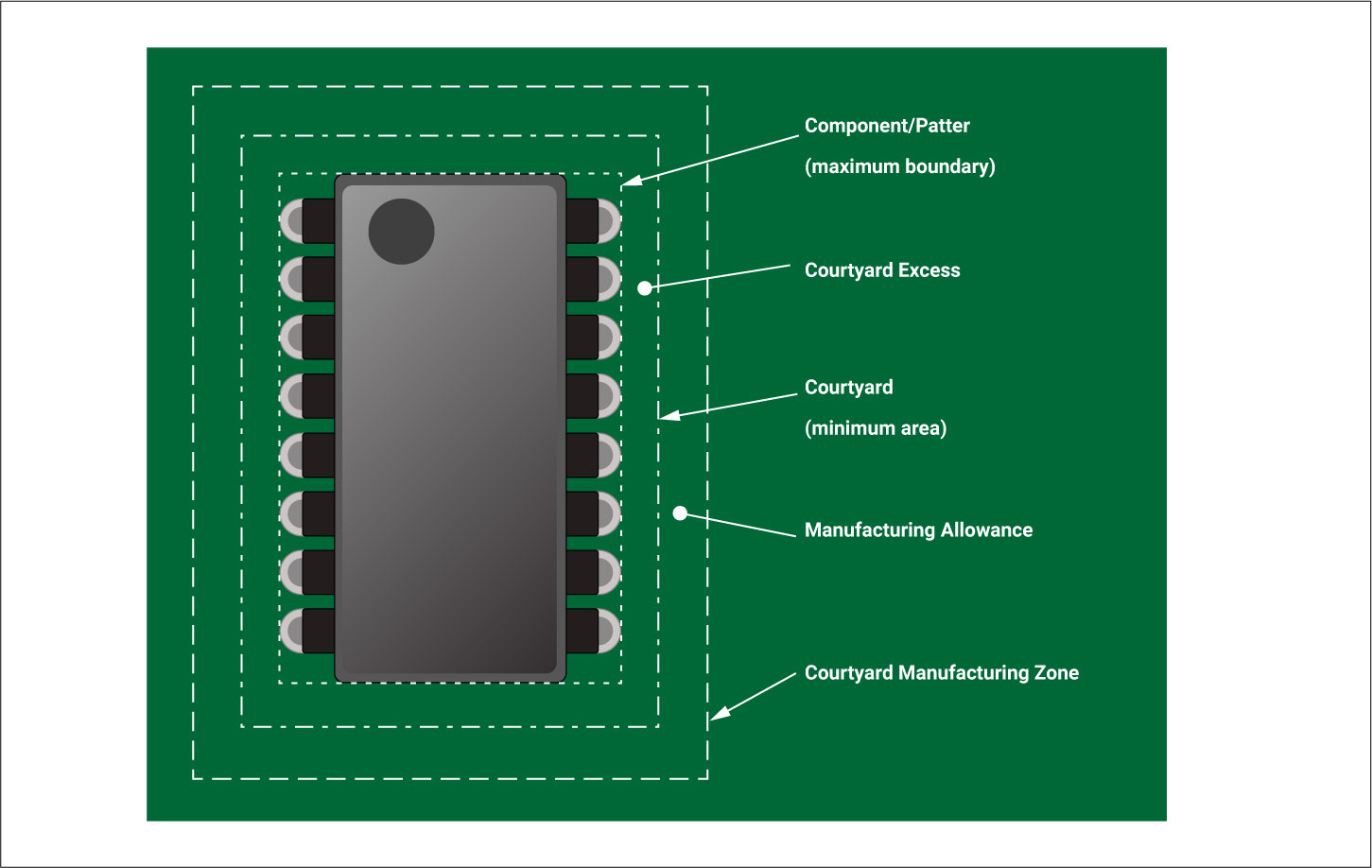
DFA (design for assembly) targets SMT and through-hole processes, scrutinizing component orientation, fiducial placement, and solder joint geometry. It checks for sufficient clearances around tall components to avoid stencil printing shadows and verifies paste mask apertures for optimal volume. Engineers use DFA to optimize pick-and-place paths, minimizing head travel and rotation errors. Standards such as IPC J-STD-001J provide criteria for soldered joints, which automated tools reference to predict assembly defects.
Technical Principles Behind Automated PCB Review
At its core, automated PCB review parses input files to reconstruct the board geometry, nets, and stackup. Rule decks, configurable by engineers, define parameters like minimum trace width or via-to-via spacing based on capabilities. The system overlays design elements against these rules, generating violation polygons or heatmaps for visualization. For DRC, algorithms compute clearances using Manhattan or Euclidean distances, accounting for manufacturing tolerances.
DFM principles involve process simulations, such as etch compensation models that predict feature loss during chemical processing. Tools evaluate copper balance across layers to maintain uniform plating currents, preventing voids in filled vias. Thermal modeling checks for hotspots from dense power planes, aligning with performance specs in IPC-6012F. These checks simulate fabrication flows, from lamination to final finish application.
DFA employs placement optimization heuristics, scoring layouts for component density and access angles. Solder paste inspection rules verify aperture reductions for QFNs to avoid bridging, while reflow profile predictions assess joint formation. Integration with bill-of-materials data flags unsupported packages or polarity mismatches. Overall, the modular architecture allows stacking checks hierarchically, prioritizing critical violations.
Implementing Automated Review: Practical Best Practices
To integrate PCB automated review effectively, start by defining a comprehensive rule set tailored to your fab house's capabilities. Upload Gerber sets, drill files, and stackup notes to an online PCB checker for instant feedback. Iterate designs by addressing high-priority DRC errors first, then refining DFM and DFA. Always verify impedance targets with field solver tie-ins during review.
Best practices include running checks at multiple milestones: post-routing, post-ECO, and pre-tapeout. Collaborate by exporting annotated PDFs with waiver requests for non-critical issues. Customize rules for class levels per IPC standards, opting for Class 3 where reliability demands it. Regularly update rule decks with fab feedback to reflect evolving processes like LDI exposure.
For multilayer boards, validate sequential lamination schemes in DFM to avoid blind via stubs. In DFA, ensure fiducials are at least 1mm diameter, placed asymmetrically for machine vision. Post-review, perform a sanity check on netlist extraction to confirm no gremlins slipped through.
Common Challenges and Troubleshooting Insights
One common challenge in PCB automated review is false positives from overly conservative rules, wasting engineer time on non-issues. Mitigate by calibrating tolerances with historical fab data and using waiver workflows. Stackup mismatches often trip DFM checks; cross-verify with fab-provided templates early. For DFA, polar components in tight arrays can flag orientation conflicts, resolved by 90-degree rotations or panelization tweaks.
High-speed designs introduce DRC complexities like length matching and crosstalk budgets. Tools may overlook coupled noise if rules lack frequency dependencies; supplement with SI simulations. Asymmetric boards risk warpage in DFM, addressed by core balance adjustments. Troubleshooting involves drill-down views, where engineers isolate layers or nets for targeted fixes.
In online PCB checkers, file format inconsistencies cause parse errors; standardize on RS-274X Gerbers with embedded apertures. When DFA flags solder volume deficits, adjust paste compensation factors iteratively.
Conclusion
Automated PCB design review revolutionizes workflows for electric engineers by embedding DRC, DFM, and DFA into the design loop. It minimizes risks, ensures standard compliance, and accelerates production readiness. By adopting these tools, teams achieve higher yields and reliability without sacrificing innovation. Embrace online PCB checkers as allies in crafting manufacturable, assemblable boards that perform flawlessly.
FAQs
Q1: What is PCB automated review, and how does it incorporate DRC?
A1: PCB automated review is a software process that analyzes designs for compliance using DRC (design rule check), DFM, and DFA. DRC verifies spacing, widths, and electrical rules to prevent shorts or opens. Electric engineers use it to catch errors pre-prototype, saving time and costs. Integrated with online PCB checkers, it provides actionable reports for quick fixes.
Q2: How does DFM differ from DFA in automated PCB checks?
A2: DFM (design for manufacturability) focuses on fabrication feasibility, like via aspect ratios and copper balance, while DFA (design for assembly) optimizes for SMT processes, such as component spacing and paste masks. Automated tools apply both sequentially for holistic validation. Engineers benefit from reduced respins by addressing fab and assembly risks early. Standards like IPC-2221C guide these checks.
Q3: What are the benefits of using an online PCB checker for DFM and DFA?
A3: An online PCB checker delivers instant DRC, DFM, and DFA feedback without software installs, ideal for collaborative teams. It flags manufacturability issues like etch factors and assembly pitfalls like bridging risks. Electric engineers gain faster iterations and higher yields. Cloud access ensures up-to-date rules aligned with fab capabilities.
Q4: Can automated review fully replace manual inspections?
A4: Automated review excels at rule-based DRC, DFM, and DFA but complements manual oversight for context-specific judgments. It handles volume checks efficiently, per IPC J-STD-001J for joints. Engineers should review waivers and edge cases manually. Combined, they ensure robust designs ready for production.
References
IPC-2221C — Generic Standard on Printed Board Design. IPC, 2023
IPC-6012F — Qualification and Performance Specification for Rigid Printed Boards. IPC, 2023
IPC J-STD-001J — Requirements for Soldered Electrical and Electronic Assemblies. IPC, 2024