Introduction
In the fast-paced world of PCB design, effective PCB library management stands as a cornerstone for electric engineers aiming to deliver reliable boards on schedule. Component footprint libraries serve as the foundational repository for symbols, footprints, and 3D models used in schematic capture and layout stages. Poorly managed libraries lead to mismatches between schematics and physical boards, resulting in costly respins and assembly failures. Engineers often spend excessive time hunting for verified parts or recreating footprints from scratch, which disrupts workflows and increases error risks. A well-organized component database ensures consistency across projects, supports team collaboration, and aligns with industry demands for precision. This guide explores strategies for footprint organization, library creation, version control, and library updates to streamline your processes.
Mastering these elements not only boosts efficiency but also minimizes defects during manufacturing and assembly. Electric engineers benefit from standardized approaches that integrate seamlessly into design cycles, from initial concept to production. By prioritizing PCB library management, teams can reduce iteration cycles and focus on innovation rather than firefighting issues. Key aspects include establishing robust naming conventions, maintaining update protocols, and verifying footprints against datasheets. As projects grow in complexity with denser boards and finer pitches, the need for disciplined library practices becomes even more critical. This comprehensive resource provides logical steps to build and sustain a high-performing component library.
What Is Component Footprint Library Management and Why Does It Matter?
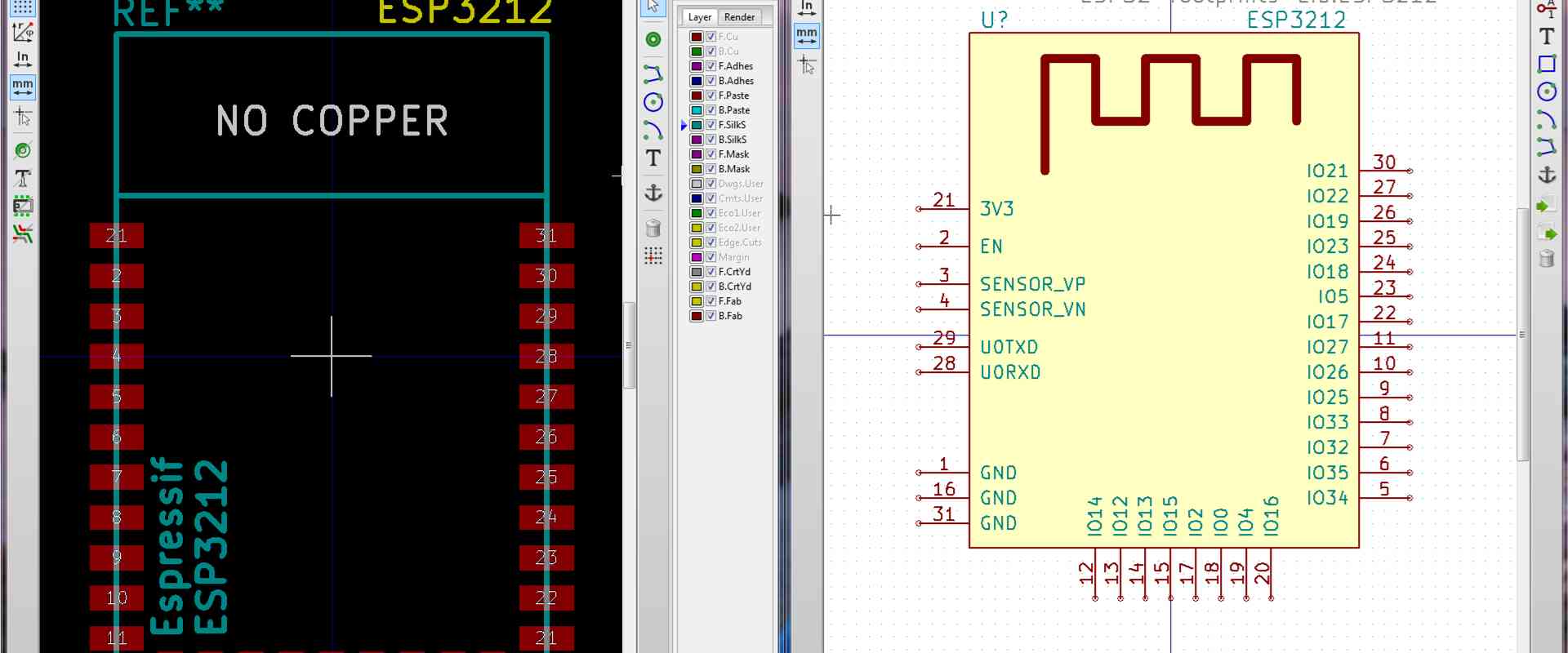
Component footprint library management involves the systematic creation, storage, organization, and maintenance of digital representations of electronic parts used in PCB design. These libraries house schematic symbols for capture, copper land patterns or footprints for layout, and often 3D models for mechanical verification. Footprint organization categorizes these assets by family, pitch, package type, and manufacturer tolerances to enable quick retrieval. A component database typically includes metadata such as part numbers, descriptions, datasheets references, and parametric data for automation. Effective PCB library management ensures that every footprint matches the physical component dimensions precisely, preventing issues like solder joint failures or tombstoning.
The relevance of this practice extends to every phase of the PCB lifecycle, from design to fabrication and assembly. Inaccurate footprints can cause misalignment during placement, leading to open circuits or shorts that evade detection until testing. For electric engineers, disorganized libraries amplify risks in high-volume production where even minor discrepancies scale into significant losses. Consistent library updates keep pace with evolving component packages, such as shrinking BGA balls or new QFN variants. Version control tracks changes, allowing rollback if issues arise post-update. Ultimately, strong PCB library management fosters design reuse, accelerates time-to-market, and upholds quality standards across projects.
Without proper management, teams face fragmented libraries scattered across personal drives, breeding inconsistencies and knowledge silos. Industry pressures for smaller, faster boards demand reliable component databases to support simulation and DFM analysis. Engineers who invest in this area report fewer prototypes and smoother handoffs to manufacturing. The payoff lies in reduced debugging time and enhanced collaboration in multi-disciplinary teams.
Core Principles of Effective PCB Library Management
At the heart of PCB library management lie principles rooted in standardization and verification to ensure footprints perform reliably under real-world conditions. Land patterns must adhere to established density levels, such as most, nominal, or least, which dictate pad sizes and spacings for optimal solderability. IPC-7351 provides detailed guidelines for these dimensions, balancing manufacturability with electrical performance across surface-mount devices. Engineers select density based on assembly capabilities, with nominal often suiting general applications. Parametric models automate footprint generation by inputting lead counts, pitches, and body sizes from datasheets. This approach minimizes manual errors and promotes uniformity.
Verification forms another pillar, involving cross-checks between 2D footprints, 3D STEP models, and silkscreen overlays. Courtyards define keep-out zones around components to prevent interference, typically set at 0.25 mm beyond the package outline. Solder mask expansion and paste mask reduction follow proportional rules to avoid bridging or insufficient paste volume. Metadata enrichment in the component database, including RoHS status and thermal properties, aids selection during schematic capture. Logical categorization, such as by resistor networks or capacitor arrays, speeds library navigation.
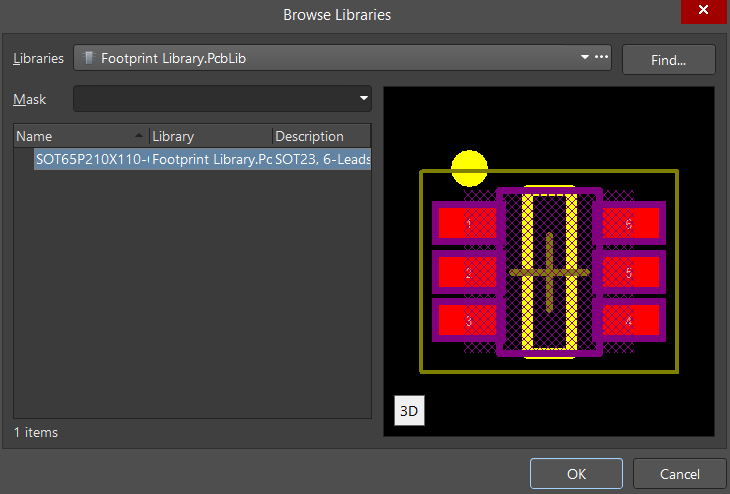
Scalability principles guide library architecture, favoring centralized repositories over siloed files for team access. Searchable fields like keyword tags and parametric filters enhance usability in large databases. Regular audits identify obsolete entries, preventing their accidental use in new designs. These foundational elements create a robust framework for library creation and ongoing maintenance.
Best Practices for Footprint Organization and Library Creation
Start library creation by sourcing accurate datasheet information, extracting body dimensions, lead widths, and toe-to-heel spacings without assumptions. Generate footprints using parametric wizards that compute pad geometries per IPC-7351 conventions, ensuring compliance with tolerance stacks. Naming schemes follow hierarchical logic, such as RES_0805_1K or C_1206_10uF, incorporating value ranges where applicable. Group similar families into sub-libraries, like passives or ICs, to streamline organization. Validate each footprint through fabrication previews and assembly simulations before database integration.
Footprint organization thrives on consistent metadata structures within the component database. Essential fields include manufacturer part number, footprint name, symbol link, datasheet path, and creation date. Use relational databases or spreadsheet-linked systems for querying by voltage rating or package code. Implement access controls to prevent unauthorized edits, preserving integrity. Bulk import tools handle vendor libraries, but require vetting to filter non-standard entries.
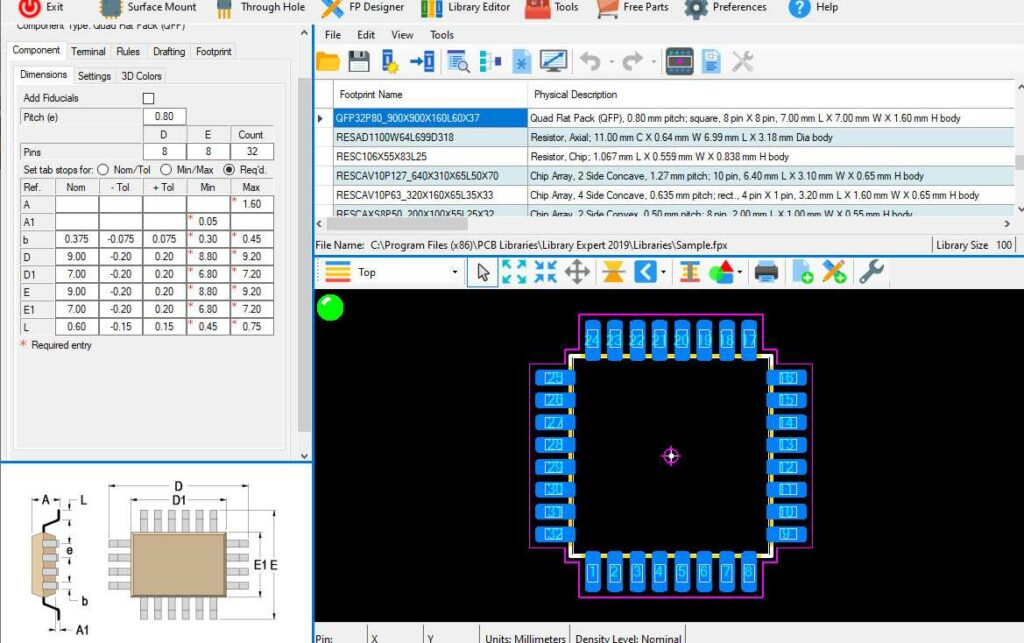
Library updates demand a gated process: review change requests, test impacts on existing designs, then deploy via staged rollouts. Automate notifications for EOL components to prompt alternatives. Cross-reference with assembly feedback ensures footprints align with J-STD-001 soldering criteria, such as fillet heights and void limits. Regular housekeeping merges duplicates and archives unused parts. These practices reduce schematic capture errors and enhance overall design flow.
Implementing Version Control and Library Updates in Your Workflow
Version control transforms PCB library management from ad-hoc to systematic, tracking every modification with timestamps and changelogs. Adopt branching strategies where new footprints develop in isolation before merging into the master library. Tag releases by date or project milestone, such as v1.2.2026, for easy rollback. Integrate diffs to highlight pad size changes or courtyard adjustments. This method safeguards against regressions during library updates.
Automate library updates by subscribing to component vendor alerts for package revisions, like lead-free transitions. Prioritize high-use parts in quarterly reviews, regenerating footprints as needed. Propagate changes through design templates to avoid legacy mismatches. Audit trails in the component database log who approved updates and why. Such rigor supports agile workflows in dynamic engineering environments.
Collaborative platforms enable distributed teams to contribute verified assets, with pull requests for peer review. Baseline libraries at project starts to isolate scope creeps. These techniques ensure schematic capture pulls the latest validated data, minimizing variants.
Common Challenges and Troubleshooting in Component Databases
Engineers frequently encounter duplicate footprints with slight variations, bloating the component database and confusing selections. Resolve by enforcing unique naming and hashing geometries for auto-detection. Obsolete packages linger without flags, causing procurement delays; implement lifecycle status fields updated via supplier feeds. Parametric mismatches arise when datasheets evolve, so routine DRC runs flag discrepancies.
Version drift across team members leads to inconsistent boards; mandate shared repositories with lock files. Slow searches in overgrown libraries demand indexing and pruning. Troubleshooting starts with query logs to pinpoint bottlenecks, followed by database normalization. Feedback loops from assembly incorporate lessons, like adjusting paste masks for fine-pitch BGAs.
Proactive metrics, such as reuse rates and error incidents, guide improvements. These solutions restore efficiency to PCB library management.
Conclusion
Effective component footprint library management empowers electric engineers to produce flawless PCBs with minimal rework. By embracing standardization via IPC-7351, rigorous verification per J-STD-001, and disciplined version control, teams achieve organized, scalable libraries. Footprint organization and proactive library updates eliminate common pitfalls, from schematic capture errors to assembly rejects. Centralized component databases foster reuse and collaboration, accelerating innovation. Invest in these practices to stay ahead in demanding design landscapes. Consistent application yields reliable outcomes and competitive edges.
Frequently Asked Questions
Q1: What role does IPC-7351 play in PCB library management?
A1: IPC-7351 standardizes land pattern dimensions for surface-mount components, guiding footprint creation with density levels like nominal for balanced solder joints. Electric engineers use it to ensure footprints match datasheet specs, reducing defects. Proper adherence streamlines library updates and organization. This foundation supports schematic capture accuracy across projects.
Q2: How can version control improve component database efficiency?
A2: Version control tracks changes in footprints and symbols, enabling safe library updates without disrupting active designs. Branches allow testing new entries before merging, while tags mark stable releases. This prevents regressions in schematic capture and footprint organization. Teams gain traceability, cutting troubleshooting time significantly.
Q3: Why is footprint organization critical for electric engineers?
A3: Organized footprints in a component database enable rapid part selection and verification, minimizing layout errors. Logical categorization by package type speeds workflows during library creation. It ensures compliance with assembly standards, avoiding costly prototypes. Engineers maintain consistency across multi-board projects effortlessly.
Q4: What are best practices for library creation in PCB design?
A4: Begin with datasheet extraction for precise dimensions, generate parametrically, and verify against standards. Enrich with metadata for searchable databases. Implement naming conventions for footprint organization. Regular audits keep libraries lean and current for reliable schematic capture.
References
IPC-7351B — Generic Requirements for Surface Mount Design and Land Pattern Standard. IPC, 2010
J-STD-001H — Requirements for Soldered Electrical and Electronic Assemblies. IPC, 2018